
Why visit
Why Travel to the United States with LABUSA Travel
Diverse Destinations
The United States is one of the world’s most diverse travel destinations. Travelers can experience bustling metropolitan cities, charming small towns, mountain retreats, tropical beaches, deserts, forests, and some of the most famous natural landmarks on Earth, all within one country.
Rich History & Culture
From the nation’s founding sites in Philadelphia and Boston to the Civil Rights landmarks of the South and the cultural districts of New Orleans, Chicago, and Harlem, America offers a fascinating blend of history, heritage, and modern innovation.
World-Class Attractions
Visitors can enjoy renowned museums, entertainment districts, sporting events, national parks, architectural landmarks, and cultural festivals throughout the year.
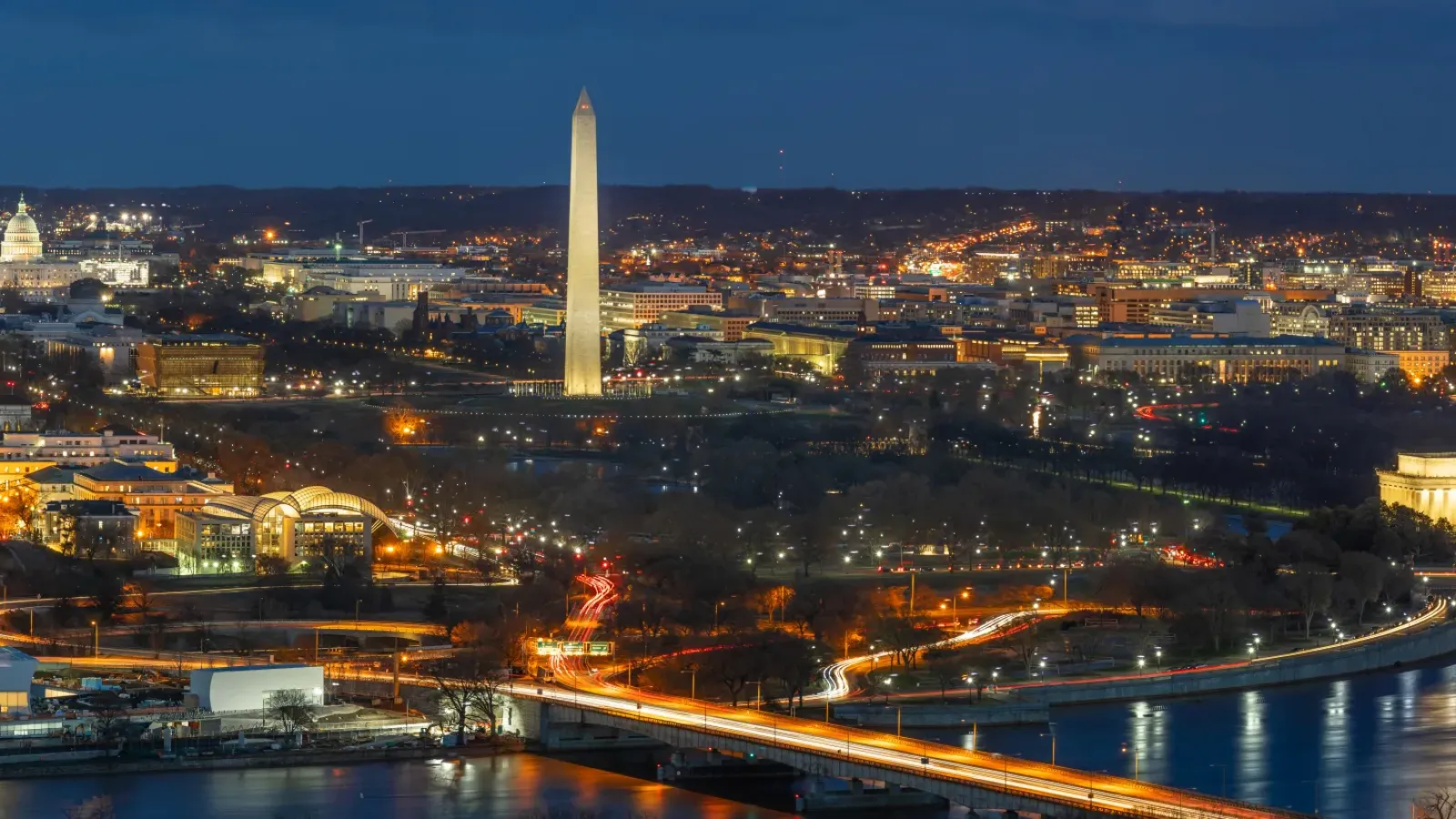
Top places to visit
Top Places to Visit
in the United States
-
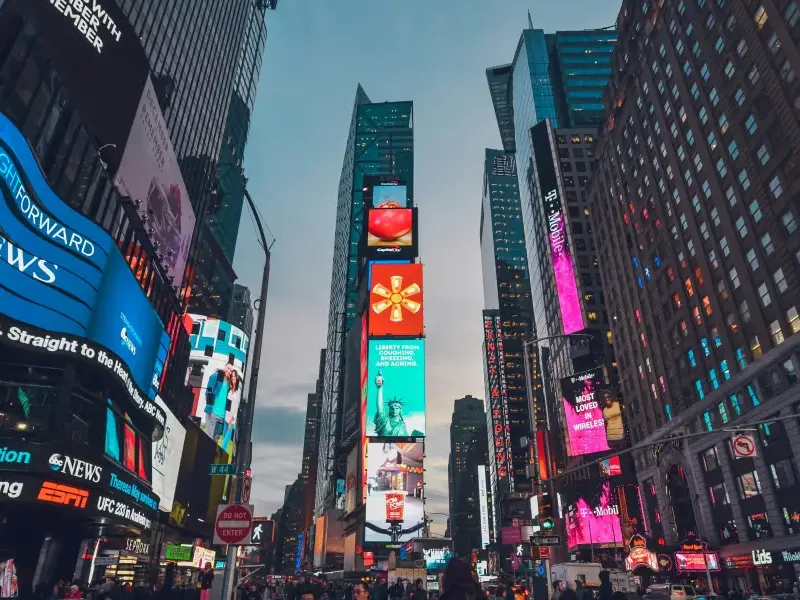
New York City, New York
Experience the energy of Times Square, Broadway, Central Park, world-class museums, and some of the most recognizable landmarks in the world.
-
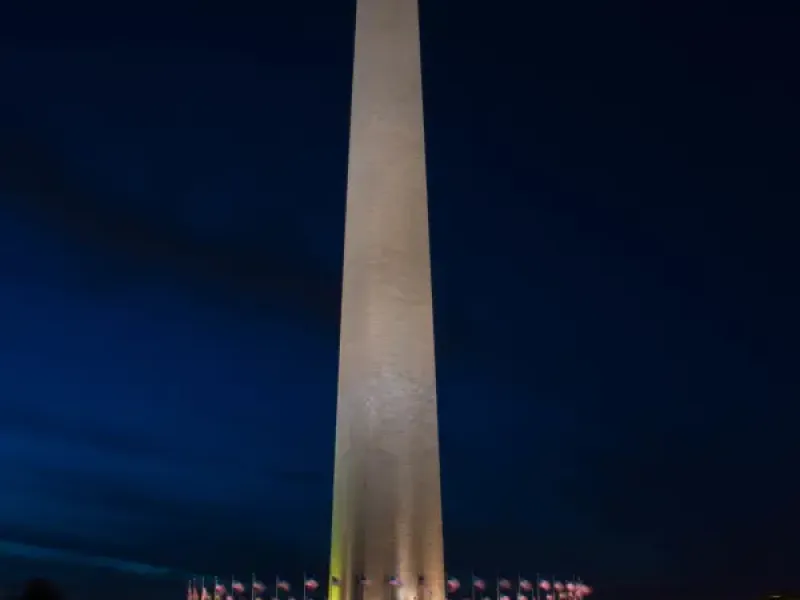
Washington, D.C.
Explore the nation’s capital through its iconic monuments, Smithsonian museums, historic neighborhoods, and government institutions.
-
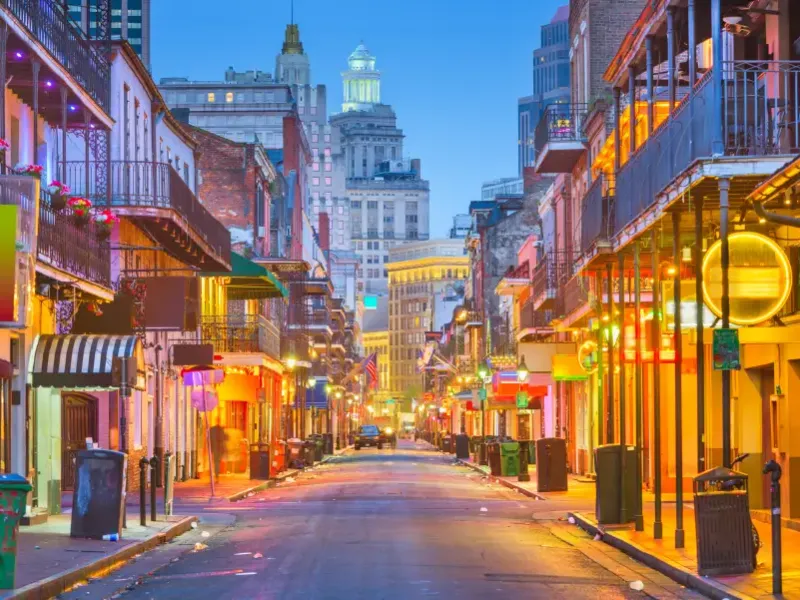
New Orleans, Louisiana
Known for its vibrant music scene, unique cuisine, and rich cultural traditions, New Orleans offers a one-of-a-kind travel experience.
-
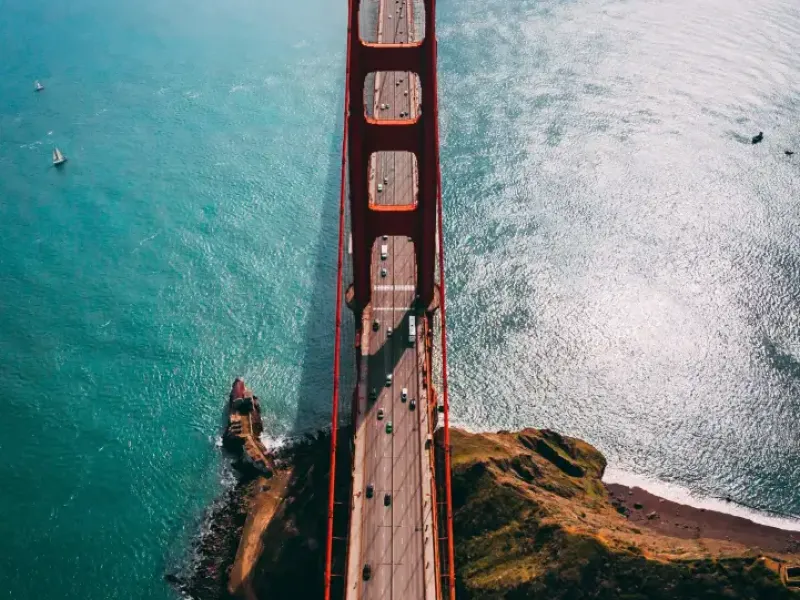
San Francisco, California
Visit the Golden Gate Bridge, Alcatraz Island, Fisherman’s Wharf, and the city’s diverse neighborhoods and cultural attractions.
-
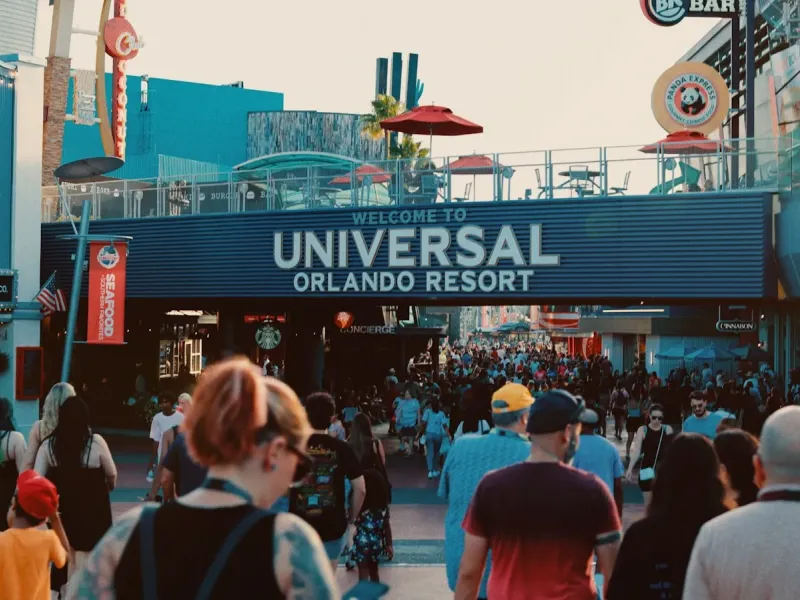
Orlando, Florida
Home to world-famous theme parks, family-friendly attractions, and year-round sunshine.
-
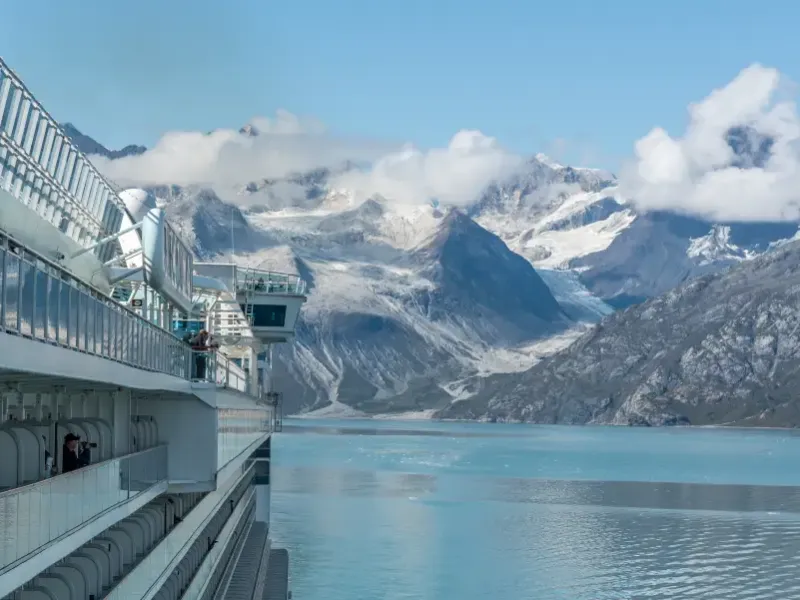
Alaska
Discover glaciers, wildlife, national parks, and stunning landscapes unlike anywhere else in North America.
The guide
Explore United States Travel Experiences by Interest
Planning
Food and Culture
Heritage and History
Traveler Resources
Before you go
United States
Travel Guide & Tips
-
Best Time to Visit the United States
Spring (March to May) brings mild temperatures, blooming landscapes, and ideal conditions for sightseeing and outdoor activities, while Summer (June to August) is the peak travel season with festivals, outdoor adventures, beach vacations, and family travel opportunities.
Fall (September to November) offers beautiful autumn foliage, comfortable temperatures, and fewer crowds in many destinations, and Winter (December to February) is perfect for holiday celebrations, winter sports, and seasonal events across the country.
-
Experiences & Activities
- Explore more than 60 national parks, including Yellowstone, Yosemite, Grand Canyon, Zion, Glacier, and Denali
- Enjoy live music, performing arts, sporting events, museums, and cultural festivals nationwide
- Discover historic landmarks such as the Statue of Liberty, Independence Hall, Mount Rushmore, and the Lincoln Memorial
- Savor regional cuisine: Southern comfort food, New Orleans Creole, New York pizza, Texas barbecue, and California wine country
-
United States Travel Tips
- Plan ahead for popular attractions and national parks
- Consider regional weather conditions when selecting travel dates
- Allow sufficient travel time between destinations due to the country’s size
- Carry comfortable walking shoes for city exploration and sightseeing
- Check local events and festivals to enhance your travel experience
Signature experiences
Signature American
Experiences
-
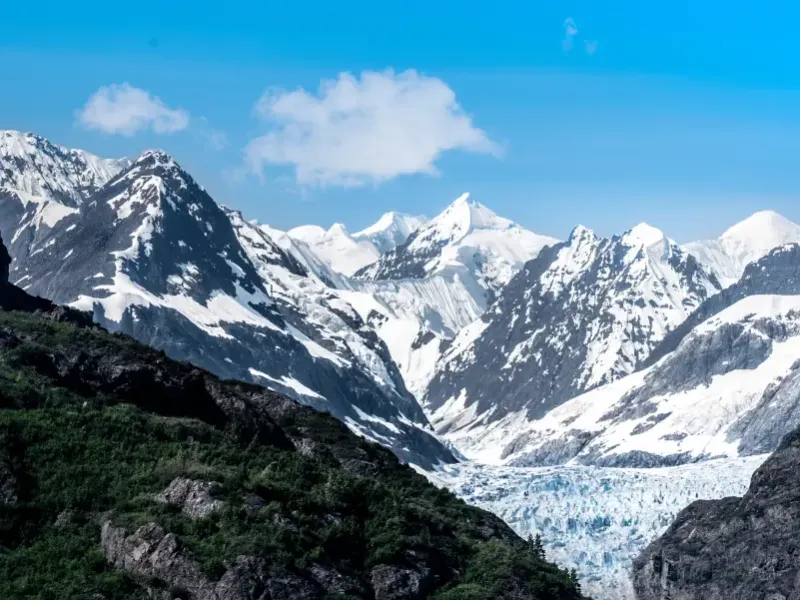
America’s National Parks
Discover more than 60 national parks, from Yellowstone’s geysers and Yosemite’s granite cliffs to the Grand Canyon, Zion, Glacier, and Denali. They offer some of the most spectacular natural landscapes on Earth.
-
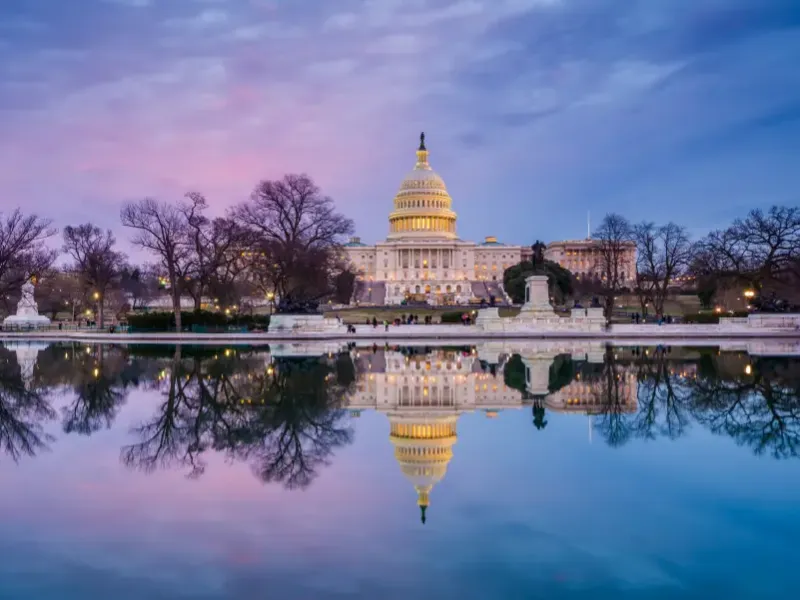
Historic Landmarks & Monuments
Walk through the nation’s story at the Statue of Liberty, Independence Hall, Mount Rushmore, the Lincoln Memorial, and countless other sites that shaped American history.
-
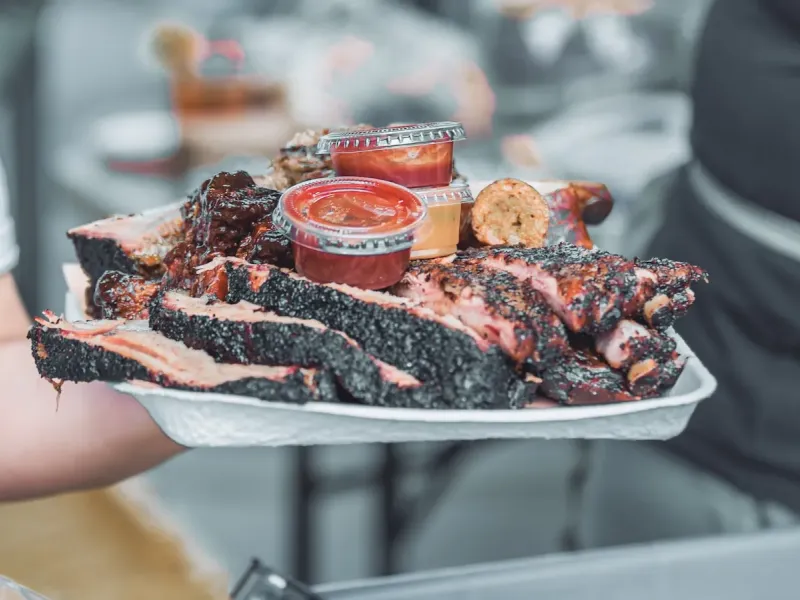
Regional American Cuisine
Taste your way across the country, from Southern comfort food and New Orleans Creole cooking to New York pizza, Texas barbecue, and California wine country. Every region has its own culinary traditions.
Whether you’re interested in exploring iconic cities, experiencing American history, discovering cultural landmarks, or enjoying the nation’s spectacular natural beauty, LABUSA Travel can help you create the perfect itinerary.
From coast to coast, the United States offers endless opportunities for memorable travel experiences. Let our travel experts help you design a journey tailored to your interests, schedule, and travel goals. Contact LABUSA Travel today to begin planning your United States adventure.
Common questions
United States Travel FAQs
- When is the best time to visit the United States?
- There is no single answer, and anyone who gives you one has picked a region without telling you. At any point in the calendar some part of this country is at its best and another is at its worst: in January the Sonoran Desert is perfect and the northern plains are brutal, and in August the Rockies are open to their highest passes while the Gulf Coast is in hurricane season. Choose the region first and the month follows. If the trip is flexible and spread across several regions, the shoulder weeks of April and May and of September and October work across more of the country at once than any other part of the year, with open facilities, workable weather and a fraction of the crowding.
- Do I need a REAL ID to travel?
- You need identification that meets the REAL ID standard, or another accepted form such as a passport, to board a domestic flight and to enter certain federal facilities. That is the whole of it, and the part people get wrong is the other half: a state driver license that does not meet the standard is still perfectly valid for driving. It will not fail you on the road. It will fail you at the airport. If your license is not compliant and you are not ready to replace it, a passport or a passport card solves the problem for travel. Because the accepted list and the dates attached to it have moved more than once, confirm the current position with the Department of Homeland Security before you rely on a document you have not used lately.
- How much should I tip, and is it really expected?
- It is expected, and it is worth understanding why rather than memorizing a number. In much of the country the base wage for a tipped worker is set on the assumption that tips make up the difference, so the expectation is a feature of how those people are paid rather than a courtesy. It is not a legal obligation and nobody will produce a rule. Customarily it runs around eighteen to twenty percent of the pre tax total for restaurant table service, a dollar or two a drink at a bar, and something for drivers, hotel housekeeping, guides and anyone carrying your bags. Counter service is genuinely discretionary. Check a bill before adding to it when a large party has been seated together, because a service charge is sometimes already on it.
- Why is the price at the register higher than the price on the shelf?
- Because sales tax is added at the end rather than included, and there is no single nationwide rate: it is set by state and frequently by city on top of that, so the same item costs different amounts in two towns an hour apart and a few states add nothing at all. Menus, shelf edges and advertised prices are almost always quoted before it. Hotels add a room tax and in some places a resort or destination fee charged whether or not you use what it covers, and rental cars attach airport concession fees and local surcharges. None of it is hidden and almost none of it is in the headline figure, so build a margin into a budget rather than taking quoted prices at face value.
- Is a national park pass worth buying, and what does it cover?
- If the trip takes in more than two or three federal sites it usually pays for itself, and there are senior, military, access and fourth grade versions alongside the standard annual one. What matters more than the price is the scope. A pass covers entrance and standard amenity fees at federal recreation sites. It does not cover camping, lodging, boat launches, cave and ranger led tours, shuttles run by concessioners, or anything operated by a state park system, and state parks are a large share of the best places in several states. Entrance fees themselves are published per park rather than as one national figure and differ by site and by how you arrive, so check the current amount for the parks on your route.
- Do I need a reservation to visit a national park?
- Sometimes, and the answer changes by park, by season and occasionally by year. Some parks operate timed entry or vehicle reservation systems in their busy months, some popular trails and permits are allocated by lottery well in advance, and some sites admit visitors only on booked tours. None of that is national policy and a park that required nothing last summer may require something this one. Several of the busiest parks also run seasonal shuttles, and in a few of them the shuttle is the only way to reach the most popular trailheads because private vehicles are excluded from the main road. Check the individual park when you fix your dates rather than when you set out.
- Do I need any vaccinations or medication for a trip within the country?
- No vaccination is required to travel within the United States and there is no travel specific medication to take. The public health advice is routine: keep ordinary vaccinations up to date and take the same precautions you would at home. Tap water is safe in public supplies. The health question that does matter on a domestic trip is not medical but financial, because Americans assume their coverage travels with them and it often does not in the way they expect. A plan can be in network in one state and out of network in the next, and an air ambulance from a remote park is a bill that has ruined people. Find out what your own plan does away from home before you go.
- Which places here are World Heritage Sites?
- Four of the five heritage guides in this cluster cover inscribed properties: Yellowstone National Park, inscribed in 1978, Grand Canyon National Park in 1979, Cahokia Mounds State Historic Site in 1982 and the San Antonio Missions in 2015. The fifth does not, and the distinction is worth stating plainly because it is so often got wrong. The civil rights movement sites, including Selma and Birmingham, were added to the United States Tentative List in 2008, which is the record of properties a country intends to consider for nomination and confers no status at all; they are not inscribed. That takes nothing away from them. It simply makes the description accurate.
- What language will I need, and how many are actually spoken here?
- English will get you everywhere. The fuller answer is that Ethnologue records several hundred living languages in this country, and Spanish is a daily working language rather than a courtesy across large parts of the Southwest, Florida, New York and California, where a few words of it are genuinely useful. Beyond those two there is a long tail of Indigenous, immigrant and signed languages, several of which have official standing in particular states or nations. The fact rail on this page names two because a rail cannot carry the rest without implying a ranking this site will not make.