
Why visit
Why visit Argentina?
Argentina enchants with the passion of tango in Buenos Aires, the stunning ice fields of Patagonia, and wine-tasting adventures in Mendoza’s vineyards. Outdoor lovers trek the Andes, while city explorers indulge in architecture, art, and vibrant nightlife. Beneath this European-facing exterior lies a powerful yet often overlooked story: that of the Afro-Argentine community, whose influence shaped early Argentine independence, music, and dance. In neighborhoods like San Telmo and La Boca, travelers can uncover revived Afro-Argentine traditions through local tours and cultural centers.
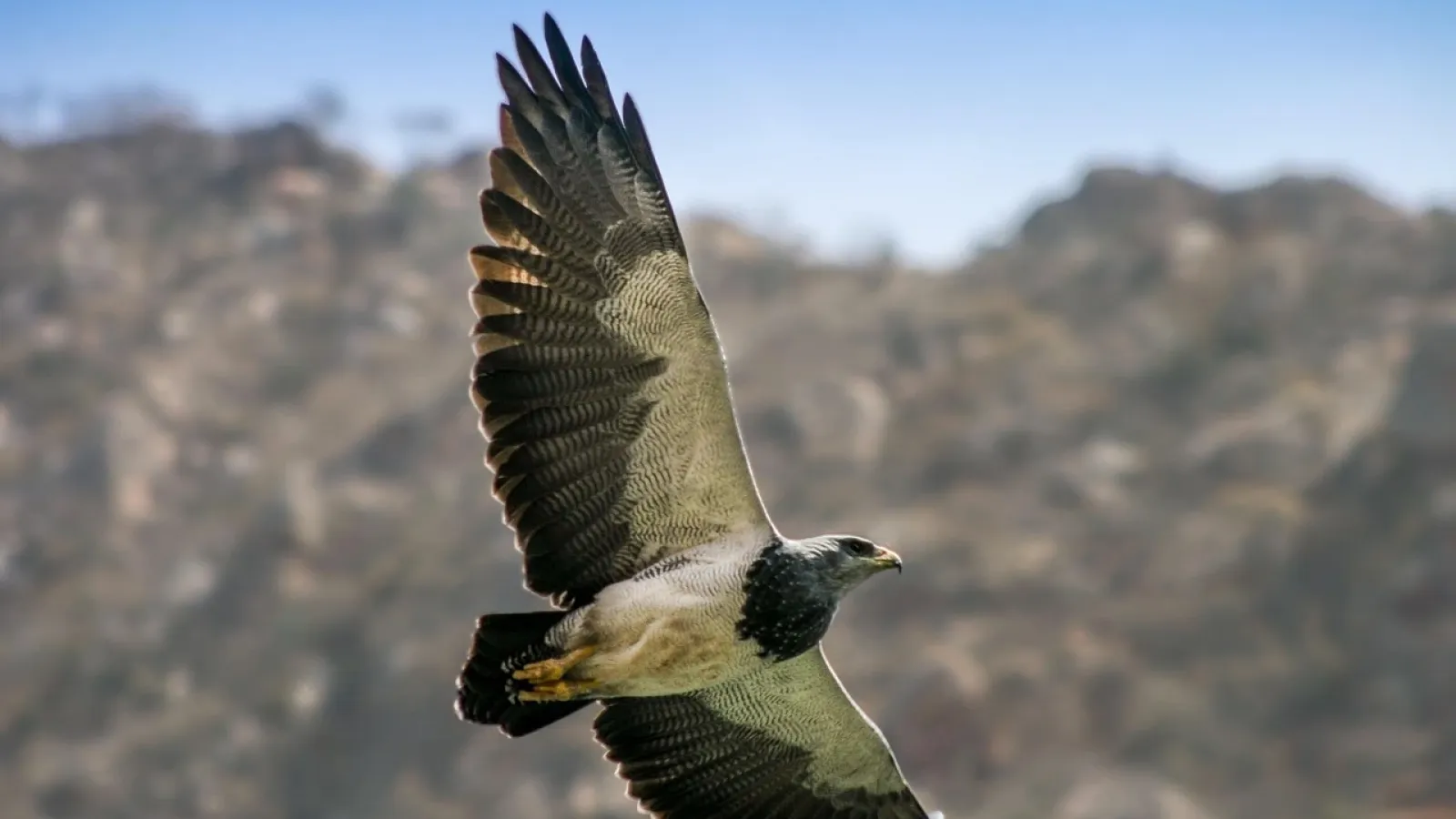
Top places to visit
Popular Attractions
in Argentina
-
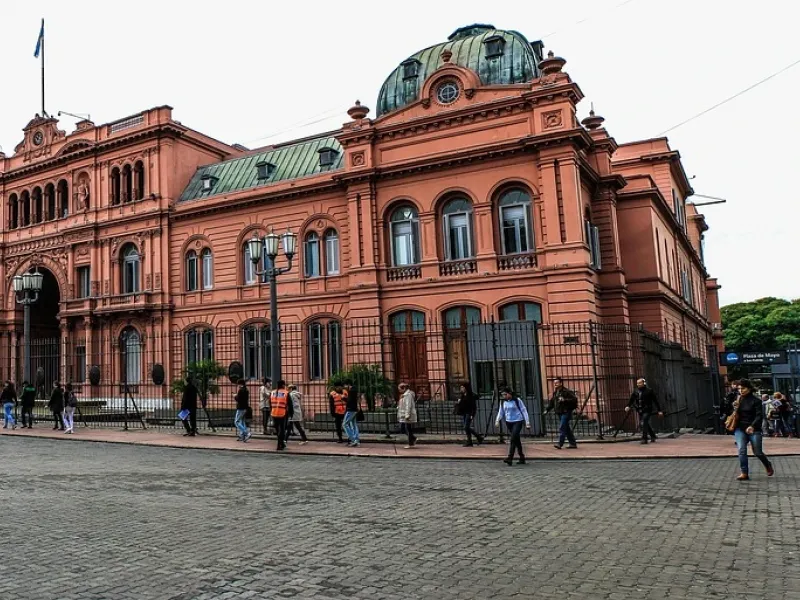
Buenos Aires: The Soulful Capital
Often called the “Paris of South America,” Buenos Aires is a city of elegance and intensity. It seduces visitors with grand boulevards, colorful neighborhoods like La Boca and San Telmo, and the deep, melancholic embrace of tango. Visit the historic Recoleta Cemetery, dine at parrillas (steakhouses) serving world-famous Argentine beef, and experience the city’s ever-pulsing arts and nightlife scene. Buenos Aires is more than a capital. It’s a cultural heartbeat.
-
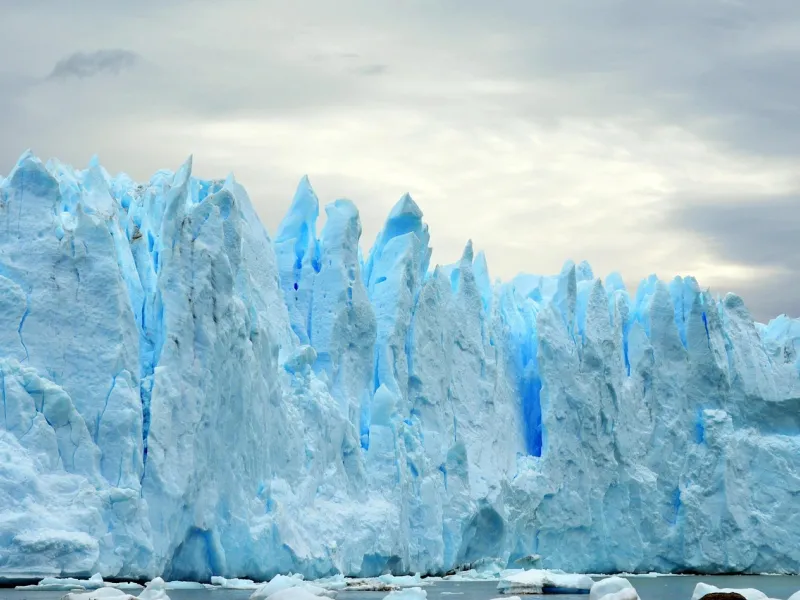
Patagonia: Glaciers, Peaks, and Untamed Beauty
Patagonia is where the Earth speaks in vast silences and bold landscapes. Trek across the craggy terrain of Los Glaciares National Park, where the Perito Moreno Glacier dazzles with its scale and sound. Climb or admire the iconic peaks of Mount Fitz Roy, kayak in glacial lakes, or stay in an eco-lodge surrounded by wind-whipped serenity. For those seeking nature on a grand scale, Patagonia offers unmatched majesty and introspection.
-
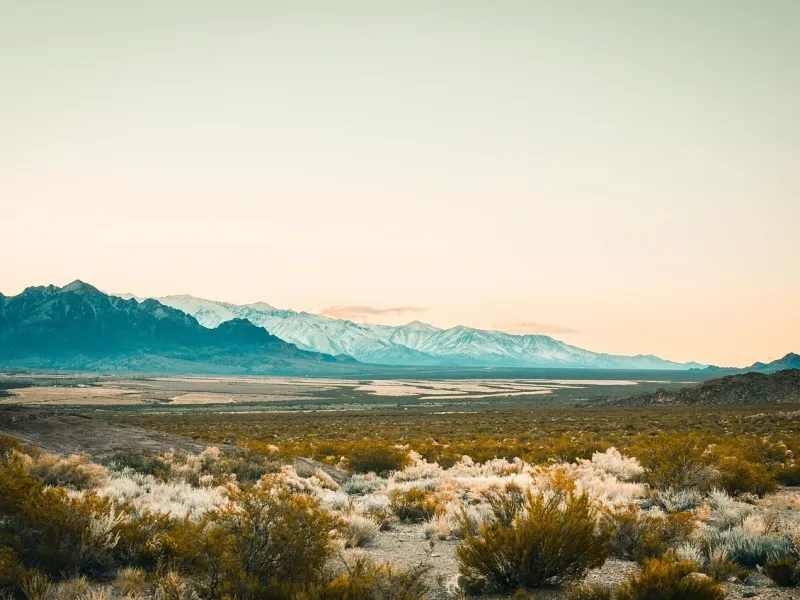
Mendoza: Wine Country at the Foot of the Andes
Nestled at the base of the snowcapped Andes, Mendoza is Argentina’s premier wine region and a haven for lovers of food, nature, and quiet luxury. Sample Malbecs in sun-drenched vineyards, many of which are family-run and committed to sustainable practices. Enjoy scenic bike tours through vine-covered valleys, farm-to-table meals with mountain views, and thermal spas to unwind after a day of indulgence. Mendoza is where Argentina slows down and savors life.
The guide
Explore Argentina by Interest
Planning
Food and Culture
Heritage and History
Traveler Resources
Deep Expertise
Our team collaborates with local experts, historians, and naturalists who provide insider access to Argentina’s cultural and natural highlights. From tango workshops with master dancers to gaucho-led excursions in the Pampas, we connect you to the heart of Argentina with depth and integrity.
Purpose-Driven Travel
Our Argentina journeys are crafted for those who crave more than snapshots. Whether you're exploring Afro-Argentine culture in Buenos Aires, supporting Indigenous artisans in the north, or meditating beneath Patagonian peaks, we help you discover experiences that resonate and remain.
Affordable Luxury & Authentic Moments
From boutique city hotels in historic mansions to rustic-luxury mountain lodges, our handpicked accommodations balance style, comfort, and local charm. You’ll enjoy seamless travel with curated touches that turn a trip into a personal story of joy and discovery.
Common questions
Argentina Travel FAQs
- Do I need a visa to visit Argentina?
- Argentina sets and enforces its own entry rules, and this site does not publish an answer for United States passport holders, because the source cached for this cluster was written for a different nationality and its allowance does not transfer. Ask the Argentine consulate responsible for where you live, and ask close to your travel date. What is the same for everybody: your passport must be valid for the proposed duration of your stay, which is a more generous rule than the six month validity many countries require, and immigration authorities no longer stamp passports on entry, so nothing in your passport will show when you arrived. If you need proof of entry or exit, the Argentine Migration Office holds it.
- Do I need a yellow fever vaccination for Argentina?
- It depends entirely on where in the country you are going, and for most visitors the answer is no. The US Centers for Disease Control and Prevention recommends the vaccine for all travelers aged nine months and over going to Corrientes and Misiones Provinces, which is where Iguazu is. It is generally not recommended for Formosa or for designated areas of Chaco, Jujuy and Salta, and it is not recommended for travel limited anywhere else, which covers Buenos Aires, Mendoza and all of Patagonia. The same source records that the vaccine is not an entry requirement for Argentina. Recommended and required are different things and this is the country where conflating them is easiest. If Iguazu is on your itinerary, that is a travel clinic appointment rather than an airport decision, and it wants several weeks.
- Is malaria a risk in Argentina?
- This cluster publishes no malaria advice for Argentina, and the reason is worth stating plainly. The CDC destination page for the country names no risk area, no province and no season, and carries no malaria entry in its disease list. The one sentence on that page containing the word sits inside the generic paragraph about bringing your own medicines that it prints for many destinations. So there is nothing here to locate and nothing to prepare for. Dengue and Zika are a separate matter and are on the list of risks for the subtropical northeast, and they are mosquito borne with no vaccine most travelers will have, which makes repellent and covered evenings the useful precaution.
- Is it safe to travel in Argentina?
- There is no restricted region for Argentina of the kind some of its neighbors carry, and nothing in the cited advisory tells a visitor to avoid a province. What the source does name is specific: be vigilant in La Boca in Buenos Aires, especially in the streets outside the Caminito tourist area, where the advice is to stay in the designated tourist area with its high visibility police patrols; be particularly cautious in downtown Mendoza; and be particularly cautious in Rosario, in Santa Fe. Armed robberies are a risk, and if you are the victim of one, hand over your cash and valuables without resistance. Express kidnappings, in which people are held and made to empty their accounts at ATMs before being released quickly, occasionally happen, which is a good argument for not carrying every card you own. Avoid casual taxis. The other thing to plan for is roadblocks: groups of demonstrators sometimes close major roads including the routes into and out of Buenos Aires City, which is a scheduling risk rather than a danger, and a buffer day before an international flight is worth having.
- What should I know about money and the exchange rate?
- The currency is the Argentine peso, and this site publishes no exchange rate, neither the official figure nor the street one, because any number printed here would be wrong by the time you read it. Argentina has spent long stretches of recent history with more than one figure in circulation at once and the gap between them has been wide enough to change what a trip costs. What is stable is the mechanics. Cards are widely accepted in the cities and at anywhere used to visitors, and cash still matters in small towns, in rural Patagonia and at markets. Carry at least two cards from different issuers and keep them in separate places. Argentine machines often cap a single withdrawal and charge a fee each time, so several small withdrawals cost more than planning around fewer larger ones. Use a machine inside a bank or an airport during opening hours, know your daily limit, and never change money with somebody who approaches you in the street.
- What is the best time of year to visit Argentina?
- It depends which end of the country you are going to, because Argentina runs from the subtropics to the edge of the Antarctic and the regions do not share a calendar. Remember that the seasons are inverted: December through February is high summer. Patagonia and Los Glaciares want the austral summer, roughly November through March, when the days are long and the boats run reliably. The high northwest and the Quebrada de Humahuaca want the dry months, roughly April through October, because the summer rains fall there between December and March and can close the one road through the valley. Iguazu is warm and humid all year with no dry season and is at its most dramatic after heavy rain, which cannot be booked. Buenos Aires is most comfortable in the shoulder seasons, and if you have any flexibility at all the jacarandas flower from late October into December and turn whole avenues purple.