
Why visit
Why visit Doha Qatar?
Qatar’s capital is a beacon of cultural ambition and Arab pride. In Doha, travelers find a rare blend of futuristic architecture, world-renowned art, and deep-rooted traditions. From vibrant markets to the serene beauty of the desert, and from groundbreaking museums to heritage villages, Doha offers a compelling story of perseverance, transformation, and multicultural connection.

Top places to visit
Popular Attractions
in Doha Qatar
-
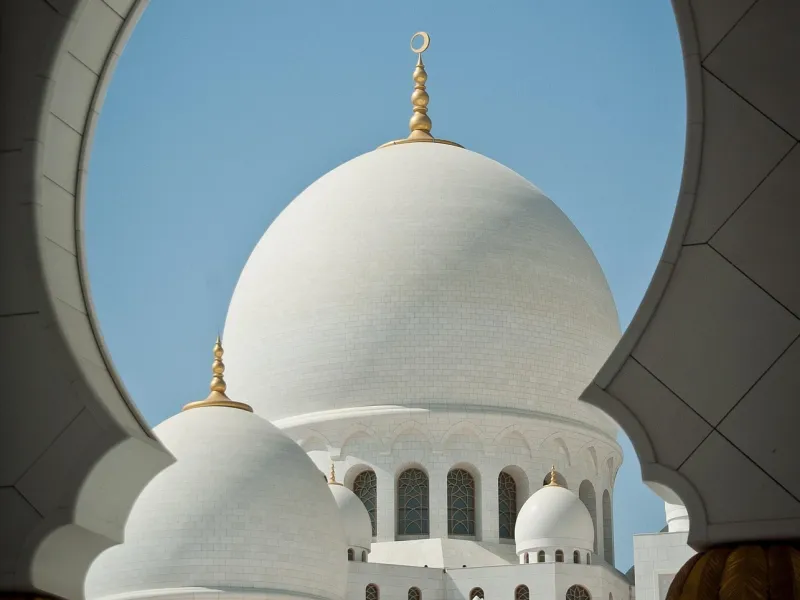
Museum of Islamic Art
An architectural masterpiece housing one of the world’s finest collections of Islamic art spanning 1,400 years — a celebration of global creativity, intellect, and spirituality.
-
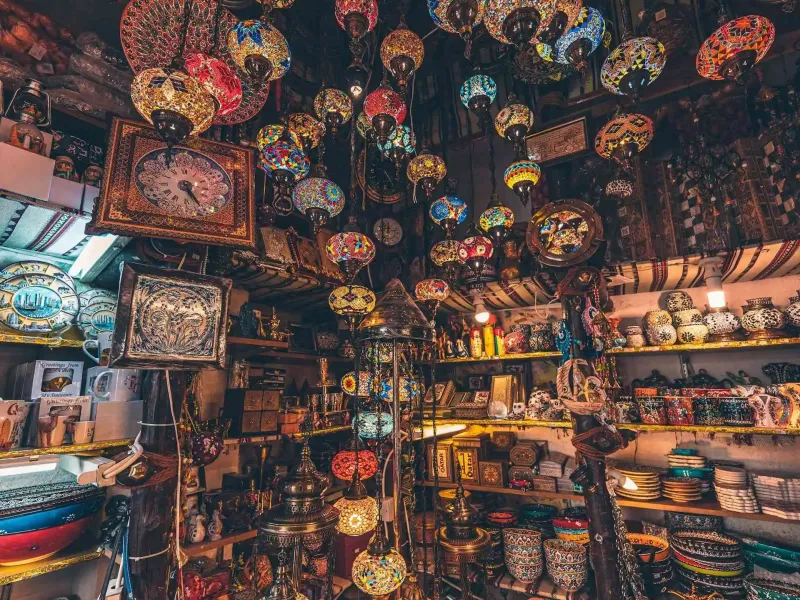
Souq Waqif
Wander through a vibrant traditional market where spices, textiles, jewelry, and street food reflect centuries of commerce and cultural exchange.
-
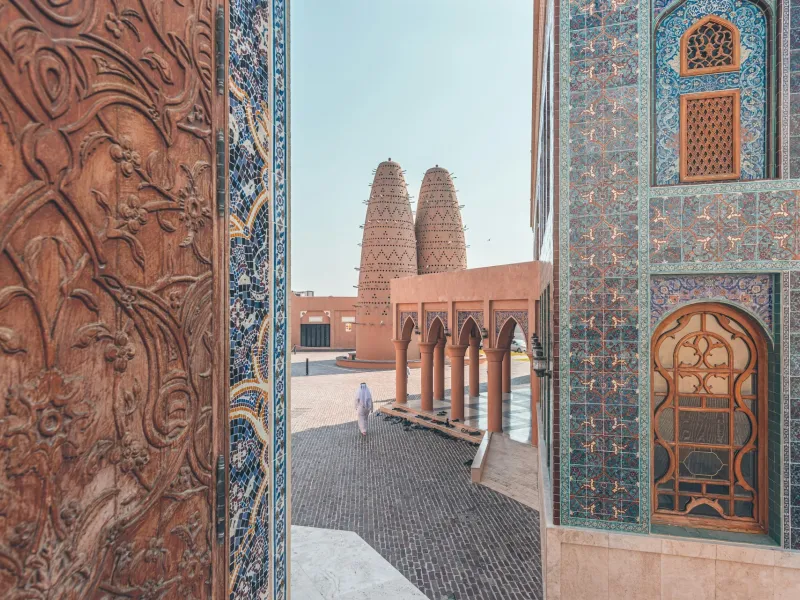
Katara Cultural Village
Experience Qatar’s dynamic arts and cultural scene through galleries, open-air theaters, workshops, and concerts in a stunning waterfront setting.
-
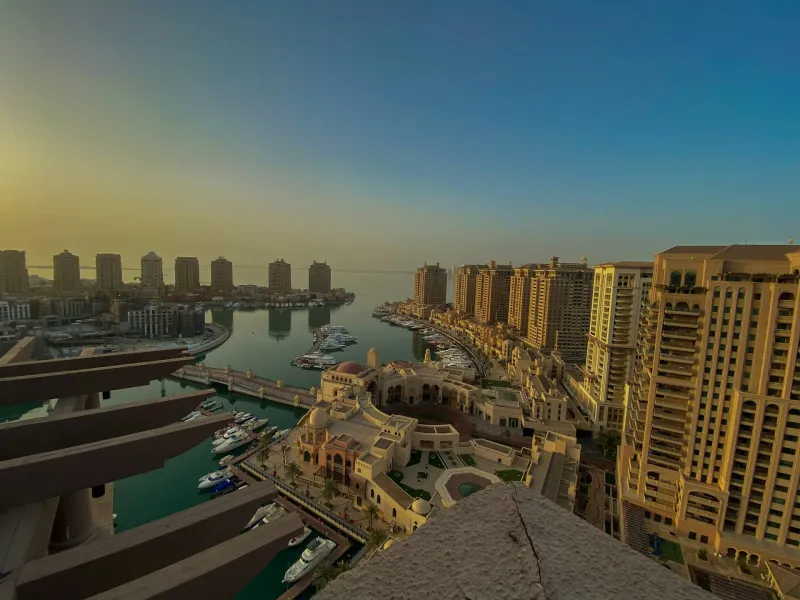
The Pearl-Qatar
Explore this luxurious man-made island known for its elegant promenades, upscale shopping, and vibrant marina life.
-
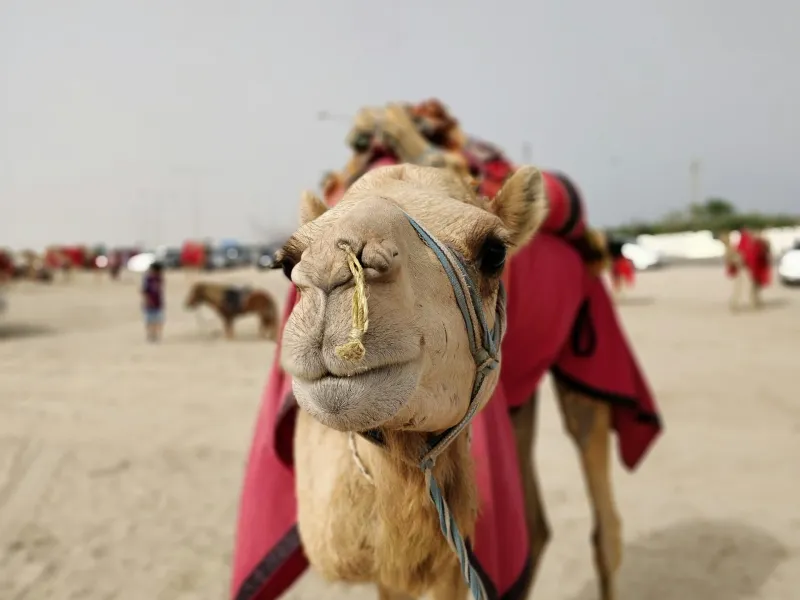
Desert Safari and Inland Sea (Khor Al Adaid)
Venture into the dramatic dunes of the Qatari desert for a thrilling safari and witness the magical meeting of desert and sea — a UNESCO-recognized natural wonder.
The guide
Explore Doha by Interest
Planning
Food and Culture
Heritage and History
Traveler Resources
Diaspora Heritage Extension: Al Zubarah and Northern Qatar
Echoes of Trade, Resilience, and Maritime Glory
Extend your journey north to Al Zubarah, a UNESCO World Heritage Site and once-thriving pearl trading town. Discover ancient forts, archeological treasures, and the maritime history that connects Qatar’s legacy with wider African and Middle Eastern trade routes.
Highlights Include:
- Al Zubarah Fort
- Ruins of the Old Town and Trading Post
- Traditional dhow boat heritage workshops
LABUSA Travel’s Diaspora Experience Promise
We create journeys that bridge heritage, history, and heart. In Qatar, we collaborate with local scholars, artists, and cultural custodians to deliver experiences that reveal the country’s soul — honoring both Bedouin traditions and the diverse multicultural influences that have shaped its modern story.
What to Expect:
- Personalized cultural-focused itineraries
- Meetings with local artists, scholars, and cultural leaders
- Desert and sea experiences infused with storytelling traditions
- Purposeful pacing for deep appreciation of both modern and ancient legacies
- Comprehensive logistical support from city to desert
Cultural Insight & Regional Expertise
Our extensive knowledge of Qatar’s cultural landscape and our partnerships with local historians and creative innovators mean your Doha journey is rich in nuance, authenticity, and human connection.
Purpose-Driven Travel for the Diaspora & Beyond
We design travel experiences that celebrate both the enduring traditions and vibrant multiculturalism of the Gulf — from artistic exchanges to ancestral storytelling that connects African, Arab, and global histories.
Affordable Luxury with Impact
By partnering with boutique hotels, ethical tour providers, and cultural institutions, LABUSA Travel ensures you enjoy Doha’s finest offerings while supporting responsible, sustainable tourism practices — at accessible rates.
Common questions
Doha Travel FAQs
- When is the best time to visit Doha?
- November to March. Warm bright days, cool evenings and the whole outdoor life of the city working properly: the corniche, the souq, the desert and the events calendar. April and October are hot but workable and cheaper. From June to September the heat is severe and humid, life moves indoors, and while there is a genuine trip to be had around the museums, the malls and the souq after dark, a walking itinerary is not it.
- Do I need a visa for Qatar?
- Many nationalities, including citizens of the United States, Canada, the United Kingdom, Australia and the European Union, are granted entry on arrival without arranging anything in advance, and the process at Hamad International is quick. Others apply beforehand. The list is set by the Ministry of Interior and that is the list to check. One thing catches people out: the length of stay is not an entitlement but a period granted and recorded at the border, so look at what you were actually given.
- Can I drink alcohol in Qatar?
- Alcohol is available to visitors only in licensed hotels and venues, it is expensive, and it may not be brought into the country or bought in ordinary shops. Being drunk in public is an offense, and the drink driving threshold is effectively zero with severe penalties. The rule that matters is not the price but the law.
- What should I wear in Doha?
- Shoulders and knees covered in public, for men and women alike, which is both the respectful choice and the more comfortable one in this sun. No headscarf is required for women in ordinary public places, though you will need one to enter a mosque, so carry a light scarf. Swimwear belongs at hotel pools and private beaches only. Bring a warm layer as well, because the air conditioning is fierce and desert nights in winter are genuinely cold.
- Is it safe to travel to Doha?
- Qatar has one of the lowest crime rates in the world and visitors routinely feel safer than they do at home. The risk here is not crime, it is the law and the heat. Alcohol outside licensed venues, public displays of affection, rude gestures, photographing people without permission and anything read as insulting all carry consequences that surprise visitors. Above all, check your medication: a range of ordinary prescriptions elsewhere are controlled in Qatar and travelers have been detained at the airport over them.
- What is the best way to get around Doha?
- The Metro. It is new, fast, spotless, air conditioned, very cheap, and it connects the airport, the corniche, Souq Waqif, Katara, the Pearl and the museums. Free shuttle buses run from many stations to nearby destinations, which closes the last mile that the heat would otherwise make impossible. Taxis and ride hailing fill the gaps. Doha looks compact on a map and is not a walking city for much of the year.
- What is there to see in Doha?
- Start at the National Museum of Qatar, whose desert rose building by Jean Nouvel is worth the visit on its own and whose galleries explain the country better than anything else will. Then Souq Waqif in the evening, which is the most alive place in the city and includes the extraordinary falcon souq. Then Katara Cultural Village, the corniche, the Museum of Islamic Art and a desert trip. Al Zubarah, Qatar only World Heritage Site, is about a hundred kilometers north and is a day out in itself.
- What is Doha like during Ramadan?
- Quiet by day and transformed after dark. Eating, drinking and smoking in public during daylight is not done and in Qatar that is a legal requirement rather than only a courtesy. Many restaurants close during the day, business hours shorten, and the city comes alive at iftar, which is one of the best times to be here. Hotels make arrangements for guests. Dates move each year, so check when Ramadan falls before you book.