
Why visit
Why visit Qatar?
Qatar is a peninsula small enough that almost everything in this guide sits within two hours of the airport, and most visitors never leave the capital. That is a shame rather than a verdict: the country holds one World Heritage property, a tidal inland sea reached across open dunes, a west coast of wind cut limestone and a string of pearling towns that predate the oil by centuries.
The safety picture is unusual and worth stating precisely. There is no territorial travel advisory for Qatar. The British government does not advise against travel to any part of the country and publishes no regional risks page for it. What catches visitors out is the law: alcohol is served only in licensed hotels, restaurants and bars, photographing people without their consent can bring imprisonment or a fine of up to 100,000 riyals, and some medication that is legal elsewhere is not legal here.
The heritage is one inscription and a great deal else. Al Zubarah, inscribed in 2013, is an eighteenth century pearling town abandoned to the sand, and it is the only World Heritage property the country has. Khor Al Adaid and the Barzan Towers carry pages in this guide because they are worth the drive, not because they are inscribed, and each page says so in its own first paragraph.
Practically, the barrier to entry is lower than most first time visitors expect and the two things that stop people are dull. A great many nationalities are issued a 30 day waiver on arrival; your passport must be valid six months from the day you land; and health insurance from a provider approved by Qatar is mandatory at 50 riyals per person per month. The capital has its own guide at Doha, and the national rules live here, on visa and entry requirements and the travel safety guide.
Top places to visit
Popular Attractions
in Qatar
-
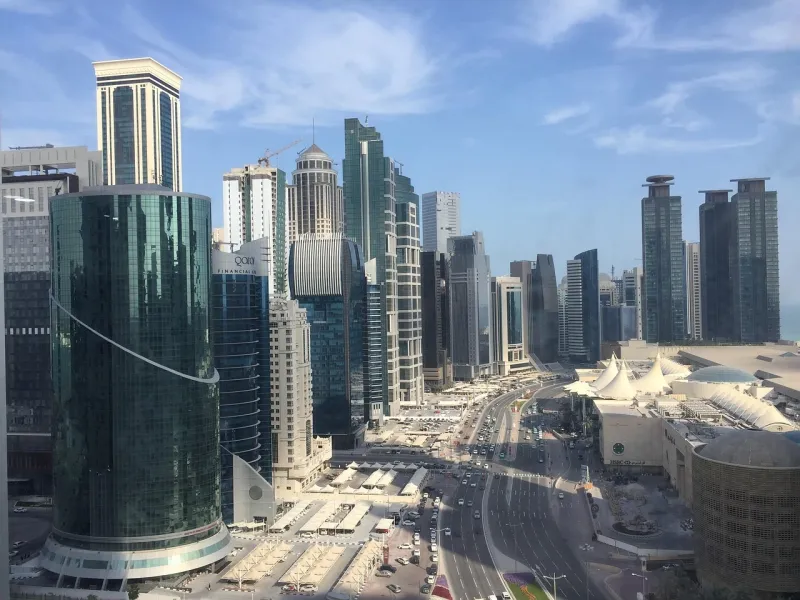
Doha
West Bay towers along one side of the Corniche and the Museum of Islamic Art on its own spit at the other, with Souq Waqif still trading in between. The capital has a guide of its own on this site rather than a paragraph here: see Doha.
-
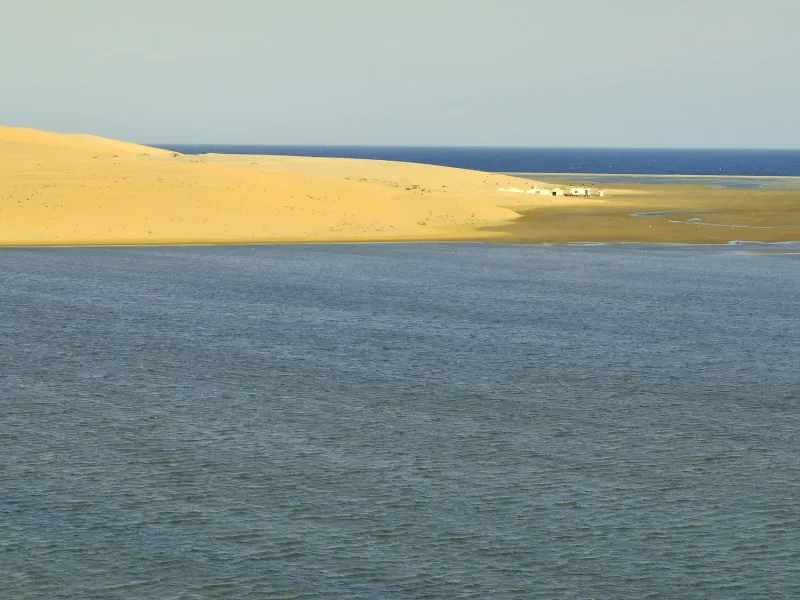
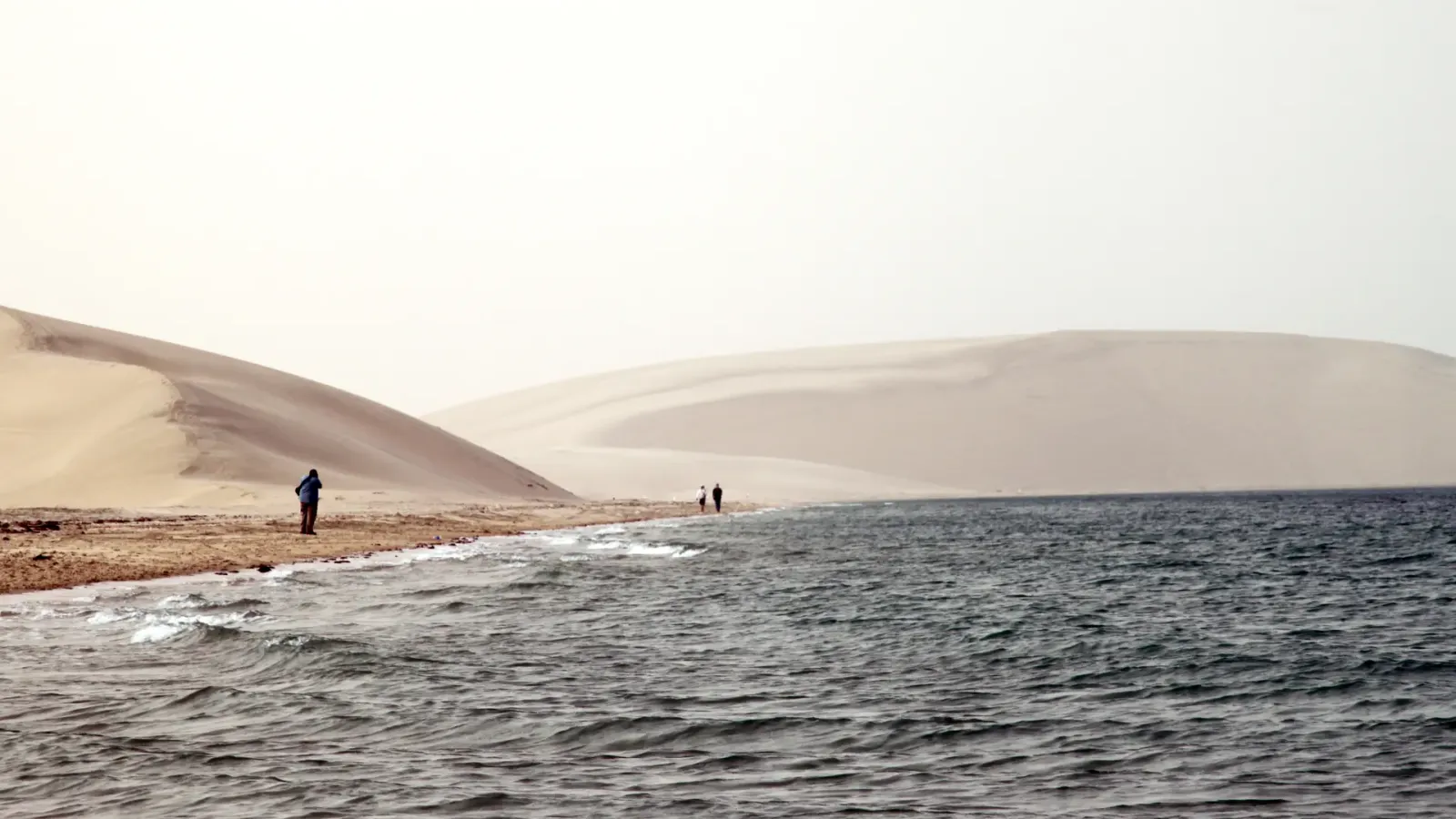
Khor Al Adaid, the Inland Sea
A tidal arm of the Gulf in the far south, reached across open dune country, where the sand runs straight down into salt water. It is not an inscribed site and we say so on its own page. See the Khor Al Adaid guide.
-
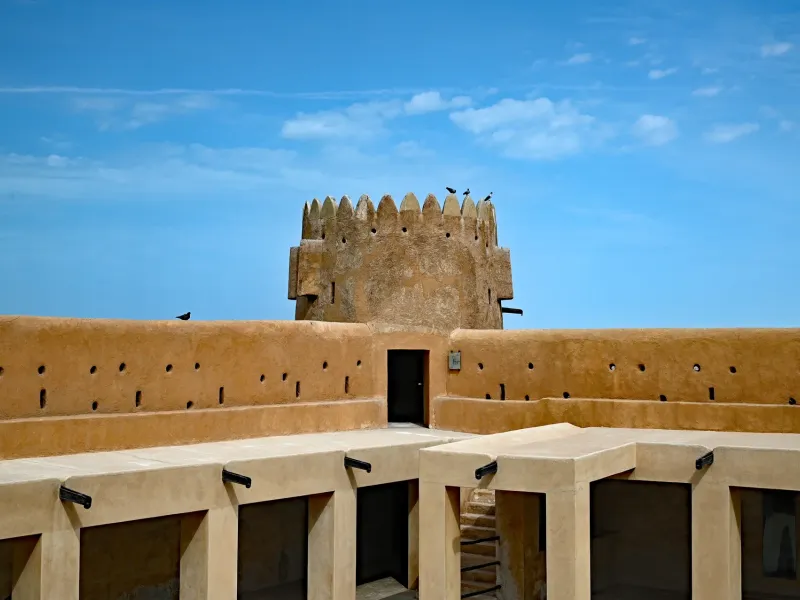
Al Zubarah
Qatar's only World Heritage property, inscribed in 2013: an eighteenth century pearling and trading town that was abandoned and covered by sand, which is exactly why its street plan survives. See the Al Zubarah guide.
-
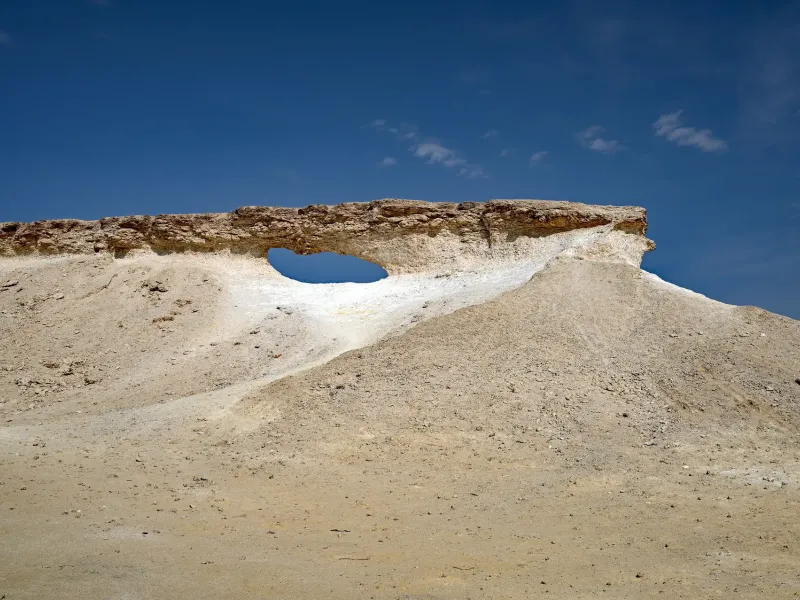
The Zekreet peninsula
Wind eroded limestone standing off a flat desert floor on the west coast, with no shade and no shelter anywhere on it. Go in the cool months and carry water: see best time to visit and the packing list.
-
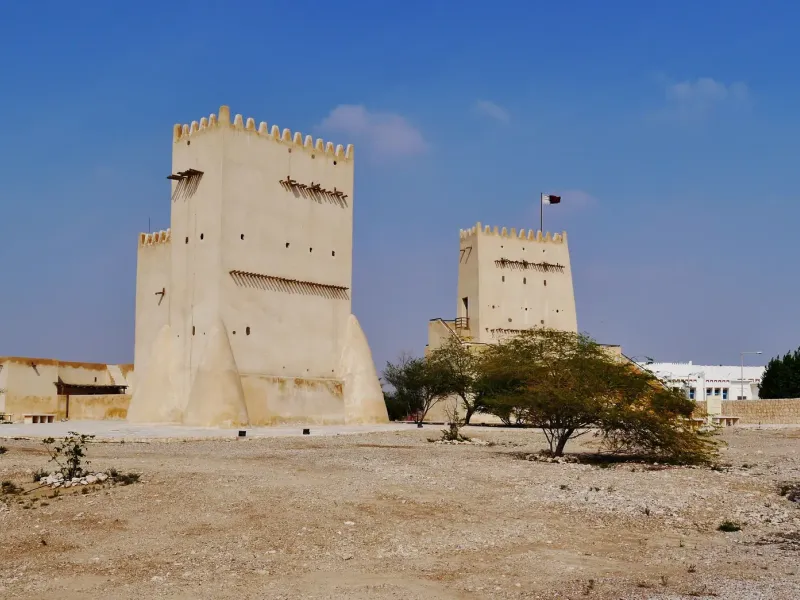
The Barzan Towers
Two pale watchtowers above Umm Salal Mohammed, north of the capital, built to watch the water channels below them. Not inscribed, and worth an hour of a cool morning. See the Barzan Towers guide.
-
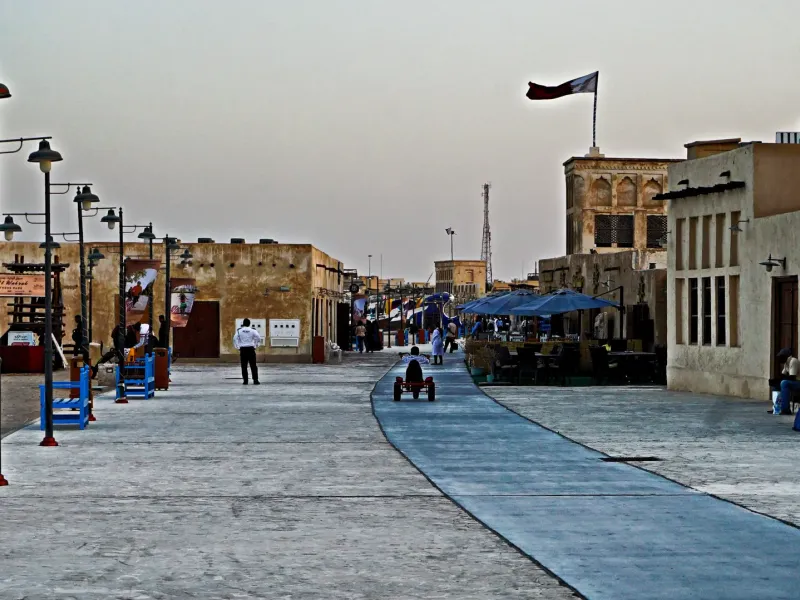
Al Wakrah and the pearling coast
A rebuilt coral stone souq on the waterfront south of the capital, on the site of one of the pearling towns the country ran on before oil. See the food guide and culture and etiquette.
The guide
Explore Qatar by Interest
Planning
Food and Culture
Heritage and History
Traveler Resources
Before you go
Planning
a trip to Qatar
-
Best Time to Visit Qatar
November to March, and we will tell you plainly that this is an editorial recommendation rather than a sourced figure. What is sourced is the reason: the heritage sites, the inland sea and the Zekreet peninsula are open ground with no shade at all. See best time to visit and the weather guide.
-
Entry, Money and Getting Around
A great many nationalities are issued a 30 day visa waiver on arrival, and your passport must be valid six months from the day you land rather than the day you booked. Health insurance from an approved provider is a requirement rather than a suggestion, at 50 riyals per person per month. See visa and entry requirements, currency and money and getting around.
-
Before You Book
There is no territorial travel advisory for Qatar at all, and no regional risks page for it. What needs attention is the law rather than the map: alcohol only in licensed venues, photography of people only with their consent, and prescription medication checked before you fly. It is all on the travel safety guide.
Signature experiences
Signature
Qatar experiences
-
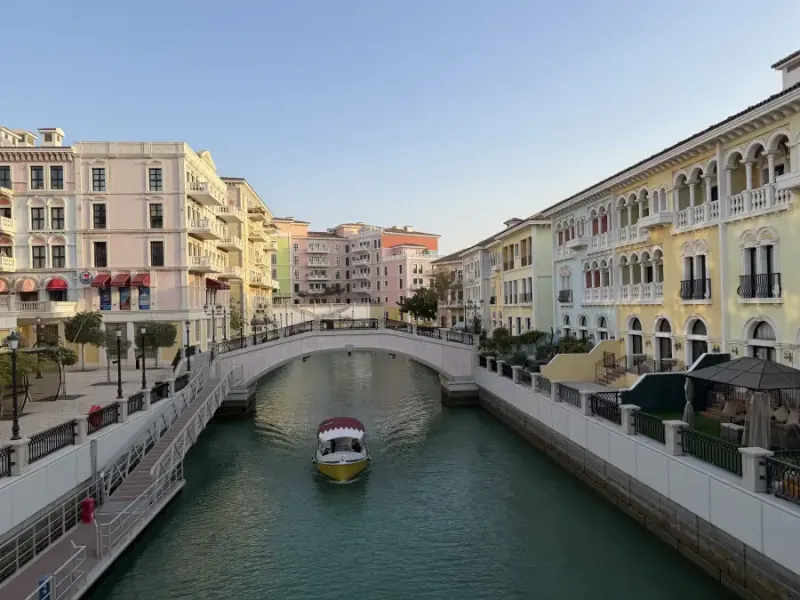
Machboos, karak and eating late
Spiced rice under slow cooked meat or fish, and karak tea handed through a hatch at almost any hour. Restaurants run late because the heat decides the shape of the day, and whole districts of the capital exist to be walked after dark. Start with the food guide.
-
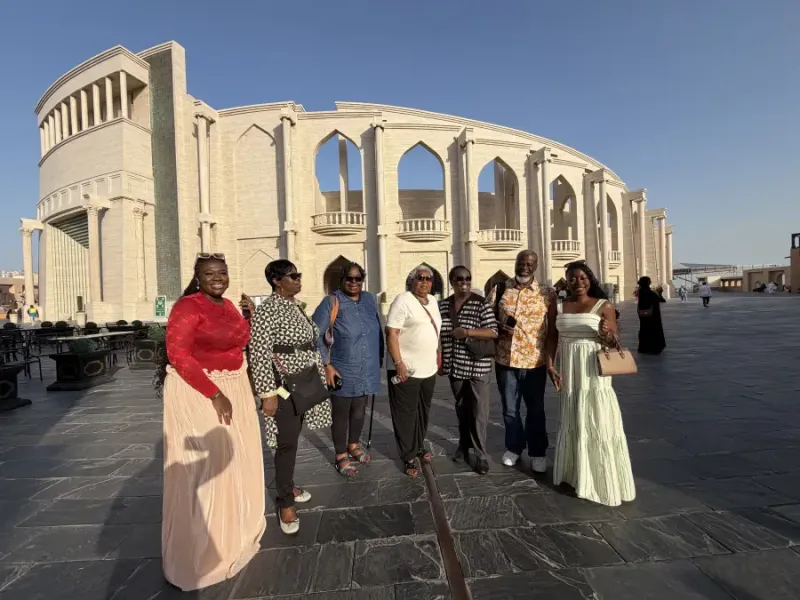
A calendar that moves
Ramadan and the two Eids run on the lunar year and arrive about eleven days earlier against your own calendar each year, which is why we plan around them rather than print them. National Day in December does not move. See festivals and celebrations.
-
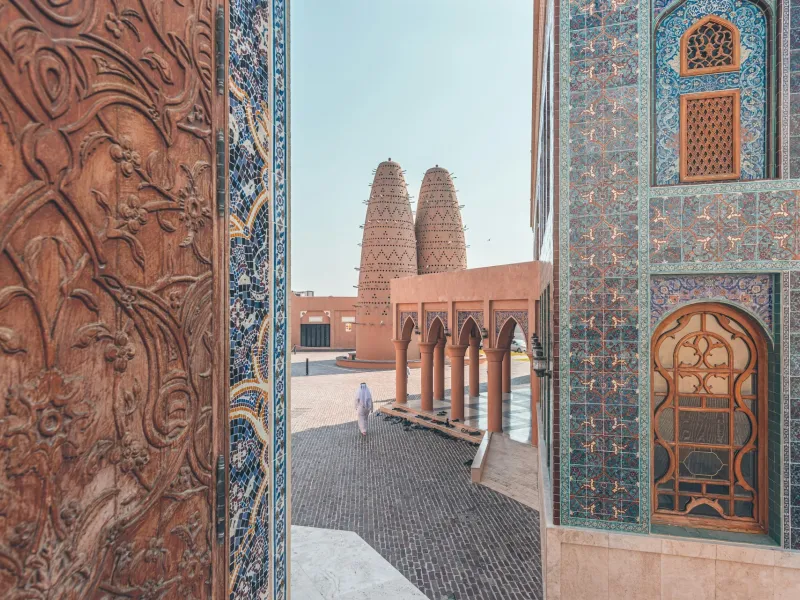
The majlis, coffee and how to be a guest
Arabic coffee poured from a long spouted dallah into a small cup you shake gently to signal you have had enough. Greet before anything else happens, accept the first cup, and wear loose clothing covering the shoulders and knees, for men as well as women. See culture and etiquette.
Why choose LABUSA Travel for Qatar
There is no restricted area, and we will say so plainly
Some destinations need a careful sentence about where the line falls. Qatar does not have one, and an operator who implies otherwise to sound thorough is misdescribing the country. We say there is no territorial advisory, and then we spend the space on the laws, which is where a visitor to Qatar actually gets into difficulty.
Two dull rules decide whether you board
Your passport must be valid six months from the day you arrive rather than the day you booked, and health insurance from a provider approved by Qatar is a requirement rather than a recommendation. Neither is interesting and both are ours to watch.
The country and the capital are two guides, not one
Doha has seventeen pages of its own on this site covering the airport, the neighbourhoods, city prices and city transport. This guide carries the entry rules, the national law, the money and the calendar. You should never have to read the same fact twice in two places and find it worded differently.
Common questions
Qatar Travel FAQs
- Do I need a visa for Qatar?
- For a great many nationalities, no visa in advance. You can get a tourist visa on arrival if you are travelling on a full British Citizen passport. The waiver runs for 30 days and can be extended before it expires through the Qatar Ministry of Interior. Entry terms differ by passport, so confirm your own rather than assuming this transfers.
- How long does my passport need to be valid?
- At least six months from the date you arrive. Not from the date you booked and not from the date you leave. This is the single most common reason a traveller is turned back at check-in for a Gulf destination, and it is entirely avoidable.
- Is health insurance really mandatory?
- Yes. Visitors need health insurance from a provider approved by Qatar, and the standard premium is 50 riyals per person per month. It is a requirement rather than a recommendation, it is separate from any travel insurance you already hold, and it should be arranged before you fly.
- Is Qatar safe to visit?
- There is no territorial travel advisory for Qatar at all. The British government does not advise against travel to any part of the country, and there is no regional risks page for it. What needs attention is the law rather than the geography: alcohol licensing, photography consent, medication and relationships outside marriage.
- Can I drink alcohol in Qatar?
- Only in licensed hotels, restaurants and bars, which is neither the free availability some visitors expect nor the outright ban others assume. Residents obtain alcohol on a permit system. Being drunk in a public place can bring a prison sentence of up to six months or a fine of up to 3,000 riyals.
- Can I take photographs?
- Of places, freely. Of people, only with their consent. Photographing people without their consent can lead to imprisonment or a fine of up to 100,000 riyals, and it applies in markets and public spaces rather than only around government buildings. Avoid photographing government and military sites altogether.
- What about my prescription medication?
- Check it before you fly. Some medications that are legal in other countries are illegal in Qatar, and there is zero tolerance for drugs offences. Transit passengers found with even residual amounts may be arrested, which applies to people who never intended to leave the airport. Carry everything in its original packaging with the prescription.
- When is the best time to visit Qatar?
- November to March. Warm dry days, cool evenings, and the outdoor sites usable through the daylight. Outside that window the heat stops being a discomfort and starts deciding the itinerary, because the heritage sites and the desert have no shade at all.
- How many World Heritage Sites does Qatar have?
- One. Al Zubarah Archaeological Site, inscribed in 2013, an eighteenth century pearling and trading town that was abandoned and covered by sand, which is exactly why its street plan survives. The other heritage places in this guide, Khor Al Adaid and the Barzan Towers, are significant but are not inscribed, and we say so on their own pages.
- What should I wear?
- Loose, light clothing covering shoulders and knees in public, for men as well as women. Swimwear belongs at the pool and the beach. A scarf is useful for women to carry for religious sites. Restaurants here dress up more than most visitors expect, so bring one smarter set.