
Why visit
Why visit Dominican Republic?
The Dominican Republic offers stunning coastlines, lush mountains, and vibrant cities, but its deeper appeal lies in cultural identity. In Santo Domingo, the oldest European settlement in the Americas, stone streets recall the island’s colonial beginnings, while Afro-Dominican communities preserve traditions rooted in resistance. Festivals like Carnival bring ancestral masquerades to life, blending African, Taíno, and Spanish influences. Whether exploring heritage sites, enjoying Afro-Caribbean cuisine, or joining a street celebration, travelers experience a living dialogue between past and present.
Top places to visit
Popular Attractions
in Dominican Republic
-
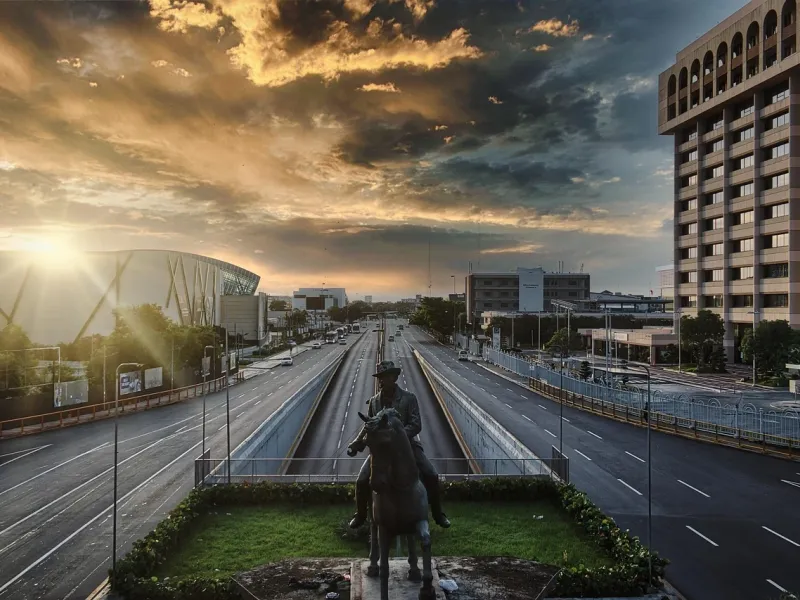
Santo Domingo’s Colonial Zone: UNESCO Living History
Walk through cobblestone streets lined with 16th-century architecture, churches, and plazas. While colonial structures dominate, guided tours highlight the untold stories of Afro-Dominican communities who shaped the city’s soul.
-
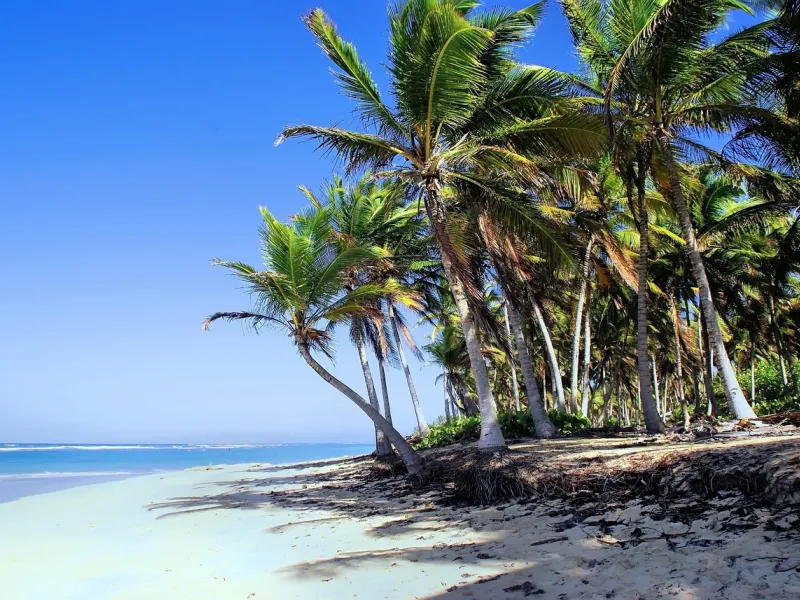
Palenques: The First Free Communities
Outside the cities, visit areas where enslaved Africans escaped and formed self-sustaining maroon societies. These spaces preserve traditions of music, healing, and resistance that continue to inspire.
-
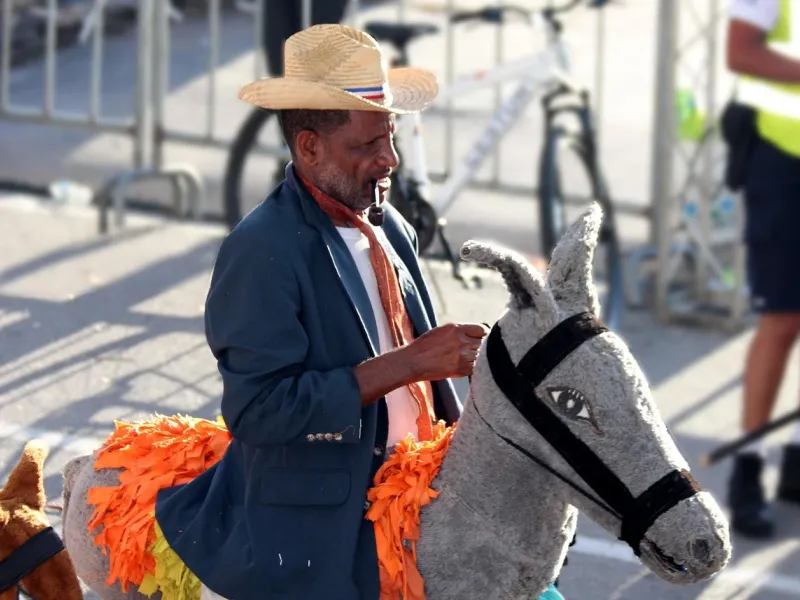
Carnival in La Vega: Masks and Memory
The DR’s most famous Carnival blends Indigenous, African, and European elements into a dazzling celebration. With masks, dance, and drumbeats, Carnival is both spectacle and survival story.
The guide
Explore Dominican Republic by Interest
Planning
Food and Culture
Heritage and History
Traveler Resources
Deep Expertise
We partner with Afro-Dominican historians, artists, and cultural leaders to reveal the nation’s layered heritage. From maroon history tours to merengue workshops, LABUSA ensures authentic immersion.
Purpose-Driven Travel
Our itineraries invest in cultural preservation and local empowerment. Whether supporting Afro-Dominican artisans, visiting community cooperatives, or attending heritage festivals, your journey strengthens cultural pride.
Affordable Luxury & Authentic Moments
Stay in boutique colonial inns, eco-lodges in the mountains, or seaside resorts near Afro-Dominican communities. LABUSA curates accommodations that balance comfort with culture, ensuring every moment tells a story.
Common questions
Dominican Republic Travel FAQs
- Do I need a visa to visit the Dominican Republic?
- This site cannot answer that for your passport, and it would rather say so than guess. The Dominican Republic publishes its own entry rules through its immigration authority, and that authority does not answer requests from the system this cluster was researched on, so the rules quoted here come from the UK Foreign, Commonwealth and Development Office and describe what British passport holders may do: tourism without a visa for 30 days, with a passport that remains valid for the duration of the visit. Note that this is a shorter passport rule than the six months beyond departure many countries impose. Whatever passport you hold, check it with your airline or a Dominican consulate before you book anything that cannot be changed, and complete the electronic entry form, which carries your customs declaration, within the seven days before you travel.
- What is the emergency number in the Dominican Republic?
- In Santo Domingo, call 911 and ask for an ambulance. Outside the capital the position is different and it matters: the official advice records that the 911 number does not have full coverage across the country, and gives the tourist police, Politur, on +1 809 200 3500 for an emergency elsewhere. Those two numbers are the only ones this cluster has a source for and the only ones it publishes. Confirm the current local numbers with your accommodation when you arrive.
- Is the Dominican Republic safe for visitors?
- The official advice is specific rather than reassuring, and the specifics are worth reading. It records that the crime rate is high, that incidents range from opportunistic bag snatching and pickpocketing through to violent crime and carjacking, and that bank card cloning and identity theft are a risk. It also records that assaults against foreigners have occurred including at beach resorts. That last clause is the one most guides drop, and dropping it changes the meaning: the source does not exempt resorts. None of this makes a visit unwise, and millions of people travel here every year without incident. It makes the ordinary precautions worth actually taking rather than reading past.
- Do I need malaria tablets for the Dominican Republic?
- That is a question for a doctor, and it is one to ask several weeks before you fly. The CDC recommends that travelers going to certain areas of the Dominican Republic take prescription medicine to prevent malaria, and it names those areas as Azua, Elias Pina, La Altagracia, San Juan and Santo Domingo, adding in its own words that they include resort areas. La Altagracia is the province that contains Punta Cana, so this is not a caution about remote corners of the country. Which medicine is right for you, and whether you need one at all, depends on where you are going and on your own history, and because some courses begin days before departure the conversation belongs well ahead of the flight rather than the week of it.
- What currency does the Dominican Republic use?
- The Dominican peso, written RD$. You will not find an exchange rate on this site, because a rate dates a page the day it is written and a number that is out of date is worse than no number; check the rate on the day with your own bank. You will also not find a confident claim about whether US dollars are accepted, because the only source that states it is one this cluster cannot cite in a form a reader could verify. The practical advice is simpler than either: assume you need pesos, carry small denominations, and treat anything else as a bonus. Inside a resort you can generally live on cards. A colmado, a guagua, a market and most small kitchens run on cash.
- How many World Heritage sites are in the Dominican Republic?
- One. The Colonial City of Santo Domingo was inscribed on the World Heritage List in 1990, and it is the country's only inscribed property. That is worth stating plainly because guides to this region are often structured around three heritage sites per country. UNESCO records that after Columbus reached the island in 1492, Santo Domingo became the site of the first cathedral, hospital, customs house and university in the Americas, and that the town founded in 1498 was laid out on a grid pattern that became the model for almost every colonial town planner in the New World.
- When is the best time to visit the Dominican Republic?
- December through April is the drier, cooler and busier half of the year, and it is when the weather is most reliably what you came for. June through November is the Atlantic hurricane season: wetter afternoons, a small but real chance of a storm system, and in exchange lower prices, fewer people and a far greener landscape. Neither answer is wrong. If your dates cannot move, take insurance that covers disruption and watch a forecast rather than a brochure. One piece of preparation does not move with the season at all, which is the health conversation above.