Warm all year, which is the least useful thing to know
The Dominican Republic is tropical and the temperature does not vary the way a temperate country's does. Knowing that tells you almost nothing useful, because what changes here is rainfall, wind and altitude rather than the thermometer.
Two coasts that are not the same
The north coast, around Puerto Plata, Sosua and Cabarete, is the windier one. That wind is the reason Cabarete is a wind sports destination and the reason the sea there is rarely glassy. It also makes the heat more bearable and the afternoons less still.
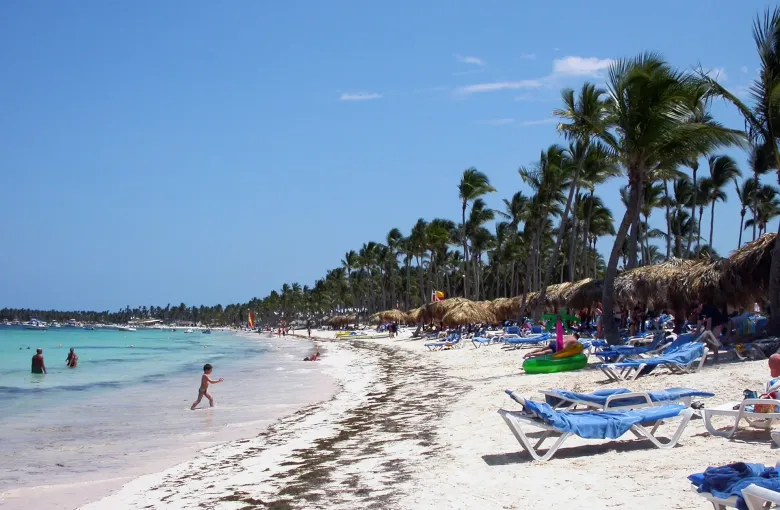
The south and east, around Punta Cana, Bayahibe and Santo Domingo, are calmer and generally drier. If your picture of the country is a flat turquoise sea and a line of palms, that picture was taken in the east.
Pick the coast for the holiday you want rather than for the flight that is cheapest. They are three or four hours apart by road and they are genuinely different places.
The interior, which is colder than anyone expects
Inland, the Cordillera Central rises high enough that the towns in it are cool rather than warm, and cold at night. Visitors who have packed only for a beach and then take a day trip into the mountains discover this at the worst possible moment.
If any part of your trip goes inland, pack a layer. One will do, and without it the day is uncomfortable.
The wetter half of the year
June through November is the Atlantic hurricane season and the wetter stretch generally. Rain here usually means a heavy afternoon hour rather than a gray week, but it means more of them, and it means a real if small chance of a storm system that changes your plans.
The practical response is not to avoid the season. It is to carry insurance that covers disruption, to keep a day of slack in an itinerary that has to connect, and to check a forecast rather than a brochure.
What this means for a bag
- Light clothing for everywhere, and one warm layer if you are going inland.
- Rain that arrives hard and briefly: a light shell beats an umbrella in wind.
- The north coast wind is constant enough to matter for hats and for anything loose.
Sources
- UK Foreign, Commonwealth and Development Office: Dominican Republic travel advice: the index to the entry, safety and health pages this cluster draws on. Accessed 18 September 2026.
Other Articles

The Best Time to Visit the Dominican Republic
Dominican Republic Packing List