
Why visit
Why visit Switzerland?
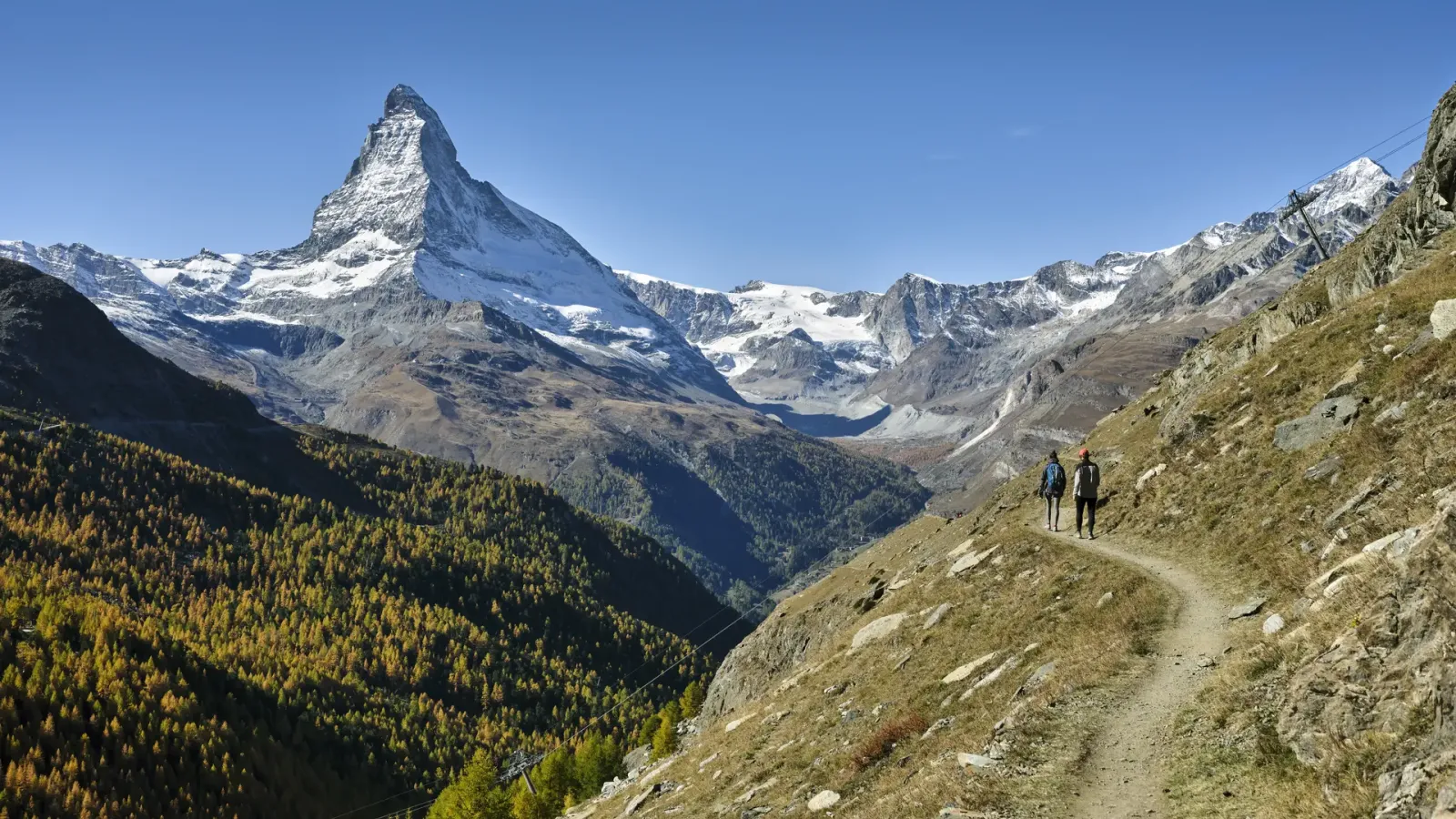
Switzerland holds thirteen World Heritage properties, nine cultural and four natural, and almost none of them is what a visitor expects. Zermatt, the Matterhorn, Lucerne, Lauterbrunnen and Geneva are on no list at all. What is inscribed is a mountain region the size of a small country, a capital city's old quarter, and a vineyard hillside farmed the same way for a thousand years. Go to the famous places, by all means. Just do not book them as heritage, because the country's own record says something more interesting than the postcard does.
Three of the thirteen carry this guide, and choosing three is an editorial decision rather than a ranking. Swiss Alps Jungfrau-Aletsch was inscribed in 2001 and extended in 2007, taking it to 82,400 hectares: the most glaciated part of the Alps, the largest glacier in Eurasia, and a property UNESCO inscribed partly for the information it holds about the formation of mountains and about ongoing climate change. The Old City of Berne followed a different logic in 1983, listed under one criterion alone for a planning idea carried out over eight centuries across 91.86 hectares. And Lavaux, Vineyard Terraces, inscribed in 2007, is 898 hectares of terracing built to optimize a slope, and inscribed for the work rather than the view.
One fact governs the practical half of a Swiss trip and it is the one most often got wrong. Switzerland is in the Schengen area and is not in the European Union. So the two passport tests and the ninety days in any one hundred and eighty are the same as its neighbors', counted across the whole area rather than against Switzerland alone, while the currency is the Swiss franc, the EU cash declaration threshold is not a Swiss rule and does not appear on the Swiss entry page, and driving in from Germany, France, Italy or Austria crosses a customs border as well as a Schengen one. Swiss allowances are their own and are enforced.
The other Swiss specific is the mountains, and it is the one place on this site where being vague would be irresponsible. The travel advisory records eight alpine hazards that exist throughout the year, says off-piste skiing is very dangerous because of avalanche risk, and notes that visitors to the Swiss Alps have been hospitalized or have died. An ordinary travel policy frequently excludes exactly what you would need: mountain rescue services, helicopter costs, and repatriation or transfer to a neighboring country. Check those three items by name. Our travel safety guide sets out all of it, including the altitude-sickness areas the advisory names and why a cable car is the reason altitude catches people here.
Top places to visit
Popular Attractions
in Switzerland
-
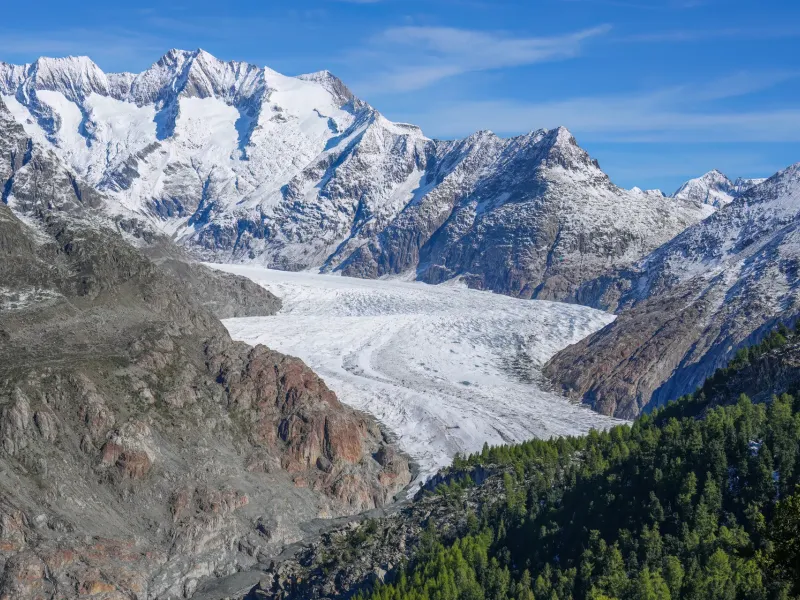
Swiss Alps Jungfrau-Aletsch
Inscribed in 2001 and extended in 2007 to 82,400 hectares, this is the most glaciated part of the Alps and holds the largest glacier in Eurasia. Neither the Jungfrau nor the Aletsch Glacier is inscribed on its own: the property is the mountain region they sit in, and UNESCO named the record it keeps of its own glacier retreat among the reasons. See the Jungfrau-Aletsch guide.
-
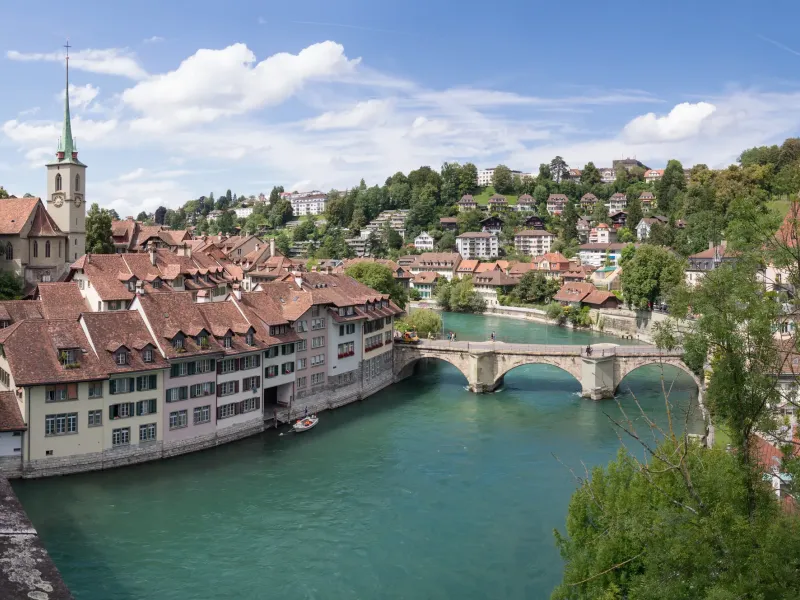
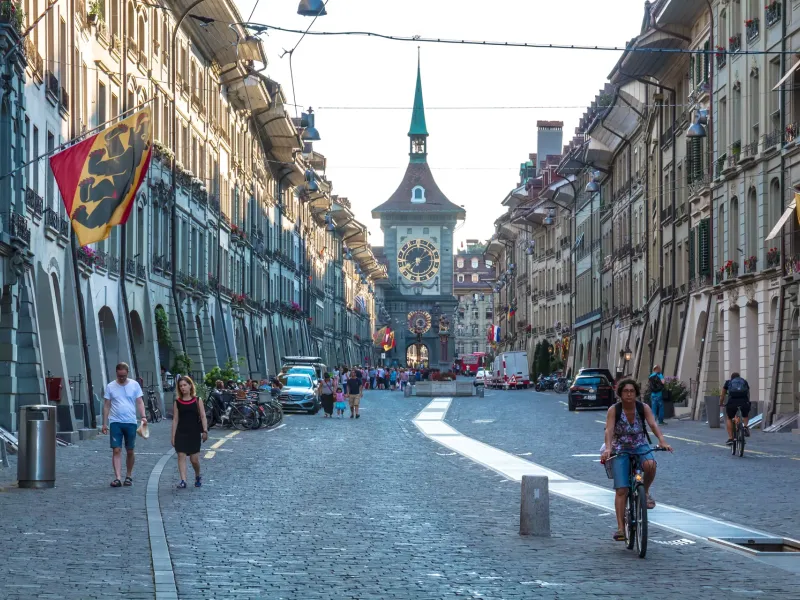
The Old City of Berne
Inscribed in 1983 on one criterion alone, and it is the oldest inscription in any cluster this program has built. What is listed is 91.86 hectares inside a bend of the Aare, for a city founded in the twelfth century that developed in line with an exceptionally coherent planning concept and kept it. Kilometers of arcades, in daily use. See the Old City of Berne guide.
-
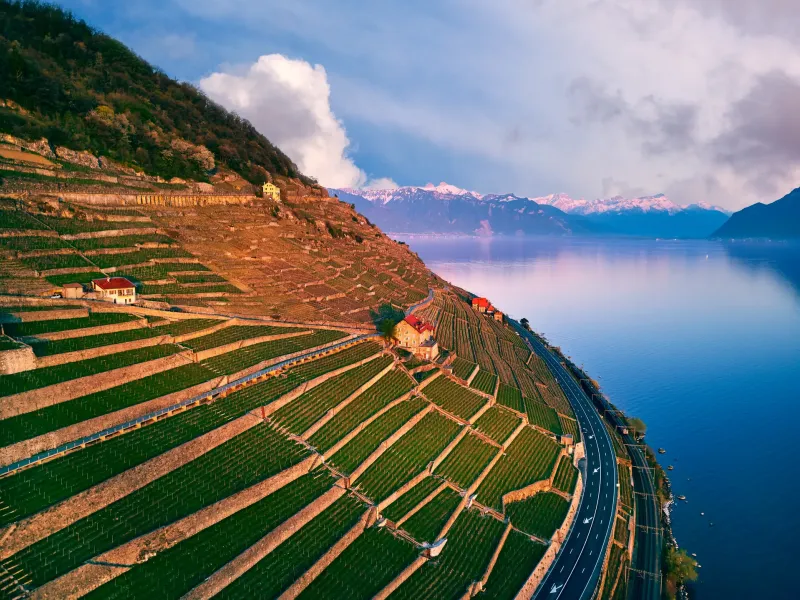
Lavaux, Vineyard Terraces
Thirty kilometers of stone terraces above Lake Geneva, inscribed in 2007 for the farming rather than the view: 898 hectares of slope worked continuously since Benedictine and Cistercian monasteries laid it out in the eleventh century. Reachable by train, and walkable between villages. See the Lavaux guide.
-
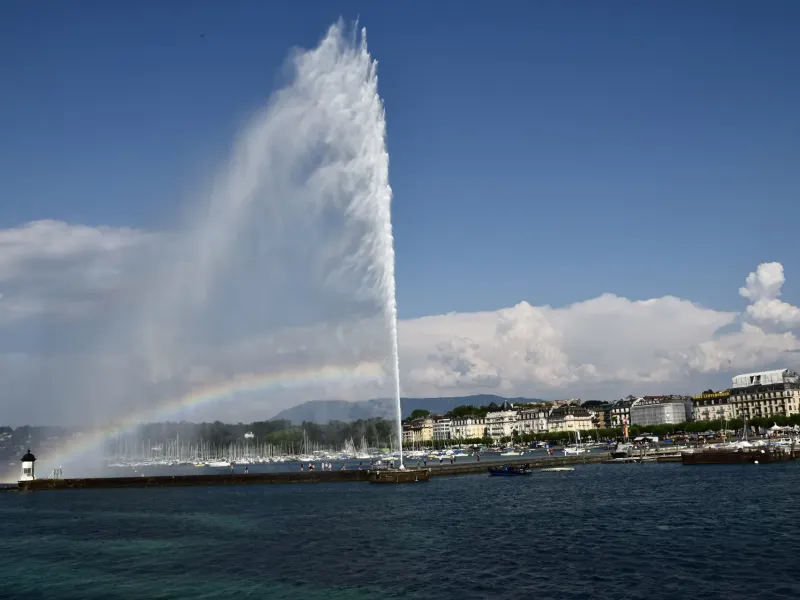
Zermatt, the Matterhorn, Lucerne and Lauterbrunnen
The places most visitors come to Switzerland for, and not one of them is inscribed. That is worth knowing in both directions: go to all of them, and do not book them as a heritage trip. Thirteen Swiss properties are on the World Heritage List and these are on none of them. See when to visit for what each season opens and closes.
-
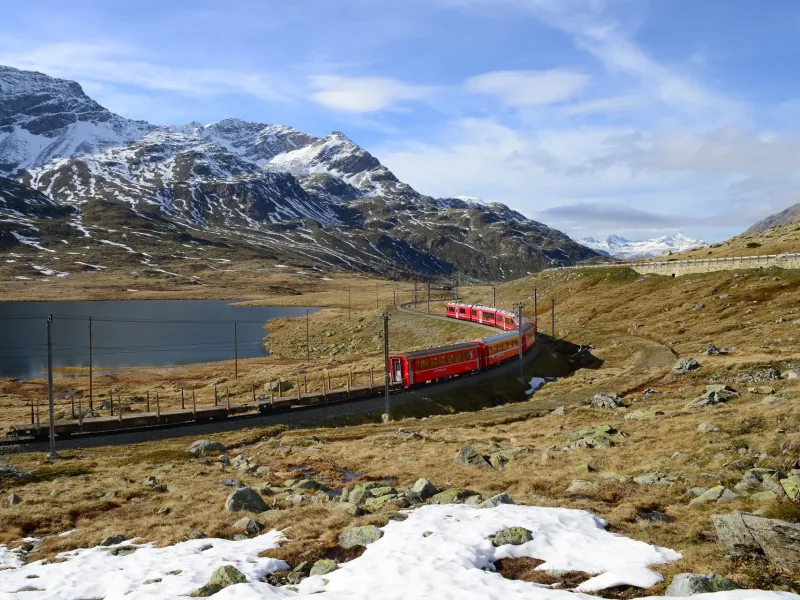
A country you can cross sitting down
The railway is the reason this country works as a trip. Cog railways, cable cars, funiculars, postbuses and lake boats are one timetabled system, so a single base can reach a different valley every day and the mountains are reachable without climbing anything. See getting around Switzerland.
-
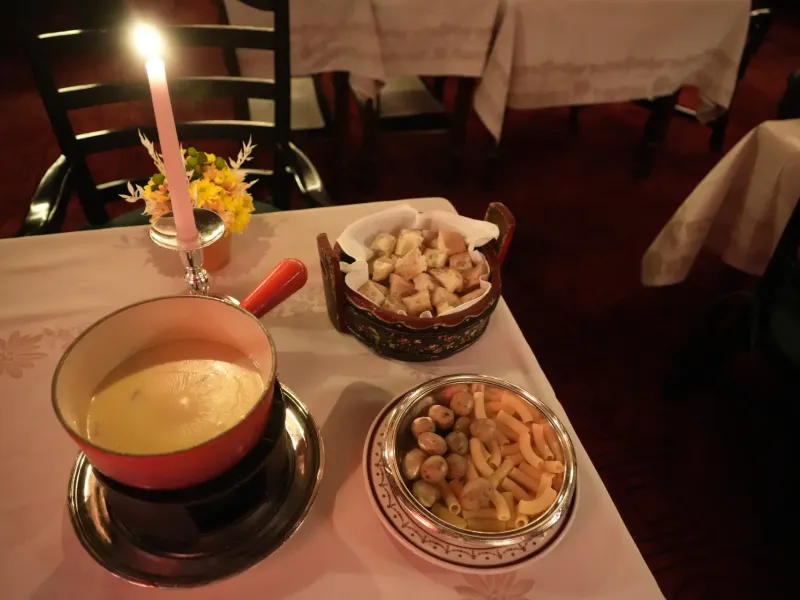
Fondue, raclette and cheese that names its valley
Swiss food is mountain food: cattle to high pasture in summer, milk that cannot travel, and therefore cheese, which can. Fondue and raclette are the communal end of it and the valleys are the interesting end, with a cheese that names the place it came from. See our food guide.
The guide
Explore Switzerland by Interest
Planning
Food and Culture
Heritage and History
Traveler Resources
Before you go
Planning
a trip to Switzerland
-
Best Time to Visit Switzerland
Late June through September for the mountains on foot, and December through March for the snow, and we say plainly that those are two different trips. The shoulder weeks between them are cheap because the mountain is shut: lifts and cog railways close between seasons, so check the specific operator before you book. See the best time to visit guide and the weather guide.
-
Entry, Money and the EU Question
Switzerland is in the Schengen area and not in the European Union, so the passport tests and the 90 day allowance are its neighbors' and the customs and currency rules are not. The currency is the Swiss franc, there is no EU cash threshold here, and you may be asked to show around 100 Swiss francs a day. See visa and entry requirements and money in Switzerland.
-
Before You Book
Two things to settle in advance, because the risk in this country is in the mountains rather than the cities. Check your policy for mountain rescue, helicopter costs and repatriation, which an ordinary travel policy frequently excludes. And know that off-piste skiing is very dangerous because of avalanche risk, whatever the conditions look like. Both are on the travel safety guide.
Signature experiences
Signature
Switzerland experiences
-
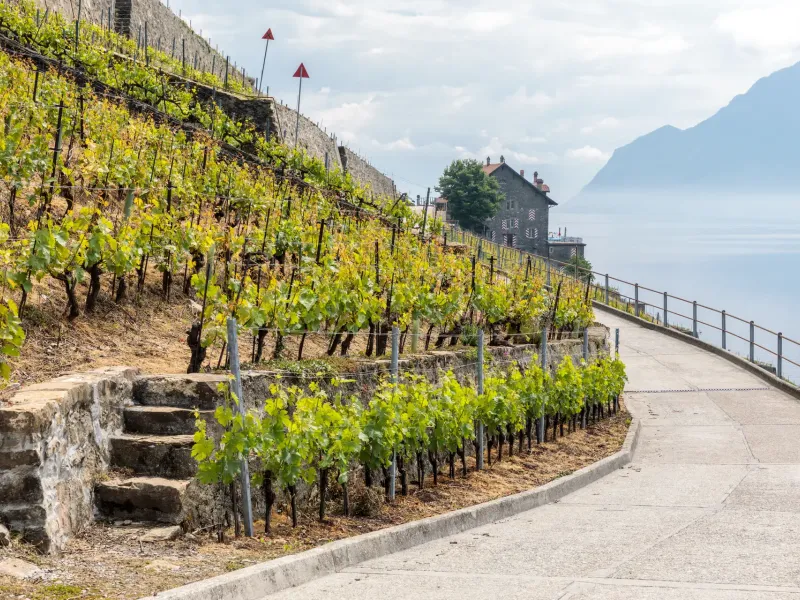
A walk between two villages, through the terraces
Lavaux is best walked rather than viewed: paths run along and between the terraces between Lausanne and Montreux, with small stations among the vines and cellars that pour. Very little Swiss wine is exported, so a Chasselas here is something you cannot easily drink at home. See the Lavaux guide.
-
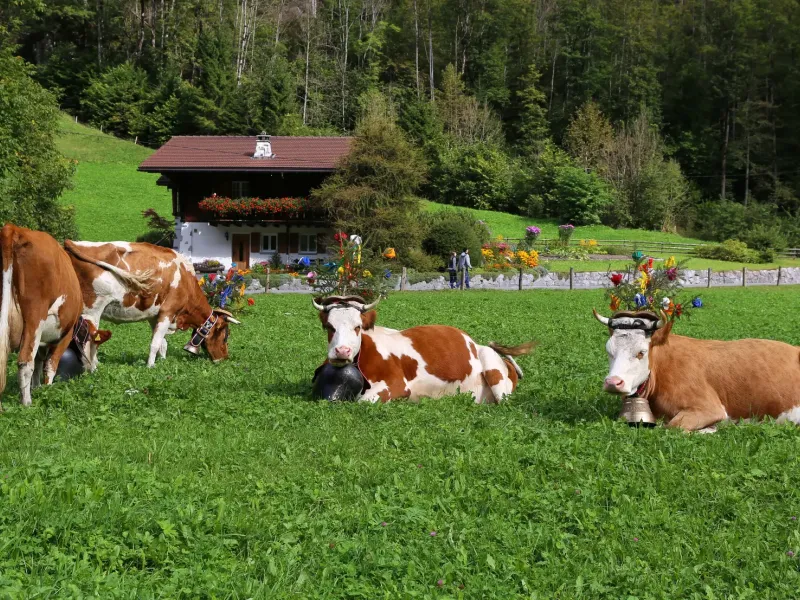
Cattle coming down from the alp, on a date nobody can give you
The Alpabzug is the most characteristic event in the Swiss year and it cannot be dated, because it happens when the grass and the weather say so. Flower headdresses, heavy bells and a whole village out to watch. Ask locally in the week you are there. See festivals and celebrations.
-
A commune of origin, and the register that names your family
Swiss ancestry research turns on one idea with no equivalent elsewhere: the commune of origin, the place a family legally belongs to whether or not anybody has lived there for generations. Find it and the records follow, in a cantonal archive or in Berne. See Swiss roots and family history travel.
LABUSA Travel plans group and private travel to Switzerland for travelers who want the country rather than the poster: the trains and the boats rather than a car, one valley a day from a single base, an arcade in the rain, a terrace walk with a glass of something barely exported, the commune a family came from, and the three World Heritage properties this guide covers in detail. We will tell you when a season is wrong for what you want, and we publish the closures, the insurance clause and the things that cannot be dated rather than working around them.
Tell us what the trip is for and we will build it in the order that works.
Common questions
Switzerland Travel FAQs
- Do I need a visa to visit Switzerland?
- Switzerland follows Schengen area rules, so many nationalities can visit without a visa for up to 90 days in any 180 day period. The allowance belongs to the whole Schengen area rather than to Switzerland: time spent in any other Schengen country in the previous 180 days counts against it, which matters here because Switzerland borders four of them. Your passport must have a date of issue less than ten years before you arrive and an expiry date at least three months after you plan to leave, and it has to satisfy both tests rather than either. Switzerland then adds its own checks that the others do not emphasize: you may be asked at the border to show proof of accommodation, travel insurance, an onward or return ticket, and enough money for your stay, which the entry page puts at around 100 Swiss francs a day.
- Is Switzerland in the European Union?
- No, and this is the fact most often got wrong about the country. Switzerland is in the Schengen area and is not in the European Union, so the passport rules and the ninety day allowance are the same as its neighbors while the customs and currency rules are not. Three consequences a visitor meets: the currency is the Swiss franc rather than the euro, the EU cash declaration threshold is not a Swiss rule and does not appear on the Swiss entry page, and the EU restriction on carrying animal products does not apply here either. You are crossing a customs border as well as a Schengen one, and Swiss allowances are their own. Check them with the Swiss customs administration rather than assuming an EU rule travels.
- What currency does Switzerland use?
- The Swiss franc. Cards are widely accepted and the country is largely cashless in daily life, so a card plus a modest amount of cash is the usual arrangement. Some shops near a border will take euros and give you change in francs, at a rate they choose, so it is a convenience rather than a saving. There is no EU cash declaration threshold here because Switzerland is not an EU country; the Swiss entry page states no cash figure at all, and we publish none. Nothing we read for this guide publishes a fare, a lift pass or a meal price, so we publish no prices either.
- Is there an advisory against travel to Switzerland?
- There is no advice against travel to any part of the country. The terrorism assessment recorded by the UK Foreign, Commonwealth and Development Office is that attacks cannot be ruled out, which is a weaker assessment than the one it records for Germany or the Netherlands, and borrowing a neighbor's wording would overstate it. The crime picture is ordinary: petty theft, with Geneva airport and the trains to and from Geneva named specifically, and theft from cars and from hotel rooms. The serious risks in this country are in the mountains rather than in the cities.
- Is it safe to ski off-piste in Switzerland?
- No. The advisory is blunt about it: off-piste skiing is very dangerous because of avalanche risk, and visitors to the Swiss Alps have been hospitalized or have died. If you go beyond the marked runs, go with a qualified local guide, carry an avalanche beeper and know how to use it, check the avalanche and weather forecasts, and be equipped for the worst case rather than the expected one. Eight alpine hazards are on the record for this country and they exist throughout the year, not just in winter: avalanches and snowdrifts, landslides and flooding, glacial crevasses and hollows, rockfalls, thunderstorms, altitude sickness, sun exposure and sudden weather changes.
- What insurance do I need for the mountains in Switzerland?
- Check your policy against three specific items before you travel, because an ordinary travel policy frequently excludes all of them: mountain rescue services, helicopter costs, and repatriation or transfer to a neighboring country for treatment. The advisory names those three for anyone skiing, mountaineering or doing anything a policy classes as particularly dangerous. Swiss healthcare is excellent and it is billed, so insurance rather than a public entitlement is the answer here. Carry the policy details rather than only the number, and contact your insurer quickly if you are referred for treatment. The emergency medical number is 112 or 144.
- Is cannabis legal in Switzerland?
- No, and this is where a reader arriving from the Netherlands is most likely to be wrong. The advisory records severe penalties for possessing, using or trafficking illegal drugs, including a long jail sentence and heavy fines, and it says this applies even when you are only transiting through a Swiss airport. The Dutch arrangement of tolerated use in designated premises has no Swiss equivalent. We publish no reading of Swiss drug law of our own; ask the Swiss authorities.
- Is it true that covering your face is illegal in Switzerland?
- In two cantons. In Ticino and St Gallen it is illegal to cover your face in public, including for religious reasons, and the fine runs from 100 to 10,000 Swiss francs. That is a cantonal law rather than a national one, and it is the clearest illustration of something this guide repeats: twenty six cantons make their own laws, so a rule that applies in one canton may not apply in the next. If your trip includes either canton, know the rule before you arrive.
- How many World Heritage sites does Switzerland have?
- Thirteen properties are inscribed on the World Heritage List, nine cultural and four natural. This guide carries three of them in detail: Swiss Alps Jungfrau-Aletsch, inscribed in 2001; the Old City of Berne, inscribed in 1983; and Lavaux, Vineyard Terraces, inscribed in 2007. Choosing three from thirteen is an editorial decision rather than a ranking, and the guides say which properties were left out and why. Several of the places visitors most associate with Switzerland are on no list at all, including Zermatt, the Matterhorn, Lucerne and Lauterbrunnen.
- Is the Jungfrau a World Heritage Site?
- Not on its own, and neither is the Aletsch Glacier. The inscribed property is Swiss Alps Jungfrau-Aletsch, and both are features inside it. It was inscribed in 2001 and extended east and west in 2007, taking it from 53,900 to 82,400 hectares, and it holds the most glaciated part of the Alps and the largest glacier in Eurasia. The reason it was inscribed is worth knowing before you go: as well as its beauty, UNESCO named the information it contains about the formation of mountains and glaciers and about ongoing climate change. The ground the ice has left is part of the scientific value, so the glacier you see is not the glacier in older photographs.
- Is the whole of Bern a World Heritage Site?
- No. What is inscribed is the Old City of Berne: 91.86 hectares inside a bend of the Aare, and not the rest of the capital. It was inscribed in 1983 under one criterion alone, and the reason is a claim about planning rather than about architecture. UNESCO records a city founded in the twelfth century that developed over the centuries in line with an exceptionally coherent planning concept, producing fifteenth-century arcades and sixteenth-century fountains, and notes that most of the medieval town was restored in the eighteenth century and has retained its original character. The arcades are the point: kilometers of covered shopping street, in daily use.
- Do I need vaccinations for Switzerland?
- No vaccination is required for entry, and the question worth asking is a different one. The US Centers for Disease Control and Prevention asks travelers to be up to date on all routine vaccines, notes the importance of measles vaccination, suggests considering hepatitis A, recommends hepatitis B for unvaccinated travelers younger than sixty, and recommends tick-borne encephalitis for anyone with extensive planned exposure to ticks, which a walking holiday here is. It also notes that the rabies vaccine is not readily available in Switzerland. Start that conversation at least eight weeks before you travel. The health risks the advisory names are biting insects and ticks, especially between April and October, and altitude sickness in named ski and hiking areas. The emergency medical number is 112 or 144.
- Should I worry about altitude in Switzerland?
- It is worth planning around, because the transport here makes it easy to get wrong. Altitude sickness is a risk in parts of Switzerland and the advisory names the areas, including the Matterhorn, Saas-Fee, St Moritz, Corvatsch, Engelberg-Titlis, Belalp-Blatten, Chandolin, Hohensaas, Lauchernalp and the 4 Vallées. A cable car can lift you two thousand meters in twenty minutes, which is far faster than a body acclimatizes, so go high on the second or third day rather than the first, do not go from a sea-level arrival to a high viewpoint the same day, and come down if you feel unwell rather than waiting to see. If you have a cardiac or respiratory condition, that is a question for your own doctor before you book.
- When is Swiss National Day, and when is the cattle descent?
- Swiss National Day is 1 August and it does not move. It is a quieter affair than visitors expect: bonfires, lanterns, a communal breakfast in some communes, and fireworks where the fire risk allows them. The autumn cattle descent, the Alpabzug, is the most characteristic event in the Swiss year and nobody can give you a date for it, because it happens when the grass and the weather say so. We publish no date for it anywhere on this site, and no date for carnival either, because carnival is tied to Easter. Ask locally in the week you are there, and treat the descent as a bonus rather than the reason for the trip.