
Why visit
Why visit El Salvador?
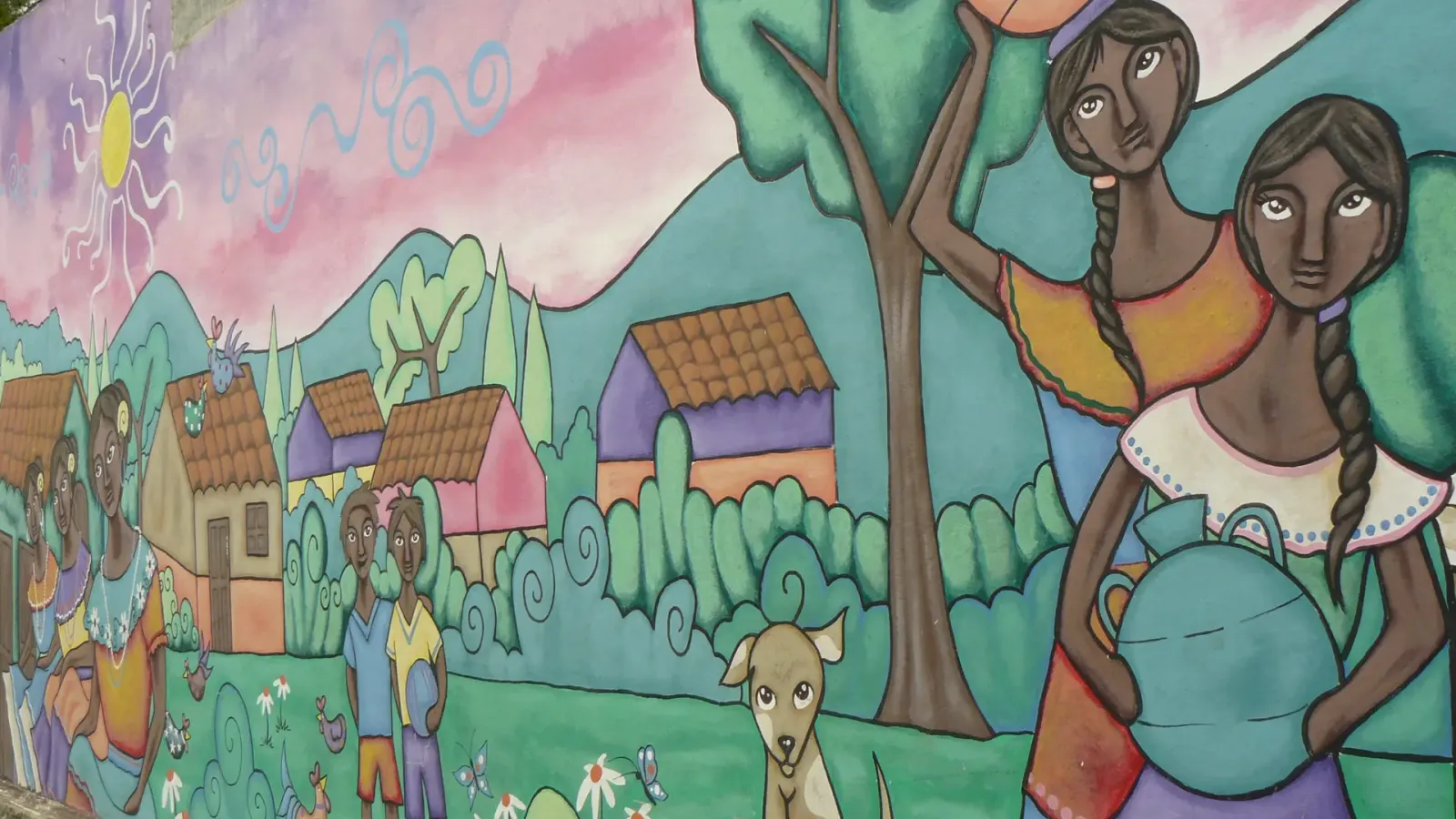
El Salvador offers surf in El Tunco, scenic volcano hikes, and historic towns like Suchitoto. Hidden within these coastal and inland landscapes is a lesser-known African history. While small, Afro-descendant communities and cultural researchers are reviving African-influenced music and oral traditions, particularly along the La Libertad coast. For diaspora travelers, El Salvador offers a quiet reawakening: a chance to engage with legacy in restoration.
Top places to visit
Popular Attractions
in El Salvador
-
Suchitoto: Colonial Charm and Cultural Soul
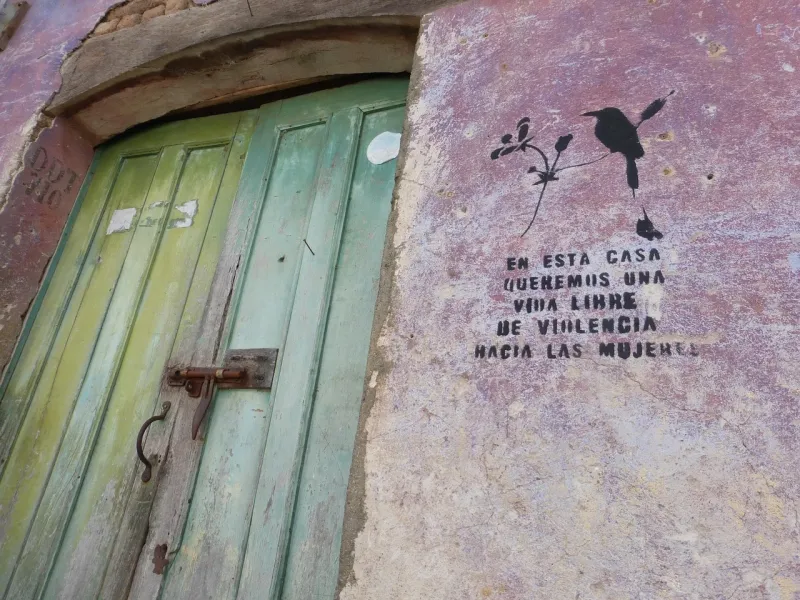
Suchitoto is a picturesque town perched above Lake Suchitlán, where cobblestone streets, whitewashed churches, and vibrant local arts converge. Once a key site during the civil conflict, it is now a beacon of cultural healing and creativity. Visit community-run art centers, participate in indigo dyeing workshops (a practice rooted in pre-Columbian and Afro-descendant traditions) and explore feminist and youth-led initiatives revitalizing the town through storytelling and enterprise.
-
El Tunco & the Pacific Surf Coast
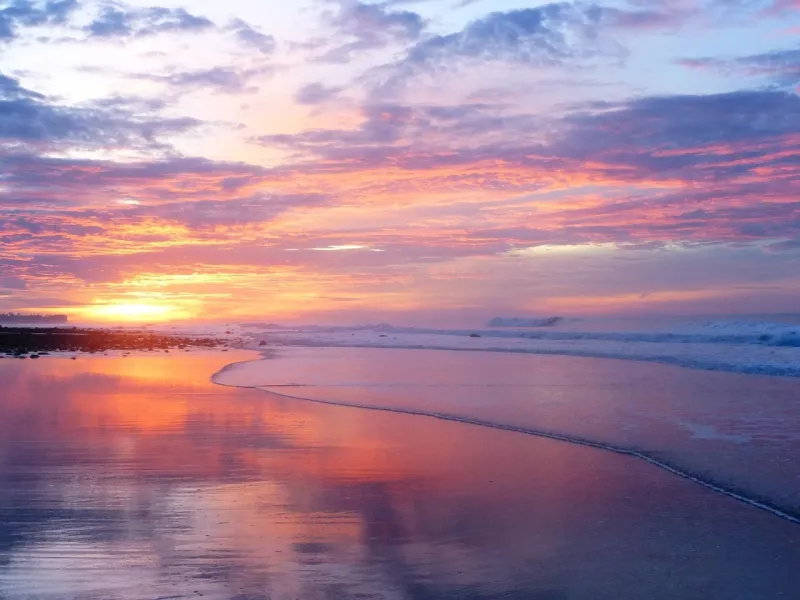
El Tunco is not just for surfers. It’s for seekers. This small but lively beach town is known for its epic waves, laid-back energy, and growing Afro-Latino cultural influence. Whether you're watching the sun set behind volcanic rock formations, dancing to live music under the stars, or connecting with Afro-descendant artists and entrepreneurs in the region, El Tunco offers both rest and revelation by the sea.
-
Ruta de las Flores
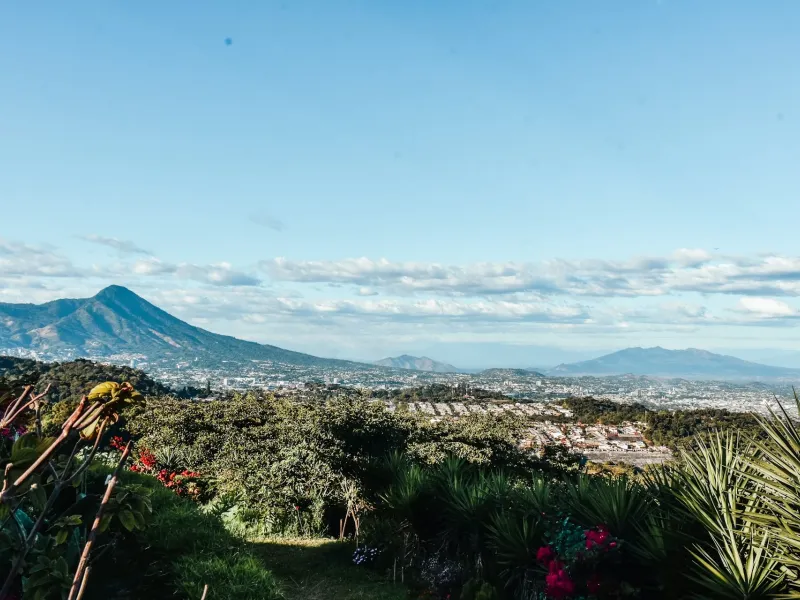
This scenic route through western El Salvador winds through mountain towns like Juayúa, Apaneca, and Ataco, each bursting with murals, markets, and floral beauty. Hike to waterfalls, visit organic coffee farms, and enjoy food festivals that bring Salvadoran heritage to your plate. Along the way, you’ll meet artisans and elders who preserve ancestral knowledge (from weaving to herbal healing) and deepen your understanding of the land’s indigenous and African fusion roots.
The guide
Explore El Salvador by Interest
Planning
Food and Culture
Heritage and History
Traveler Resources
Deep Expertise
LABUSA Travel works hand in hand with local change-makers (Afro-descendant leaders, Indigenous cooperatives, and social entrepreneurs) who shape your journey from the inside out. You’ll go beyond sightseeing into soul-seeing, discovering the truths that shape El Salvador’s vibrant present.
Purpose-Driven Travel
Whether you’re seeking beach relaxation, historical learning, or creative inspiration, our team crafts your itinerary to reflect your curiosity and care. We include meaningful, small-group encounters that elevate your travel from memorable to transformative.
Affordable Luxury & Authentic Moments
Our accommodations range from boutique colonial inns to eco-lodges and coastal retreats. Each stay is selected for comfort, location, and its commitment to sustainability and cultural inclusion, so that you rest in places that feel real, warm, and unforgettable.
Common questions
El Salvador Travel FAQs
- Do I need a visa to visit El Salvador?
- This site does not publish an answer for United States passport holders, because the source cached for this cluster was written for a different nationality and an allowance does not transfer between passports. Ask the Salvadoran consulate responsible for where you live, close to your travel date. What that source does record, and what is worth knowing whatever your passport, is that a visitor may travel for tourism or business for up to 180 days without a visa, and that the permission may be extended by contacting the General Directorate of Migration and Immigration. The same page records that cash or travelers checks worth 10,000 US dollars or more must be declared, and that a transit fee of 1,130 US dollars is payable by Indian nationals and by nationals of any African country passing through the country.
- How does the CA-4 clock actually work?
- It is a separate allowance from the 180 days, and confusing the two is the mistake that costs people money at a border. The CA-4 Agreement lets a traveler move between El Salvador, Guatemala and Nicaragua for up to 90 days, and the cited wording is unambiguous that the period starts on entry to any of them and does not restart when you cross an internal border. The agreement also includes Honduras, although the source notes that British nationals need a visa for it. So two weeks in Guatemala and two weeks in El Salvador leave you 62 days, not 76, and you count from your first entry stamp rather than from the Salvadoran one. The 180 day permission is national and sits outside all of that.
- What currency do I need, and what about bitcoin?
- El Salvador uses the US dollar, so for a traveler arriving from the United States there is no rate to check and nothing to convert. Bring small bills: the cited advice is to carry smaller denominations where possible and to change large notes at a bank, because small vendors often cannot break them. On bitcoin, this site publishes no legal position, because nothing it cites settles one. What the cited advice does say is practical and worth acting on: bitcoin may not be accepted everywhere, a visitor should make sure they can access US dollars, and regular and bitcoin cash machines are widely available, particularly in San Salvador and La Libertad. Plan on dollars and treat anything else as a bonus.
- Do I need a yellow fever vaccination for El Salvador?
- Almost certainly not. The CDC records that the vaccine is not recommended for travel to El Salvador and that it is not required for direct travel from the United States. The requirement that does exist is narrow and is about where you have come from rather than where you are going: a certificate is required of travelers aged one year and over who are arriving from a country with risk of transmission. Read the threshold carefully if you are connecting through South America, because that category includes an airport transit or layover of more than 12 hours in such a country, which is shorter than the equivalent threshold in several neighboring countries. Decide your route before your vaccinations and ask a travel health professional early.
- Is malaria a risk in El Salvador?
- The record cached for this cluster carries no malaria recommendation for El Salvador at all, which is a different shape from several of its neighbors and is the reason this page does not repeat their advice. It names no drug and no dose, and it does not tell you to take anything, because the source it relies on does not. That is not a reason to stop thinking about mosquitoes: dengue and chikungunya are carried by a daytime biting mosquito and no tablet covers either, so repellent, long sleeves at dusk and a room you can close up are worth the small trouble. If you want a considered answer for your own health and your own itinerary, a travel health professional is the person to ask.
- What is the state of exception, and does it affect a visitor?
- It is the single most important thing to understand before you arrive. A state of exception was declared in 2022 in response to a sharp rise in gang related murders, and the cited record is that it remains in place. Under it police hold additional powers, arrests are far more numerous and are sometimes made without much evidence, people may be detained for much longer before trial, and ordinary legal safeguards have been weakened or removed. For most visitors the practical consequence is undramatic and specific: carry identification, cooperate with police, know how to reach your own consulate, and do not assume that a process you would expect at home applies here. It is also why the country feels calmer to a visitor than its reputation suggests, and both of those things are true at once.
- Is Suchitoto a World Heritage Site?
- No, and neither is anywhere else on the usual list. El Salvador has exactly one property on the World Heritage List, the Joya de Ceren Archaeological Site, inscribed in 1993, which is a pre Hispanic farming village buried under volcanic ash and preserved with its buildings, household objects and planted fields. Separately, six sites sit on the Tentative List, an inventory of places a country intends to consider nominating in future, among them the Gulf of Fonseca, Cara Sucia and El Imposible, and Chalchuapa. A place on that list confers no inscription and no status. None of that makes Suchitoto or the Ruta de las Flores less worth your time. They simply are not the thing people assume they are on paper.
- How should I get around?
- In a vehicle you have chosen rather than one that has chosen you. The cited advice is not to use unofficial taxis and to take a radio dispatched, pre booked or hotel taxi instead. It also records that public buses are repainted old US school buses and are not safe because of petty crime, which is a stronger statement than it first reads and is worth taking at face value. For most visitors the sensible arrangement is a private transfer or a hired car with a driver for the longer legs and hotel taxis within towns. The country is small enough that this costs less than the same decision would elsewhere, and it removes most of the choices you would otherwise have to make well in a place you do not know.
- What is the emergency number in El Salvador?
- Call 911 and ask for an ambulance. There is also a tourist police service, POLITUR, on 2224 2705. Put both in your phone before you travel and write them down somewhere that does not need a charged phone, together with your insurer emergency line and the address of where you are staying. Take travel insurance that covers medical treatment and repatriation and read what it excludes, and check before you travel that the places you are going can provide the healthcare you may need. Two smaller things from the same source are worth carrying with you: there is a risk of contaminated drinking water, so use bottled water, and rivers tend to be contaminated and are not safe to swim or bathe in.