
Why visit
Why visit Aruba?
Known as “One Happy Island,” Aruba blends breathtaking natural beauty with a deeper narrative of cultural resilience. Relax on Eagle Beach, consistently ranked among the world’s best, or explore rugged desert terrain shaped by winds that once carried ships across the Atlantic. Beyond the postcard views lies a story of heritage: the enslaved Africans who contributed to music, dance, and food traditions; Black and Creole communities whose cultural practices still thrive; and sites like Fort Zoutman, which frame the island’s colonial past. For members of the Diaspora, Aruba is not only a paradise to enjoy. It is a place to honor ancestral strength and experience living culture.
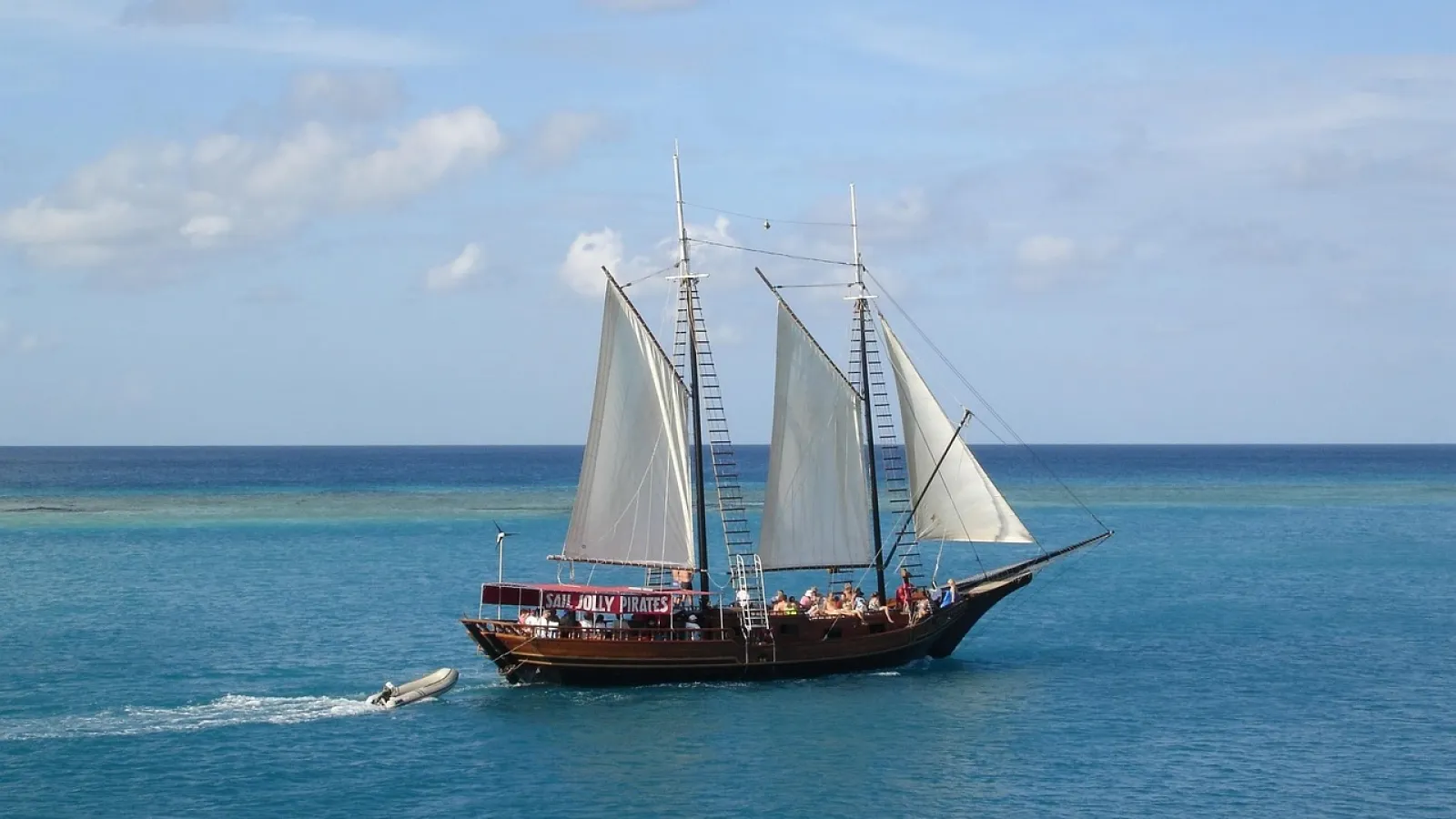
Top places to visit
Popular Attractions
in Aruba
-
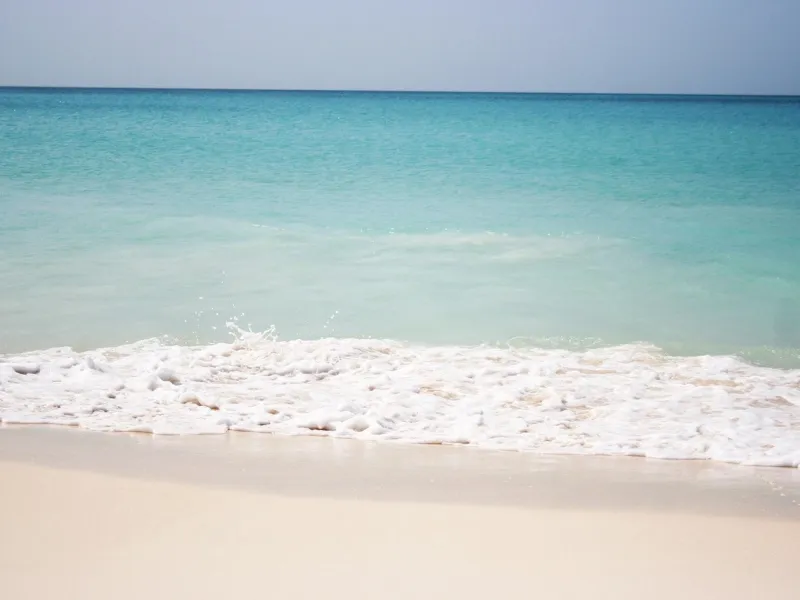
Eagle Beach: Serenity on White Sands
Powdery sands and clear waters make Eagle Beach iconic, but its significance extends beyond leisure. Here, Arubans gather for traditions and sea turtle nesting reminds visitors of the island’s enduring balance between people and nature.
-
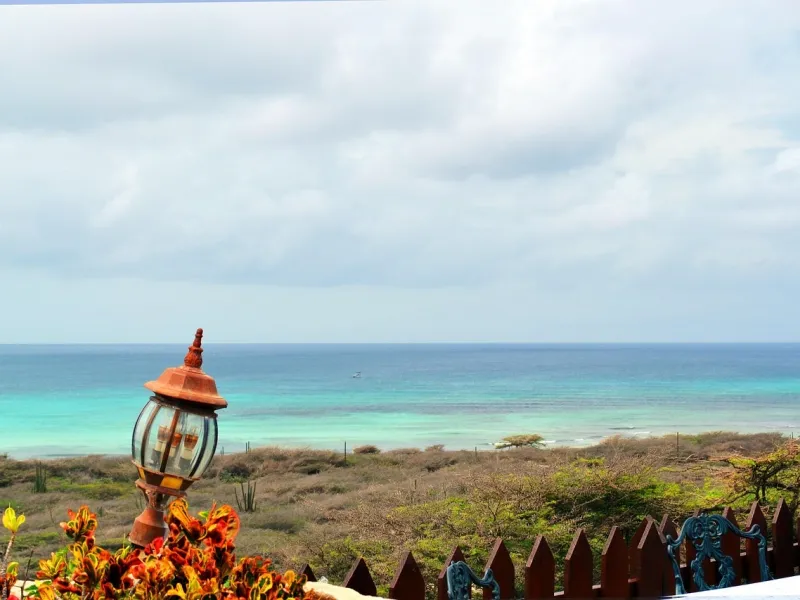
Arikok National Park: The Wild Heart of Aruba
Covering nearly 20% of the island, Arikok showcases desert landscapes, ancient petroglyphs, and dramatic coastlines. Guided tours highlight the Indigenous and African survival knowledge (medicinal plants, hidden springs, and cave drawings) that connect past generations to today.
-
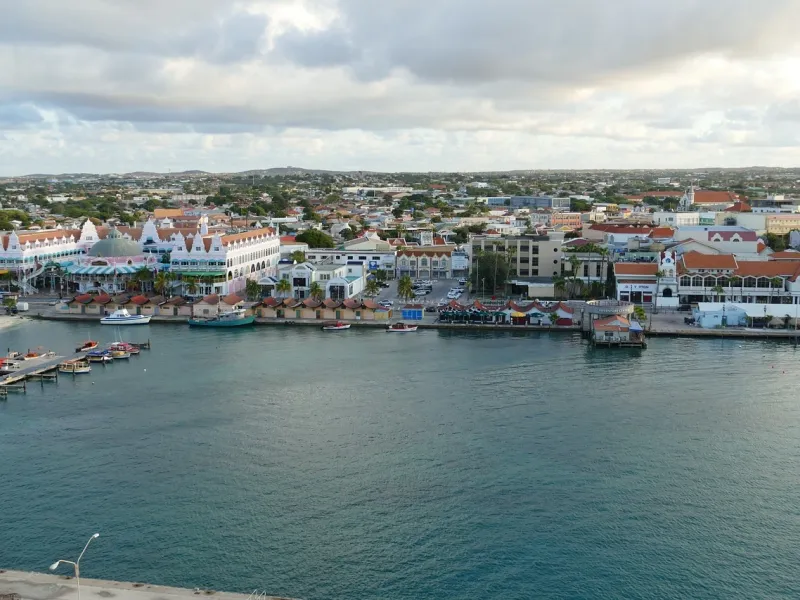
San Nicolas: The Soul of the Island
Known as Aruba’s “Sunrise City,” San Nicolas is the cultural heartbeat. Street art murals depict Afro-Caribbean identity, while Carnival preparations fill the air with drums, dance, and Diaspora pride. Travelers here don’t just observe. They join a story of heritage kept alive through art, rhythm, and resilience.
The guide
Explore Aruba by Interest
Planning
Food and Culture
Heritage and History
Traveler Resources
Deep Expertise
We work with Aruban historians, artists, and culture bearers to ensure every journey is more than sightseeing. It’s an immersion. Whether learning the African roots of Aruban music, joining a storytelling circle, or tasting traditional Creole cuisine, LABUSA curates moments that honor legacy.
Purpose-Driven Travel
Our itineraries invest in community-led tourism, cultural workshops, and conservation. Plant a divi-divi tree with local youth, support Afro-Caribbean artisans, or learn tambú rhythms from tradition-keepers, your presence fuels heritage preservation and local empowerment.
Affordable Luxury & Authentic Moments
Stay in boutique seaside hotels, historic inns, or eco-lodges that reflect both comfort and culture. LABUSA handpicks accommodations that bring you close to the soul of Aruba, balancing luxury with legacy.
Common questions
Aruba Travel FAQs
- Do I need a visa for Aruba?
- Almost certainly not, and stopping there is the mistake this page exists to prevent. The UK Foreign, Commonwealth and Development Office states that you can visit Aruba for up to 3 months without a visa, on a page written for holders of a full British citizen passport and explicitly about that document. But there is a second requirement that applies whatever your visa position is: you must complete an embarkation card up to 7 days before you arrive, and you must show proof of approval to travel to your airline before you can fly. Read the window rather than the task. It opens a week before arrival, so it is neither something to do when you book nor something to do at the airport, and the source describes the form as an embarkation and disembarkation card, so expect it to cover your departure too. A connection counts: a journey passing through Aruba needs the card filled in as well.
- How long does my passport need to be valid?
- For the duration of your stay, and not six months beyond your arrival. That is the answer most travelers get wrong here, because the rule across much of this region runs the other way and the assumption travels with people. Aruba does not apply it. The Foreign, Commonwealth and Development Office states only that your passport must be valid for the duration of your stay, so a document that a neighboring island would refuse may be perfectly acceptable on this one. Two things will still turn you away: arriving without a valid travel document, and trying to use a passport that has been reported lost or stolen. Check with your travel provider, because an airline applies the rule of the destination rather than the rule you remember.
- Is Aruba part of the Netherlands?
- It is part of the Kingdom of the Netherlands, which is not the same as being part of the Netherlands, and the difference decides several things on your trip. The Foreign, Commonwealth and Development Office describes Aruba as an autonomous country within the Kingdom. The Centrale Bank van Aruba dates that standing precisely, recording that the florin came into being when Aruba obtained its Status Aparte within the Kingdom in 1986. It is not a sovereign state and it is not a province. The practical consequences are that it sets its own entry rules rather than inheriting Dutch or Schengen ones, that it issues its own money, and that the European Health Insurance Card and the Global Health Insurance Card is not valid here. If you are carrying one of those cards, it will not answer for you on this island.
- Can I drive on my own license?
- Not on its own, and the paperwork that makes up the difference cannot be obtained after you leave. The Foreign, Commonwealth and Development Office states that you need the correct version of the international driving permit as well as your own license, and that you cannot buy an IDP outside the UK, so get one before you travel. Note the phrase the correct version: more than one such permit exists, issued under different conventions, and holding the wrong one is the same as holding none. A hire company can also set conditions the law does not, and the advice names 2 years of driving experience, a higher minimum age, and holding a permit among them, so confirm the conditions of your specific booking. Drink driving is a serious offense here, and this guide publishes no threshold because the source gives one only by comparison with another country.
- Does Aruba have a UNESCO World Heritage Site?
- No. Aruba has no property on the World Heritage List, and it is not a State Party to the Convention in its own right; the Kingdom of the Netherlands holds that standing, and its record names no site on this island. What Aruba does have is a wetland protected under a different treaty. The Aruba Conservation Foundation states that Spaans Lagoen has been an official Ramsar site since 1980, and that the island has since added four more. Ramsar is the Convention on Wetlands, a separate instrument with its own list and its own criteria, and this guide is careful not to let the familiar word stand in for it. The Foundation also manages the conservation of nearly 25 percent of the island and four marine protected areas, among them Parke Nacional Arikok.
- What is the emergency number?
- It is 911, and this guide cites no other number. The UK Foreign, Commonwealth and Development Office gives it for a medical emergency and says to ask for an ambulance. Beyond that this guide names no medical facility, because no source in its register names one, which is a difference worth knowing if you have read our pages for other islands where the same office names the main government hospitals directly. Arrange travel health insurance that covers treatment and repatriation before you travel, and remember that the European and global health insurance cards are not valid here.
- Do I need to worry about hurricanes?
- Less than almost anywhere else in this sea, and not nothing, and both halves of that are the official position rather than ours. The Foreign, Commonwealth and Development Office states that the hurricane season in the Caribbean normally runs from June to November, that most hurricanes pass to the north of Aruba, which has no record of a recent major hurricane, and that there are occasional tropical storms. Most, and occasional. A reader who keeps only the middle clause has been told the island is out of the weather, and the source does not say that. The National Hurricane Center gives the season more precisely as June 1 to November 30 and adds that activity sometimes occurs before and after those dates. Read a current forecast for the week you are traveling rather than relying on a reputation.
- What does this guide refuse to tell me?
- Six things, and each absence is a measurement rather than a gap in the search. This guide names no dish and gives no festival date, because the national tourism website answers with a cookie notice and 480 characters of nothing else. No temperature or rainfall figure, because no source in this register publishes one. No number for the drink-driving threshold, because the source expresses it only as a ratio to another country limit and converting it would mean this site computing a foreign legal threshold. No medical facility by name. No list of languages. And nothing at all about the island standing with UNESCO outside the World Heritage question, because the page carrying it answered once and then stopped answering, and a claim we cannot re-verify offline is a claim we do not make. We would rather leave each of those out than publish something you cannot trace back to anybody.