Why visit
Why visit Costa Rica?
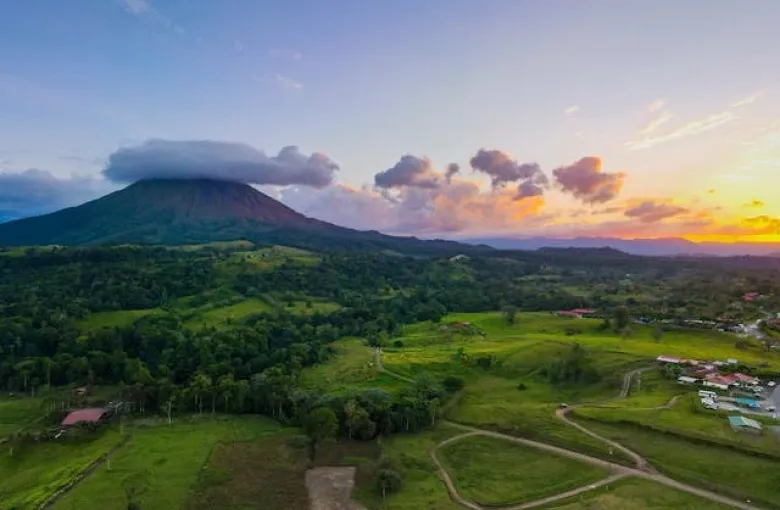
Costa Rica excites with volcano treks, wildlife safaris in Manuel Antonio, and surfing in Tamarindo. But along the Caribbean coast in Limón, travelers encounter a different rhythm — one of reggae, creole cooking, and African-Caribbean pride. Descendants of Jamaican laborers and Garifuna people in towns like Cahuita and Puerto Viejo preserve vibrant music, dance, and storytelling, giving diaspora travelers a cultural home nestled in tropical paradise.
Top places to visit
Popular Attractions
in Costa Rica
-
Arenal Volcano & La Fortuna
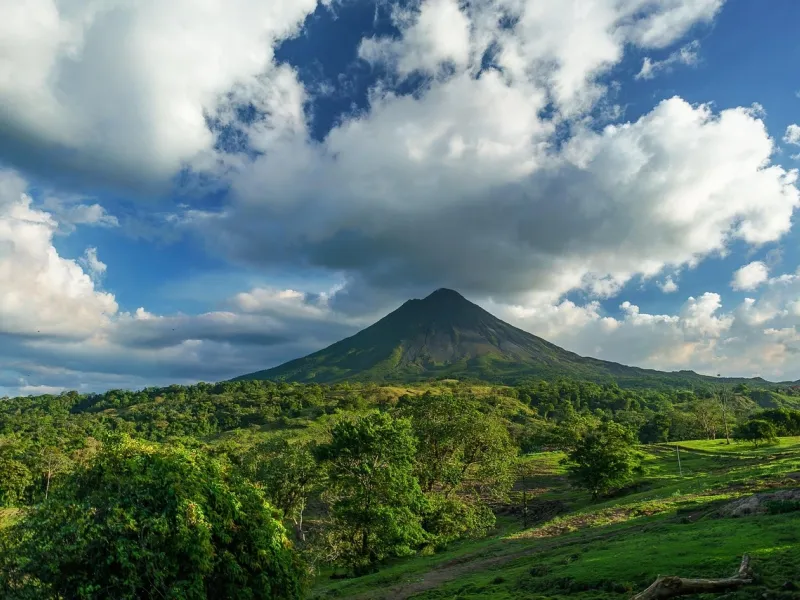
Towering over the lush northern plains, Arenal Volcano is a beacon of Costa Rica’s volcanic spirit. Explore the surrounding La Fortuna area with its hot springs, cascading waterfalls, and nature trails alive with monkeys, toucans, and sloths. Whether you’re zip-lining through forest canopies, soaking in thermal pools, or enjoying a locally prepared meal on a family farm, Arenal is where adventure and tranquility find perfect balance.
-
Monteverde Cloud Forest
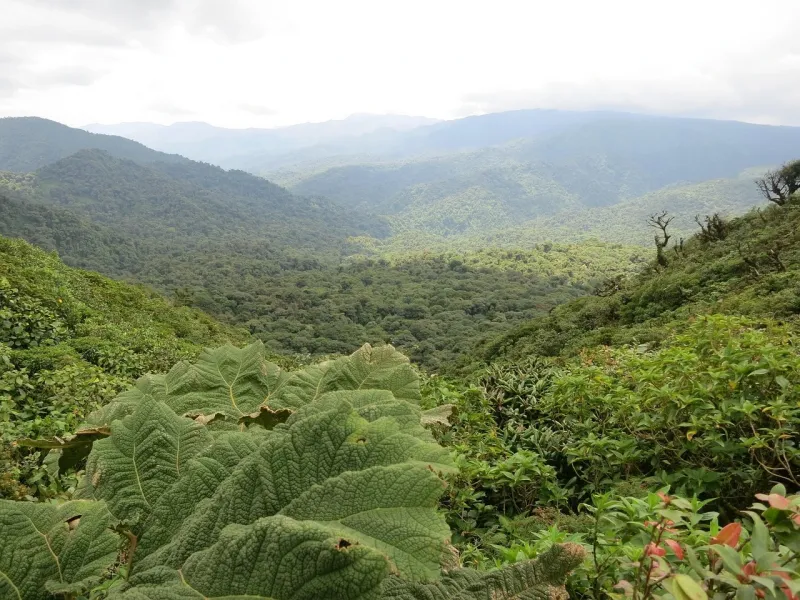
Step into a mystical world where clouds kiss the treetops and every leaf seems to hum with life. The Monteverde Cloud Forest Reserve is one of the most magical ecosystems on Earth, home to hummingbirds, orchids, howler monkeys, and the elusive resplendent quetzal. Walk across suspension bridges, learn about sustainable farming from local cooperatives, and immerse yourself in the green heart of Costa Rica’s conservation story.
-
Cahuita & the Afro-Caribbean Coast
Along Costa Rica’s southern Caribbean coast lies Cahuita—a laid-back village with reggae rhythms, friendly locals, and deep African roots. Visit the Cahuita National Park, where coral reefs and rainforest meet, or engage with Afro-Costa Rican cultural groups that keep Creole language, dance, and cooking traditions alive. The coast is not just beautiful; it’s soul-stirring and proudly Afrocentric.
The guide
Explore Costa Rica by Interest
Planning
Food and Culture
Heritage and History
Traveler Resources
Deep Expertise
Our team collaborates with local conservationists, Indigenous hosts, and Afro-Costa Rican cultural leaders to deliver journeys that are grounded in respect, sustainability, and story. Every step you take in Costa Rica with LABUSA Travel is mindful and meaningful.
Purpose-Driven Travel
Whether you’re seeking a yoga retreat in the jungle, a birding tour through rare habitats, or a cultural exchange with Afro-Caribbean communities, LABUSA Travel crafts your itinerary with intention. We help you travel in ways that renew the body, uplift the spirit, and deepen your global connection.
Affordable Luxury & Authentic Moments
Stay in thoughtfully selected eco-lodges, beachside cabinas, and boutique hotels that reflect Costa Rica’s harmony with nature. Our accommodations provide comfort with character and support businesses that reinvest in local people and the planet.
Common questions
Costa Rica Travel FAQs
- When is the best time to visit Costa Rica?
- It depends entirely on which coast you are going to, and this is the single most useful thing to know about the country. The Pacific side, the Central Valley, Arenal and Monteverde have a reliable dry season from roughly December into April. The Caribbean coast keeps its own calendar and is usually at its brightest around September and October, which are the two wettest months almost everywhere else. A national best time does not exist, so ask about your route rather than about Costa Rica.
- Do I need a visa to visit Costa Rica?
- Citizens of the United States, Canada, the United Kingdom, Australia, New Zealand and the European Union do not need a visa arranged in advance for ordinary tourism, and many other nationalities do. The list is set by the Direccion General de Migracion y Extranjeria and is the only one worth relying on. One thing surprises people: the length of stay is not an entitlement but a decision an officer makes at the border, up to a maximum set for your nationality, and it can be shorter than the maximum. Costa Rica also commonly asks to see proof that you intend to leave, so travel with a confirmed onward or return ticket.
- Is Arenal Volcano still erupting?
- No, and this is the most common factual error about Costa Rica. The eruptive period that began with the catastrophic eruption of 1968 declined through the 2000s and ended in December 2010, and the volcano has been quiet ever since, with only weak gas and steam at the summit. A great deal of tour marketing still implies nightly lava and it is not there. La Fortuna remains the best equipped base in the country, with hot springs fed by the volcano heat, hanging bridges, waterfalls and the old lava fields.
- Is Costa Rica safe for visitors?
- It is one of the more settled countries in the region, and the two things that actually hurt visitors are the sea and opportunist theft. Rip currents are the leading cause of death among visitors and most beaches have no lifeguard, so ask locally before you swim, every time. Theft is almost always non-confrontational: bags from beaches, valuables from parked cars, phones from cafe tables. Leave nothing in a parked car and never leave a bag while you swim. Read your own government current travel advice while you are booking.
- Do I need to tip in Costa Rica?
- Much less than you would at home. Restaurants add a service charge and value added tax to the bill by law and both appear as separate lines on it, so you are not leaving anyone short by adding nothing further. Rounding up for genuinely good service is appreciated and not expected. Guides and drivers on multi day trips are the exception and are customarily tipped, so ask your operator what is normal on your particular trip.
- Should I pay in dollars or in colones?
- Carry colones for everyday spending. US dollars are accepted across much of the tourism economy, which is convenient and quietly expensive: when you pay in dollars the seller chooses the rate and usually gives your change in colones. Card acceptance is good in cities and in the main tourist areas and thins quickly in rural ones, so draw cash before you leave a town rather than after you arrive somewhere small. If a card terminal offers to charge you in your home currency, decline it.
- Do I need a four wheel drive?
- For some routes and some seasons, genuinely yes, and it is not an upsell. Monteverde, the Osa Peninsula, parts of the Nicoya coast and much of the Caribbean south are the usual examples, and some routes involve unbridged river crossings. Two things catch renters out more than the vehicle does: mandatory third party liability insurance is required by law and charged separately from the headline rate, so quoted and final prices differ substantially, and you should not drive at night outside the main corridors, where roads are unlit, unfenced and shared with pedestrians and animals.
- How accessible is Costa Rica for wheelchair users?
- Better in law than in delivery. The country has had equal opportunity legislation since 1996 and it is more ambitious than most of the region, but the modern hotels, the main airport, the larger museums and a handful of parks are genuinely good while historic town centers, small lodges, public transport and most trails are not. Several parks have boardwalks or paved sectors near their entrances, and boat based wildlife watching is often more accessible than anything on land. Ask properties for photographs and specific measurements rather than trusting the word accessible in a listing.