
Why visit
Why visit U.S. Virgin Islands?
The USVI blends leisure with legacy. Relax on white sands, snorkel crystal waters, or hike through lush national parks. Then, step into the region’s heritage: Emancipation Day celebrations, historic sugar plantations, and vibrant cultural festivals. On St. John, explore the preserved landscapes of Virgin Islands National Park. In St. Thomas, uncover Black heritage through walking tours of Charlotte Amalie. On St. Croix, experience Crucian foodways, Quelbe music, and heritage festivals that echo the voices of the past.
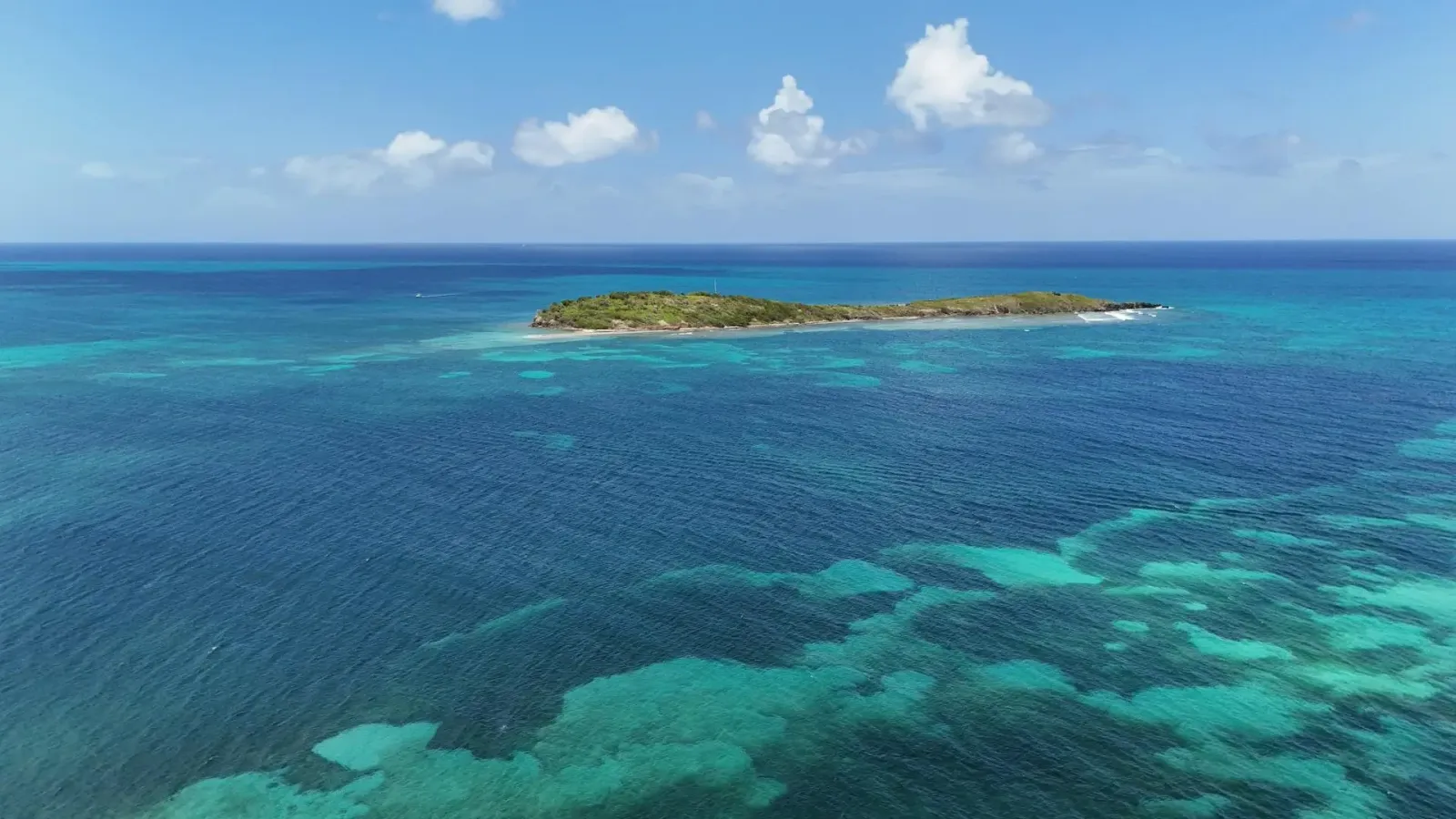
Top places to visit
Popular Attractions
in U.S. Virgin Islands
-
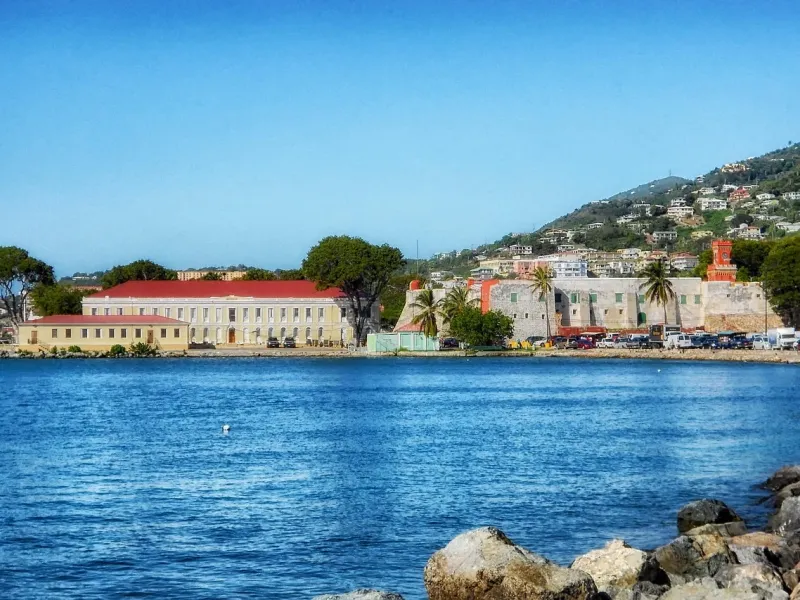
Emancipation Garden, St. Thomas: Honoring Freedom
Built to commemorate the 1848 emancipation of enslaved Africans, this public square is a powerful site of reflection and celebration.
-
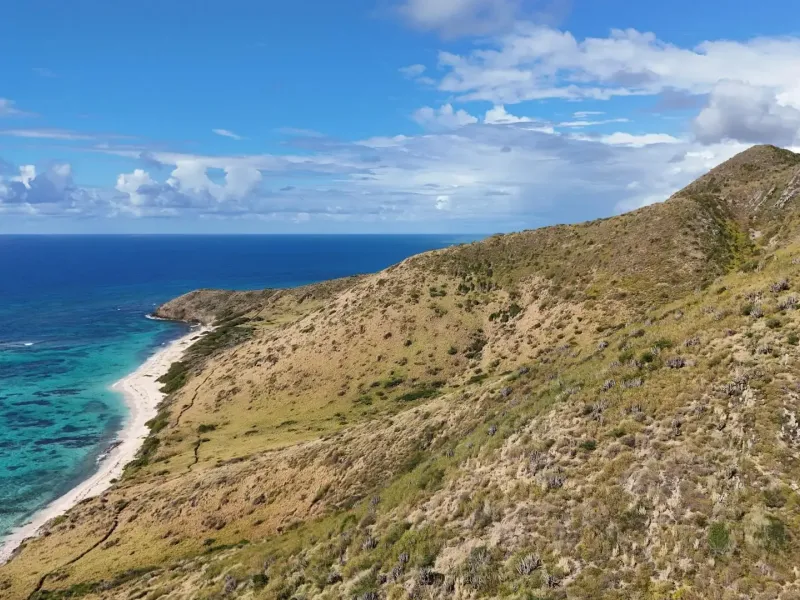
Estate Whim Plantation Museum, St. Croix: A Living History
This restored sugar plantation shares the complex history of labor, survival, and community on the islands, offering context and connection for Diaspora travelers.
-
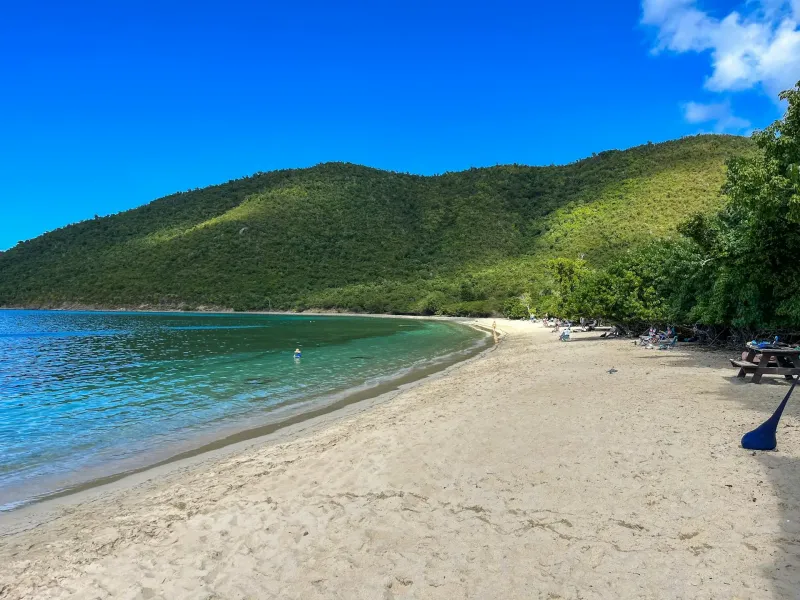
Virgin Islands National Park, St. John: Nature and Memory
Covering two-thirds of St. John, this park preserves beaches, hiking trails, and historic ruins: reminders of both the islands’ beauty and their layered past.
The guide
Explore U.S. Virgin Islands by Interest
Planning
Food and Culture
Heritage and History
Traveler Resources
Deep Expertise
We partner with Crucian cultural leaders, heritage guides, and local artists to offer experiences that go beyond sightseeing. From culinary tours to storytelling circles, LABUSA connects travelers with living traditions.
Purpose-Driven Travel
Our itineraries highlight community heritage, local entrepreneurship, and cultural preservation. Whether attending Emancipation Day events, supporting artisans, or joining a Quelbe music workshop, your trip sustains cultural pride.
Affordable Luxury & Authentic Moments
Stay in boutique beachfront resorts, historic guesthouses, or eco-lodges. LABUSA curates accommodations that balance comfort with heritage, ensuring your USVI journey is both enriching and relaxing.
Common questions
U.S. Virgin Islands Travel FAQs
- Do I need a passport to visit the U.S. Virgin Islands?
- No source in this guide register states a position, so this page does not state one either. That is an unusual answer and it is deliberate. The Customs and Border Protection page that would carry such a statement mentions the Virgin Islands nowhere at all, and the only Virgin Islands entry anywhere on it sits in a dropdown list of jurisdictions that issue identity documents, which is a list of issuers rather than a statement about what a traveler must carry. Every other territory in this batch has a foreign office record that answers the question in a sentence; this one has neither a UK record nor a CDC one, because it is a United States territory and both agencies write about foreign destinations. Ask Customs and Border Protection directly, and ask it for your own citizenship and your own route, because a cruise calling at a foreign port on the same itinerary is not the same journey as a direct flight.
- Which side of the road do I drive on?
- The left, and the National Park Service says so in its own words: we drive on the left here in the Virgin Islands. It is worth reading twice, because this is a United States territory and the cars are ordinary American vehicles with the steering wheel on the left. So the wheel is on the side a visitor from the mainland is used to and the road is the other way round, which is the combination that catches people at a junction rather than on a straight road. The same page adds the consequence for anyone on foot: walk facing traffic, which here means the right side of the road. Take the first few junctions slowly and give yourself longer than the map suggests.
- Is this the same place as the British Virgin Islands?
- No. They are two separate territories with two separate governments, a few miles apart, and they share most of a name. This one is a territory of the United States and has been since 1917, when it was bought from Denmark. Its neighbor is a British Overseas Territory. Entry rules, currency arrangements and emergency arrangements are set by different authorities, and a guide written for one is not a guide to the other. If you are planning to visit both in a single trip, read each territory on its own terms rather than assuming the second works like the first.
- Does the territory have a UNESCO World Heritage Site?
- No. The Virgin Islands appear nowhere on the United States States Party record at UNESCO, neither inscribed nor on any tentative list. That absence is stated plainly because a reader standing in front of a Danish fort built in the 1730s reasonably wonders, and because the same record lists Everglades National Park among that country properties, which is the counter-assertion proving the page being read is the real United States list rather than an empty one. Protection here is federal instead, through the National Park Service, and this guide covers three protected places in detail.
- What can I bring back duty-free?
- Two different allowances apply and they are easy to cross over. Customs and Border Protection publishes a personal exemption of $800 for a returning resident, available every 31 days. It separately publishes a higher figure where unaccompanied purchases are sent home from an insular possession, and up to $1,600 in goods will be duty-free under your personal exemption in that case. The second figure belongs to the second situation only, and quoting it for a suitcase carried through an airport is the mistake this page is written to avoid. Read the agency page for the current rules before you shop.
- What is the emergency number?
- It is 911, and this guide cites no other general number. The National Park Service publishes a second line beside it for emergencies in the park, 340 776-9110 from a cell phone, which is the one to carry if you are walking a trail or snorkeling off a beach rather than standing in a town. Save both before you go rather than looking for them at the moment you need one, because cell coverage on the water and on the north shore trails is not reliable.
- What does Trunk Bay cost?
- The Park Service publishes a Trunk Bay Expanded Amenity Fee in a table headed 2024, at $5 for an individual day pass for visitors 16 years and older. That is what the published table says rather than what you will be asked for on the day, and the distinction matters on a page that will be read for years after the table was written. Check the park directly before you travel. The fee is separate from anything a taxi or a tour charges to get you there.
- Is the national park accessible?
- Partly, and the Park Service publishes the negatives as clearly as the positives, which is what makes them plannable. Trunk Beach has beach wheelchairs, accessible parking, restrooms, changing rooms and accessible paths to water. On St Croix the picnic area, the Scale House and the book store and visitor center are all accessible by wheelchair. Against that, the historic Fort Christiansvaern is not wheelchair accessible, and Buck Island is an offshore island surrounded by coral reef, reachable only by boat, with no accessible facilities available. Read the park accessibility pages for the specific site you are heading to rather than the territory as a whole.