
Why visit
Why visit Madagascar?
Madagascar separated from other land tens of millions of years ago and has been evolving on its own ever since. That single fact is behind almost everything visitors come for: forests full of species that exist nowhere else, limestone weathered into blades, and lemurs that have no close relatives anywhere.
It is also the only country in Africa whose national language belongs to the Austronesian family. Malagasy is related to the languages of Borneo, and the island was settled from Southeast Asia as well as from East Africa. Rice terraces in the highlands and zebu cattle in the south are the two halves of that story, standing next to each other.
There are three World Heritage properties. The Andrefana Dry Forests in the west, six protected areas under one inscription. The Rainforests of the Atsinanana along the eastern escarpment, six national parks, danger-listed in 2010 and taken off that list on 9 July 2025 after forest cover was restored and lemur poaching fell to a ten-year low. And the Royal Hill of Ambohimanga, which UNESCO calls the cradle of the kingdom that made Madagascar a modern state, and which is still a place of pilgrimage.
The practical picture is honest rather than alarming. The United States rates Madagascar Level 2 and the United Kingdom advises against travel to no part of it, but almost every specific warning either government publishes is about roads: which ones, at what hour, and with whom. We set all of that out on the travel safety guide rather than leaving you to find it.
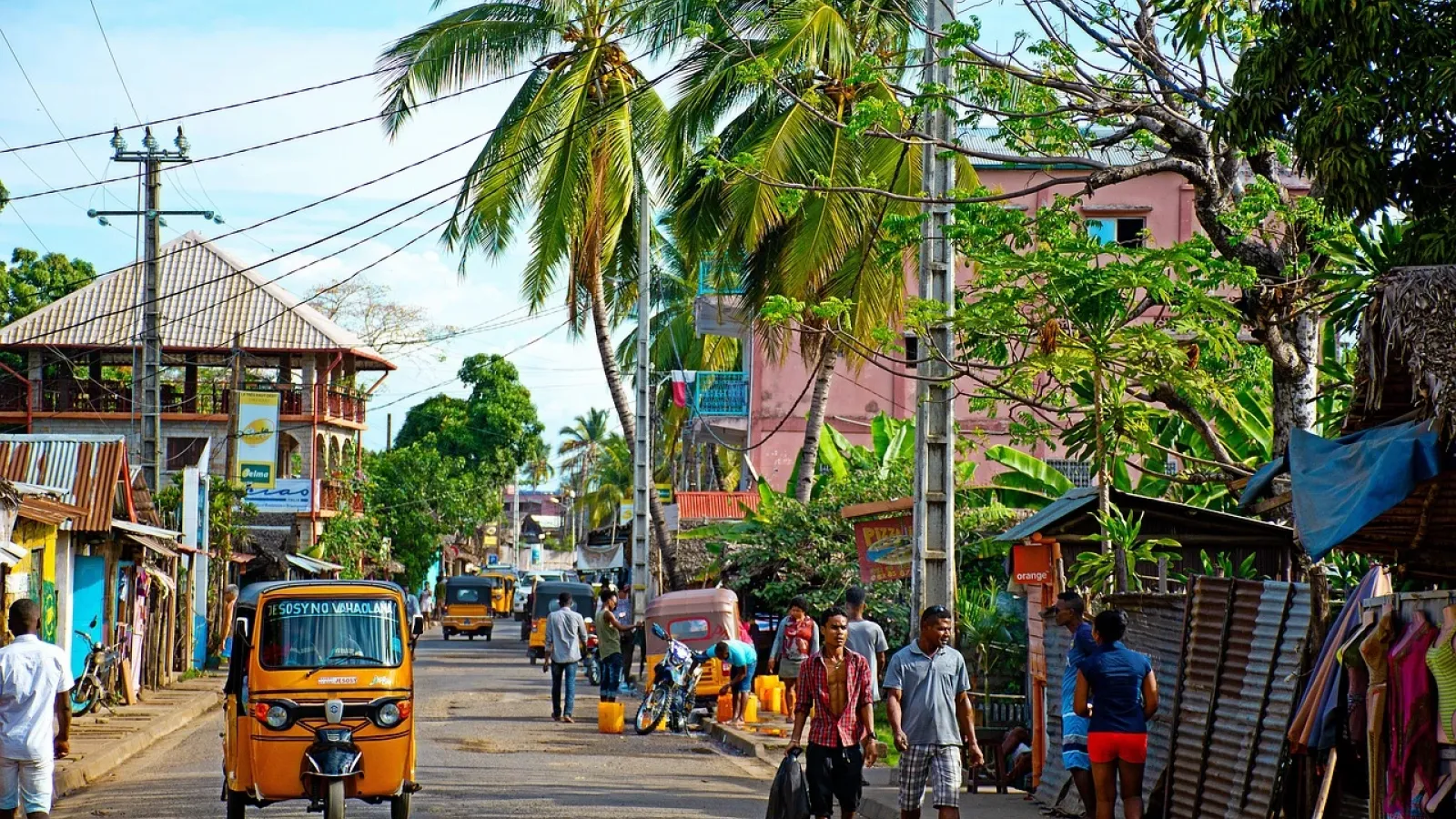
Top places to visit
Popular Attractions
in Madagascar
-
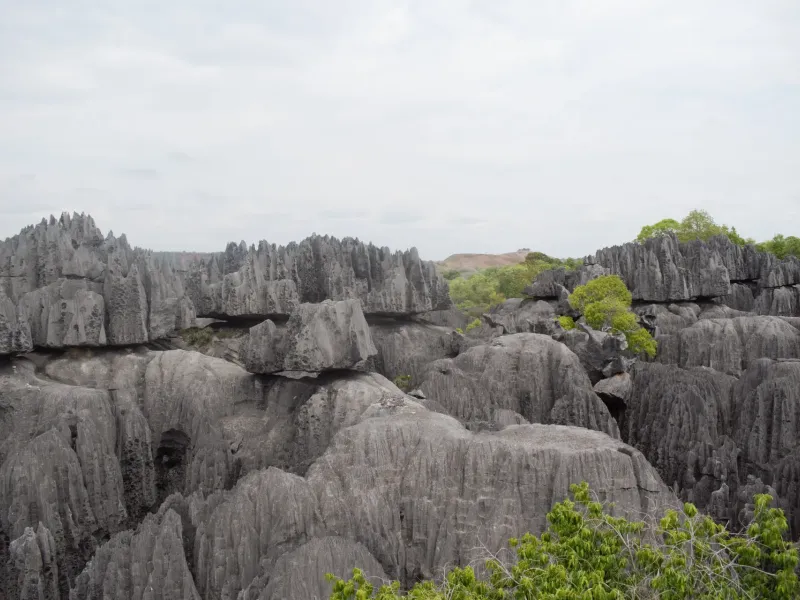
Tsingy de Bemaraha, Western Madagascar
Limestone weathered into blades and canyons, crossed on fixed routes with cables, ladders and suspension bridges. It is one component of the Andrefana Dry Forests, a World Heritage property of four national parks and two special reserves inscribed in 1990. See the Andrefana Dry Forests guide.
-
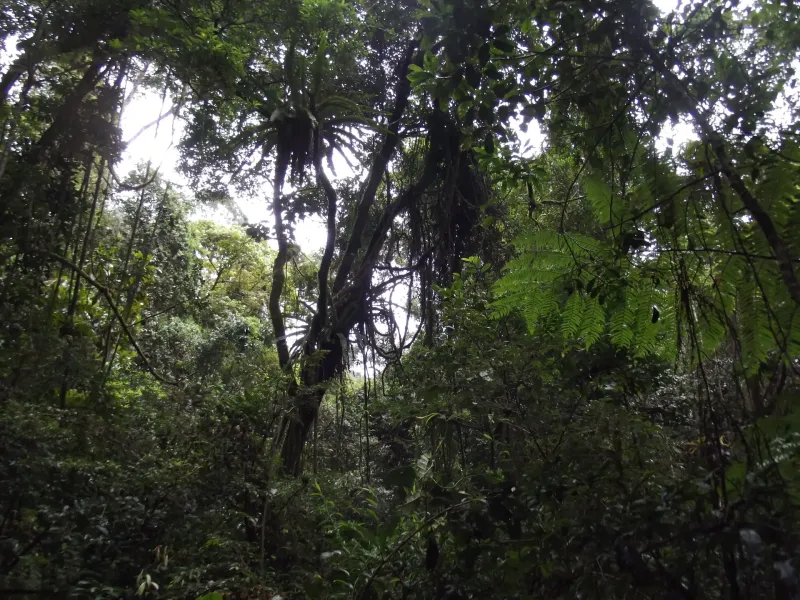
Rainforests of the Atsinanana, Eastern Madagascar
Six national parks along the eastern escarpment, inscribed in 2007, where UNESCO puts endemism at 80 to 90 percent for all groups. Danger-listed in 2010 and removed from that list on 9 July 2025 after forest cover was restored and lemur poaching fell to a ten-year low. See the Atsinanana guide.
-
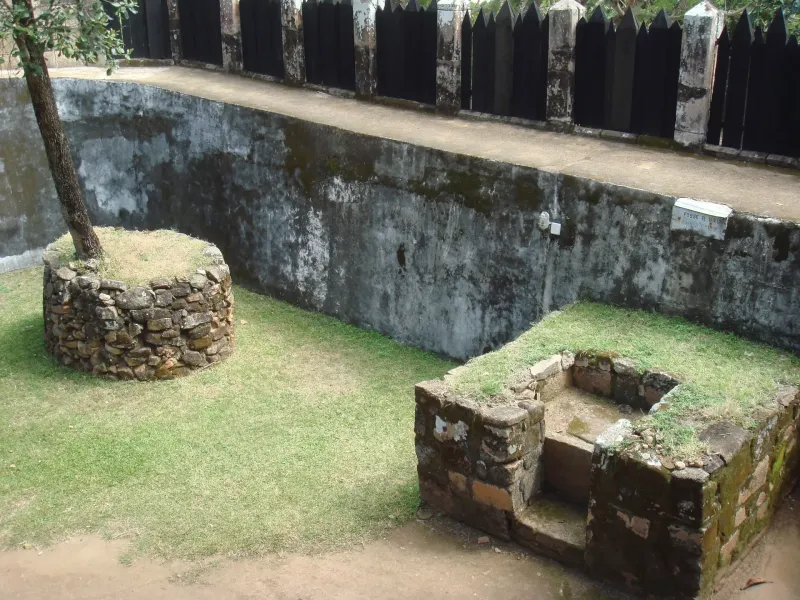
Royal Hill of Ambohimanga, Central Highlands
A fortified royal hill northeast of Antananarivo, inscribed in 2001, which UNESCO calls the cradle of the kingdom and the dynasty that made Madagascar a modern state. It is a place of worship and pilgrimage rather than a ruin, and it is visited accordingly. See the Ambohimanga guide.
-
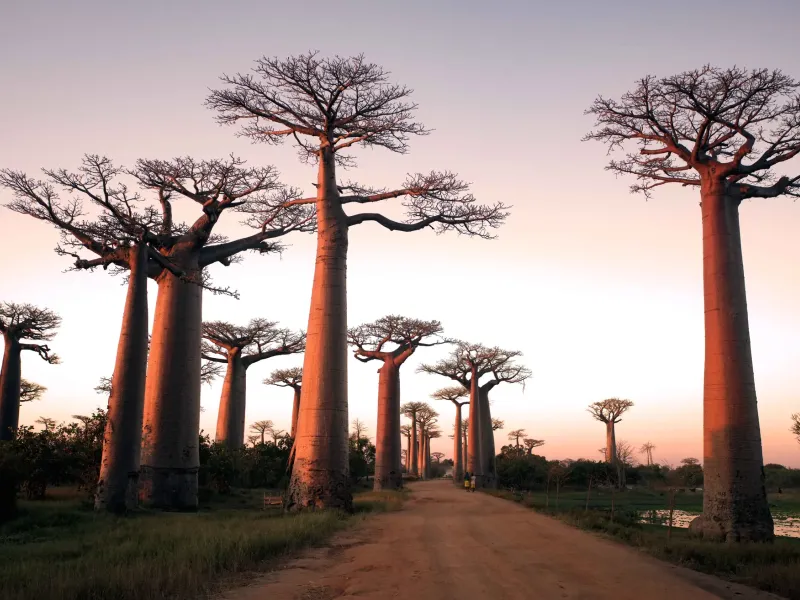
Avenue of the Baobabs, near Morondava
Grandidier's baobabs standing along a dirt road in the west, and the image most people carry of the island. It is a national Monument Naturel rather than a World Heritage Site, which is a distinction worth keeping straight, and it sits on the road most people take towards the Tsingy.
-
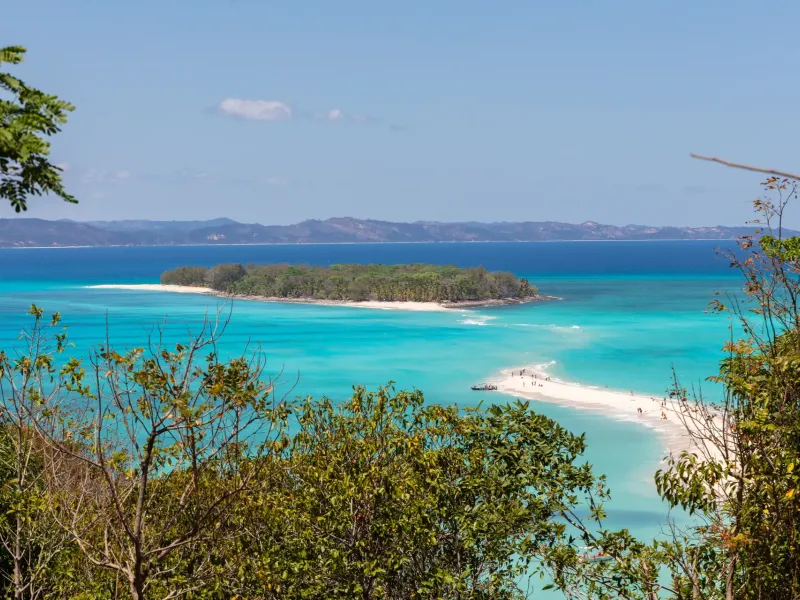
Nosy Iranja and the Northwest Islands
Sandbars and shallow water off the northwest coast, reached by boat from the mainland. Read the travel safety guide before planning an isolated beach: the FCDO records violent robberies in daylight at remote coastal spots and names several in this region.
-
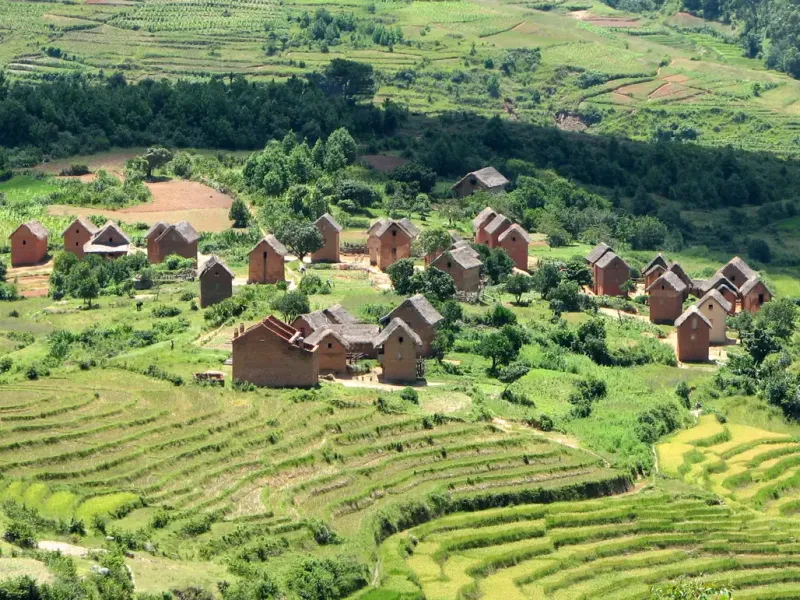
The Central Highlands
Terraced rice paddies, brick villages and a plateau high enough to be genuinely cold at night. This is where most trips begin and where the highland traditions UNESCO has inscribed are still practiced. See culture and etiquette.
The guide
Explore Madagascar by Interest
Planning
Food and Culture
Heritage and History
Traveler Resources
Before you go
Planning
a trip to Madagascar
-
Best Time to Visit Madagascar
The dry, cooler months run roughly May to October and that is the straightforward answer for a first trip. The wet months bring cyclones, and what they really cost you is access: unsealed roads in the west close. See the best time to visit guide and the weather guide.
-
Visas, Money and Getting Around
Fifteen days without a visa, with a 10-euro administration fee on arrival, and 30-day or 60-day visas bought at the airport for longer. Your passport needs six months and two blank pages. Inside the country it is a cash economy, and the FCDO advises against multi-passenger taxi vans. See visa and entry requirements, currency and money and getting around.
-
Before You Book
The United States places Madagascar at Level 2, Exercise Increased Caution. The United Kingdom warns against travel to no part of it, but it does publish regional advice naming specific roads. Antananarivo's hospitals handle routine operations only, so insurance covering medical evacuation is not optional. All of it is in the travel safety guide.
Signature experiences
Signature
Madagascar experiences
-
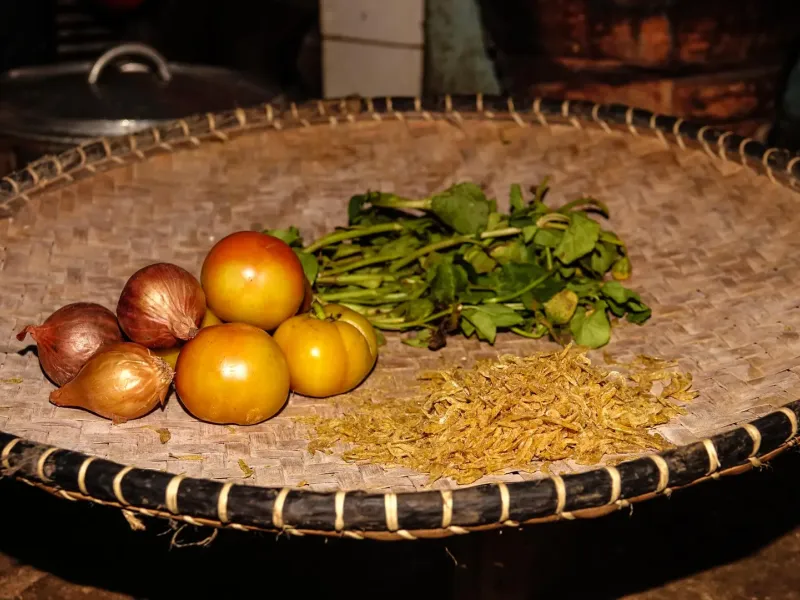
Rice at every meal, and the vanilla you may take home
Malagasy meals are built on rice, and the question at a table is which laoka is going with it: romazava, the national dish, or ravitoto, or fish. Vanilla is the classic purchase, and customs allows 2kg out with receipts. Start with the food guide.
-
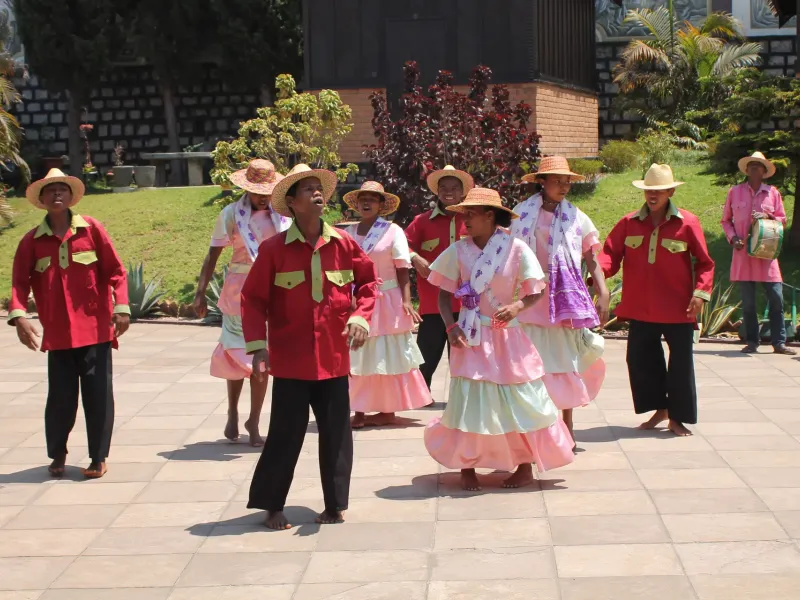
Hiragasy, kabary, and two more inscribed traditions
Madagascar has four elements on the UNESCO intangible heritage list: hiragasy, the open-air performance art of the highlands; Malagasy kabary, the formal oratory of ceremonies; tsapiky from the southwest; and the woodcrafting knowledge of the Zafimaniry. See festivals and celebrations and culture and etiquette.
-
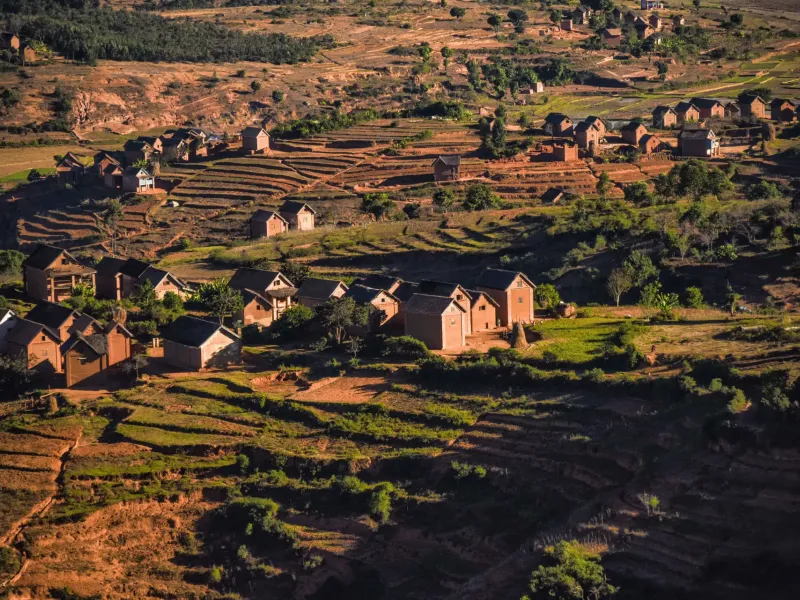
An island settled from two directions
Malagasy is an Austronesian language, related to languages of Borneo rather than to those of the African mainland, and the island was settled from Southeast Asia and from East Africa. Rice terraces and zebu cattle are the two halves of that story standing side by side. See Madagascar and diaspora reconnection.
Why choose LABUSA Travel for Madagascar
We tell you what the governments say
Every practical claim on these pages is attributed to the authority that publishes it and dated, so you can check it against the same source we used. That includes the awkward parts, such as the advice against the bush taxis that are how most of the country travels.
We plan around the roads, because Madagascar does
Distances here are slow and the specific warnings are road warnings. We fly the long legs where that is the sensible answer, move in daylight, and use vehicles and drivers arranged in advance rather than at the roadside. That costs money and buys days.
Honest about the hard parts
Tap water is unsafe. Antananarivo's hospitals handle routine operations only, so evacuation cover matters. The country has been under a transitional government since 17 October 2025 and rallies can happen anywhere. We would rather say all of that before you book than after.
Common questions
Madagascar Travel FAQs
- Do I need a visa for Madagascar?
- Not for a short trip. You can visit for up to 15 days without one, though you still pay a small administration fee on arrival and must be ready to show onward or return tickets. For longer, you buy a 30-day or 60-day single-entry tourist visa at the airport, and it can be extended inside the country to a maximum total stay of 90 days. Your passport needs at least six months from the date you arrive and two blank pages.
- When is the best time to visit Madagascar?
- May to October, the cooler dry season. The argument is less about sunshine than about roads: a great deal of what people come for sits at the end of an unsealed track, and the wet months close some of them. July to September is also the humpback whale season off the east coast.
- Is Madagascar safe to visit?
- The United States places Madagascar at Level 2, Exercise Increased Caution, and the United Kingdom advises against travel to no part of it. Almost every specific warning either government publishes is about roads: armed robbery on main roads at night and outside towns, and named routes region by region. The other recurring warning is about isolated beaches, where there have been violent robberies in daylight.
- Should I use a bush taxi?
- The FCDO advises against using multi-passenger taxi vans, the taxi-brousses, because of the risk of robbery. They are how most people in Madagascar travel between towns, so we set out what that advice means in practice rather than pretending either the advice or the vehicles do not exist. Most visitors use a private vehicle with a driver, or fly the longest legs.
- How many World Heritage Sites does Madagascar have?
- Three. The Andrefana Dry Forests in the west, a serial property of four national parks and two special reserves. The Rainforests of the Atsinanana along the eastern escarpment, six national parks. And the Royal Hill of Ambohimanga in the central highlands. None of them is currently on the List of World Heritage in Danger.
- I read that the Atsinanana rainforests are in danger. Is that still true?
- No. They were placed on the List of World Heritage in Danger in 2010 and removed from it on 9 July 2025, after forest cover loss was largely restored, illegal logging and trafficking in precious wood were halted, and lemur poaching fell to its lowest level in ten years. Most secondary sources have not caught up, so check the date on anything that says otherwise.
- Can I drink the tap water?
- No. The FCDO states that tap water in Madagascar is unsafe. Drink and use only boiled or bottled water and avoid ice in drinks unless you know it was made from treated water. A filter bottle or purification tablets cut both the cost and the plastic.
- What is the food like?
- Built on rice, which is normal at all three meals. The rice arrives regardless, and what you are choosing is the accompaniment: romazava, a broth of meat and leafy greens that is the national dish, ravitoto, made from pounded cassava leaves, or fish. Koba, a sweet log of rice flour, peanut and banana, is the classic snack.
- Can I take vanilla home?
- Yes, within limits and with paperwork. You may take out up to 2kg of vanilla and up to 1kg of pepper or cloves, after declaring them and showing receipts. Other plant and animal products need permission. Ask for the receipt at the point of sale and keep it with your passport rather than in the bag the vanilla is in.
- What is fady?
- A local prohibition, and the nearest English word is taboo. A fady may apply to a place, a day, an action or a food, and it is local rather than national, so something forbidden in one village may be unremarkable in the next. Nobody expects a visitor to know them. What is expected is that you ask, and that you accept the answer without requiring a reason.