The honest starting point
Madagascar is one of the more demanding destinations we write about. Long journeys on poor roads, limited accessible infrastructure, and heritage and wildlife sites that are reached on foot over uneven ground are the norm rather than the exception.
That is not the same as saying it cannot be done. It means the itinerary has to be built around what works rather than trimmed down from a standard one, and it means asking direct questions early.
⚠ Settle the medical question first
The FCDO says that although Antananarivo has public and private hospitals, they can only handle routine operations, and that patients needing complex surgery are flown to Mauritius, South Africa or Réunion.
For a traveler with a health condition, that single sentence should shape the whole plan. Travel insurance must explicitly cover medical evacuation, you should know before you go what your policy will and will not pay for, and you should carry accessible funds. The emergency medical number is 117 from a mobile, 17 from a landline.
Bring medication in original labeled packaging with a copy of the prescription, and check the legal status of anything unusual before traveling.
What the ground is actually like
Roads and transfers
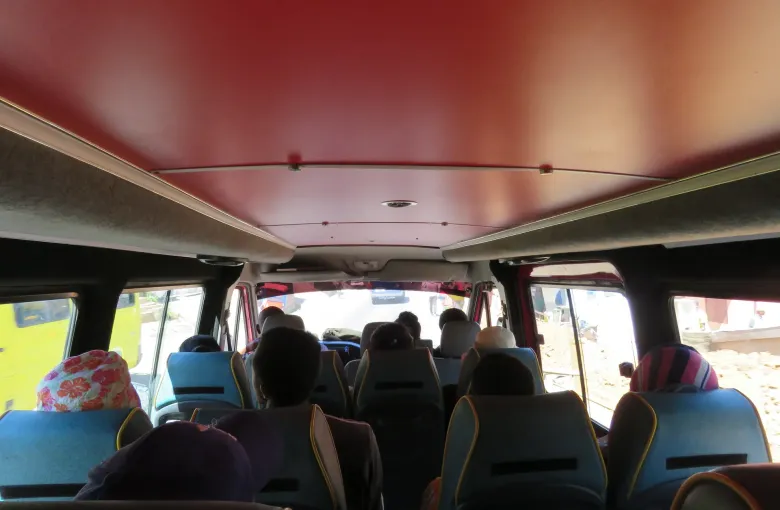
This is usually the binding constraint, not the sites. Journeys are long, surfaces vary within a single leg, and the standing advice to travel in daylight and use a recognized operator lengthens days further. A private vehicle with a driver is not a luxury here; for a traveler with limited mobility it is the only sensible arrangement. Discuss seat height, transfer assistance and rest stops explicitly. See Getting Around Madagascar.
Internal flights
Flying removes the hardest part of many itineraries. It costs more and saves days, and for this group of travelers that trade is usually worth making. Arrange assistance at booking rather than on the day, and confirm it again before departure.
Accommodation
Larger hotels in Antananarivo and the main tourist centers are the most likely to have step-free rooms and lifts. Lodges near parks are frequently raised on stilts, reached by paths or steps, and built as separate bungalows. Ask for photographs of the actual room and the actual route from the car, not a category description.
Site by site
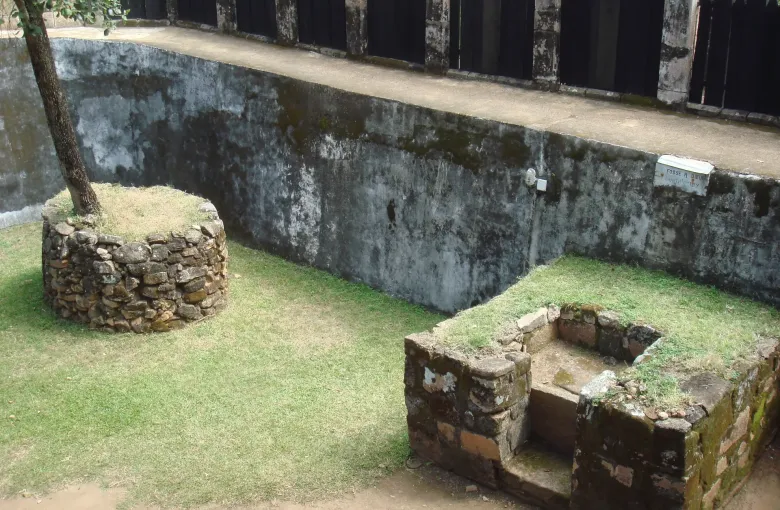
- Ambohimanga is a hill, with stone, earth and steps. The approach and parts of the enclosure are level, and a guide can plan a route that avoids the worst of it, but it is not a step-free site.
- Tsingy de Bemaraha is the least accessible place in this cluster: ladders, cables, harnesses and narrow gaps. Ankarana and Ankarafantsika, both components of the same World Heritage property, are far easier ground and are the honest alternative.
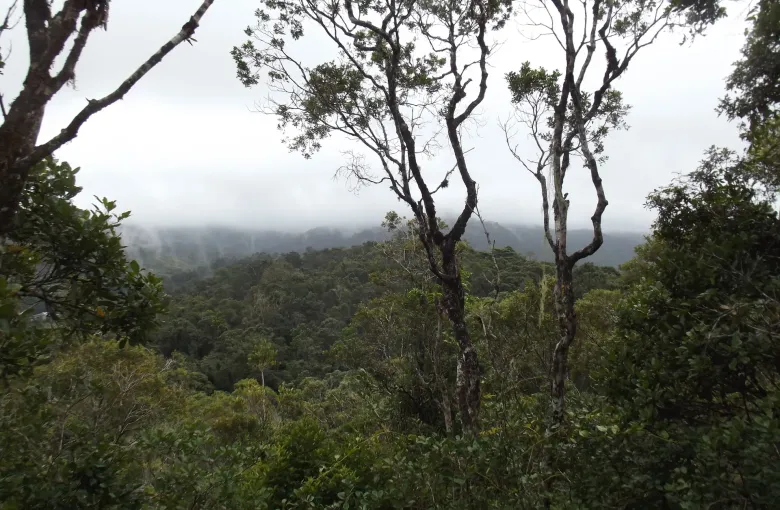
- Ranomafana has steep, wet, rooted trails. Some short sections near the entrance are manageable; the forest proper is not.
- Antananarivo is built on hills and its older districts involve long stairways. The flatter commercial areas are more manageable.
- Coastal lodges and islands often offer the best ratio of reward to effort: level ground, short distances, and boat transfers that can be arranged with assistance.
Questions worth asking an operator
- How many hours of driving on each day, and on what surface?
- Is there a step-free route from the vehicle to the room, and how many steps if not?
- What is the width of doorways and bathroom doors?
- Can a guide plan a shorter, level circuit at each site, and has that been done before?
- What happens if a road closes and the itinerary has to change?
- Where is the nearest facility that can handle more than routine treatment?
An operator who answers these in specifics is the one to book. An operator who answers "no problem" is not.
A realistic shape for a trip
Fewer places, longer in each, with flights rather than drives between regions. Base in Antananarivo for the highlands and Ambohimanga, then fly to one other region and stay put. That trip is genuinely good, and it is far better than a compressed circuit that becomes an endurance test.
See also Madagascar for Senior Travelers, which covers much of the same ground from a different angle.
Sources
- UK Foreign, Commonwealth & Development Office: Madagascar health advice: the emergency number, the named health risks, unsafe tap water and what the hospitals in Antananarivo can and cannot do. Accessed 14 September 2026.
- UK Foreign, Commonwealth & Development Office: Madagascar safety and security: crime, beaches, vehicle crime, the advice against taxi-brousses and the false-police warning. Accessed 14 September 2026.
- UK Foreign, Commonwealth & Development Office: Madagascar regional risks, region by region, including the named roads and the southern triangle. Accessed 14 September 2026.
- UNESCO World Heritage Centre: the inscription of the Royal Hill of Ambohimanga. Accessed 14 September 2026.
Other Articles
Madagascar for Senior Travelers
Getting Around Madagascar