
Why visit
Why visit Belize?
Belize offers access to the Great Blue Hole, ancient Maya ruins like Xunantunich, and jungle adventures in Cayo District. Relax on Ambergris Caye, snorkel the reef, or kayak through mangrove lagoons. In southern coastal towns like Dangriga and Hopkins, travelers can connect with the Garifuna people, whose Afro-Indigenous heritage lives on through drumming, dance, and cassava-based cuisine. Recognized by UNESCO, Garifuna culture offers diaspora visitors an immersive living link to Africa and the
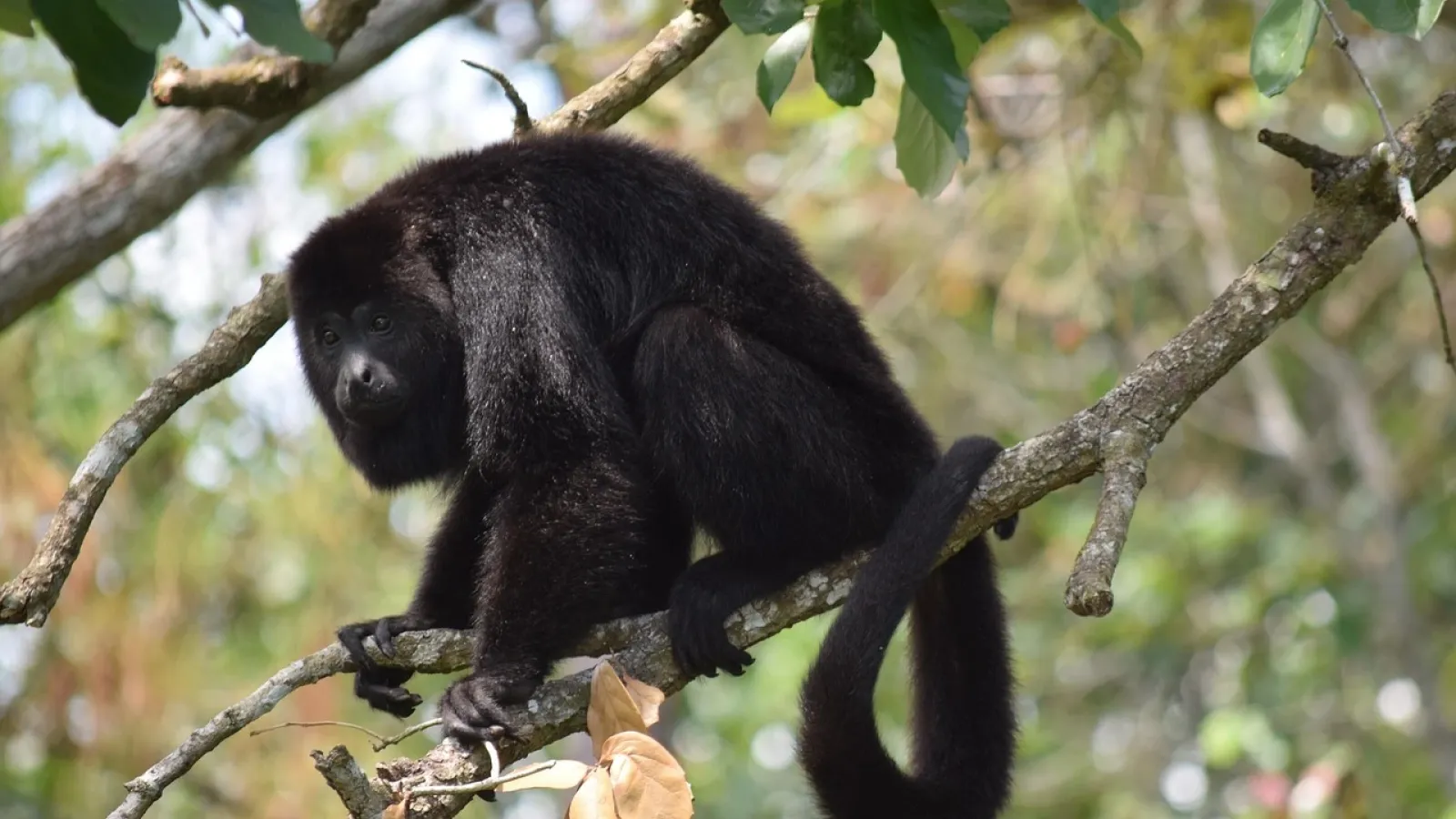
Top places to visit
Popular Attractions
in Belize
-
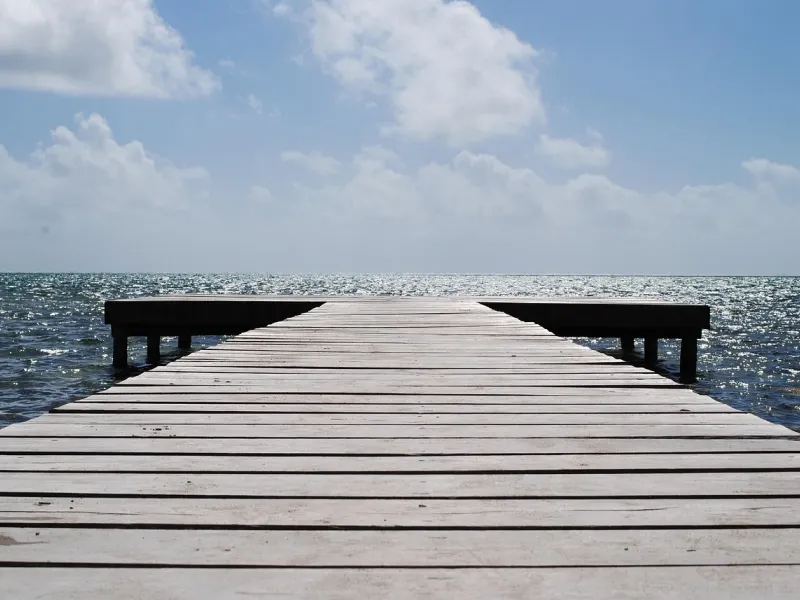
Belize Barrier Reef: Nature’s Masterpiece
A UNESCO World Heritage Site, the reef is a sanctuary for divers and snorkelers. Swim through vibrant coral gardens, glide beside sea turtles, and witness one of the world’s most biodiverse marine ecosystems.
-
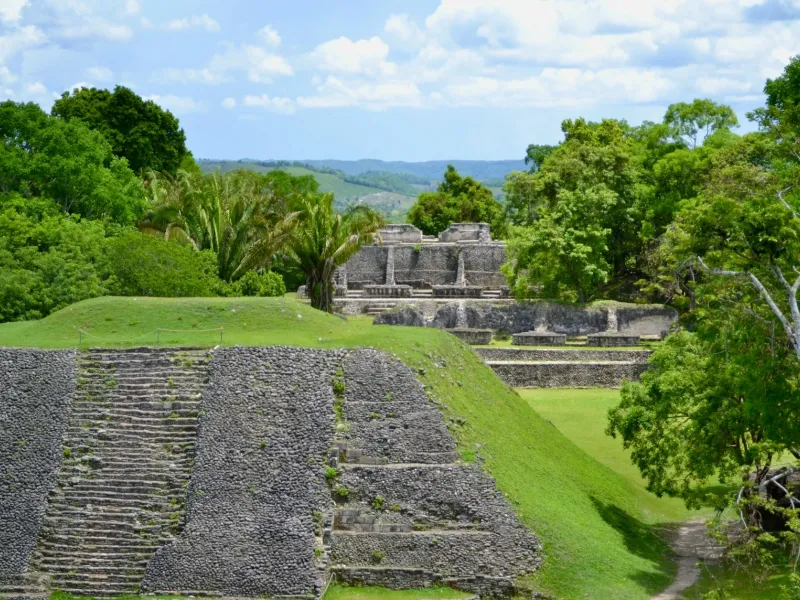
Xunantunich: Echoes of the Maya
This ancient city near the Guatemalan border showcases towering pyramids and plazas that once thrived with Maya civilization. A guided visit reveals the intersection of Indigenous heritage and the modern Belizean identity.
-
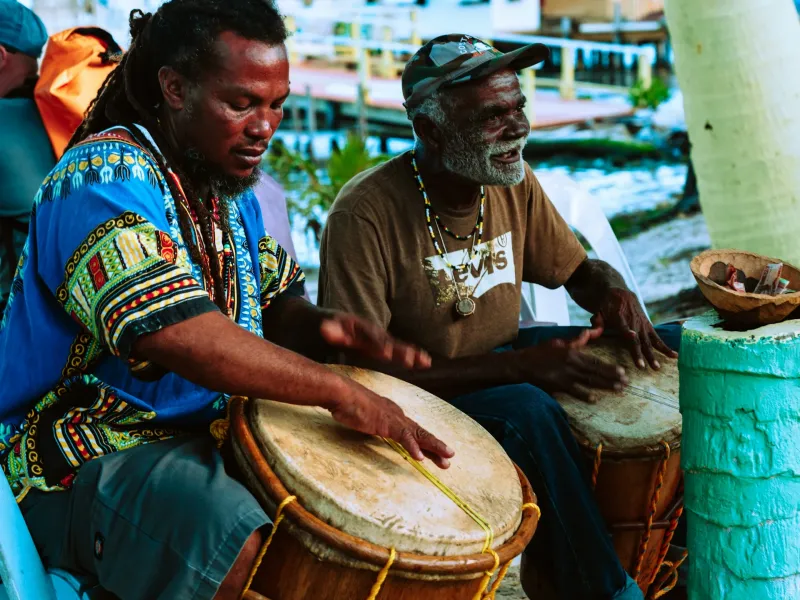
Hopkins Village: The Heart of Garifuna Culture
Known as Belize’s cultural capital, Hopkins offers drumming lessons, cassava bread making, and storytelling from Garifuna elders. It’s a place where Afro-Indigenous traditions remain strong and welcoming to all who seek connection.
The guide
Explore Belize by Interest
Planning
Food and Culture
Heritage and History
Traveler Resources
Deep Expertise
We collaborate with Garifuna cultural leaders, Maya guides, and local ecologists to ensure your Belize experience is immersive and meaningful. From heritage site tours to drumming workshops, LABUSA designs journeys that honor legacy.
Purpose-Driven Travel
Our itineraries directly support cultural preservation and sustainable tourism. Whether planting trees in rainforest communities, dining at family-run eateries, or participating in cultural exchange with Garifuna youth, every trip makes a lasting impact.
Affordable Luxury & Authentic Moments
Stay in eco-lodges in the rainforest, boutique beachfront resorts, or heritage guesthouses in local villages. LABUSA blends comfort with culture, creating an experience where every stay supports community and conservation.
Common questions
Belize Travel FAQs
- How long can I stay in Belize without a visa?
- Thirty days, and it is shorter than almost anywhere else in the region. The UK Foreign, Commonwealth and Development Office states that you can visit Belize without a visa for 30 days. Travelers arriving from elsewhere in the Caribbean routinely assume ninety, because several destinations nearby allow it, so this is the single figure most worth checking before you book a longer trip. Extending is ordinary and it is priced rather than discretionary: it costs 200 Belize dollars for each additional 30 days, and you obtain it by going to the nearest office of the Belize Immigration and Nationality Department and asking for a new stamp. That is an errand to build into an itinerary rather than something to settle at the airport on the way out.
- How long does my passport need to be valid for Belize?
- The country rule is three months and a carrier may want six, so plan for six. The official advice is that your passport must have an expiry date more than 3 months after the date you arrive, counted from arrival rather than from departure. The same advice then adds that some airlines may refuse boarding if the expiry date is not more than 6 months after the date you arrive. Both statements are true at once, and they can point in opposite directions for the same traveler: the country would admit you and the carrier may decline to fly you. If your passport falls between the two, that is a problem far better discovered at home than at a check in desk.
- What is the emergency number in Belize, and what should I know about healthcare?
- Call 911 and ask for an ambulance. The healthcare answer is the more consequential half and the official advice is unusually direct about it: medical facilities in Belize are limited, the availability of prescription medicine is unreliable, and serious medical cases are normally evacuated to the United States at the patient expense. Three things follow. Bring your own medicines in full rather than expecting to buy them. Make sure your policy covers unexpected medical evacuation and not merely local treatment, because a policy that covers only treatment is not adequate for this country. And contact your insurance company quickly if you are referred to a medical facility, which the advice specifically asks travelers to do.
- Do I need malaria tablets for Belize?
- No, and this is the answer most travelers to Central America do not expect. In 2023 the WHO declared Belize malaria-free, and TravelHealthPro states that there is no risk of malaria in Belize. One thing is worth knowing in advance because it looks like a contradiction: the UK health advice page still lists malaria among the risks it links out to, which is a list of links into that same specialist source rather than a separate finding. Bite avoidance still matters, and here it is a daytime habit rather than an evening one. Dengue, chikungunya and Zika are all present, and the mosquitoes that carry them mainly feed during daytime hours, with the dengue ones more common in towns and cities than in the forest.
- Is there a departure tax when leaving Belize?
- There is, and its scope is the part usually left out. If you leave Belize by land, or by water crossing to Guatemala or Mexico, you must pay a departure tax of 40 Belize dollars or 20 US dollars at the border itself. If you leave by air, the tax is usually included in the airfare already, so most visitors never see it as a separate payment. Carry it in cash if your route crosses a frontier overland or by boat, because it is collected at the crossing. One caution about that figure: it is a single charge stated in two currencies for the convenience of people paying at a border, and it is not an exchange rate.
- Does Belize have a World Heritage Site?
- One, and nothing queued behind it. UNESCO lists a single inscribed property for Belize, the Belize Barrier Reef Reserve System, inscribed in 1996 under the natural criteria. The number of sites on the country tentative list is zero, which is unusual: a tentative list is the inventory of properties a state intends to consider nominating, and most countries in this region carry several. So the reef is not the first of a series, it is the whole of the country World Heritage standing. It also carries a long paper trail, with thirteen State of Conservation reports running from 2015 to 2021, and UNESCO own news describing it as a Danger Listed site in 2016 and welcoming an oil moratorium there in 2018.
- Is Belize safe for visitors?
- The official advice is blunt and it has two halves that belong together. It states that Belize has one of the highest per capita murder rates in the world, that other violent crime is also a concern, and that investigations can take several weeks, police capacity is limited and most crimes remain unsolved and unprosecuted. In the same passage it states that tourists are not normally the targets of gang violence, although anyone near an incident could be affected, and that the violence occurs most frequently in Belize City, particularly in the area to the south of the Haulover Creek. Publishing either half without the other misrepresents the advice. The guidance that follows is modest: follow your hotel and the local authorities, and be watchful. For a country most people visit for the water, the more actionable warning is a different one: there have been injuries and fatalities from adventure sports including snorkeling and diving, and travelers are asked to only use registered and licensed operators.
- What currency does Belize use and what is the exchange rate?
- The monetary unit is the Belize dollar, and this page publishes no rate. That is a deliberate limit rather than an omission. This cluster only prints figures it can attribute to a source it has actually read, and for this country no source in its register publishes one. There is a tempting shortcut and it is wrong: the border departure tax is quoted as 40 Belize dollars or 20 US dollars, and dividing one by the other would look like arithmetic and would in fact be our inference rather than the source statement. Your own bank will answer this accurately on the day, in less time than it took to read this paragraph. What the official advice does say about money is more useful anyway, that an extension of stay is priced at 200 Belize dollars for each further thirty days, and that serious medical care may have to be paid for.