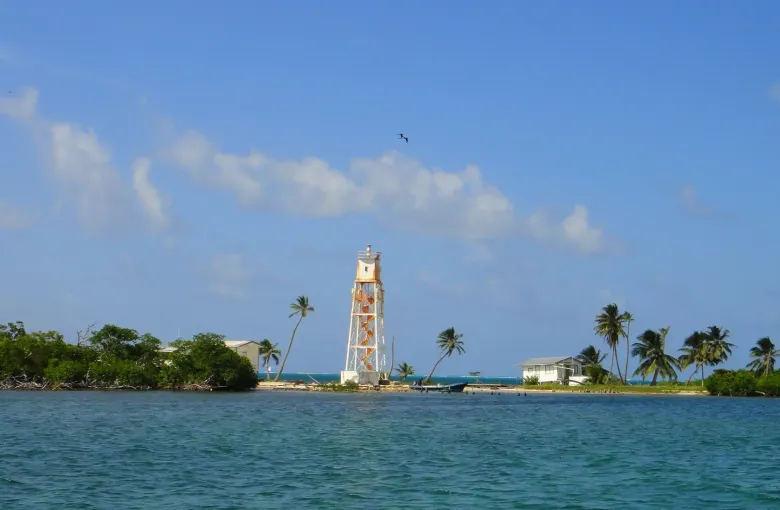
The emergency number is 911.
Call 911 and ask for an ambulance. It is worth fixing that in mind before arrival, because the destinations immediately around this one in our series use four different numbers between them, and the one you used last is as likely to be wrong as right.
The advice adds a step most people would not think of under pressure: contact your insurance company quickly if you are referred to a medical facility for treatment.
What the advice says about crime, in full.
It is direct. Investigations can take several weeks, police capacity is limited, and most crimes remain unsolved and unprosecuted. Belize has one of the highest per capita murder rates in the world. Other violent crime, including armed robbery, shootings, domestic abuse and sexual assault, is also a concern.
It is equally direct about where that is concentrated and about who it involves. Serious gang-related violence occurs most frequently in Belize City, particularly in the area to the south of the Haulover Creek. And in the same passage: Tourists are not normally the targets of gang violence, although anyone near an incident could be affected.
Both halves are the finding. Publishing the murder-rate sentence without the not-normally-targets sentence would misrepresent the advice in one direction; publishing the second without the first would misrepresent it in the other. The guidance that follows from the pair is modest and specific: follow the advice of your hotel and the local authorities, and be watchful of your surroundings.
Demonstrations, and the forested interior.
Political demonstrations take place in Belize City and Belmopan, but most are peaceful. The advice is to follow instructions from local authorities, monitor local media, and avoid large gatherings and demonstrations rather than observe them.
Away from the towns, armed criminals have been active in remote forested areas, particularly the border area with Guatemala and close to tourist sites there. The response the advice asks for is a qualified guide for trips off the beaten track, and accommodation and campgrounds that appear genuine and established. The getting around guide treats that as a travel arrangement, which is what it is.
The water is the risk most visitors underestimate.
There have been injuries and fatalities from adventure sports activities, including snorkeling and diving. The advice names the causes rather than leaving them vague: inadequate safety precautions and severe weather conditions. It asks travelers to check local weather forecasts and to only use registered and licensed operators.
For a destination whose principal attraction is underwater, that is the most actionable sentence on this page. It is also the easiest to act on, because it is a question you can ask at the desk before you pay.
The bite risk here is a daytime one.
This belongs in a safety guide rather than a health one, because it changes a daily habit rather than a medical decision. TravelHealthPro records a risk of dengue and of chikungunya in Belize, and Zika virus as well, and its descriptions agree on the same detail: these are mosquitoes that mainly feed during daytime hours. It adds that the ones which spread dengue are more common in towns, cities and surrounding areas.
Most travelers apply repellent at dusk. Here the habit worth building is applying it in the morning, and in town as readily as on a forest walk. The same source is the one to check for current outbreak information before you travel.
Insurance, and what it has to cover.
The general advice is that No travel can be guaranteed safe and that anyone who chooses to travel should research their destinations and get appropriate travel insurance. For Belize there is a specific thing that insurance has to cover, and it appears in the same office's health advice rather than in its safety advice: Medical facilities in Belize are limited, availability of prescription medicine is unreliable, and serious medical cases are normally evacuated to the US, at the patient's expense.
A policy that covers treatment but not evacuation is not adequate here. That is the single most consequential sentence in this cluster, and the guide for senior travelers works through it properly.
If you would like us to review a group's cover against that requirement before anyone commits, send it to us.
Sources
- UK Foreign, Commonwealth and Development Office: the Belize safety and security page: that the hurricane season is from 1 June to 30 November and that travelers should monitor the US National Hurricane Center and the National Meteorological Service of Belize and follow the National Emergency Management Organisation; that heavy rainfall can cause flooding; that investigations can take several weeks, police capacity is limited and most crimes remain unsolved and unprosecuted; that Belize has one of the highest per capita murder rates in the world; that serious gang-related violence occurs most frequently in Belize City, particularly in the area to the south of the Haulover Creek, while tourists are not normally the targets of gang violence although anyone near an incident could be affected; that armed criminals have been active in remote forested areas, particularly the border area with Guatemala; that political demonstrations take place in Belize City and Belmopan but most are peaceful; that there have been injuries and fatalities from adventure sports including snorkeling and diving, with inadequate safety precautions and severe weather the main causes, and that travelers should only use registered and licensed operators; and that same-sex activity between consenting adults is legal, that the Immigration Act prohibits homosexual persons from entering the country but immigration authorities have not enforced that law, and that San Pedro and Ambergris Caye are relatively open and welcoming. Accessed 21 September 2026.
- UK Foreign, Commonwealth and Development Office: the Belize health page: that the emergency medical number is 911 and that a caller should ask for an ambulance; that travelers should contact their insurance company quickly if referred to a medical facility for treatment; that travel insurance should cover local treatment and unexpected medical evacuation, which matters particularly for anyone with a health condition or who is pregnant; that travelers should check the latest vaccine recommendations at least 8 weeks before the trip; that the health risks it links to include Zika virus, chikungunya virus, dengue and malaria; and that medical facilities in Belize are limited, the availability of prescription medicine is unreliable, and serious medical cases are normally evacuated to the United States at the patient's expense. Accessed 21 September 2026.
- TravelHealthPro, the National Travel Health Network and Centre: the Belize country page: that there are no certificate requirements under International Health Regulations; that in 2023 the WHO declared Belize malaria-free and that there is no risk of malaria in Belize, with bite avoidance still recommended; that there is a risk of dengue in this country and that the mosquitoes which spread it mainly feed during daytime hours and are more common in towns, cities and surrounding areas; that there is a risk of chikungunya, spread by mosquitoes which bite mainly during daytime hours; that Zika virus is spread by mosquitoes which predominantly feed during daytime hours; and that the capital is Belmopan, the official language is English and the monetary unit is the Belize dollar. Accessed 21 September 2026.
- UK Foreign, Commonwealth and Development Office: the Belize travel advice landing page: that no travel can be guaranteed safe, and that anyone who chooses to travel should research their destinations and get appropriate travel insurance. Accessed 21 September 2026.
Other Articles
The Belize Barrier Reef Reserve System: Visitor and Heritage Guide
Getting Around Belize