
Why visit
Why visit Canada?
From the thunder of Niagara Falls to the alpine peaks of Banff, and the city lights of Toronto to historic neighborhoods in Montreal, Canada offers endless experiences for nature and culture lovers alike. Visit art museums, sip local wines, or attend festivals like AfroFest and Caribana. For the African diaspora, Canada holds particular meaning. It was a haven for escaped slaves via the Underground Railroad. In towns like Buxton, Amherstburg, and Chatham-Kent, travelers can trace stories of survival and freedom, while Nova Scotia’s Black Loyalist Heritage Centre keeps ancestral narratives alive.
Top places to visit
Popular Attractions
in Canada
-
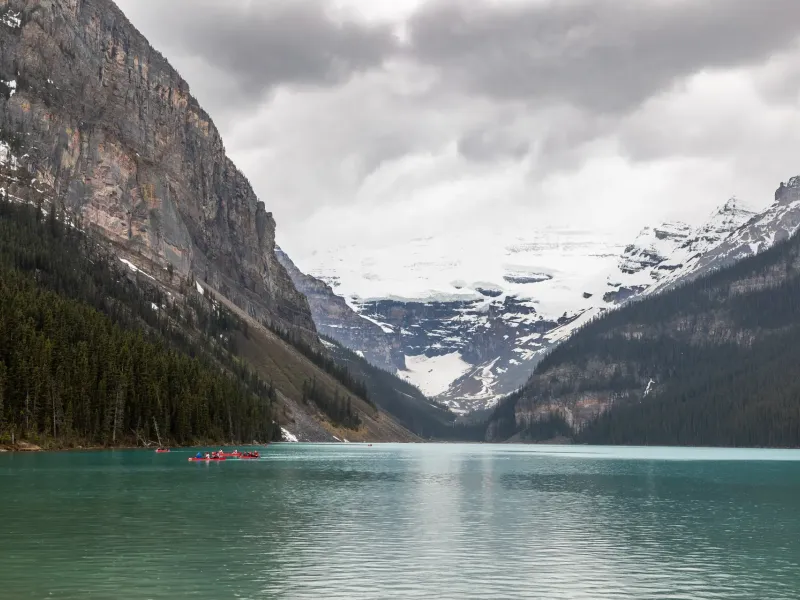
Banff National Park: Alpine Majesty in the Rockies
Banff is where nature truly humbles. Turquoise lakes like Lake Louise and Moraine reflect snow-draped peaks, while wildlife like elk and grizzlies roam vast wilderness. Whether hiking alpine trails, soaking in natural hot springs, or sipping coffee in a mountain lodge, Banff offers pure, cinematic serenity.
-
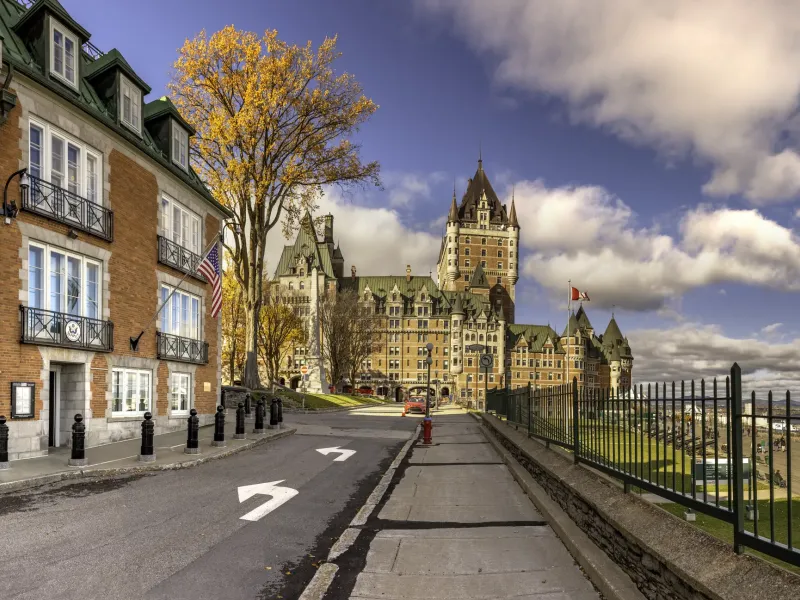
Old Québec: A French Fairytale in North America
Step into a UNESCO-listed storybook in Québec City. Cobblestone streets, 17th-century stone buildings, and fortress walls tell tales of colonial history and French-Canadian culture. Savor classic poutine, hear live street violinists, or explore Château Frontenac, Canada’s most photographed hotel. It’s Europe, without jet lag.
-
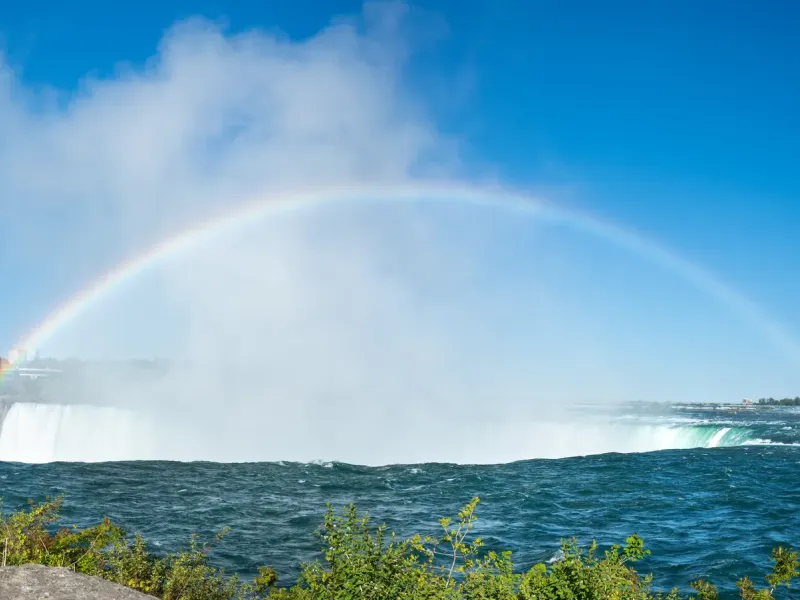
Niagara Falls: Nature’s Thunderous Theater
Straddling the U.S. border, Niagara Falls is one of the world’s most iconic natural spectacles. Feel the power from a boat tour at Horseshoe Falls’ base, stroll scenic overlooks, or experience the nightly light show. Beyond the falls, discover wineries, historic towns, and serene walking trails through the Niagara Peninsula.
The guide
Explore Canada by Interest
Planning
Food and Culture
Heritage and History
Traveler Resources
Before you go
Canada
Travel Guide & Tips
-
Best Time to Visit Canada
Summer (June to September) is when the largest share of the country is usable at once: mountain passes clear, park shuttles run, the coastal ferries keep full timetables, and daylight runs long in the north. Fall (late September to October) brings color to the Laurentians and the Cabot Trail with thinner crowds. Winter (December to March) is not an off season. It is a different product with its own peak pricing, built around skiing, northern lights, and carnival. Spring (April to May) is the quietest and the least predictable, with mud season in the mountains and a short window before summer rates begin.
-
Experiences & Activities
- Walk the ramparts and streets of Old Quebec, a UNESCO World Heritage site
- Drive the Icefields Parkway between Banff and Jasper in the Canadian Rockies
- Stand at the rail above Horseshoe Falls at Niagara
- Follow Black Canadian history through southwestern Ontario and Nova Scotia
- Cross the prairies by train with VIA Rail
- Watch for whales off Newfoundland, British Columbia, and the Gulf of St. Lawrence
-
Canada Travel Tips
- Canada is the second largest country on earth, so plan one or two regions rather than all of it
- Six time zones cross the country, so check local time before booking a connection
- Cannabis is legal for adults across Canada and illegal to carry across the border in either direction
- Provincial health plans do not cover visitors, so travel insurance is the only cover you have
- Prices are quoted before tax, and the tax differs by province
- French is the working language of Quebec, and English is widely spoken in Montreal and Quebec City
Signature experiences
Signature Canadian
Experiences
-
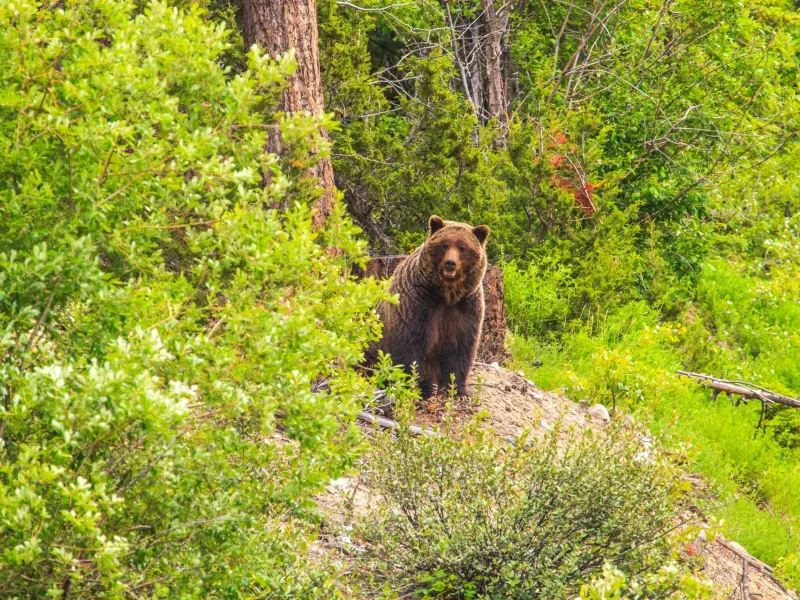
Wildlife and Wild Places
Canada holds grizzly and black bears, whales on three coasts, caribou and moose, and the polar bears of Churchill. Viewing is seasonal and is best done with licensed guides who know the animals and the distances to keep.
-
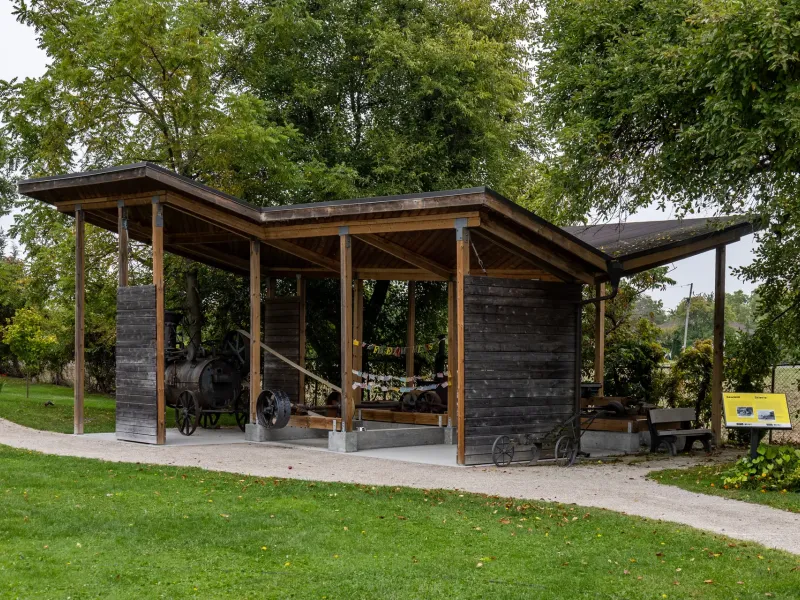
Black Canadian Heritage
The Underground Railroad ended here. Follow it through Dresden, Amherstburg, Chatham, and Buxton in southwestern Ontario, and on to Birchtown in Nova Scotia, where the Black Loyalist Heritage Centre tells the story of the largest free Black settlement in British North America.
-
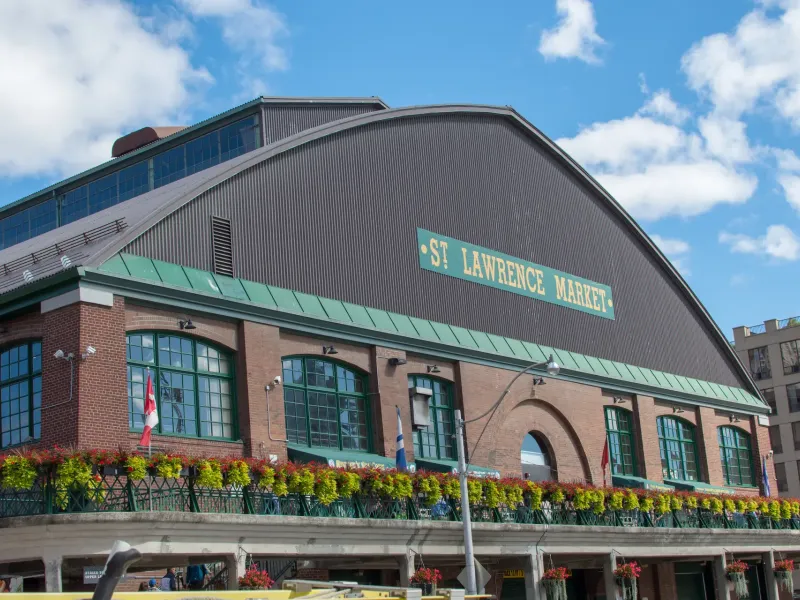
Food Across the Regions
Eat your way across the country, from Montreal bagels and smoked meat to Atlantic lobster, Alberta beef, Pacific salmon, and Quebec cheeses. Toronto and Vancouver put the country’s immigration history on a plate.
Deep Expertise
Our Canadian experiences are built in partnership with Indigenous communities, environmental stewards, chefs, and historians. Join a First Nations-led foraging walk in British Columbia, tour Montréal’s underground art scene, or stay in a lakeside eco-lodge hosted by Métis elders.
Purpose-Driven Travel
LABUSA is committed to travel that uplifts: culturally, economically, and environmentally. Whether supporting forest conservation in British Columbia or artisans in Nova Scotia, every experience helps protect Canada’s vast natural beauty and cultural richness.
Affordable Luxury & Authentic Moments
From luxury wilderness lodges in Alberta to design-forward boutique stays in Toronto and Québec, our accommodations are handpicked for their charm, location, and cultural resonance. You’ll experience Canada not only in the views, but in the stories woven into every space.
Common questions
Canada Travel FAQs
- Do I need a passport to visit Canada?
- The Canada Border Services Agency recommends that US citizens travel with a valid passport, regardless of age, to prove identity and citizenship. It also allows an alternative: documents that show your full name, your date of birth and your citizenship, used in combination if no single one carries all three, with separate photo identification if your proof of citizenship has no photograph. A US enhanced driver license is one of the examples it gives. Carry the passport anyway. It is the document every airline understands and it removes an entire category of argument at a land crossing. Whatever you carry, a border services officer determines admissibility when you arrive.
- Do Americans need an eTA for Canada?
- No. The Electronic Travel Authorization appears on the same border agency page, in the section headed for international travelers other than US citizens and permanent residents, which is not the part of the page that applies to a US passport holder. Guides written from British or European advice will tell you otherwise, because for those readers the authorization genuinely is the requirement. If you are a US permanent resident rather than a citizen, or traveling with someone who is neither, check which authorization applies before you book. One warning worth repeating from the agency itself: companies charging a fee to help obtain an authorization do not act for the Government of Canada.
- Is Niagara Falls a World Heritage Site?
- No, and almost everyone assumes otherwise. The UNESCO State Party record for Canada names 22 inscribed properties and a separate Tentative List of ten, and Niagara Falls is not inscribed and does not appear on the Tentative List either. No nomination is pending. What the falls do have is protection as a Canadian provincial park, continuous since 1885, which is a real and older distinction than the one people credit them with. Four of the five heritage guides in this cluster are inscribed properties: Old Quebec in 1985, the Canadian Rocky Mountain Parks in 1984 and extended in 1990, L'Anse aux Meadows in 1978 and Head-Smashed-In Buffalo Jump in 1981.
- When is the best time to visit Canada?
- It depends entirely on which Canada you are coming for, because the country is wide enough that the regional seasons barely overlap. From late June to early September almost everything is open at once, which is also when Canadians themselves travel, so the mountain parks and the island ferries sell out months ahead. Winter is not an off season here, it is a different product: skiing, the Quebec Winter Carnival in February, northern lights in the territories, and peak rather than discounted prices in the resorts. The best value sits in the shoulder weeks, late May into early June and the second half of September into the first week of October.
- Does Canadian healthcare cover visitors?
- No. Canada has a public health system and it is for residents. The UK Foreign, Commonwealth and Development Office tells British travelers that medical treatment in Canada can be very expensive and that there are no special arrangements for them, and the same arithmetic applies to any visitor without Canadian provincial coverage. Medicare does not travel with you outside the United States. Buy travel insurance that covers local treatment and unexpected medical evacuation, which is what both the FCDO and the CDC advise, and declare any pre-existing conditions honestly when you buy it. The emergency number across the country is 911.
- Can I bring cannabis across the border if it is legal on both sides?
- No, and this is the single most likely way for an American visitor to get into serious trouble on a trip that otherwise feels domestic. Recreational cannabis is legally available in Canada and the laws vary by province and territory. The FCDO is explicit that taking cannabis across the Canadian border without a permit or exemption from Health Canada is illegal and that people who attempt it face arrest, and that Canadian airports have strong detection technology which is also used on transiting baggage. Legal where you bought it and legal where you live does not make it legal to move between them. Leave it behind, in both directions.
- How safe is Canada, and what should I actually worry about?
- Canada is a low risk destination and the things that go wrong are environmental rather than criminal. Wildfire smoke is the hazard most likely to change a trip, and the FCDO records that fires can start at any time whatever the season. The CDC keeps a standing note advising travelers in affected areas to limit time outdoors and wear a NIOSH approved respirator. In the mountains the concerns are avalanches, weather that turns fast, and altitude, which the FCDO names as a risk at Banff and Lake Louise. In the backcountry it is wildlife: pack out all food waste, keep well clear of animals with young, and take particular care where bears have been sighted.
- Do I need to speak French?
- Not to travel, but the courtesy matters in Quebec more than anywhere else in the country. Ethnologue records English and French as Canada's two official languages, alongside 83 living Indigenous languages, 4 more that are now extinct and 17 established non-indigenous languages. Federal institutions operate in both official languages, which is why airport signage and packaging carry the two together. Quebec is majority French speaking and the language has legal protection there, New Brunswick is officially bilingual, and most of the rest of the country works in English. In Quebec, open with bonjour. Many people in Montreal and Quebec City work comfortably in both and will switch if you want them to.
- How much of Canada can I see in one trip?
- Less than the map suggests, and almost every disappointing Canadian itinerary is one that tried for too much. Toronto to Vancouver is farther than New York to Los Angeles, and a drive that looks reasonable is two days. Pick one region and go deep: the Rockies, the Atlantic provinces, Quebec and Ontario, or the Pacific coast. Fly between regions rather than driving them, because the domestic network is good and the distances are not sentimental. In the corridor between Quebec City, Montreal, Ottawa and Toronto the train is genuinely faster and easier than flying, with no security line and room to walk about.