Dates move from year to year and this guide does not print them, because a date in a guide is wrong eventually. What follows is the shape of the year, so you know what to look up.
Winter
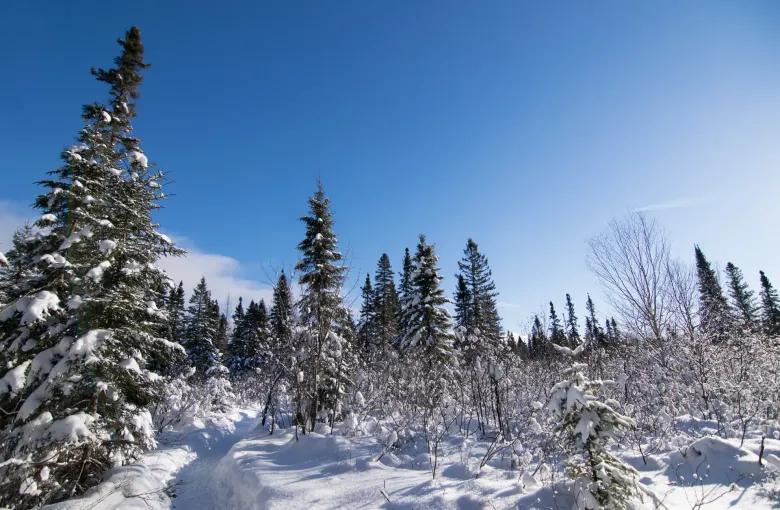
The Quebec Winter Carnival is the largest of its kind anywhere and runs for about two and a half weeks from late January into February. Bonhomme, the snowman figure who presides over it, appears on the city hall and across Old Quebec, alongside ice sculpture, night parades and a great deal of being outdoors on purpose in serious cold. It is the single best argument for visiting Canada in winter.
Winterlude in Ottawa and Gatineau runs across three weekends in February around the Rideau Canal Skateway, which is the world's largest naturally frozen skating surface when the ice cooperates. Montreal en Lumiere fills late February with light installations, music and food. In the west, Whistler and Banff run their own winter programs alongside the ski season.
Summer
The season is short and everything is crammed into it. The Calgary Stampede takes over that city for ten days in July with rodeo, chuckwagon racing and a parade, and the city genuinely stops for it. The Montreal International Jazz Festival in late June and early July is one of the largest music festivals in the world and much of it is free and outdoors. The Toronto International Film Festival in September is a major industry event that is also open to the public.
Caribana in Toronto, properly the Toronto Caribbean Carnival, fills the first weekend of August with mas bands and a parade drawing over a million people. The Celtic Colours festival on Cape Breton in October moves through communities across the island as the leaves turn, which is a very different proposition from a city event.
National days and public holidays
Canada Day on 1 July is the national holiday, with the largest gathering on Parliament Hill in Ottawa. National Indigenous Peoples Day on 21 June marks the summer solstice with events led by First Nations, Inuit and Metis communities. The National Day for Truth and Reconciliation on 30 September is a solemn occasion rather than a celebration, marked by orange shirts and commemorations, and it is one to approach with care rather than curiosity.
Thanksgiving falls in October here rather than November. Victoria Day in late May opens the summer season the way Memorial Day does further south. Boxing Day on 26 December is a public holiday in its own right.
Planning around one
A festival changes a city's accommodation market entirely. Book months ahead for the Stampede, for the Quebec Winter Carnival and for the film festival, and expect prices to reflect it. In the other direction, a festival weekend is the best possible time to be in a place if you want to see it at full volume, and the worst if you wanted it quiet.
Sources
- UK Foreign, Commonwealth and Development Office: Canada safety and security: the record that illegal drugs carry severe penalties including long jail sentences and heavy fines, that recreational cannabis is legally available with laws that vary by province and territory, that taking cannabis across the Canadian border without a permit or exemption from Health Canada is illegal and leads to arrest, that wildfires can start at any time whatever the season with particular risk in western grasslands and forests and in forested parts of Quebec, Ontario and Nova Scotia during the summer, that hurricanes can affect coastal areas from July to November, that avalanches happen in mountainous parts of Alberta and British Columbia, and that hikers and campers should pack out all food waste and take particular care where bears have been sighted. Accessed 17 September 2026.
Other Articles
Old Quebec: Visitor and Heritage Guide
Best Time to Visit Canada