
Why visit
Why visit Mauritius?
Mauritius is a small volcanic island with a reef around most of it, and it is very good at being the thing people book it for. What gets missed is that it is also one of the most concentrated pieces of world history anywhere in the Indian Ocean, and that the two are half an hour apart.
There are two World Heritage properties and they are both about people rather than landscape. Aapravasi Ghat in Port Louis is the remains of the depot that received indentured laborers from India, eastern Africa, Madagascar, China and Southeast Asia from 1849 onward. UNESCO calls it the site from which the modern indentured labor diaspora emerged, and the sole surviving example of a system that eventually moved more than two million people. Le Morne, at the southwestern corner, is the mountain where people escaping slavery sheltered in the caves and on the summit, and which gave the island its old name of the Maroon republic.
Almost everyone who lives here descends from one of those two movements, and the result is a country where Indian, Creole, Chinese and French traditions are not a tourist-board list but the ordinary arrangement of a working week. It shows most plainly in what people eat and in a public calendar that belongs to everyone at once.
The practical picture is genuinely easy by regional standards. The island is small, the roads are sealed, there are no internal flights to connect and there is no altitude. The United States rates Mauritius Level 2 and the United Kingdom advises against travel to no part of it. The one warning worth carrying into the water is stonefish, which is rare and can be fatal, and we set that out plainly on the travel safety guide rather than leaving you to find it.
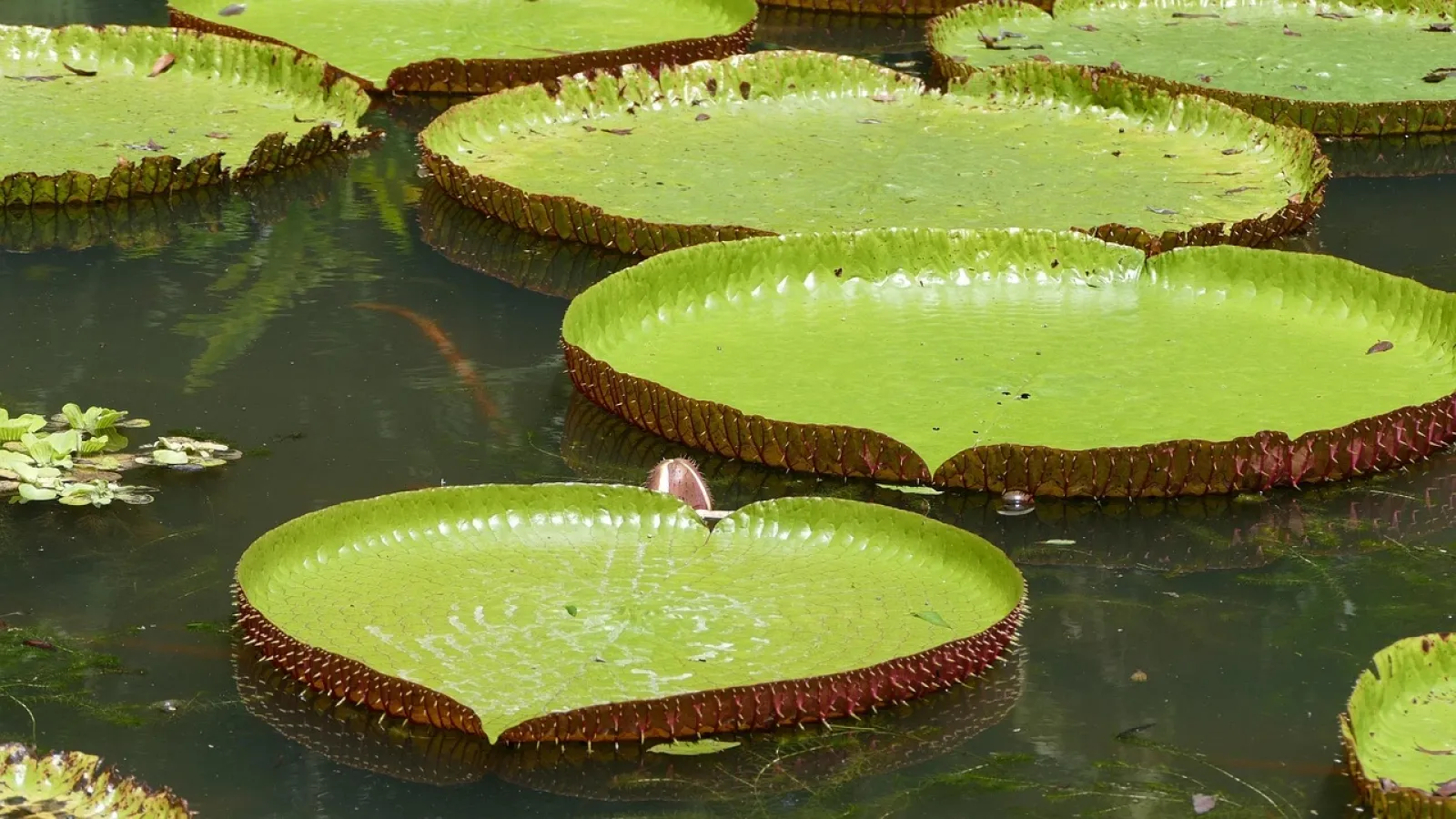
Top places to visit
Popular Attractions
in Mauritius
-
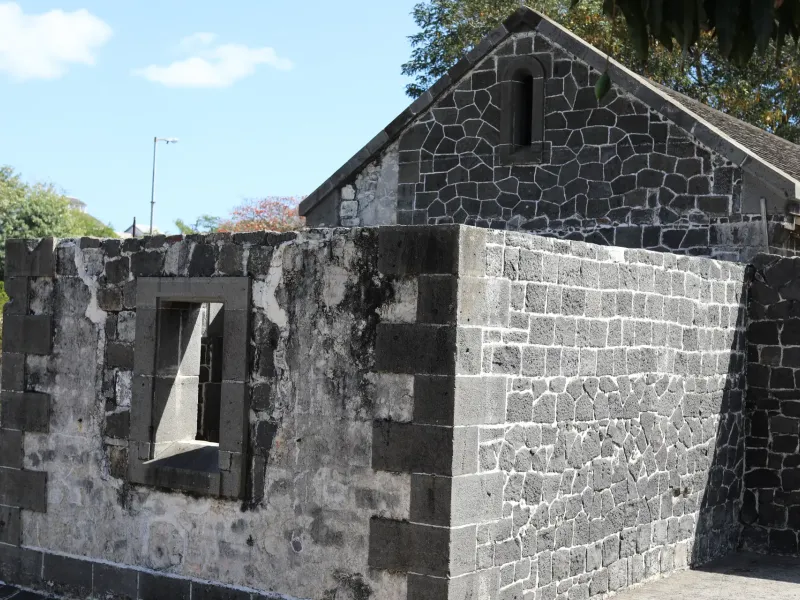
Aapravasi Ghat, Port Louis
The remains of the immigration depot that UNESCO calls the site from which the modern indentured labor diaspora emerged. Built in 1849, it received laborers from India, eastern Africa, Madagascar, China and Southeast Asia, and it is the sole surviving example of the system that moved more than two million people worldwide. See the Aapravasi Ghat guide.
-
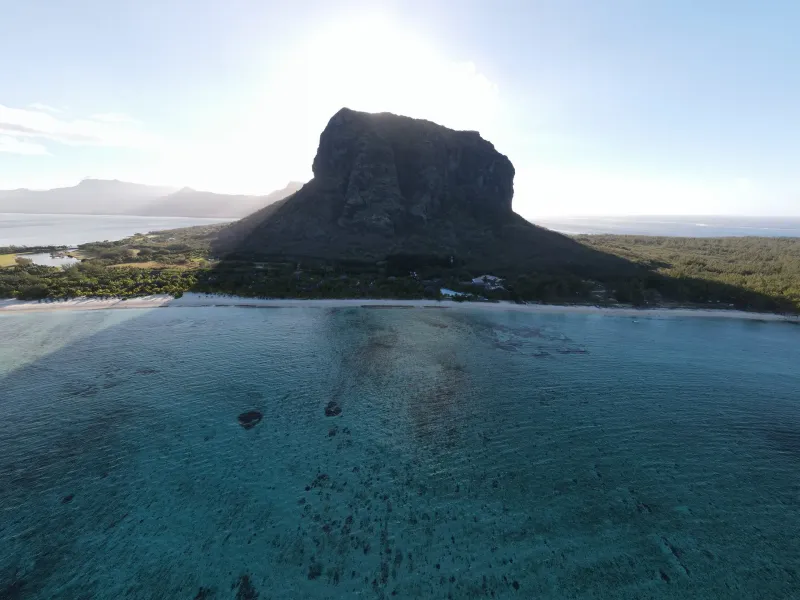
Le Morne Cultural Landscape, Southwest Mauritius
The basalt mountain where people escaping slavery sheltered through the eighteenth and early nineteenth centuries. UNESCO records that the oral traditions attached to those maroons made it a symbol of the fight for freedom, and that the symbolism reaches every place the enslaved came from. See the Le Morne guide.
-
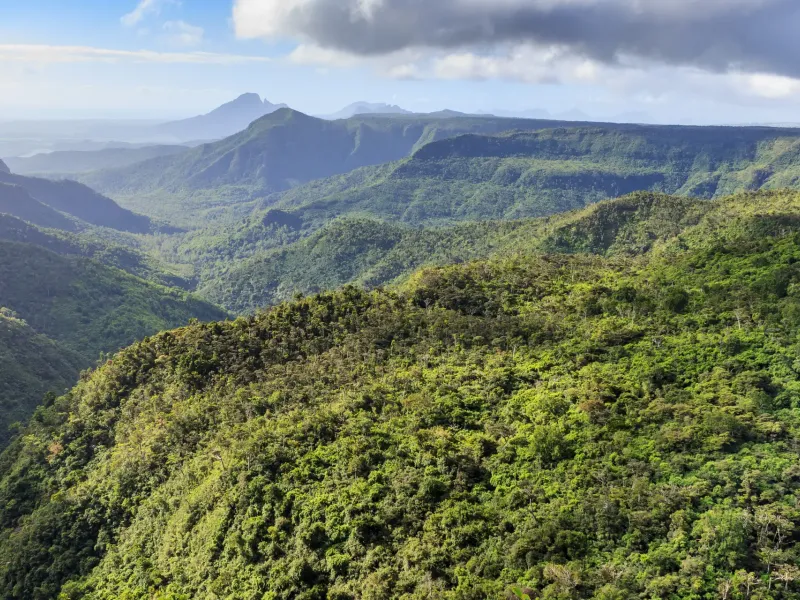
Black River Gorges National Park, Southwest Mauritius
The largest surviving stretch of native forest on the island, proclaimed a national park in 1994, and the last refuge of birds that came within a handful of individuals of extinction. The named viewpoints are reached from the road. See the Black River Gorges guide.
-
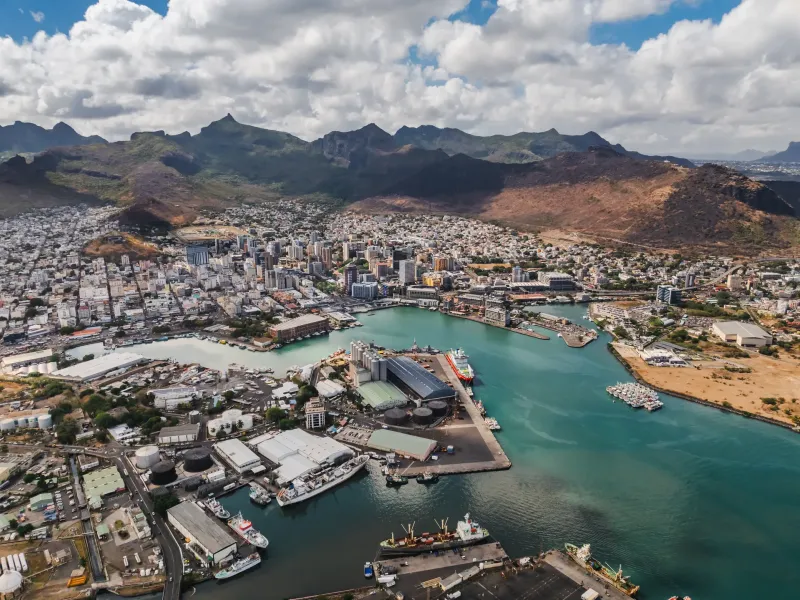
Port Louis and Its Harbor
The capital, the working harbor and the Central Market, and the one place on the island where the four communities that make Mauritius are all visibly present in the same few streets. The Caudan Waterfront is level, modern paving; the market is neither. See culture and etiquette.
-
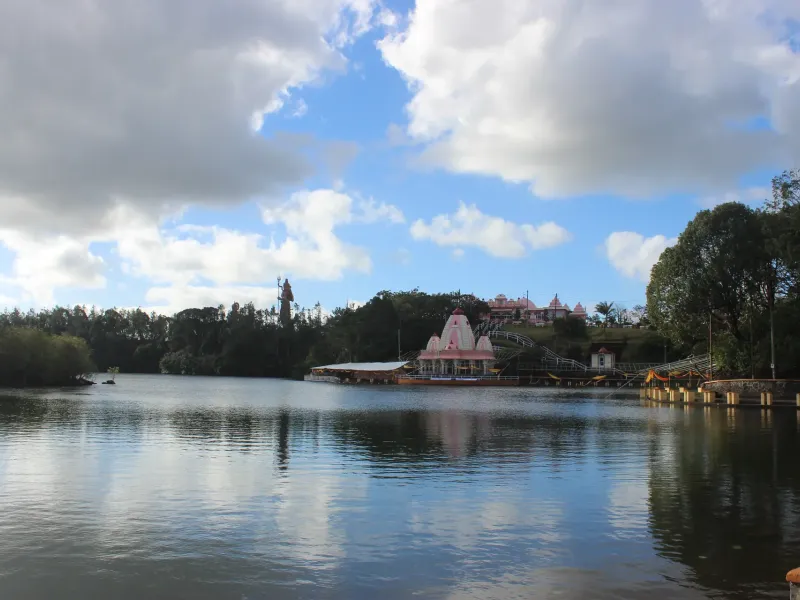
Ganga Talao, Savanne District
A crater lake in the uplands and the most important Hindu pilgrimage site in Mauritius, and the destination of the Maha Shivaratri procession that walks there from across the island. Visit it as a place of worship rather than a viewpoint. See festivals and celebrations.
-
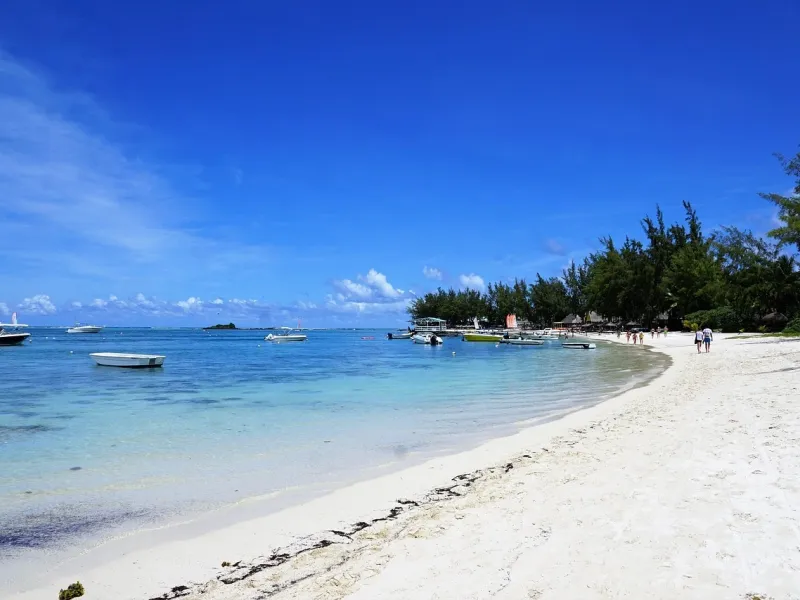
Île aux Cerfs, East Coast
The island off the east coast that most day trips head for, reached by boat across a shallow lagoon. If you go into the water anywhere on this coast, read the note on stonefish in the packing list first: the stings are rare but they can be fatal, and the risk is standing on one.
The guide
Explore Mauritius by Interest
Planning
Food and Culture
Heritage and History
Traveler Resources
Before you go
Planning
a trip to Mauritius
-
Best Time to Visit Mauritius
The cooler, drier months are the straightforward answer for a first trip, and the humid months are what will shorten your days rather than any terrain. Cyclone season is a real planning constraint rather than a formality. See the best time to visit guide and the weather guide.
-
Visas, Money and Getting Around
Mauritius admits most visitors without a visa for a generous stay, and there is a compulsory digital travel form to complete before you fly. The island is small enough that a single base reaches everything, which is the single most useful planning fact about it. See visa and entry requirements, currency and money and getting around.
-
Before You Book
The United States places Mauritius at Level 2, Exercise Increased Caution, for crime, and the United Kingdom advises against travel to no part of the country. The emergency medical number is 999 or 114. Mauritius is also where the wider region flies patients who need complex surgery, which is an unusually strong position for an island this size. It is all in the travel safety guide.
Signature experiences
Signature
Mauritius experiences
-
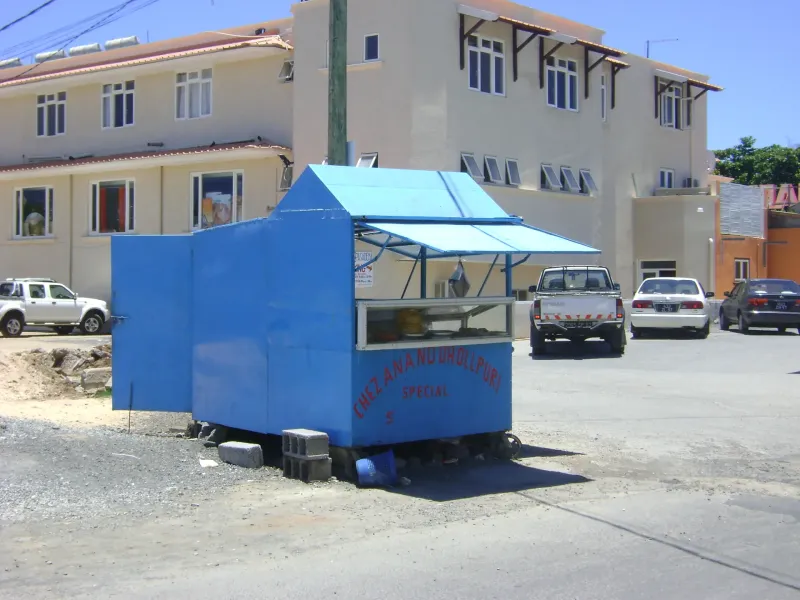
Four cuisines that stopped being four
Indian, Creole, Chinese and French cooking arrived separately and did not stay separate. Dholl puri from a street cart is the national eating experience and costs nothing in particular, and the Central Market in Port Louis is where the argument about the best one happens. Start with the food guide.
-
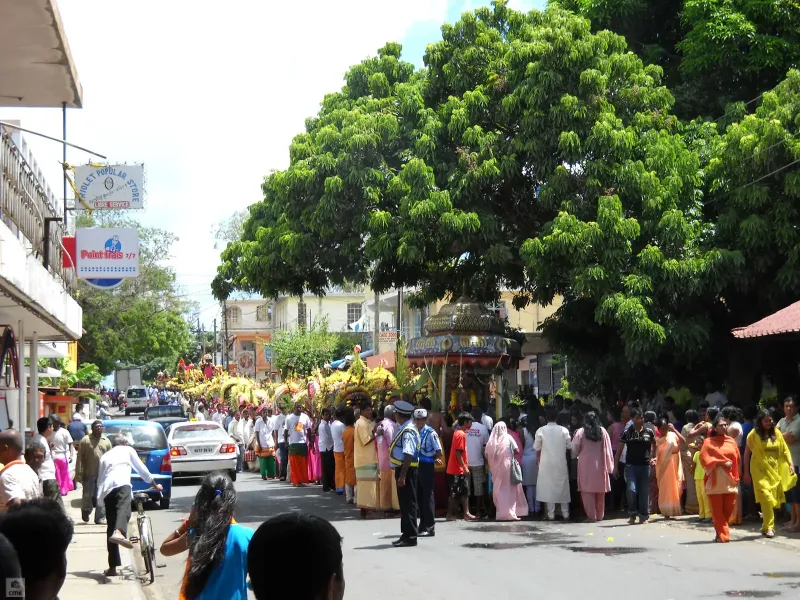
A calendar that belongs to everyone at once
Thaipoosam Cavadee, Maha Shivaratri, Chinese Spring Festival, Eid and the Catholic feasts are all public occasions here, and most of them are attended by people outside the community holding them. That is the island in one sentence. See festivals and celebrations.
-
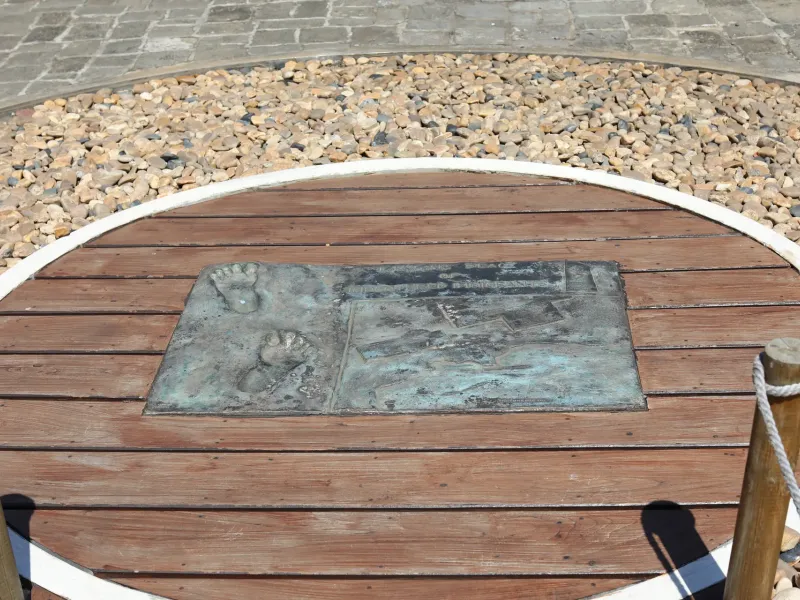
Two diasporas, one island
Mauritius carries the monument to slavery and the monument to the system that replaced it, a generation apart and forty miles apart. Because indenture was contractual, it left records that slavery did not, which makes this an unusual place to trace a family line. See Mauritius and diaspora reconnection.
Why choose LABUSA Travel for Mauritius
We tell you what the governments say
Every practical claim on these pages is attributed to the authority that publishes it and dated, so you can check it against the same source we used. That includes the parts a brochure leaves out, such as the fish on the lagoon floor and what it can do.
We treat the heritage as heritage
Aapravasi Ghat and Le Morne are not photo stops between beach days. We build the trip so they get a morning each and a guide who can carry what they mean, and so that the day after one of them is not the day of the other.
We use the island's size instead of fighting it
One base, short transfers, one outing a day. On an island this small that reaches everything, and it is the difference between a holiday and a schedule.
Group travel is what we do
Family groups, church and community groups, heritage and reunion travel. We handle the arrangements that get harder with numbers rather than easier.
Common questions
Mauritius Travel FAQs
- Do I need a visa for Mauritius?
- Most visitors do not, for a stay of up to sixty days. What you do need is the compulsory digital travel form, which is completed online before you fly rather than on arrival, and a passport with enough validity left on it. Leaving the form until the airport is the single most common way people make the arrival harder than it needs to be. The current requirements, with the authority that publishes them, are on the visa and entry requirements guide.
- When is the best time to visit Mauritius?
- May to October. Cooler, drier, outside the cyclone window, and comfortable for everything from the lagoon to the uplands. December to March is hot, humid, at its wettest and inside the cyclone window, which does not make it a bad time to go: it is cheaper, quieter and the sea is warmest. It does make trip disruption insurance worth having and a tight connection home worth avoiding.
- Is Mauritius safe to visit?
- By the standards of the region it is a straightforward destination, and neither the United States nor the United Kingdom warns against travel to any part of it. The advisory position and the crime picture are set out, dated and attributed on the travel safety guide, which is where we keep anything that can change. The warning most likely to matter to you is not on land.
- What is the one thing to know before getting in the water?
- Stonefish. The stings are rare but they can be fatal, and the risk is standing on one, because the fish sits motionless and camouflaged on the bottom. Wear something on your feet in shallow water, do not put a hand anywhere you cannot see, and get urgent medical attention if you are stung. Many hotels stock antivenom serum.
- How many World Heritage Sites does Mauritius have?
- Two, and both are cultural rather than natural. Aapravasi Ghat in Port Louis is the remains of the immigration depot that received indentured laborers from 1849, and UNESCO calls it the sole surviving example of the system that eventually moved more than two million people worldwide. Le Morne, at the southwestern corner, is the mountain where people escaping slavery sheltered.
- Is Black River Gorges a World Heritage Site?
- No, and it is the thing most often got wrong about Mauritius. Black River Gorges is a national park, proclaimed in 1994, sitting inside a Biosphere Reserve. It protects the largest surviving stretch of native forest on the island and the birds that were brought back from the edge of extinction there. It is thoroughly worth a day. It is simply not inscribed, and the two properties that are inscribed are both about people.
- What language will I need?
- English. It is the language of government and law and is widely understood, and you can travel comfortably in it. Mauritian Creole is what almost everyone actually speaks to almost everyone, and it is a language in its own right rather than a dialect of French. French dominates the media and much of business. A greeting in Creole is disproportionately well received.
- Is there anything to do besides the beach?
- Two World Heritage properties, a national park whose best viewpoints are reached from the road, a working capital with a market and a waterfront, and the most important Hindu pilgrimage site in the country at a crater lake in the uplands. The island is small enough that all of it is reachable from one base, which is the practical fact that most changes how a trip here is planned.
- Can I trace an ancestor who came here as an indentured laborer?
- Possibly, and Mauritius is an unusually hopeful place to try. Because indenture was a contractual system rather than a chattel one, it generated paperwork: names, ages, districts of origin, ships and dates were recorded at the depot. We will not promise that a given name can be found. Approach the institution that holds the archive at Aapravasi Ghat in advance of your trip rather than on the day, and take whatever your family already has, however fragmentary.
- How long should I allow?
- A week is a real holiday here rather than a sampler, and ten days is generous. Unlike most destinations in this program you do not have to choose a region: the island is small and the roads are good, so you can base once and reach everything. Allow a separate day for each of the two heritage sites, and do not put them back to back, because both ask more of you emotionally than physically.