Why visit
Why visit Italy?
Italy offers a sensory journey: walk the Colosseum, glide through Venice’s canals, marvel at Michelangelo in Florence, and feast in the markets of Naples. But beyond the Renaissance façade lies Italy’s colonial legacy in Africa and a contemporary Afro-Italian community shaping cultural identity. Visit exhibitions at Museo delle Civiltà or engage with Black Italian artists in Rome and Milan. For travelers of African descent, Italy reveals a complex canvas of imperial critique, community resilience, and culinary fusion
Top places to visit
Popular Attractions
in Italy
-
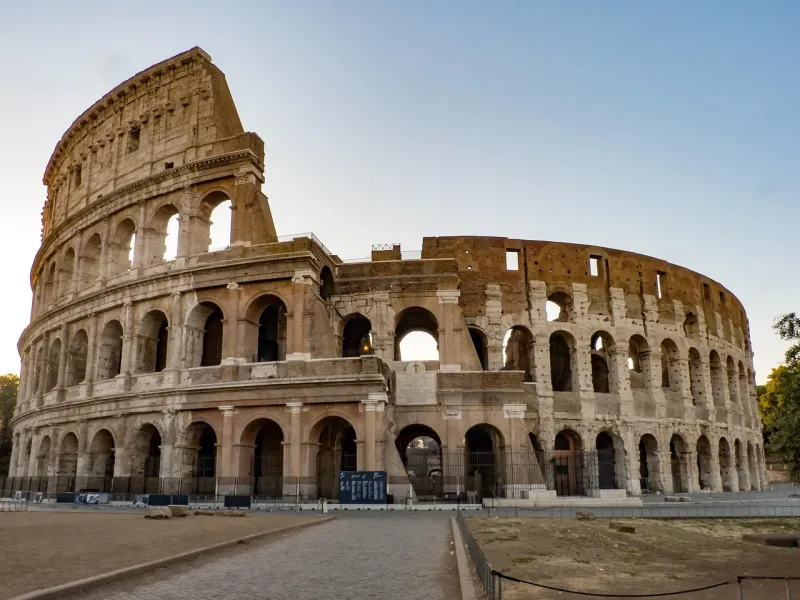
Rome: The Eternal City
A heady mix of grandeur and grit, Rome wears its history like a crown. Walk through the Colosseum’s echoes of gladiators, marvel at the Sistine Chapel’s divine ceiling, and toss a coin into the Trevi Fountain. But Rome’s soul is also in its backstreets, where locals sip espresso in sunlit piazzas and twilight turns cobblestones golden.
-
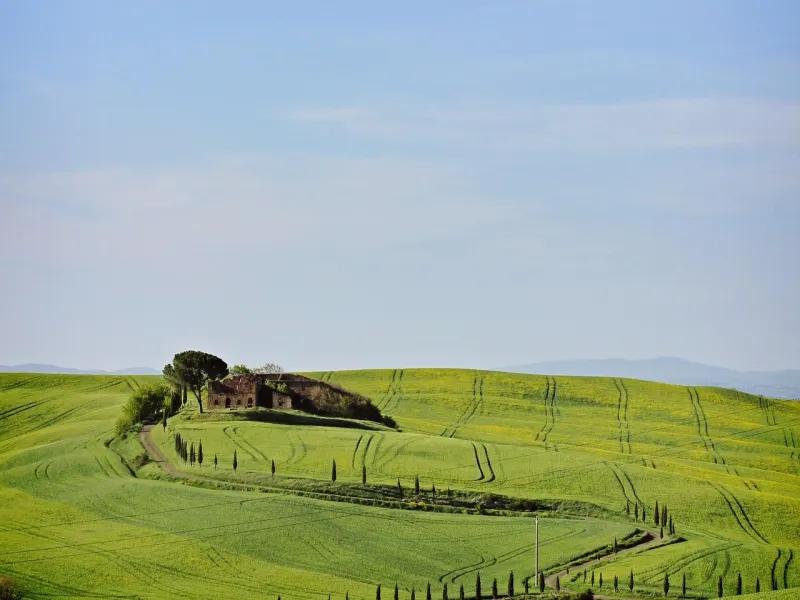
Tuscany: Rolling Hills & Renaissance Light
Tuscany’s magic lies in its pastoral poetry: cypress-lined roads, golden fields, and hilltop towns like Siena and San Gimignano. Explore vineyards that produce world-renowned Brunello and Chianti wines, join an olive harvest, or savor slow lunches beneath grapevines. Tuscany invites you to slow down and savor the art of living.
-
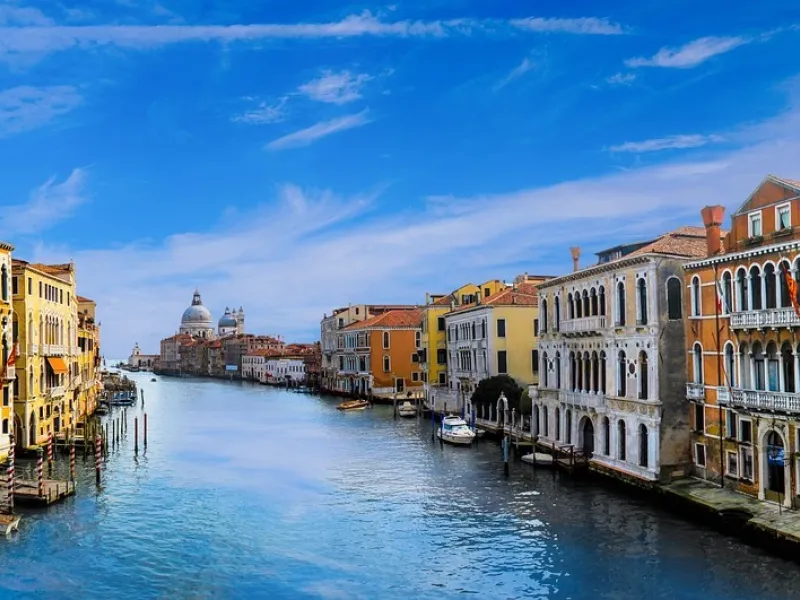
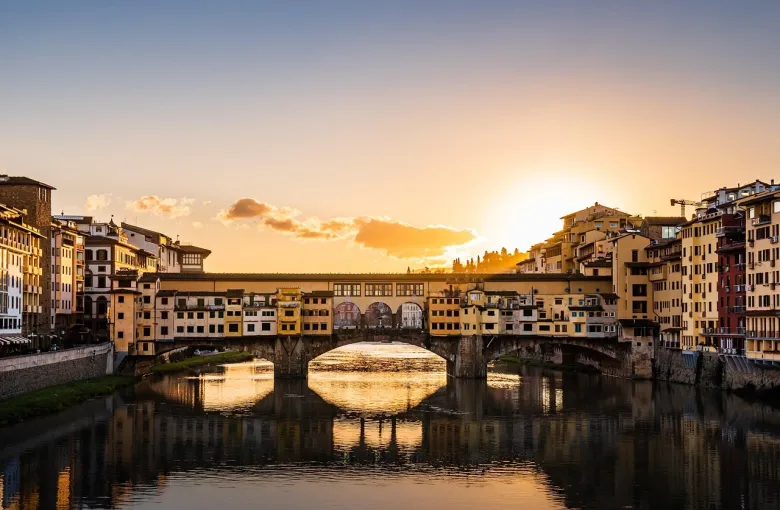
Venice: City of Canals and Secrets
A floating city unlike any other, Venice enchants with misty mornings, masked festivals, and hidden courtyards. Sail down the Grand Canal, visit artisans who still handcraft Murano glass and Burano lace, and get wonderfully lost in alleyways where time seems to pause. Venice is a dreamscape for romantics and wanderers alike.
The guide
Explore Italy by Interest
Planning
Food and Culture
Heritage and History
Traveler Resources
Deep Expertise
Our local partners include historians, vintners, and family-run agriturismos, ensuring each experience reveals the true heart of Italy. From private after-hours museum tours to intimate cooking classes, we curate moments that feel personal and profound.
Purpose-Driven Travel
Every LABUSA Travel journey through Italy is crafted with care and connection. You might learn ancient Etruscan techniques from a local ceramicist, help preserve a medieval vineyard or dine in a home where recipes have been passed down for generations. With us, your presence supports heritage and community.
Affordable Luxury & Authentic Moments
From Renaissance-era villas in Florence to secluded cliffside suites in Positano, our accommodations fuse charm, comfort, and sustainability. Each stay offers not just a bed, but a deeper connection to Italy’s soul.
Common questions
Italy Travel FAQs
- When is the best time to visit Italy?
- April to June and September to October suit almost every kind of Italian trip. The cities are walkable rather than punishing, the sea is warm at both ends of that range, and the crowds are thinner than in summer. July and August are hot and busy, and around Ferragosto on 15 August many family businesses in the cities close for days at a time. Winter is underrated for the art cities and is the season for the Alps.
- Do I need a visa to visit Italy?
- Italy applies the Schengen rules rather than setting its own, and whether you need a visa depends on your nationality and on what you intend to do. Citizens of many countries, including the United States, Canada, the United Kingdom and Australia, may visit for tourism without one for a short stay. The allowance is ninety days in any rolling one hundred and eighty, and it is counted across the whole Schengen area rather than per country, so time spent elsewhere in Europe reduces what is left for Italy. Confirm your own position on the official Italian visa portal before you book.
- What is a ZTL, and does it matter if I rent a car?
- A Zona a Traffico Limitato is a camera-enforced restricted zone covering the historic center of most Italian towns. It matters a great deal. Nothing happens when you drive into one: there is no barrier and no officer, the camera reads your plate, and the fine reaches you months later through the rental company with its own administration charge added. Park outside the walls and walk in, and do not trust a satellite navigation system to keep you out, because many will route you straight through.
- Is Italy safe for visitors?
- Yes. Violent crime against visitors is rare, and the realistic risk is theft without confrontation: a hand in a bag on a crowded bus, a phone off a cafe table. It concentrates around the major sights, the main railway stations and the transport between them. A bag that closes, worn in front in a crowd, and splitting your cards and cash across two places prevents almost all of it. Read your own government current travel advice while you are booking.
- What should I wear to visit churches in Italy?
- Shoulders and knees covered, for men and women alike. This is enforced at the door of the major churches, including Saint Peter Basilica, the Vatican Museums, the Duomo in Florence and Saint Mark in Venice, and no amount of summer heat is an exception. A light scarf in your day bag solves it instantly. Hats come off inside.
- Do I need to tip in Italy?
- Not in the way you would at home. Tipping is not expected in Italy and staff are paid accordingly, so rounding up or leaving a euro or two for good service is generous and completely sufficient. Two lines on the bill confuse visitors and neither is a tip: coperto is a per person cover charge for the table and bread, and servizio, which is much less common, is a service charge. Both must be shown on the menu.
- Do I have to book museum tickets in advance?
- For the headline sights, yes. The Colosseum area uses timed entry with a limited daily allocation, the Vatican Museums should be reserved rather than queued for, and the Uffizi and the Accademia in Florence both sell out in high season. Book from the official sites. Tickets sold on the street outside are sometimes legitimate resellers at a markup and sometimes worthless.
- How accessible is Italy for wheelchair users?
- Harder than northern Europe and better than its reputation. The difficulty is physical and historical rather than attitudinal: cobbled streets, buildings that predate the elevator, and hill towns built for defense. Against that, the major museums are mostly well adapted with step free entrances and priority entry, the railways provide free assistance if it is booked in advance, and Venice is more manageable than people expect because the water buses are the public transport and the main lines are largely step free. Ask hotels for door and elevator measurements rather than trusting a booking site icon.