
Why visit
Why visit Dubai and Abu Dhabi UAE?
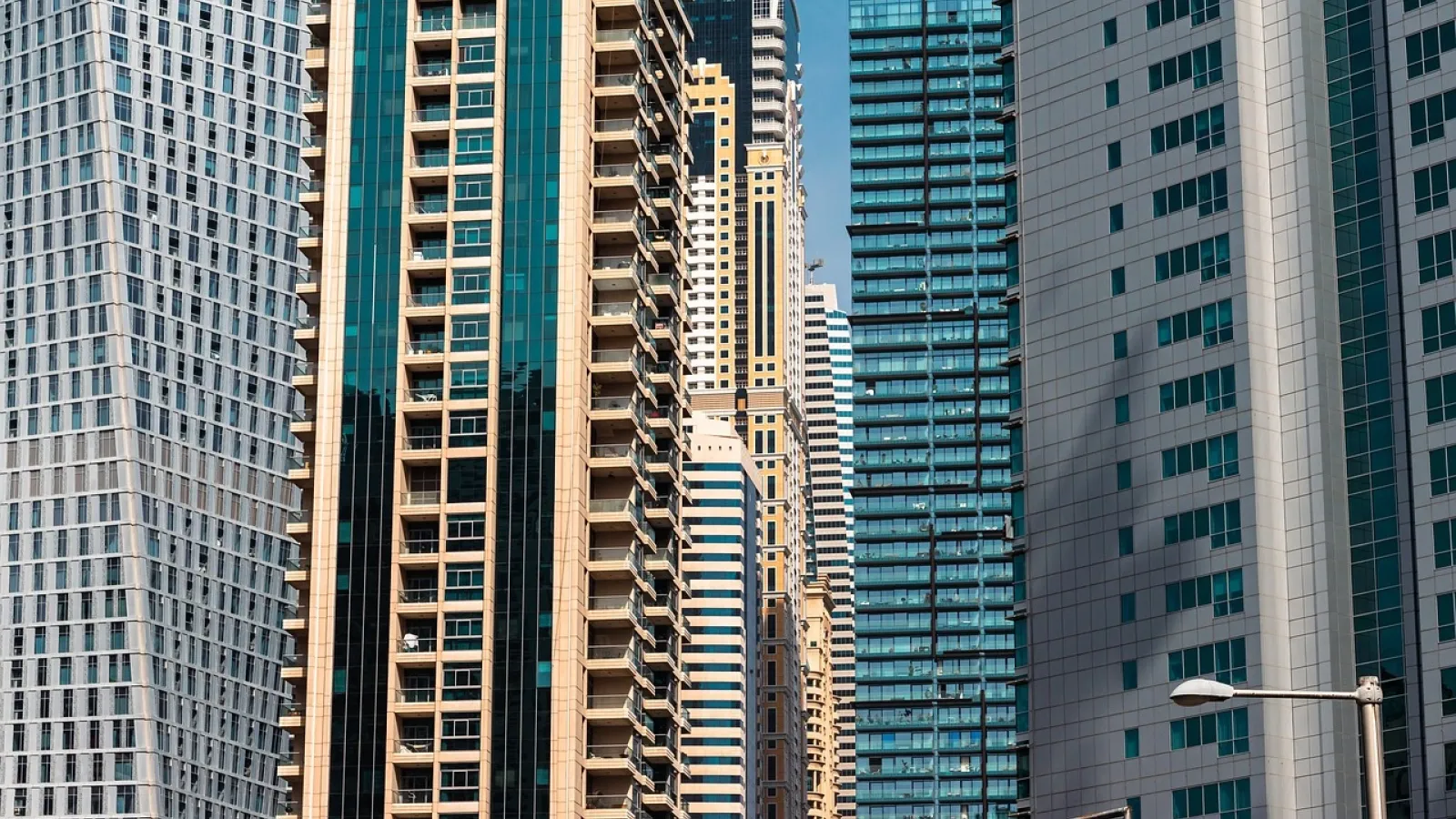
The UAE is a dazzling mosaic of cultures, dreams, and traditions. Dubai offers world-famous landmarks, luxurious experiences, and a global melting pot of ideas and energy. Abu Dhabi, the UAE’s capital, provides deeper cultural immersion through its mosques, museums, and preserved Bedouin heritage. For diaspora travelers, the Emirates offer both modern marvels and meaningful connections to Arab African trading histories and Islamic cultural legacies.
Top places to visit
Popular Attractions
in Dubai and Abu Dhabi UAE
-
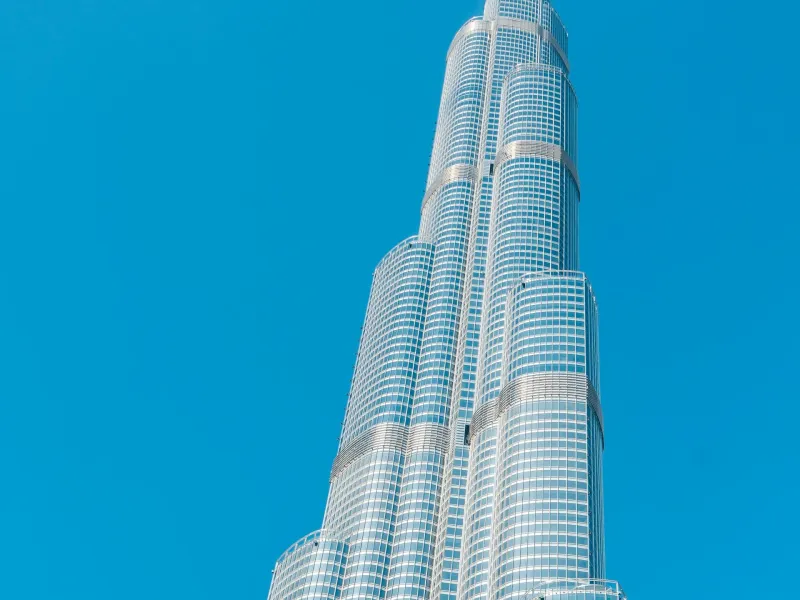
Burj Khalifa
Soar to the top of the world’s tallest building for breathtaking views of Dubai’s futuristic cityscape and vast desert beyond.
-
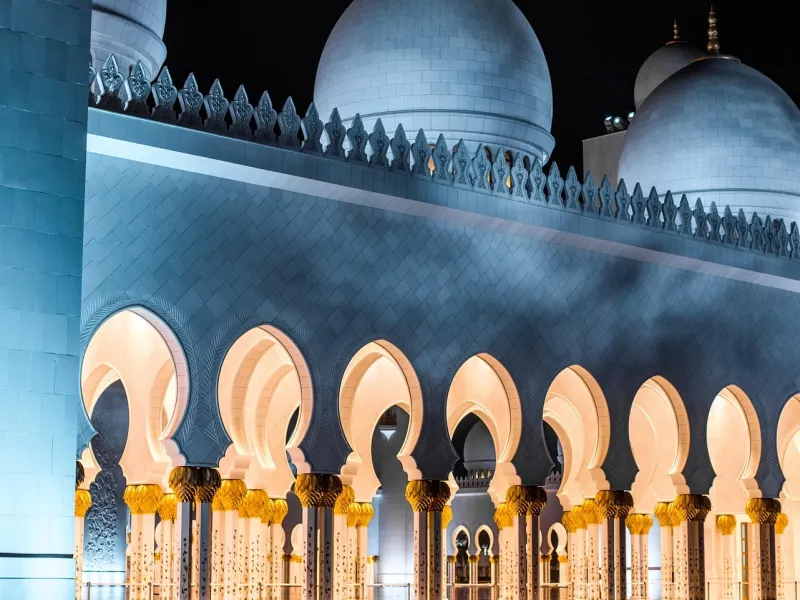
Sheikh Zayed Grand Mosque (Abu Dhabi)
Experience one of the largest and most beautiful mosques in the world — a spiritual and architectural wonder that welcomes visitors of all backgrounds.
-
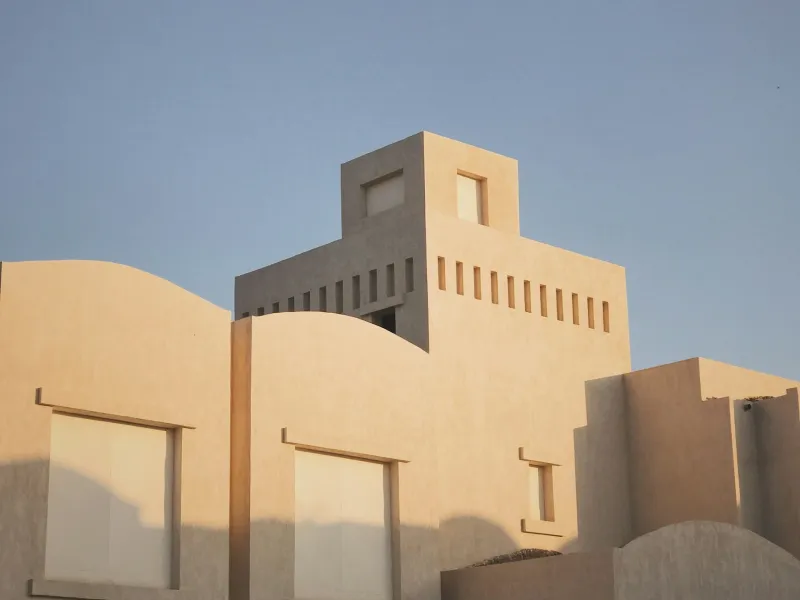
Al Fahidi Historical Neighborhood (Dubai)
Step back in time in this restored heritage district with its winding alleys, art galleries, cultural museums, and traditional wind-tower architecture.
-
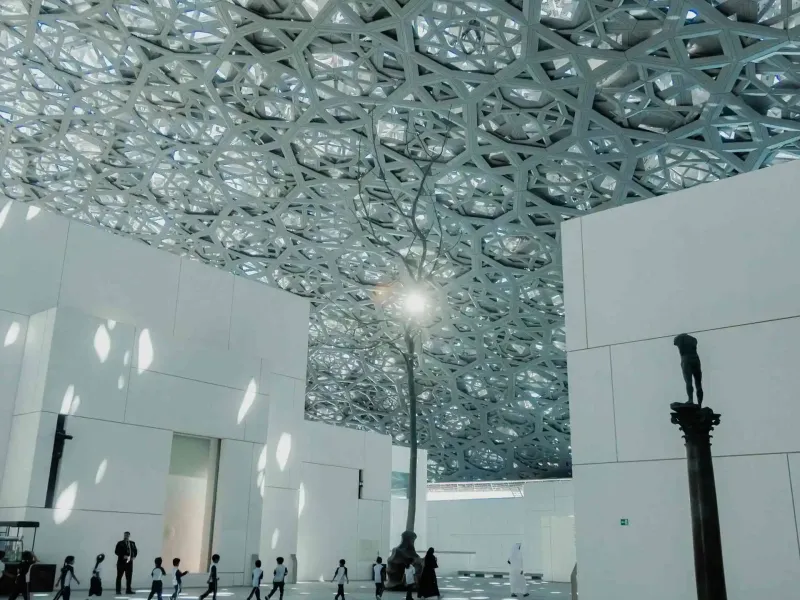
Louvre Abu Dhabi
Explore a groundbreaking museum where art and ideas from across civilizations come together under a stunning modern dome inspired by ancient designs.
-

Desert Safari and Bedouin Cultural Experiences
Ride the rolling dunes, experience traditional Emirati hospitality, and connect with the desert’s timeless spirit through falconry shows, storytelling, and cultural feasts.
The guide
Explore Dubai and Abu Dhabi by Interest
Planning
Food and Culture
Heritage and History
Traveler Resources
Diaspora Heritage Extension: Sharjah and the East Coast
Tracing Trade, Spirituality, and Cultural Dialogue
Extend your journey to Sharjah, the UAE’s cultural capital, and the East Coast, where African Arab maritime trade routes once flourished. Discover historic mosques, vibrant art scenes, and the living memory of cross-cultural exchange.
Highlights Include:
- Sharjah Museum of Islamic Civilization
- Khor Fakkan beaches and old dhow ports
- Heritage areas reflecting African Arab seafaring connections
LABUSA Travel’s Diaspora Experience Promise
We create journeys that bridge heritage, history, and heart. In Qatar, we collaborate with local scholars, artists, and cultural custodians to deliver experiences that reveal the country’s soul — honoring both Bedouin traditions and the diverse multicultural influences that have shaped its modern story.
What to Expect:
- Customized itineraries blending luxury, culture, and heritage
- Guided access to Emirati cultural centers and traditional neighborhoods
- Opportunities to engage with local historians, artisans, and elders
- Desert and sea experiences rooted in authentic storytelling
- Full logistical support across Dubai, Abu Dhabi, and Sharjah
Cultural Insight & Regional Expertise
With extensive firsthand experience and trusted local partnerships, LABUSA Travel reveals the true soul of the Emirates — beyond the glittering skyscrapers to the living traditions that shape identity today.
Purpose-Driven Travel for the Diaspora & Beyond
Our itineraries celebrate cross-cultural histories, shared ancestral trade connections, and the resilience of communities balancing heritage and modernization — offering profound meaning for diaspora and globally curious travelers.
Affordable Luxury with Impact
We create luxurious, culturally rich experiences at accessible rates, ensuring your journey supports local artisans, cultural institutions, and sustainable tourism initiatives.
Common questions
Dubai and Abu Dhabi Travel FAQs
- When is the best time to visit Dubai and Abu Dhabi?
- November to March, when the days are warm and bright, the evenings are cool and the whole outdoor life of both cities works: beaches, the creek, the desert and the terraces. It is also peak season and priced accordingly. April, May and October are the shoulders and are much better value. From June to September the heat is severe and humid, the sea is too warm to cool you and both cities move indoors.
- Do I need a visa for the UAE?
- Most visitors from Europe, North America, Australasia and much of Asia receive entry on arrival without arranging anything in advance, and immigration at both airports is largely automated and quick. Others apply beforehand. The visa is federal rather than per emirate, so one entry covers Dubai, Abu Dhabi and the rest. Check the official UAE government portal rather than a third party visa site.
- What medication can I not bring into the UAE?
- This is the most important practical question on this page. The UAE controls a wide range of substances and medicines that are routine prescriptions elsewhere can be controlled or prohibited here, including some strong painkillers, sleeping tablets and some psychiatric and ADHD medication. Approval must sometimes be obtained in advance and there is a formal process for it. Travelers have been detained at UAE airports over medication they carry legally at home. Check your specific medicines against the current controlled list, carry everything in original labeled packaging with the prescription, and apply for approval where it is required.
- Can I drink alcohol in Dubai and Abu Dhabi?
- Alcohol is served to visitors in licensed venues, which in practice means hotels and a defined set of restaurants and bars, and it is expensive. The rules on personal purchase and licenses have changed in recent years and differ by emirate: Sharjah is dry, and what applies in Dubai does not necessarily apply an hour up the road. Two things are constant wherever you are. Being drunk in public is an offense, and the drink driving threshold is effectively zero with severe penalties including imprisonment.
- What should I wear in Dubai and Abu Dhabi?
- It depends on where you are, and the standard is contextual rather than absolute. Shoulders and knees covered in malls, souks, museums and government buildings, where the dress code is posted at the entrance. Swimwear at pools, beaches and beach clubs only. Full cover and a headscarf for women in mosques, which Sheikh Zayed Grand Mosque provides and enforces at the door. Something smart for the evening, because both cities dress up. And a warm layer, because the air conditioning is fierce.
- Is Dubai safe for visitors?
- Extremely safe from crime, and stricter in law than the skyline suggests, which is the gap that catches people out. Public displays of affection, swearing and rude gestures including in a traffic dispute, photographing people without consent, and anything read as insulting can all bring police attention. Drug penalties are severe and trace amounts have been prosecuted. Read your own government current travel advice, and treat the medication question above as the serious one.
- How do I get between Dubai and Abu Dhabi?
- A fast highway and roughly ninety minutes to two hours depending on traffic. The options are an intercity bus, which is cheap and frequent, a taxi or private transfer, which is straightforward but not cheap over that distance, or a hire car. Many visitors base in one city and day trip to the other. If you are seeing much of Abu Dhabi, staying a night saves doing the drive twice.
- Does the UAE have a World Heritage Site?
- Yes. The Cultural Sites of Al Ain, inscribed in 2011, cover oases, Bronze Age tombs at Hafit and Hili and the falaj irrigation system, about ninety minutes inland from Abu Dhabi. Neither the Burj Khalifa, nor Louvre Abu Dhabi, nor the Al Fahidi historic district is inscribed, although the Dubai Creek area has been proposed. If you want a World Heritage day out, Al Ain is it, and it is a quieter and very different experience from the two cities.