The quick answer
The UAE is among the easiest destinations in the region for travelers with mobility needs. Most of it was built recently, accessibility has been an explicit government priority in Dubai for some years, and the results show: the Metro, the malls, the museums, the airports and several beaches are genuinely well equipped. The heat and the old districts are where it gets hard.
What works well
The Dubai Metro
Step free throughout, with lifts at every station, tactile guidance, level boarding and dedicated spaces on trains. It is the best way for a wheelchair user to cross the city and it is inexpensive.
Airports
Both Dubai and Abu Dhabi are modern, spacious and well equipped, with assistance available when requested through the airline in advance and reconfirmed. Dubai in particular has invested in provision for hidden disabilities, including a sunflower lanyard scheme and quiet routes, which is worth asking about.
Attractions and museums
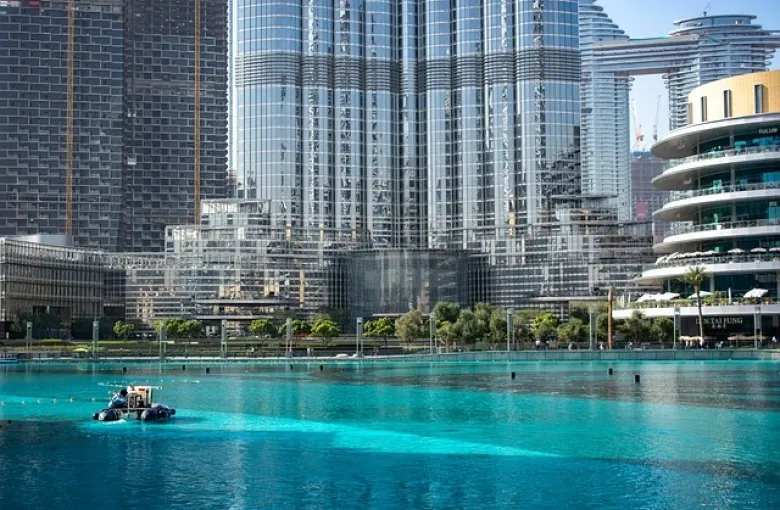
The Burj Khalifa observation decks, the Dubai Mall, the Louvre Abu Dhabi and Sheikh Zayed Grand Mosque are all step free with lifts, and several loan wheelchairs free. The Grand Mosque has a dedicated accessible route and provides abayas at the entrance. Theme parks on Yas Island are well provided for.
Beaches
Both emirates have adapted public beaches with beach wheelchairs, ramps and accessible facilities. Ask which specific beach before traveling to one.
Hotels
International chains have accessible rooms and understand the requirement. Book early; there are few and they go.
What is harder
- The heat. The real constraint for much of the year, and a medical risk rather than a comfort issue for many travelers. Plan the cool season, and the early morning and evening within it.
- Al Fahidi and the souks. Uneven paving, narrow lanes, steps into shops, and an abra that is a step down into a rocking boat with no accessible option.
- Pavements away from the designed districts, which are interrupted, and long distances between air-conditioned points.
- Desert trips. Four-wheel drives, high steps and soft sand. Some operators offer adapted vehicles or gentler itineraries; ask.
- Abu Dhabi's spread. No metro and long distances mean an accessible vehicle for the day is often the practical answer.
Getting around
Dubai has accessible taxis, which should be booked in advance rather than hailed. Ride-hailing apps are standard vehicles. For a wheelchair user doing more than the Metro spine, a pre-arranged accessible vehicle with a driver is usually the right call, and in Abu Dhabi it is close to essential.
Questions to ask, with photographs
- Step free at the entrance, the room and the restaurant?
- Clear door width, and is the shower roll-in?
- How far from an air-conditioned drop-off to the door?
- For a tour: what vehicle, how many steps, and how long outdoors?
Other requirements
For hearing impairment, English is universal and written information everywhere. For visual impairment, the Metro has tactile guidance and some museums have audio provision, but a guide matters more. Healthcare is excellent; insurance is necessary because treatment is not free. Bring medication in original packaging with documentation, and check it against the controlled list before you travel.
Planning with LABUSA Travel
We ask venues the specific questions above, arrange accessible vehicles in advance, and plan the day around the temperature rather than the map.
Sources
- Visit Dubai, Dubai Department of Economy and Tourism: official visitor information for the emirate of Dubai. Accessed 11 August 2026.
- Experience Abu Dhabi, Department of Culture and Tourism: official visitor information for the emirate of Abu Dhabi. Accessed 11 August 2026.
- The Official Portal of the UAE Government: federal information for visitors, including entry, residence and public services. Accessed 11 August 2026.
Other Articles

Dubai and Abu Dhabi for Senior Travelers
Burj Khalifa and Downtown Dubai: A Visitor Guide