
Why visit
Why visit Colombia?
Colombia draws visitors with Cartagena’s walled city, Medellín’s innovation, and Tayrona National Park’s beaches. Dance through Barranquilla’s Carnival or sip coffee in the lush Zona Cafetera. In Palenque de San Basilio, the first free Black town in the Americas, Afro-Colombian traditions thrive through language, cuisine, and spiritual ceremonies. The Pacific coast region of Chocó is another stronghold of Black cultural pride, offering diaspora travelers a rich journey into music, movement, and ancestral memory.
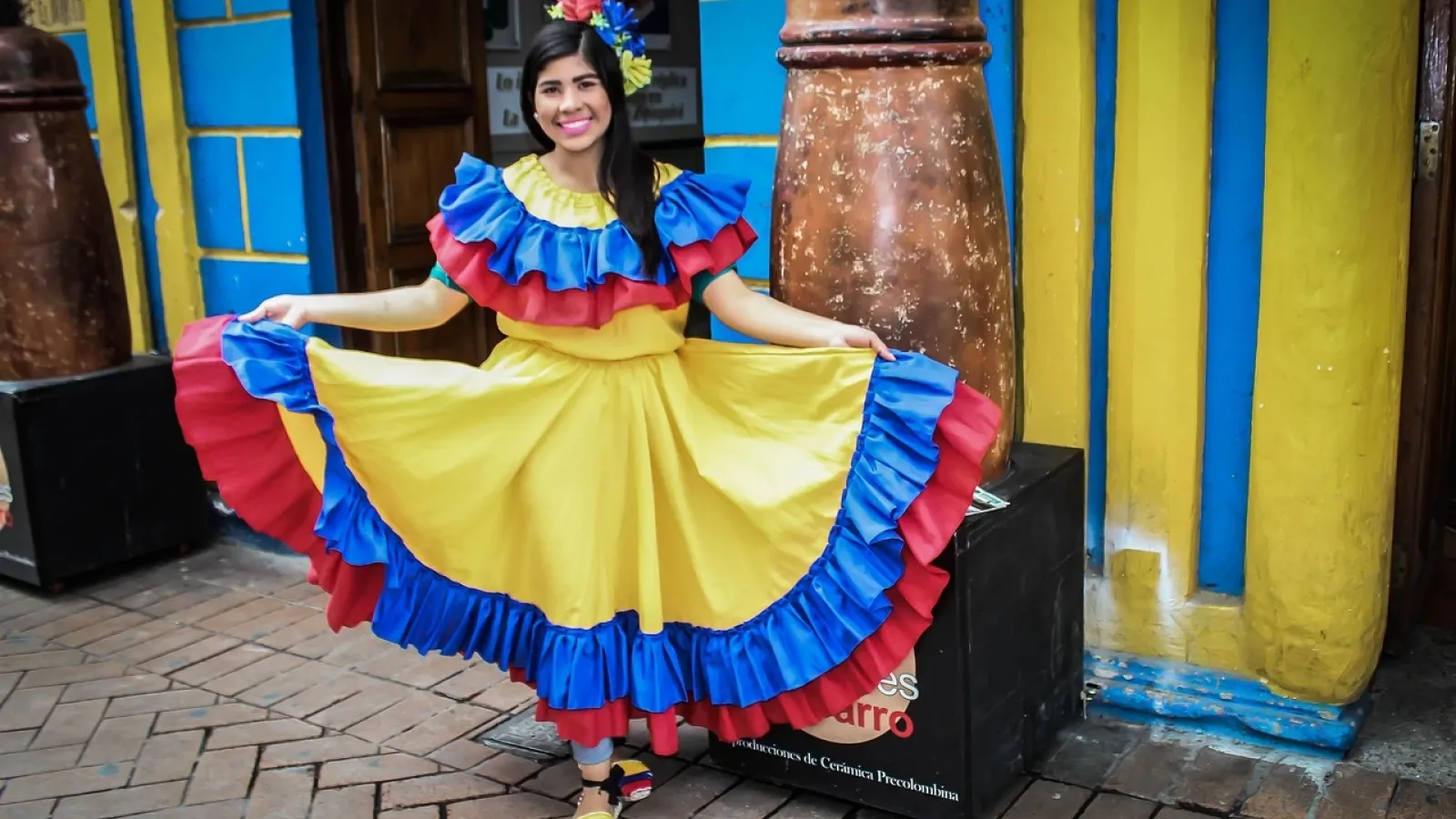
Top places to visit
Popular Attractions
in Colombia
-
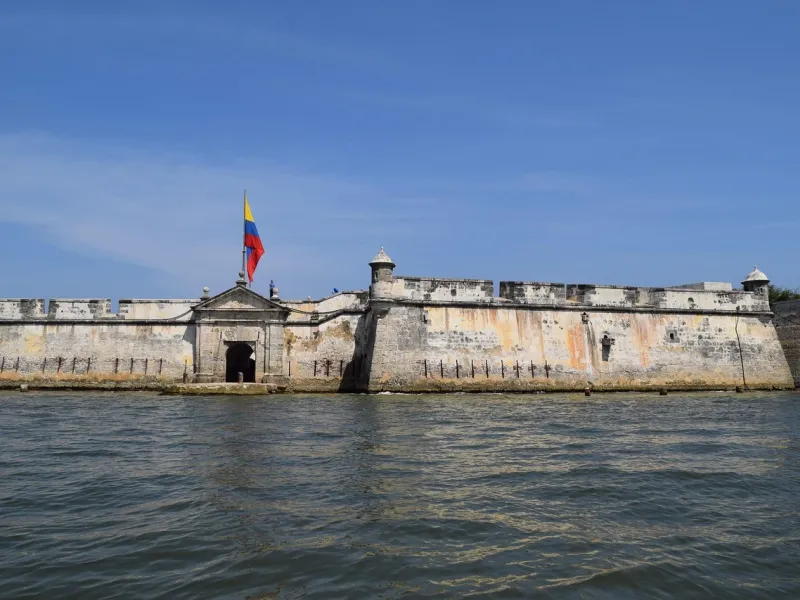
Cartagena de Indias
Cartagena de Indias is Colombia’s crown jewel: a walled city of coral-colored mansions, cobblestone streets, and Caribbean breezes. But beyond its architectural charm lies a vibrant Afro-Colombian culture rooted in centuries of strength and tradition. Visit nearby San Basilio de Palenque, the first free African town in the Americas, where you can hear the Palenquero language and engage with living history. In Cartagena, beauty meets legacy in every rhythm, recipe, and smile.
-
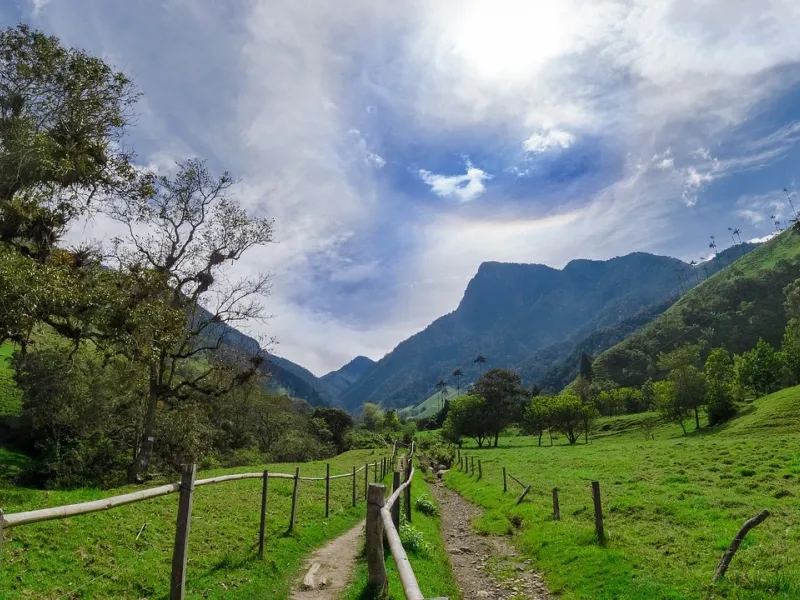
Cocora Valley & The Coffee Triangle
Tucked in Colombia’s lush heartland, the Coffee Cultural Landscape is a UNESCO World Heritage site, and a haven for those seeking serenity and sustainability. Hike through the surreal Cocora Valley, where wax palms (the tallest palm trees in the world) pierce the clouds, and enjoy tastings at family-owned coffee farms. This region isn’t just about coffee; it’s about the slow life, deep flavors, and mountain air that rejuvenates the soul.
-
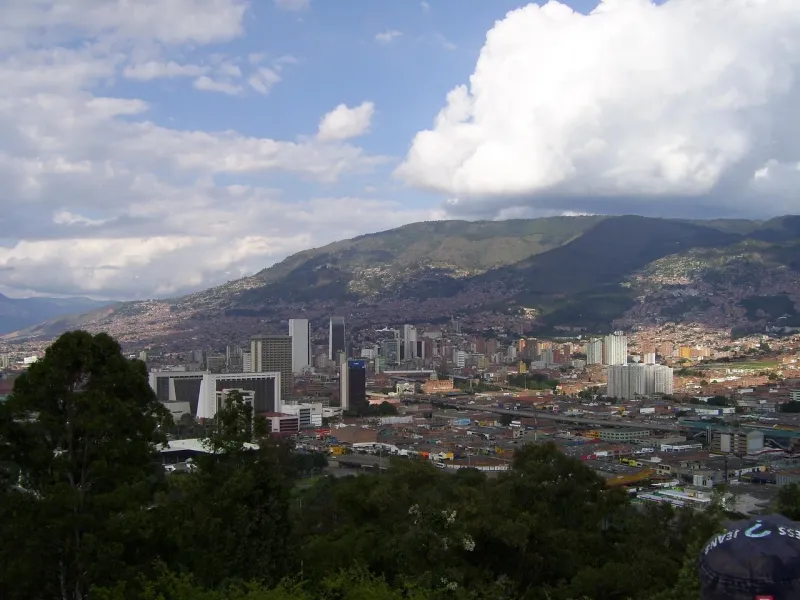
Medellín: Innovation with a Human Heart
Once infamous, Medellín is now a global model for urban transformation and social innovation. Ride the cable cars over the mountainside barrios, explore vibrant art scenes, and discover community-led projects that are rewriting the city's narrative. The warmth of Medellín’s people, known as Paisas, is matched only by their pride in a city reborn. Here, you don’t just see progress. You feel it.
The guide
Explore Colombia by Interest
Planning
Food and Culture
Heritage and History
Traveler Resources
Deep Expertise
Our team partners with Afro-Colombian leaders, Indigenous guides, and cultural storytellers to provide journeys that are respectful, impactful, and deeply human. Whether you're dancing to currulao on the coast or sipping café con leche in the Andes, you’ll experience Colombia through meaningful, local perspectives.
Purpose-Driven Travel
We design itineraries for travelers who want more than a checklist. Our Colombia experiences can include Afro-Colombian drumming workshops, cooking classes with local grandmothers, art walks with community curators, and conservation tours in biodiverse regions. Every activity is curated to awaken awareness and connection.
Affordable Luxury & Authentic Moments
Rest well in restored colonial mansions, eco-lodges in the rainforest, or boutique hotels in buzzing city neighborhoods. LABUSA Travel’s handpicked accommodations combine comfort with authenticity, ensuring your journey supports Colombia’s communities and economy with care.
Common questions
Colombia Travel FAQs
- Do I need a visa to visit Colombia?
- Colombia sets and enforces its own entry rules, and this site does not publish an answer for United States passport holders, because the source cached for this cluster was written for a different nationality and its allowance does not transfer. Ask the Colombian consulate responsible for where you live, close to your travel date. What applies more widely is the mechanics: the cited source records a stay of up to ninety days without a visa for business or tourism, at the discretion of the immigration officer on arrival, and requires that you be able to show an onward or return ticket valid within that period. Airlines check the ticket before boarding, so that rule usually bites at your departure airport rather than in Colombia.
- Do I need a yellow fever certificate for Colombia?
- The two sources this cluster cites do not agree, so it publishes both rather than choosing. The FCDO records that a certificate is required if you are arriving from certain countries with a transmission risk, and that you may also be asked for it when traveling to areas within Colombia considered high risk, and it says to carry the certificate at all times. The CDC records the country requirement more broadly, as vaccination for all arriving travelers aged one year and over, and adds that country entry requirements are subject to change and should be confirmed with the embassy or consulate before departure. Confirm your own position with the Colombian consulate responsible for where you live. If you are vaccinated, carry the certificate: the cost of having it and not needing it is nothing. Note separately that the recommendation and the entry rule are different questions, and that the vaccine needs several weeks of lead time.
- Is malaria a risk in Colombia?
- Yes, and the geography is precise enough to plan around. The cited public health source records transmission in all areas below 1,700 meters, and records no transmission at all in the cities of Bogota, Cartagena or Medellin. So a trip to the capital, the walled city and the Antioquian capital sits outside it, and a trip into the lowlands, the Amazon or the Pacific does not. What to take, if anything, is a question for your own clinician several weeks before you travel, and this site publishes no medication and no dose. Dengue, Zika and chikungunya are on the same cited list of risks and none of them has a vaccine most travelers will be carrying, which makes repellent and covered evenings worth the effort in any lowland region.
- Is it safe to travel in Colombia?
- Colombia has a genuine restricted list and a great deal of country that is not on it. The cited advisory advises against all but essential travel to a set of regions including the Catatumbo region of Norte de Santander, the Uraba and Bajo Cauca regions of Antioquia, the southern part of Bolivar, western Cauca and much of Choco outside Quibdo, Nuqui, Bahia Solano and Capurgana. Read that as a list of regions rather than of departments, because the inverse error is the expensive one: Cartagena is in Bolivar and is not restricted, and Medellin is in Antioquia and is not restricted. Elsewhere the risks are specific rather than general. Criminals use drugs including scopolamine to subdue victims, administered through food, drinks, cigarettes, aerosols and even paper flyers, and they use dating applications to select foreign nationals traveling alone. Express kidnappings are common, often by people posing as taxi drivers and often working from around ATMs at night, so do not hail a taxi in the street and do not use a cash machine after dark.
- What is the emergency number in Colombia?
- Call 123 for an ambulance. Write it down or put it in your phone before you travel, because a short number is exactly what nobody can recall under pressure. Private health facilities in the major cities are good for routine and complex treatment and are expensive, while public facilities and those in smaller cities are generally less well equipped, ambulance services in remote areas are unreliable and public hospitals often lack supplies. Travel insurance covering treatment and medical evacuation is not optional here. One more health note that is more specific than the usual advice: tap water is safe to drink only in Bogota, and everywhere else you should drink bottled water and avoid ice in drinks.
- What is the best time of year to visit Colombia?
- Colombia sits on the equator, so there is no summer and no winter in the sense the question usually means. Day length barely changes across the year and temperature is set by altitude rather than by month, which is why a single flight can take you from humid heat to a cold Andean evening. What does change is the rain. Most of the interior runs a drier stretch around December through March and a shorter one in July and August; the Caribbean coast is driest from December through April; the Pacific is wet more or less continuously and is worth timing for the humpback whales between roughly July and October. December through March is the widest overlap and is therefore also the busiest and the most expensive, because it coincides with Colombian school holidays. Two things matter more than rainfall when fixing dates: the altitude your itinerary crosses, and the festival calendar, since Holy Week and the long weekends known as puentes fill flights, buses and coastal hotels.