People sometimes complain that Colombian food is bland, and what they usually mean is that they ate in one city and generalized. The country's cooking is organized by region the same way its weather is organized by altitude, and the Caribbean coast and the Andean interior have almost nothing in common at the table.
The one thing everywhere agrees on
The arepa. A flat maize cake, and every region makes it differently: thin and plain in Bogota, thicker and buttered in Antioquia, split and filled with cheese and egg on the coast. It appears at breakfast, alongside dinner, and from a cart at two in the morning.
The paisa table, in Medellin and the coffee region
- Bandeja paisa. The famous one: beans, rice, ground beef, chicharron, fried egg, plantain, avocado, an arepa and a chorizo, on one plate. It is a farm laborer's meal and it is enormous. Share it or write off the afternoon.
- Frijoles. The beans underneath it, which are the actual dish.
- Arepa de chocolo, a sweet corn arepa with cheese.
The coast
This is where the cooking gets loud, and it is the part visitors most often miss by eating inside the walls in Cartagena.
- Arroz con coco. Coconut rice, slightly sweet, dark at the edges. It comes with everything and it is the best thing on the plate.
- Pescado frito. Whole fried fish with patacones and salad, eaten at a beach table.
- Cazuela de mariscos, a rich seafood and coconut stew.
- Ceviche, Colombian style, often with a tomato and mayonnaise base and served with saltine crackers. Different from the Peruvian version and unapologetic about it.
- Carimanolas and arepa de huevo from a street fryer.
Bogota and the high Andes
- Ajiaco. The Bogota dish: chicken and three kinds of potato in a broth with guasca, served with capers, cream and avocado. Restorative in the cold.
- Changua, a milk and egg breakfast soup, which people either love or describe carefully.
- Tamales, wrapped in banana leaf, on a Sunday.
The Pacific and the Amazon
The Pacific coast has Colombia's most distinct regional cooking, Afro-Colombian and built on coconut, fish and herbs you will not meet elsewhere. Much of Choco carries an advisory, with Nuqui, Bahia Solano and Quibdo named as exceptions, so plan that trip against the safety guide rather than against a menu. The Amazon brings river fish and fruit that has no English name; try it and do not ask.
Fruit, which deserves its own paragraph
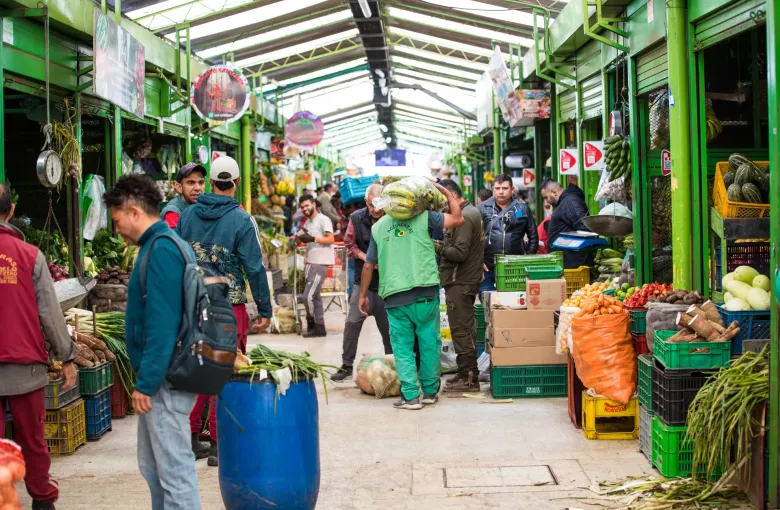
Colombia's fruit is the sleeper attraction of the country. Lulo, guanabana, maracuya, granadilla, curuba, feijoa, zapote, mamoncillo, borojo. Order juices en agua or en leche and work through the list. A market stall will cut things open and explain them if you look interested, which is the best hour you will spend on food here.
Coffee, and the word to use
Ask for a cafe especial if you want the good stuff. A tinto is the small sweet black coffee sold from a thermos on every corner, and it is a different thing for a different moment rather than a lesser version. For a long time the best beans were exported and the domestic cup suffered for it; that has changed substantially, and the specialty scene in Bogota, Medellin and the coffee towns is now excellent.
Other drinking: aguapanela, hot or cold sugarcane water, often with lime or cheese in it; chicha, fermented maize, in the highlands; aguardiente, the anise spirit, drunk in shots at a table rather than at a bar; and a beer culture that is better than its reputation.
⚠ Water, and the rule that is more specific than usual
Tap water is safe to drink only in Bogota. That is the cited source's wording, and it is worth repeating exactly rather than rounding to the usual advice. Everywhere else, drink bottled water and avoid ice in drinks.
Beyond that, eat where people are eating, prefer food cooked in front of you, and give a street fryer the same benefit of the doubt you would give a restaurant with a queue. A menu del dia at lunch is the best value in the country and usually the best meal.
Sources
- UNESCO World Heritage Centre: Coffee Cultural Landscape of Colombia, inscribed 2011 under criteria (v) and (vi), a serial property of 141,120 hectares with a buffer zone of 207,000 hectares, comprising six farming landscapes and eighteen urban centers on the foothills of the western and central ranges of the Andes. Accessed 17 September 2026.
- UK Foreign, Commonwealth & Development Office: Colombia health: the emergency ambulance number 123, the eight week lead time for vaccine advice, altitude sickness as a risk in parts of Colombia including Bogota and areas of Cundinamarca, Boyaca, Narino and Antioquia, tap water as safe to drink only in Bogota, and private facilities as good while public ones and those in smaller cities are generally ill equipped. Accessed 17 September 2026.
Other Articles
Colombian Culture and Etiquette
Festivals and Events in Colombia