
Why visit
Why visit Cape Verde?
Cape Verde is ten volcanic islands in the Atlantic off the coast of West Africa, nine of them inhabited, and the first thing to understand is that they are not one place. The eastern islands are low, sandy and built for the beach. The western ones rise steeply enough to catch cloud, hold water and support terraced farming. Choosing between them is the whole of planning a trip here.
The second thing is that these islands were uninhabited when the Portuguese reached them in the fifteenth century. There was no society here before. Everyone who is Cape Verdean descends from people who arrived, willingly or otherwise, which is why this is not a country with a creole culture so much as a country that is one, with its own language, its own music and a firm sense of being neither Africa nor Europe.
There is one World Heritage property. Cidade Velha, the Historic Centre of Ribeira Grande, inscribed in 2009, which UNESCO calls the first European colonial outpost in the tropics and which grew wealthy as a holding point in the Atlantic slave trade. Fogo's volcano, the Santo Antão ridges and the beaches of Sal are famous, and none of them is inscribed.
The practical picture is refreshingly short. The United Kingdom advises against travel to no part of the country, there is no restricted region to plan around, and neither the FCDO nor the United States Centers for Disease Control lists malaria among the risks here. What does need attention is the entry pre-registration, which is easy to miss because there is no visa to apply for, and dengue, for which the government has raised the civil protection warning level on Santiago, Fogo and Brava. Both are set out on the travel safety guide.
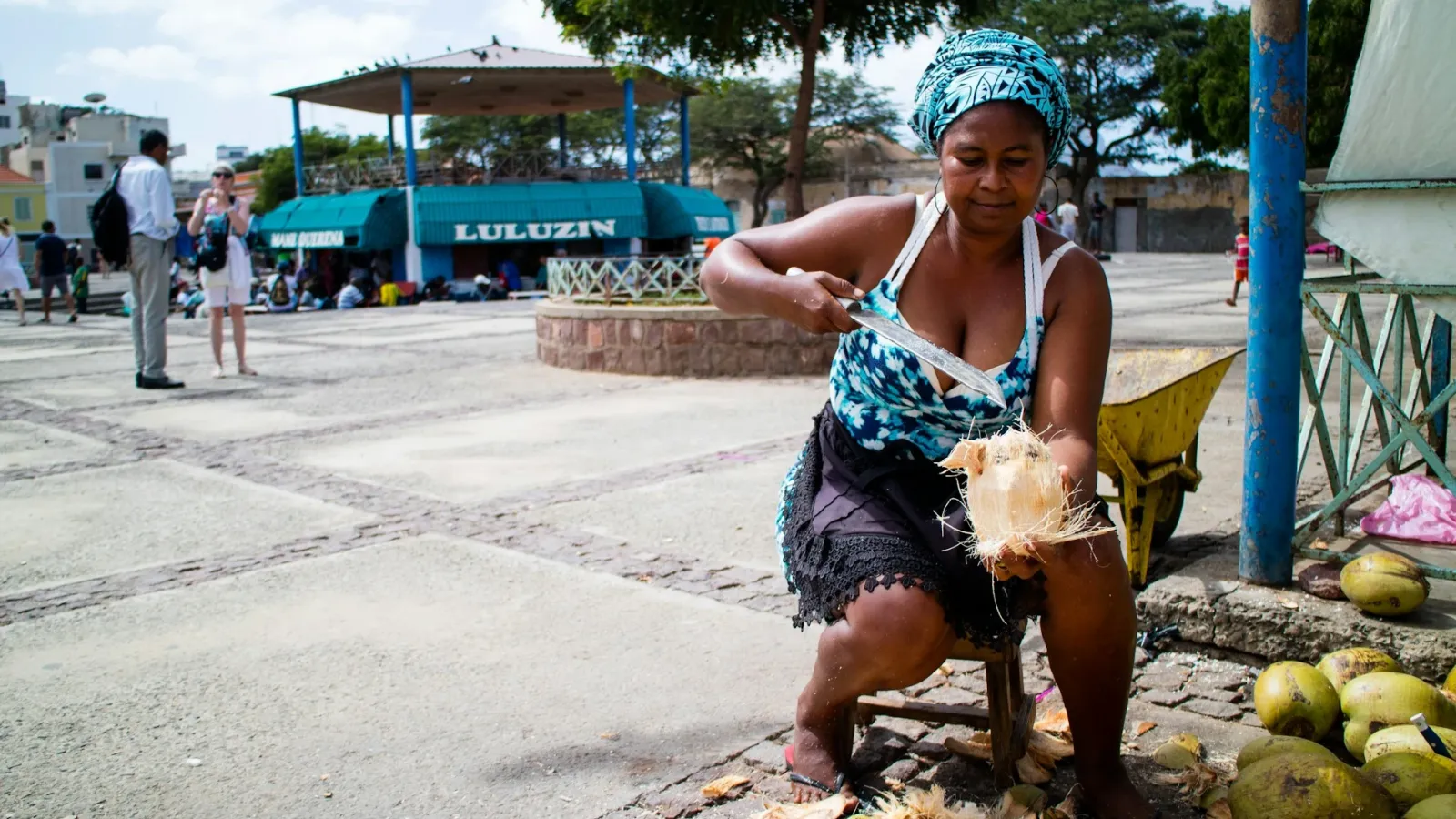
Top places to visit
Popular Attractions
in Cape Verde
-
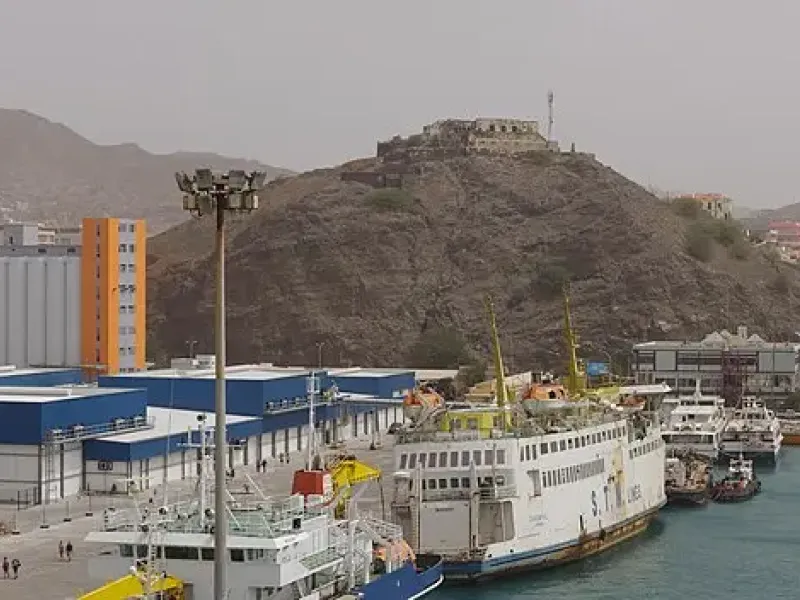
Mindelo, São Vicente
The country's cultural capital and the home of its music, on a deep natural harbor under a ridge the locals call the face. It holds the largest carnival in Cape Verde in February, and live music most nights of the year. See festivals and culture and etiquette.
-
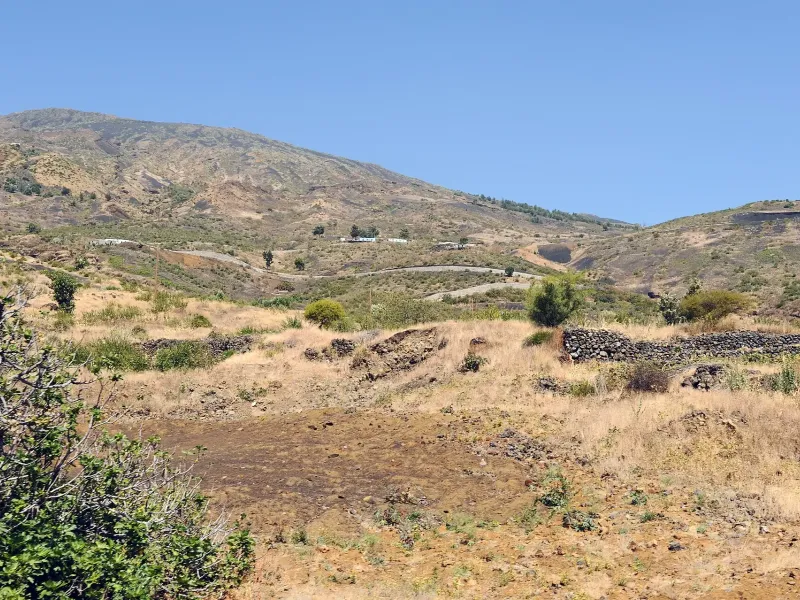
Fogo and the volcano
An island that is essentially one volcano rising from the sea, with villages farming coffee and vines on black soil inside the caldera. It is a national park rather than a World Heritage Site, a distinction worth keeping straight here. See the weather guide for what the terrain means in practice.
-
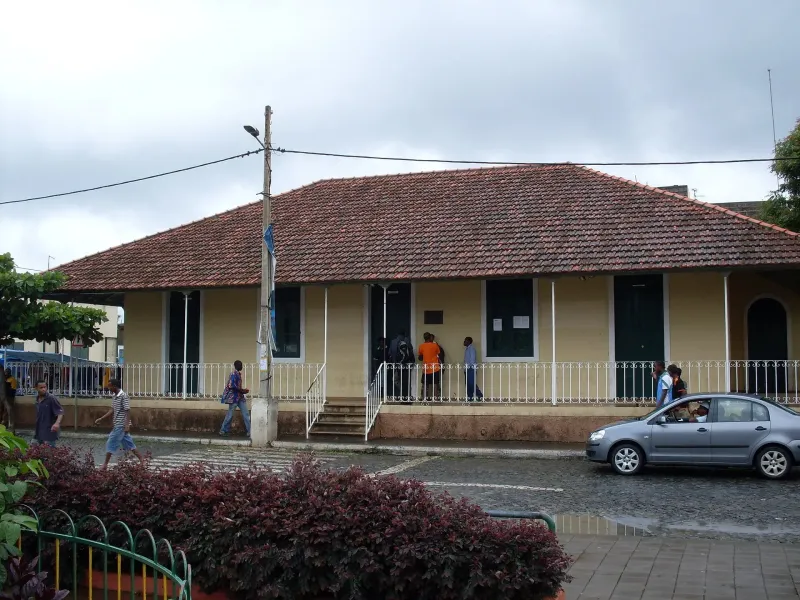
Tabanka and the Museu da Tabanca, Santiago
Tabanka is a Santiago tradition that grew out of mutual aid societies formed among enslaved and freed Africans, combining procession, drums and conch shells. It was suppressed under colonial rule and survived. The museum at Assomada documents it. See festivals and celebrations.
-
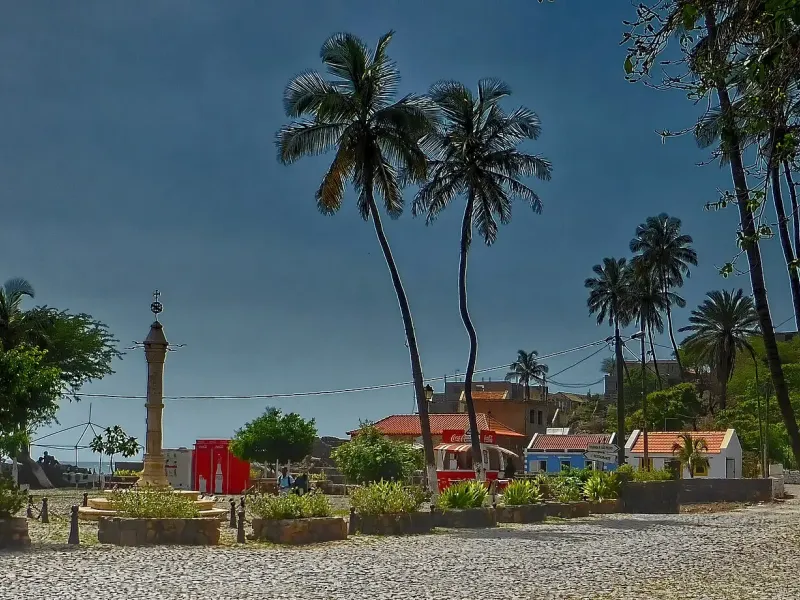
Cidade Velha, Santiago
Cape Verde's only World Heritage property, inscribed in 2009, and what UNESCO calls the first European colonial outpost in the tropics. A single street, a square with a sixteenth-century pillory, a ruined cathedral and a fort above. See the Cidade Velha guide.
-
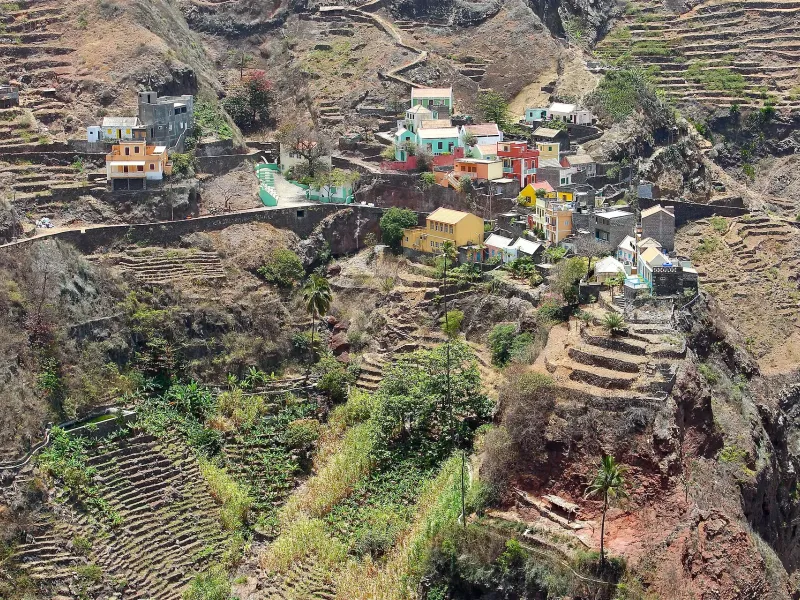
Fontainhas and the Santo Antão ridges
A village of painted houses on a spur between two valleys, reached by a hand-laid cobbled road that is one of the sights of the country in its own right. This is the walking island. See getting around.
-
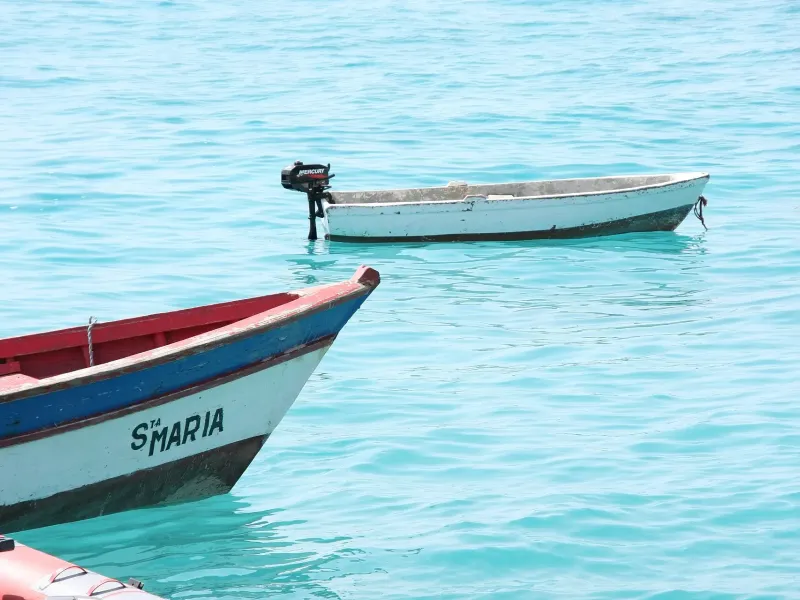
Santa Maria, Sal
Pale sand, clear shallow water and a constant trade wind, which is why Sal and Boa Vista are among the better-known windsurfing destinations in the Atlantic. This is also where step-free accommodation genuinely exists. See accessible travel.
The guide
Explore Cape Verde by Interest
Planning
Food and Culture
Heritage and History
Traveler Resources
Before you go
Planning
a trip to Cape Verde
-
Best Time to Visit Cape Verde
There is no bad month, which makes this a different question here. November to June is the driest and steadiest; August to October is the short green window when the mountain valleys have water in them. See the best time to visit guide and the weather guide.
-
Entry, Money and Getting Around
Up to 30 days without a visa, but an online pre-registration and airport security fee before you fly, and since 1 July 2026 a doubled fee for anyone who skips it. Cards work in the resorts and much less elsewhere. See visa and entry requirements, currency and money and getting around.
-
Before You Book
The United Kingdom advises against travel to no part of Cape Verde. What it does name is opportunistic crime in Praia and on Sal and Boa Vista. Global Health Insurance Cards are not accepted here, so insurance covering treatment and evacuation matters. All of it is on the travel safety guide.
Signature experiences
Signature
Cape Verde experiences
-
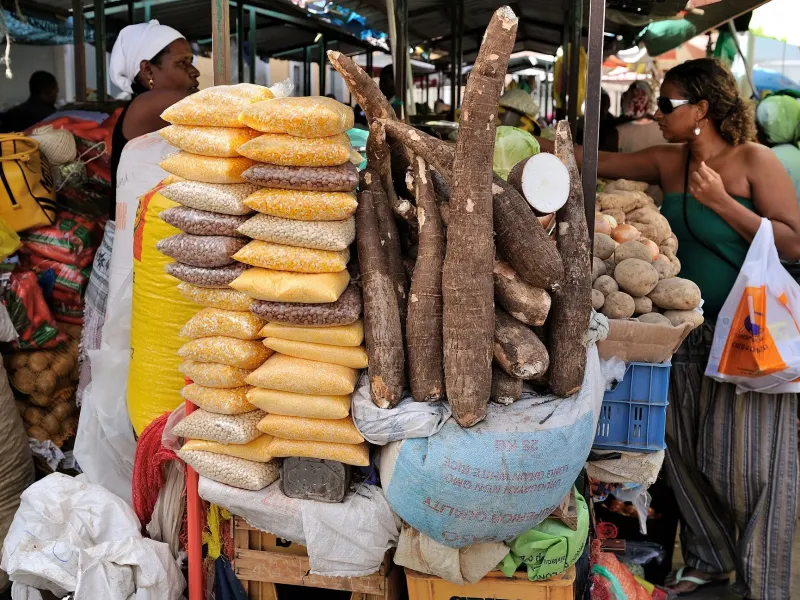
Cachupa, tuna and the Atlantic table
Cachupa is the national dish, a slow stew of hominy maize and beans that improves overnight and is best as cachupa refogada, fried the next morning with an egg on top. The Atlantic here is cold and productive, so the fish is the other reason to eat well. Start with the food guide.
-
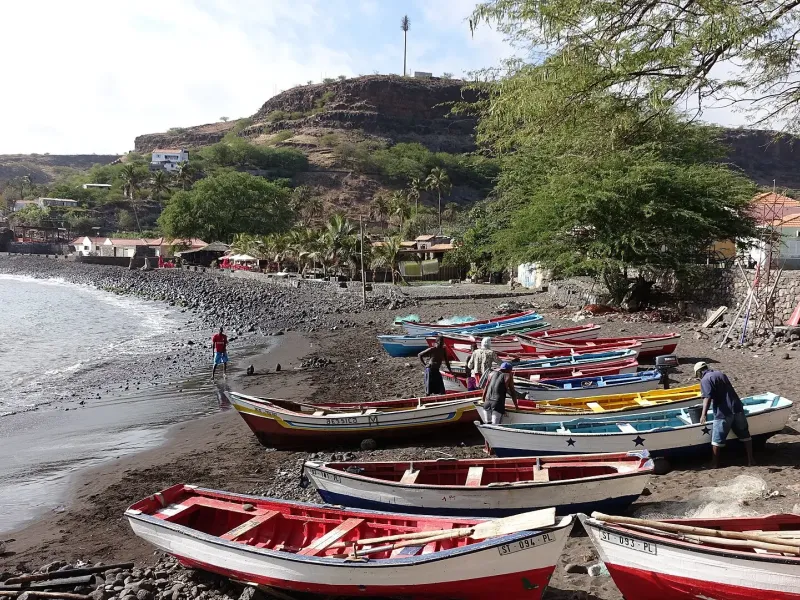
Morna, Kriolu and morabeza
Portuguese is official; Kriolu is what people speak to each other. Morna is the music, slow and concerned with departure, and sodade, the ache of missing something absent, is its subject often enough to stand for the whole genre. See culture and etiquette.
-
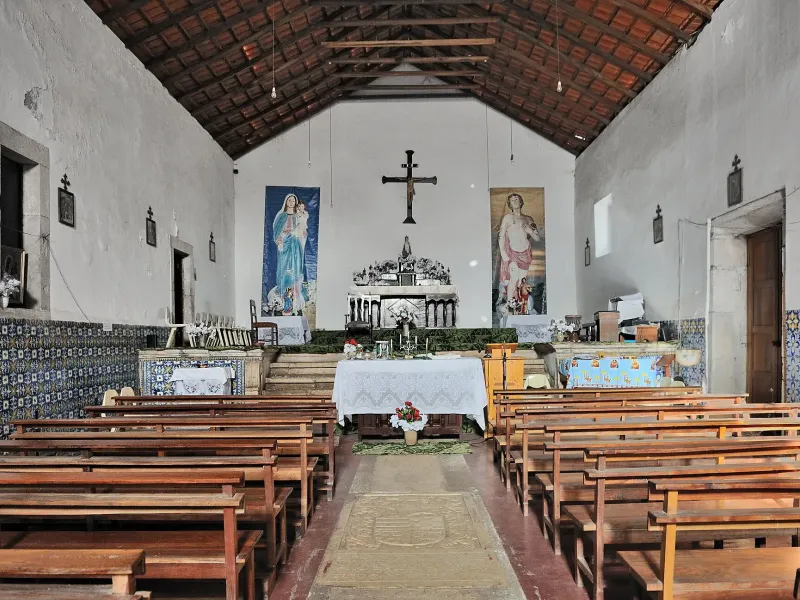
A country with more of its people abroad than at home
These islands were uninhabited when the Portuguese arrived, so every Cape Verdean descends from someone who came: settlers, and Africans brought against their will. Then drought drove a second, voluntary dispersal to New England, Portugal and Senegal. See Cape Verde and diaspora reconnection.
Why choose LABUSA Travel for Cape Verde
We handle the step that has no name
There is no Cape Verde tourist visa, so most travelers conclude there is nothing to do and miss the online pre-registration that actually matters. Since 1 July 2026 that mistake costs double at the border. We complete it as part of the booking rather than leaving it on your list.
We make you choose the right islands
The flat islands and the mountain islands are genuinely different holidays, and the most common way to have a disappointing trip here is to book one while wanting the other. We will ask what you want the days to feel like before we suggest where to stay, and we will tell you when an island will not suit.
Honest about what is not here
Hospital capacity outside Praia and Mindelo is limited and Global Health Insurance Cards are not accepted, so evacuation cover is a real requirement rather than a box to tick. Accessible travel is realistic in the resorts and difficult almost everywhere else. We would rather say that before you book than after.
Common questions
Cape Verde Travel FAQs
- Do I need a visa for Cape Verde?
- No, and that is the thing that catches people out. You can enter as a visitor for up to 30 days without a visa, so searching for a Cape Verde tourist visa returns nothing and travelers conclude there is nothing to do. What you must do instead is complete an online pre-registration and pay the airport security fee before you fly. Since 1 July 2026, anyone who arrives without having done it pays double at border control. Your passport must be valid for at least six months after the date you arrive.
- When is the best time to visit Cape Verde?
- There is no bad month, which makes this a different question here than in most places. November to June is the driest and steadiest window and the one to choose if you want certainty. August to October is the short green season, when the valleys on the mountain islands actually have water in them and the walking is at its best. The trade wind blows hardest from November to March, which is exactly why the windsurfers come then and why a beach day can feel cooler than the temperature suggests.
- Is Cape Verde safe to visit?
- By the standards of the region it is straightforward, and the clearest evidence is an absence: the United Kingdom advises against travel to no part of the country, and there is no regional risks page for Cape Verde at all. What the FCDO does name is ordinary opportunistic crime, snatching, burglary and muggings, and it names where: particularly in the capital city of Praia and on the islands of Sal and Boa Vista, which are the two places with the most visitors carrying valuables. The current position, dated and attributed, is on the travel safety guide.
- Do I need malaria tablets for Cape Verde?
- Neither the FCDO nor the United States Centers for Disease Control lists malaria among the health risks for Cape Verde, and the CDC states that the yellow fever vaccine is not recommended for this destination either. So the pre-trip medical conversation is a shorter one than for most destinations at this latitude. What the sources do name is dengue: the Cape Verde government has raised the civil protection warning level for it on the islands of Santiago, Fogo and Brava. The mosquito that carries dengue bites in daylight, so repellent belongs in the day bag.
- How many World Heritage Sites does Cape Verde have?
- One. Cidade Velha, Historic Centre of Ribeira Grande, was inscribed in 2009, and UNESCO describes it as the first European colonial outpost in the tropics. It is a small town in a valley on Santiago, a short drive from Praia, and its significance is not its size: it was founded as the first town Europeans built in the tropics and it grew wealthy as a holding point in the Atlantic slave trade. Fogo, Santo Antao and the resort islands are famous and none of them is inscribed.
- Which island should I choose?
- The archipelago divides into flat and mountainous, and the difference decides the holiday. Sal and Boa Vista are low, sandy and built for beach and water sports, and they are where accessible accommodation genuinely exists. Santo Antao, Fogo, Brava and the interior of Santiago are steep, terraced and dramatic, and they are where the walking is. Most good itineraries take one of each rather than trying to average them. Santiago also holds Cidade Velha, so it is the island to choose if the history is the point.
- How do I get between the islands?
- Either a short flight or a ferry. Flying is quick and is the reliable option when the sea is up, though the network is small and a dusty harmattan day can cause delays. The ferry is cheaper and more interesting, and the crossing most visitors make is Sao Vicente to Santo Antao, which is short, frequent and the standard way to reach the walking island. Build a spare day in before your flight home: swell from a system far offshore can cancel a sailing under a clear sky.
- What language will I need?
- Portuguese is the official language and the one used for government, schooling and signage, and a little of it goes a long way. But the language people actually speak to each other is Cape Verdean Creole, or Kriolu, which is a language in its own right rather than a dialect, and it varies noticeably between islands. English is common in the Sal and Boa Vista resorts and much less common elsewhere; French is more widely understood than English on some islands, because of emigration.
- Will my card work, or should I carry cash?
- It depends which island you are on, and that is the trap. The currency is the Cape Verdean escudo. On Sal and Boa Vista card terminals are normal and you can travel for a week barely touching cash. Everywhere else a card is a fallback rather than a plan. The travelers who get caught are the ones who spend a week in a resort and then take a ferry to a mountain island, because the habits that worked perfectly for seven days stop working on the eighth. Draw cash before you leave, not after you arrive.
- What should I eat?
- Cachupa, first. It is the national dish, a slow-cooked stew of hominy maize and beans with cassava, squash and either fish or pork, and the version most visitors fall for is cachupa refogada, the leftovers fried the next morning with an egg on top. After that, the fish: the Atlantic here is cold and productive, and tuna is often served as a steak rather than the tinned fish most visitors know. Grogue, the sugarcane spirit from Santo Antao, is the national drink and should be treated with respect.