Language
Portuguese is the official language, and it is the language of government, schooling, signage and print. It is not, however, the language you will hear in the street.
That is Cape Verdean Creole, or Kriolu, which is a language in its own right rather than a dialect of Portuguese, with its own grammar and its own variants from island to island. Santiago Creole and São Vicente Creole differ noticeably. Almost everyone is comfortable in Portuguese as well, and a little Portuguese will take you a long way, but knowing that Kriolu is what people actually speak to each other is the piece of cultural information that changes how a visitor hears the place.
English is common in the resort areas on Sal and Boa Vista and much less common elsewhere. French is more widely understood than English on some islands, a legacy of emigration to France and Senegal.
Morabeza
There is a Kriolu word, morabeza, that Cape Verdeans use for their own idea of hospitality: a warmth and ease that is offered without being transactional. It comes up constantly in how the country describes itself, and it is not marketing. A greeting is expected, unhurried, before business. Walking into a shop and starting with what you want reads as brusque.
Time
Things start late and this is not disorganization, it is a different relationship with the clock. Ferries and flights run to their timetables. Dinners, music and arrangements to meet do not, quite. The visitor who is annoyed by this has a worse trip than the one who plans a loose evening.
Music
Morna is the music most associated with Cape Verde: slow, in Kriolu, and concerned with longing and departure. Sodade, the sense of missing something or someone absent, is its subject often enough that the word has become shorthand for the whole genre. Cesária Évora, from Mindelo, carried it to the world.
Funaná and coladeira are the faster forms, and batuku from Santiago is older and more percussive. Live music is a normal weeknight thing in Mindelo and Praia rather than a performance laid on for visitors.
Dress and conduct
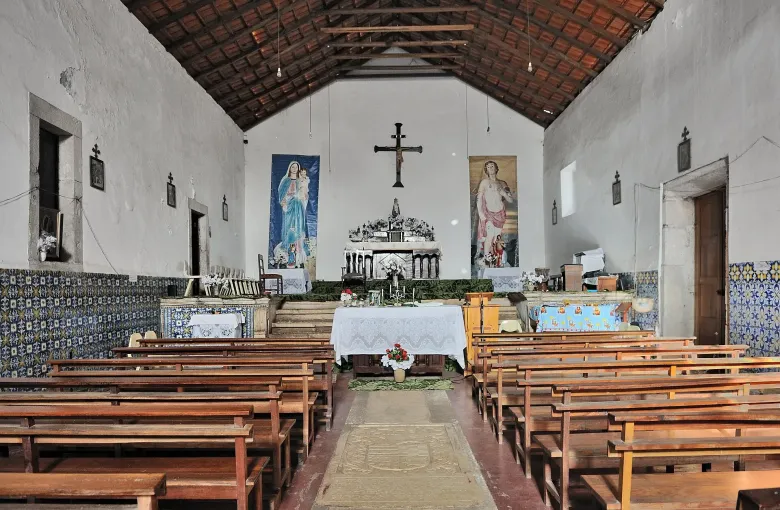
Beachwear belongs on the beach. In towns, in churches and away from the resorts, ordinary modest clothing is expected and appreciated. Cape Verde is a largely Catholic country and church buildings are in use rather than being monuments.
Ask before photographing people, every time. The small, routine courtesy of greeting someone first does most of the work.
A note on the resorts
Sal and Boa Vista are genuinely different from the rest of the country, and it is possible to spend a week in a resort there and see very little of Cape Verde. That is a legitimate holiday and it is worth naming, because a traveler who wants the country should plan at least one other island.
Sources
- UNESCO World Heritage Centre: the inscription of Cidade Velha, Historic Centre of Ribeira Grande, in 2009 under criteria (ii)(iii)(vi). Accessed 14 September 2026.
- UK Foreign, Commonwealth & Development Office: Cape Verde travel advice: the FCDO restricts no part of the country, and Global Health Insurance Cards are not accepted. Accessed 14 September 2026.
- UK Foreign, Commonwealth & Development Office: Cape Verde safety and security: snatching, burglary and muggings, named for Praia and for Sal and Boa Vista. Accessed 14 September 2026.
Other Articles
Cape Verde Festivals and Celebrations
Cape Verde Food Guide