
Why visit
Why visit Ethiopia?
Ethiopia is one of the oldest continuously inhabited places on earth and the only African country never brought under lasting European colonial rule. It has its own script, its own calendar and its own clock. It has a Christian tradition reaching back to the fourth century and twelve properties on the UNESCO World Heritage List, from the rock-hewn churches of Lalibela to the stelae of Aksum and the escarpments of the Simien.
It is also the birthplace of coffee, and the ceremony built around it tells you most of what you need to know about how hospitality works here. Food arrives on a single shared round of injera. The Orthodox fasting calendar has produced one of the world's great plant-based cuisines by accident of devotion. Seven traditions, among them Meskel and Timkat, are inscribed by UNESCO as intangible heritage, and they are observances rather than performances.
We will also tell you the hard part, because it is the first thing you need. Both the United States and the United Kingdom currently advise against all travel to Tigray and Amhara regions, and that is where most of the famous sites are. We have written the guides to those places anyway, each opening with the current advice and the date we checked it, because advisories change and because you should hear it from us rather than after you have booked. It is all on the travel safety guide.
Top places to visit
Popular Attractions
in Ethiopia
-
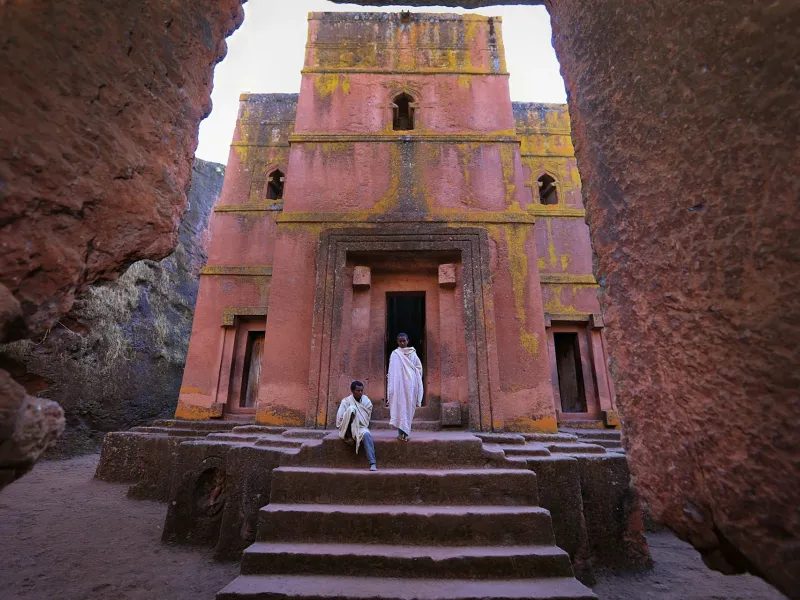
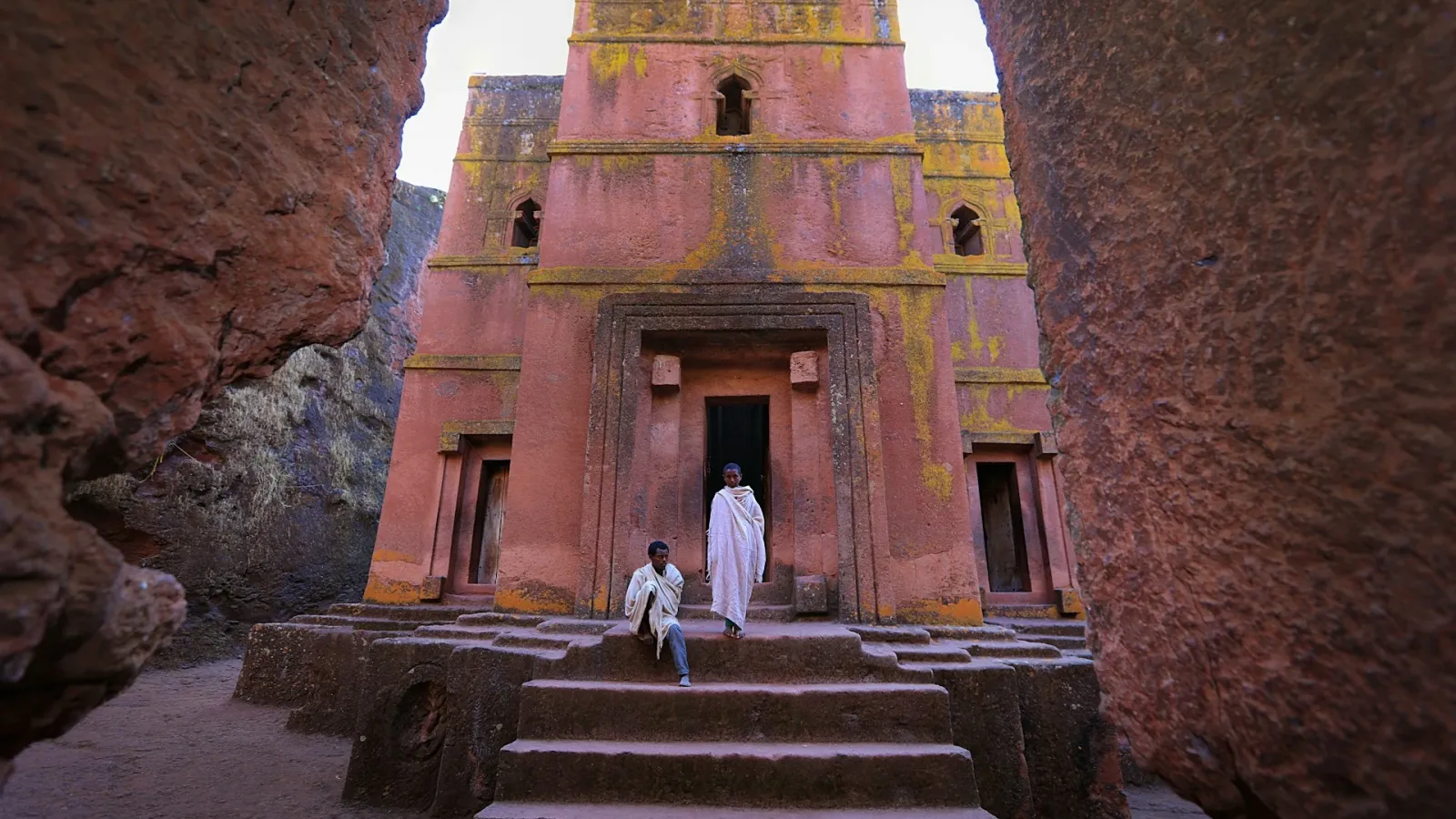
Lalibela, Amhara Region
Eleven medieval churches cut downward into the living rock, so that each stands free in a pit of its own making. UNESCO inscribed them in 1978. They are in active use by the Ethiopian Orthodox Tewahedo Church rather than preserved as ruins. Read the Lalibela visitor guide, which opens with the current travel advice for Amhara.
-
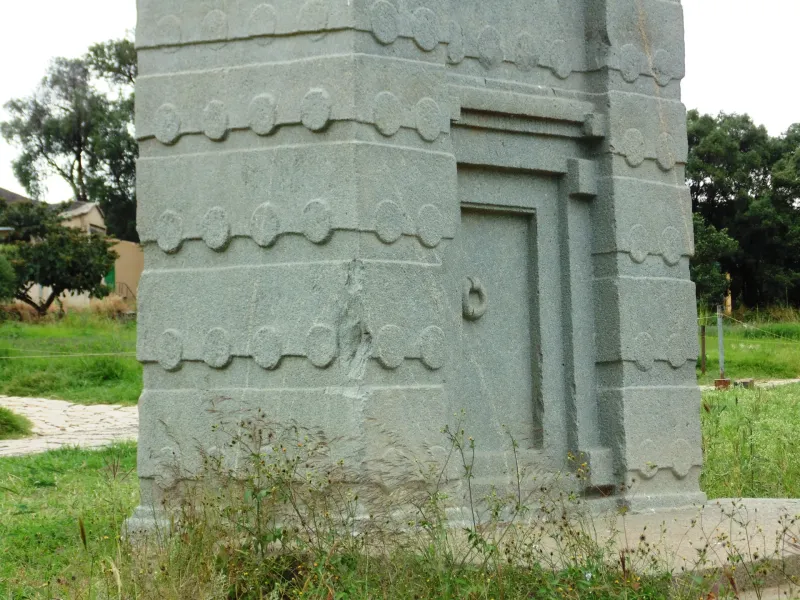
Aksum, Tigray Region
Carved granite stelae, royal tombs and the ruins of a first-millennium kingdom that traded with Rome and Persia and minted its own coinage. Inscribed by UNESCO in 1980. See the Aksum visitor guide, which opens with the current travel advice for Tigray.
-
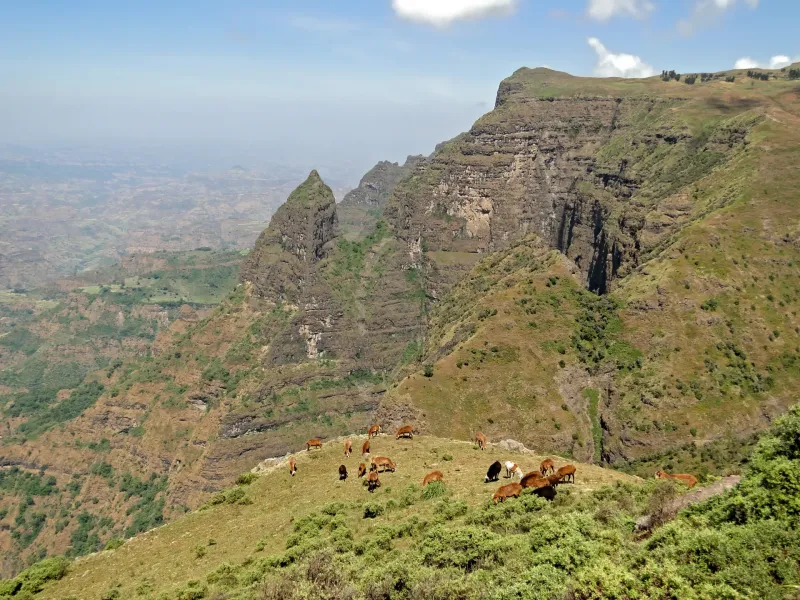
Simien Mountains National Park, Amhara Region
Jagged peaks and precipices dropping some 1,500 m, with the Walia ibex, the gelada and the Simien fox. Inscribed in 1978 and, after twenty-one years, removed from the List of World Heritage in Danger in 2017. See the Simien visitor guide.
-
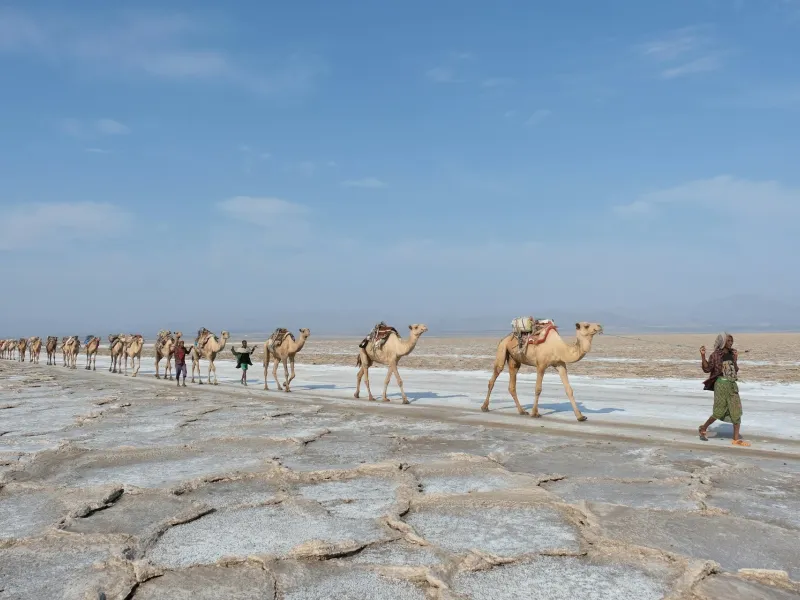
The Danakil Depression, Afar Region
One of the hottest inhabited places on earth, below sea level, where salt is still cut and carried out by caravan. Both governments restrict parts of the Afar region, so read the travel safety guide before planning anything here.
-
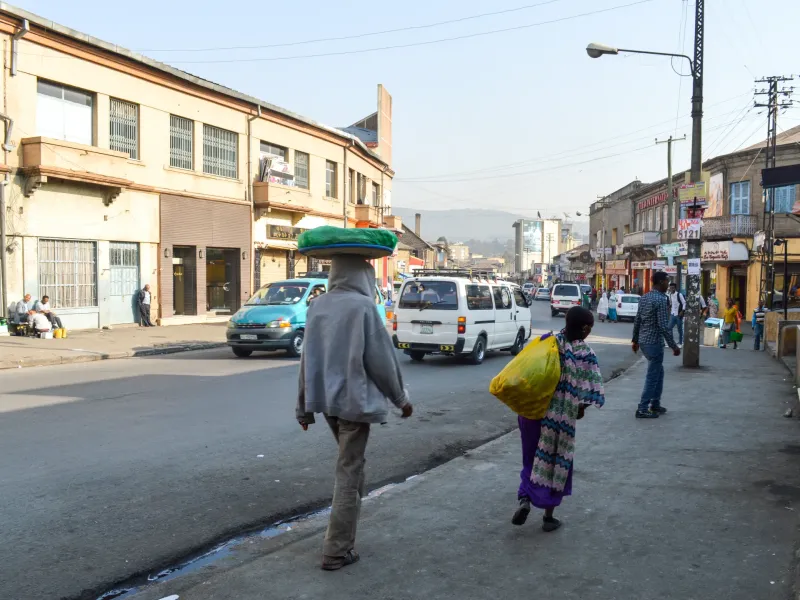
Addis Ababa
The capital, at 2,400 m, and the seat of the African Union. Its museums, churches, markets and coffee houses are the part of Ethiopia most straightforwardly open to visitors, and the light rail makes crossing it easier than the traffic suggests.
-
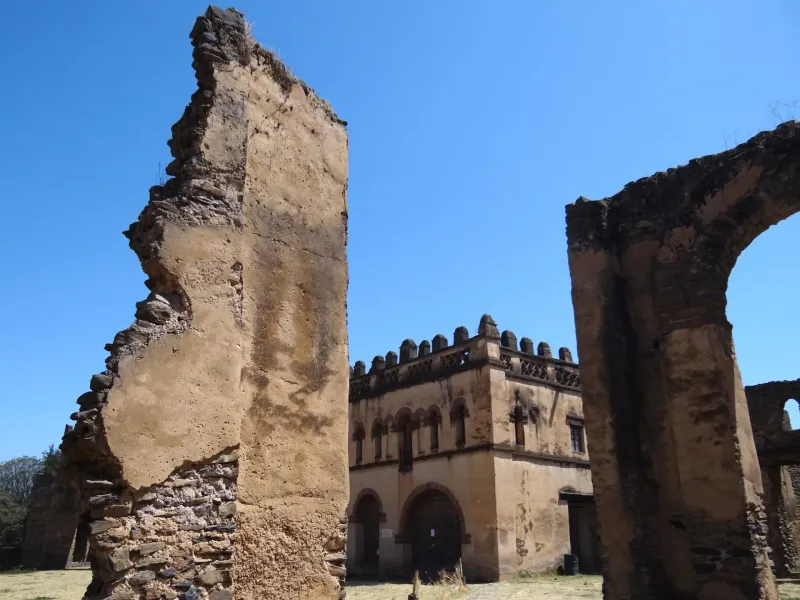
Fasil Ghebbi, Gondar Region
A walled royal compound of castles and palaces, inscribed by UNESCO in 1979, built by emperors who ruled from here for two centuries. It is in Amhara, so the same advice applies as at Lalibela. See Accessible Travel in Ethiopia, where it is assessed.
The guide
Explore Ethiopia by Interest
Planning
Food and Culture
Heritage and History
Traveler Resources
Before you go
Planning
a trip to Ethiopia
-
Best Time to Visit Ethiopia
Ethiopia reckons its year by rain rather than temperature. The big rains run roughly mid June to mid September and the main travel window is October to January, when the highlands are green and the roads are at their best. Altitude matters more than the month. See the best time to visit guide and the weather guide.
-
Visas, Money and Getting Around
A visa is required and is applied for online before you fly, and your passport must be machine-readable with six months' validity. Ethiopia is a cash-based society: the FCDO describes card payments and ATMs as limited and unreliable, especially outside cities. See visa and entry requirements, currency and money and getting around.
-
Before You Book
Read this before you fix any dates. The US State Department places Ethiopia at Level 3, Reconsider Travel, and both it and the UK FCDO advise against all travel to Tigray and Amhara regions, which is where Lalibela, Aksum, Gondar, Lake Tana and the Simien all are. Some insurance is void for travel against an advisory. It is all set out plainly in the travel safety guide.
Signature experiences
Signature
Ethiopia experiences
-
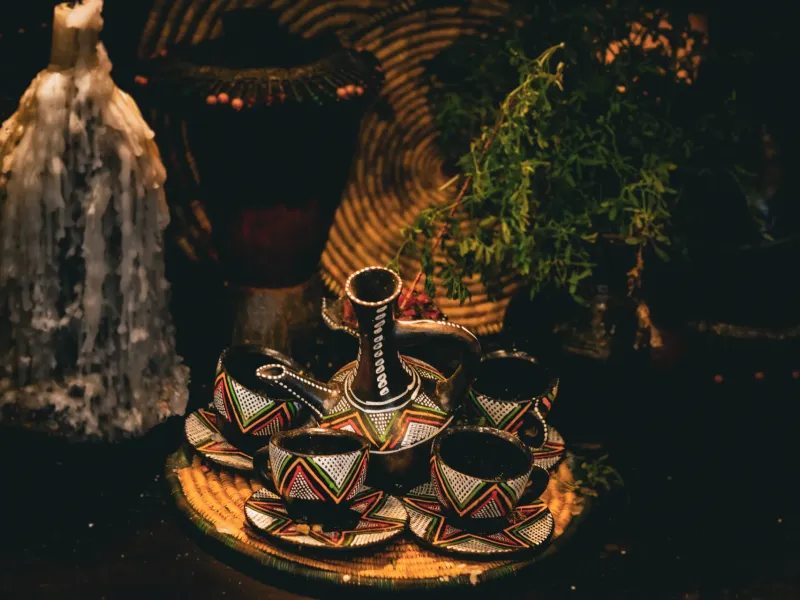
A coffee ceremony, all three rounds
Coffee is native to Ethiopia and the ceremony is the country's central act of hospitality: beans roasted in front of you, brewed in a clay jebena, poured from a height, and served in three rounds over an hour or more. Leaving before the third is a discourtesy. See the culture and etiquette guide and the food guide.
-
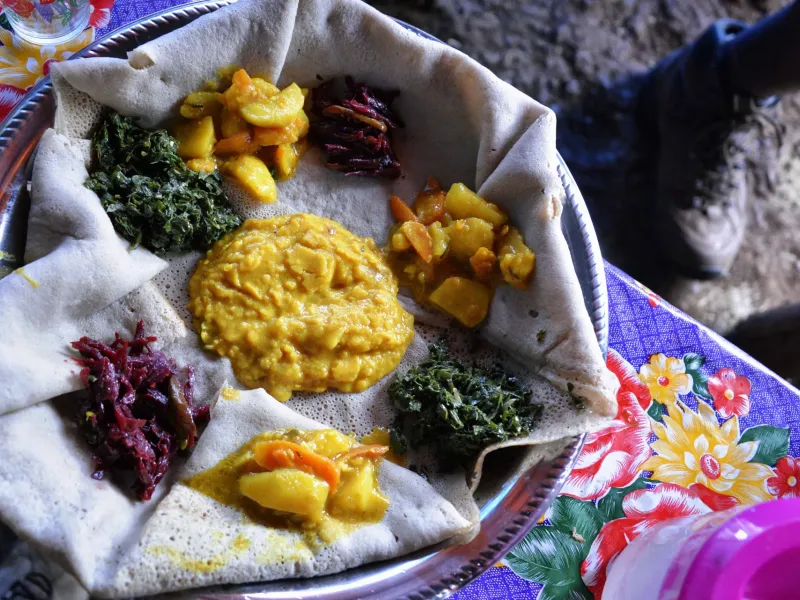
Injera, and the best fasting food anywhere
Everything arrives on one round of sourdough injera and everyone eats from it with their right hand. The Orthodox fasting calendar means that on many days the food is entirely plant-based, not as a modern accommodation but as a centuries-old norm, which makes Ethiopia one of the easiest countries in the world to eat well without meat. Start with the food guide.
-
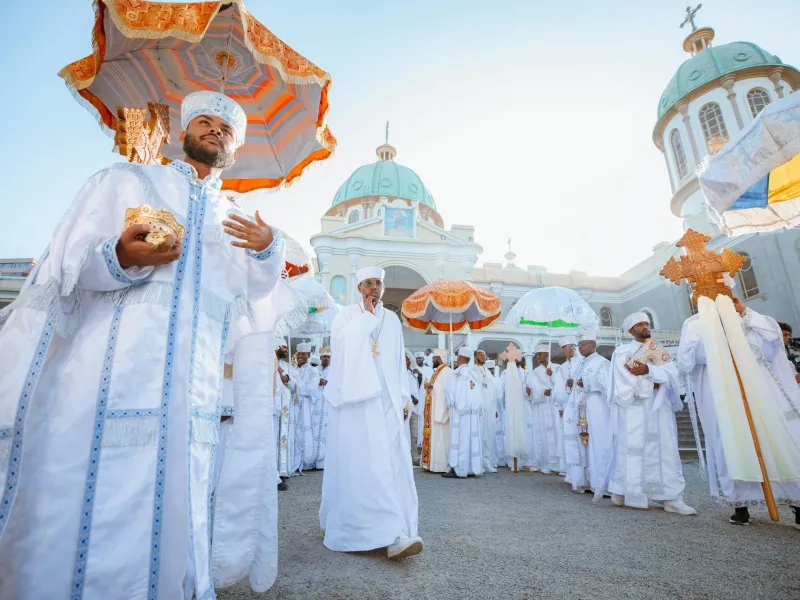
Meskel, Timkat and living heritage
Ethiopia has seven elements on the UNESCO intangible heritage list, among them Meskel, Timkat and the Gada system of the Oromo. These are acts of worship and of community government, not performances, and attending one is a privilege rather than a ticket. See festivals and celebrations and Ethiopia and diaspora reconnection.
Why choose LABUSA Travel for Ethiopia
We tell you what the governments say
Every practical claim on these pages is attributed to the authority that publishes it and dated, so you can check it against the same source we used. On Ethiopia that matters more than usual: two governments currently advise against all travel to the regions that hold most of the country's heritage, and we put that at the top of those guides rather than in the small print.
Purpose-driven travel
We build itineraries with Ethiopian operators and community organizations, and we pace them for the group we actually have rather than the one a brochure imagines. Where a visit involves a place of worship, we prepare the group properly beforehand, because Ethiopia's churches are working churches.
Honest about the hard parts
You land at 2,400 m, so the first day is for resting. Medical facilities outside the capital are poor and evacuation cover matters. The country runs on cash. Much of the historic north is under a do not travel warning as we write. We would rather say all of that before you book than after.
Common questions
Ethiopia Travel FAQs
- Is Ethiopia safe to travel in right now?
- That depends heavily on where, and both governments we quote agree on the answer. The US State Department places Ethiopia at Level 3, Reconsider Travel, and names Tigray and Amhara among the regions it tells Americans do not travel to. The UK Foreign, Commonwealth and Development Office advises against all travel to Tigray region and to Amhara region, entire. Between them those two regions hold Lalibela, Aksum, Gondar, Lake Tana and the Simien Mountains. Some insurance is void for travel against an advisory, so check yours in writing. Our travel safety guide sets out both positions in full and names every restricted area.
- Do I need a visa for Ethiopia?
- Yes. A visa is required for tourism and is applied for online before you travel, through the official Ethiopian e-visa platform. You will need a scanned color copy of your passport and a color passport photograph, and the standard tourist visa is a thirty day single entry. Your passport must be machine readable and valid for at least six months after the day you arrive. Fees change, so we do not print one here. Note that overstaying costs thirty US dollars a day and you will not be allowed to leave until it is paid in full. See our visa and entry requirements guide.
- When is the best time to visit Ethiopia?
- October to January. Ethiopia reckons its year by rain rather than temperature, and that window falls after the big rains of mid June to mid September, when the highlands are green, the skies are clear and the roads are at their most reliable. It also contains Timkat in January. Meskel falls in late September, right at the end of the rains. Altitude matters far more than the month: days are mild and nights are genuinely cold. See our best time to visit guide and our weather guide.
- Will my cards work, or do I need cash?
- Bring cash. The Foreign, Commonwealth and Development Office describes Ethiopia as a cash based society and says banking facilities, including card payments and ATMs, are limited and unreliable, especially outside of cities. Draw what you need before you leave a city rather than when you arrive somewhere. Keep every receipt when you change money into birr, because without one you are unlikely to be able to change what is left back at the end of your trip. See our currency and money guide.
- How high is Addis Ababa, and does altitude matter?
- Addis Ababa stands at two thousand four hundred meters, and yes it matters. You do not travel up to altitude in Ethiopia, you land at it. The FCDO lists altitude sickness as a risk in parts of the country including the capital. Give yourself the first day to do very little, drink water and walk gently. Anyone with a cardiac or respiratory condition should raise this with a doctor before booking rather than on arrival.
- What is the food like, and is it good for vegetarians?
- It is one of the best countries in the world to eat in without meat, and not as a modern accommodation. Ethiopian Orthodox fasting days mean no animal products at all, and there are many of them through the year, so a fasting platter of lentil, pulse and vegetable dishes on injera is an everyday dish rather than a special request. Everything is served on one shared round of sourdough injera and eaten with the right hand. Drink only boiled or bottled water and avoid ice. See our food guide.
- What is the coffee ceremony, and am I expected to stay?
- Coffee is native to Ethiopia and the ceremony is the country's central act of hospitality. Beans are roasted in front of you, ground, brewed in a clay jebena and poured from a height into small cups. It is served in three rounds and takes an hour or more, and leaving before the third round is a mild discourtesy. Being invited is a real gesture, so accept unless you genuinely cannot. See our culture and etiquette guide.
- Are there laws I should know about before I book?
- Yes, several. Same-sex acts are illegal for both sexes and carry penalties of between one and fifteen years in prison, and the FCDO describes being openly or covertly LGBT plus in Ethiopia as dangerous. It is illegal to photograph military zones or personnel, the area near the Presidential Palace in Addis Ababa, or anywhere a sign prohibits it. Binoculars, satellite phones and drones may not be brought in or taken out without prior approval, which surprises people. Khat is legal in Ethiopia and illegal to take out of it. Our travel safety and culture and etiquette guides set all of this out.
- What happens if I need a doctor?
- Plan for this before you go. The FCDO says only private hospitals in Addis Ababa offer a reasonable standard of basic care for minor problems, that ambulance services are limited, that dentistry is especially scarce, and that outside the capital medical facilities are extremely poor. Carry a comprehensive medical pack whenever you leave the city, and confirm medical evacuation cover in writing before you book, including how it treats a Level 3 advisory. See our senior travelers guide and our accessibility guide.
- Can I still see Lalibela, Aksum and the Simien?
- We have written full guides to all three, and each one opens by telling you that both the US and UK governments currently advise against all travel to the region it sits in. Lalibela and the Simien are in Amhara and Aksum is in Tigray. We have not left those pages out, because advisories change and because they are what people want to know about, but we are not going to describe an itinerary through them without saying what your own government thinks of it. Read the travel safety guide first, then the guide to the site.