
Why visit
Why visit Chile?
Chile invites travelers to the Atacama Desert, Torres del Paine National Park, and Valparaíso’s colorful hills. Enjoy Santiago’s museums and wine country in the Central Valley. In Arica and Azapa, the voices of Afro-Chilean communities are rising through dance, drum, and advocacy. Cultural festivals and heritage tours offer travelers a way to engage with revitalized African roots in a nation reclaiming its hidden history.
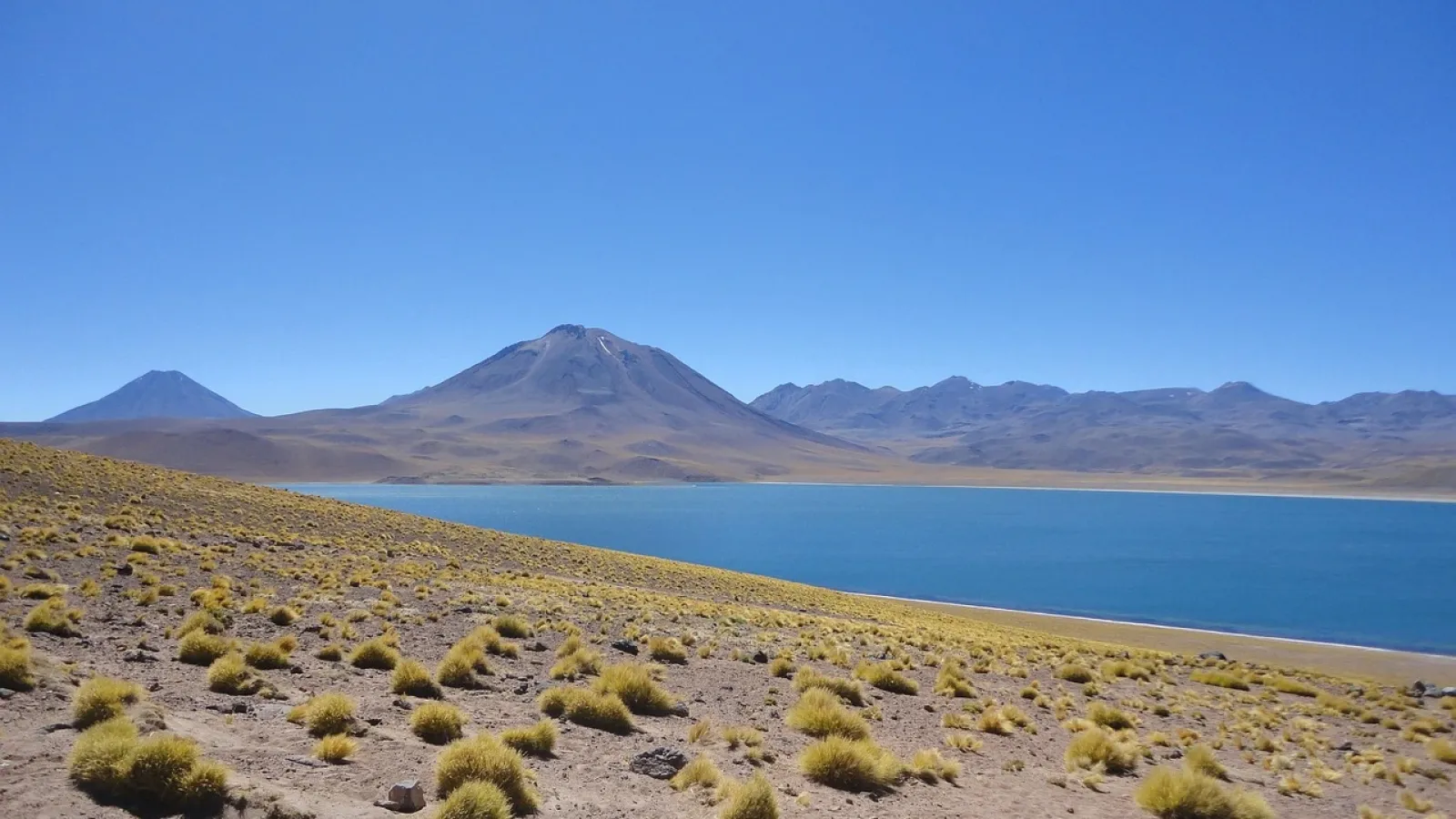
Top places to visit
Popular Attractions
in Chile
-
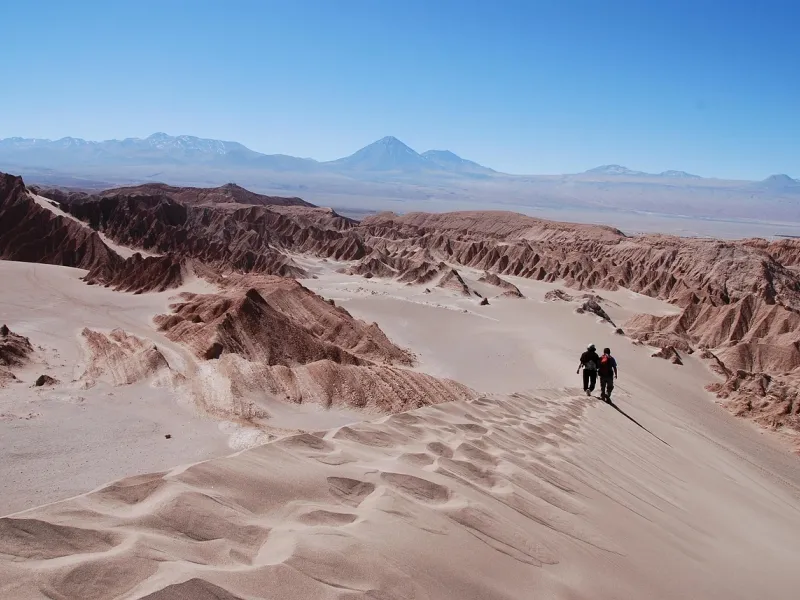
Atacama Desert
The Atacama is the driest non-polar desert on Earth and perhaps the most surreal. Explore vast salt flats, flamingo-filled lagoons, and lunar landscapes under the clearest night skies imaginable. Stargazing from an observatory or remote lodge becomes a celestial experience, while sunrise geysers and moonlit dunes reconnect you with nature’s quiet majesty. The region also offers insight into Andean cosmology and pre-Columbian heritage for those seeking a deeper layer of meaning.
-
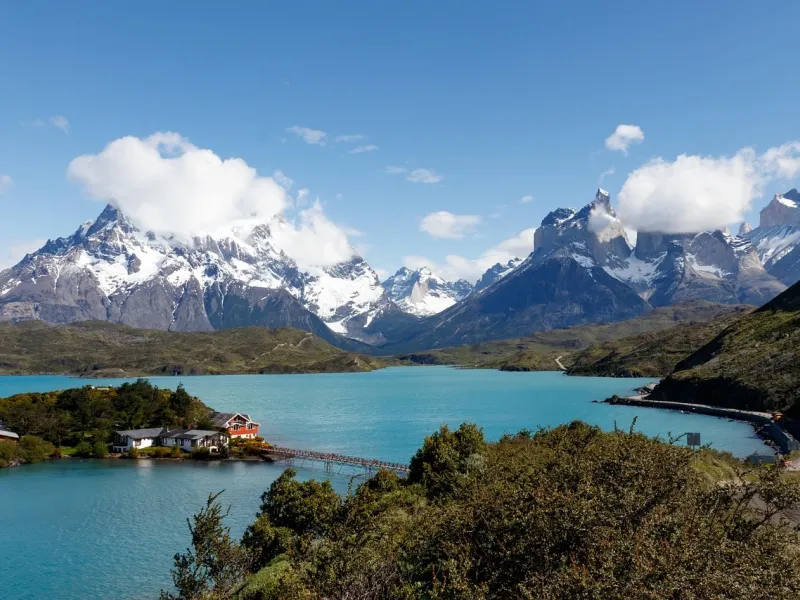
Torres del Paine: Patagonia’s Crown Jewel
Southern Chile’s most iconic national park is a dramatic blend of granite spires, turquoise lakes, golden plains, and glacier-fed rivers. Here, hikers and photographers alike are drawn to world-class trails like the W Trek, where encounters with guanacos, condors, and foxes add magic to the wild scenery. Lodges and eco-camps blend luxury with sustainability, making it possible to journey in comfort without compromising environmental responsibility.
-
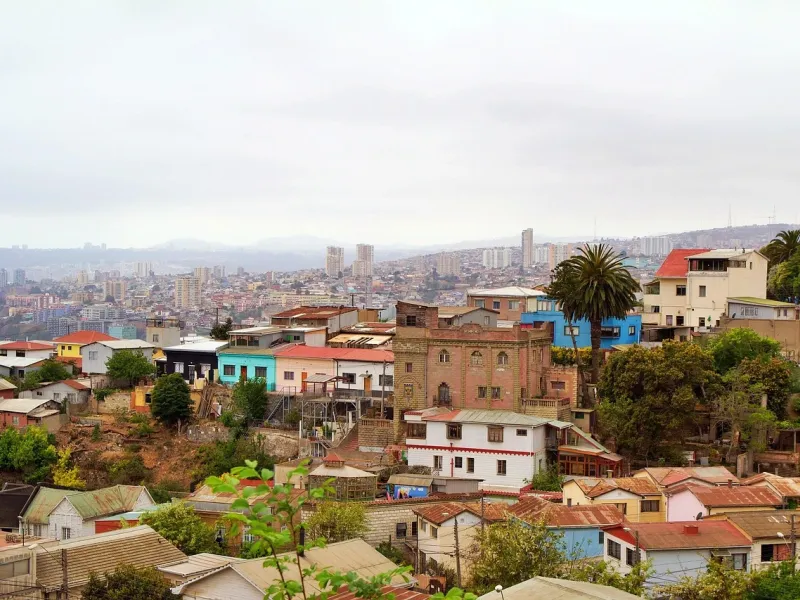
Valparaíso
Known as “La Joya del Pacífico,” this UNESCO World Heritage port city is alive with color, history, and revolutionary spirit. Winding alleyways reveal kaleidoscopic murals, impromptu performances, and hilltop cafes with sweeping ocean views. Valparaíso’s mix of Afro-Chilean music, poetry, and resilient street culture reflects the layered identity of a people shaped by migration, resistance, and art. It’s a haven for creatives, ideal for travelers seeking cultural immersion.
The guide
Explore Chile by Interest
Planning
Food and Culture
Heritage and History
Traveler Resources
Deep Expertise
From remote desert retreats to urban wine tours, our team orchestrates every element of your trip with precision and empathy. You’ll be supported by a personal LABUSA Travel concierge who tailors every step of your itinerary, always with your values and comfort in mind.
Purpose-Driven Travel
We believe travel should be transformative for both the traveler and the places visited. LABUSA Travel’s Chile journeys include opportunities to meet Mapuche artisans, support Afro-Chilean musicians, and explore sustainability projects in Patagonia. We prioritize local guides, fair wages, and partnerships that uplift the communities we touch.
Affordable Luxury & Authentic Moments
Luxury in Chile means more than thread count. It’s about waking up to volcano views, dining at a family-owned vineyard, or learning ancient stargazing traditions from a desert elder. Our itineraries blend boutique comfort with raw authenticity, creating a high-value, low-impact journey that feeds the soul as well as the senses.
Common questions
Chile Travel FAQs
- Do I need a visa to visit Chile?
- Chile sets and enforces its own entry rules, and this site does not publish an answer for United States passport holders, because the source cached for this cluster was written for a different nationality and its allowance does not transfer. Ask the Chilean consulate responsible for where you live, and ask close to your travel date. What applies to everybody is the paperwork on arrival: your passport should have an expiry date after the day you plan to leave, and Chilean immigration issues a tourist card, the tarjeta de turismo, an A5 sized white form. Keep it safe and give it back to immigration when you leave. If you lose it, the Chilean investigations police allow you to request a duplicate online or at one of their offices, so it is a recoverable problem rather than a disaster.
- Is Torres del Paine a World Heritage Site?
- No, and almost every article about Chilean Patagonia implies otherwise. Torres del Paine sits on Chile's Tentative List, paired with Bernardo O'Higgins National Park as a single Magallanes entry submitted in 1994, and a place on that list is a statement of intent rather than a designation. The stranger fact is what Chile does have inscribed. All seven of its World Heritage properties are cultural and not one is natural: Rapa Nui National Park, the historic quarter of Valparaiso, the Chinchorro sites in the far north, the churches of Chiloe, the Humberstone and Santa Laura saltpeter works, Sewell mining town and Chile's stretch of the Qhapaq Nan Andean road system. The country whose landscapes are its global image is recognized entirely for what people built.
- Is it safe to travel in Chile?
- Most of Chile asks little of a visitor beyond ordinary city sense, and there is one region its own advisory singles out. The cited source records ongoing civil unrest in the Araucania Region, especially around Temuco, including attacks by groups of demonstrators against people and property, and an ongoing state of emergency in the provinces of Biobio, Arauco, Cautin and Malleco, where the military are assisting regional police. Check which region and province each stop on a southern itinerary falls in rather than assuming. Elsewhere the risk is theft rather than violence: pickpocketing, mugging and thefts from vehicles are common throughout the country, including inside airports, churches, hotels and bus stations and at viewpoints and petrol stations, with distraction robberies and liquid spill scams named in central Santiago and Valparaiso in particular. The advice on public gatherings is firm and this site passes it on unsoftened: avoid all demonstrations.
- What is the emergency number in Chile?
- Call 131 for an ambulance. It is worth writing down or putting in your phone before you travel, because a short number is exactly what nobody can recall under pressure. Health facilities in Santiago and the other major cities are good, but private clinics and hospitals are expensive and you will be expected to pay or to prove cover, so travel insurance covering treatment and medical evacuation is not optional here. That matters most in two places: Patagonia, where an evacuation is a serious undertaking, and Rapa Nui, which has one hospital with limited facilities and sends serious cases to the mainland.
- Do I need vaccinations for Chile?
- Check with your own clinic at least several weeks before you travel, because a recommendation that needs a course of doses needs the lead time. Two things the cached public health sources do say are worth knowing. The yellow fever vaccine is recorded as neither recommended nor required for Chile, with no geography attached to qualify it. And this cluster publishes no malaria advice for Chile, because the cached page names no risk area, no province and no season. What is real is altitude: altitude sickness is a risk in parts of Chile and the high north is where visitors meet it, so acclimatize before going higher rather than during. There are also confirmed cases of dengue fever on Rapa Nui, which is mosquito borne, and hantavirus is present in Chile. This page publishes no medication and no dose.
- What is the best time of year to visit Chile?
- It depends which end of the country you are going to, because Chile runs from a hyper-arid desert to the edge of the Antarctic. Remember that the seasons are inverted: December through February is high summer. Patagonia decides most itineraries and wants the austral summer, roughly November through March, when the days are long and the boats run; outside it many services close for the season. The Atacama is effectively a year round destination where altitude rather than weather is the planning constraint. Santiago and the central valleys are most comfortable in the shoulder seasons, and the wine harvest falls in the fall. Chiloe and the south are wet by nature and summer is simply the driest part of a wet year. One more thing that has nothing to do with weather: nationwide protests often take place on three significant dates, 11 September, 29 March and 1 May, and those are days to keep out of central Santiago rather than months to avoid.