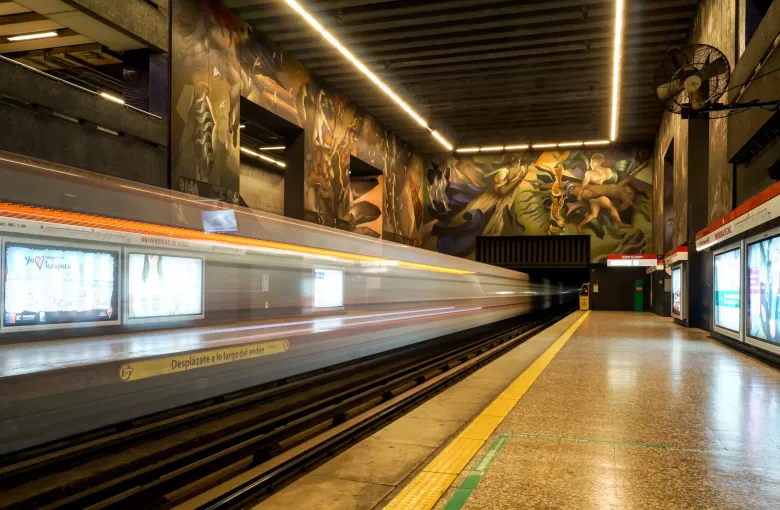
Chile is shaped in a way that defeats a single answer. It runs from the hyper-arid coastal desert of the north, which UNESCO describes as an arid and hostile habitat, to the sub Antarctic south, and the two ends do not share a calendar.
Fix the hemisphere first. Chile is in the southern hemisphere and its seasons are inverted. December to February is high summer; June to August is winter. If you plan on a northern calendar you will book what feels like spring and arrive in the fall.
Patagonia sets the dates
If the far south is on your itinerary it decides everything else. The austral summer, roughly November through March, is when the days are long and the walking is open. Outside it, light is short and many services close for the season.
Two things to expect rather than hope against: the wind, which is a constant rather than a forecast, and weather that changes several times within a day. Shoulder months buy thinner crowds at the cost of a real chance of losing a day.
One correction worth making early, because it shapes how people plan the south. Torres del Paine is not a World Heritage Site. It has sat on Chile's Tentative List since 1994, paired with Bernardo O'Higgins National Park, and a place on that list is a statement of intent rather than a designation. The Rapa Nui guide and the Valparaiso guide cover what Chile actually has inscribed, and it is not what most visitors would guess.
The Atacama is a year round destination
The north is dry in a way that makes season almost irrelevant to whether you can go. What does vary is temperature and, on the high altiplano, the afternoons: the altiplano sits far above the desert floor and behaves like mountain country rather than desert country.
Altitude is the planning constraint here rather than weather. Altitude sickness is a risk in parts of Chile, and the altiplano is the clearest case. Acclimatize before you go higher, never during, and give the north a settling day rather than arriving and driving straight up. The weather guide sets out what that means day to day.
The central valley and Santiago
Mediterranean in shape: hot dry summers, mild wet winters. The shoulder seasons, spring from September to November and fall from March to May, are the most comfortable for a city visit and the best for the wine country. Harvest falls in the fall, which is when the valleys are busiest and most interesting.
The south and Chiloe
Wet. The archipelago's weather is part of its character rather than an interruption of it, and a gray day on Chiloe is the ordinary case rather than bad luck. Summer is the driest part of a wet year. Go expecting rain and the place makes sense.
Rapa Nui
Subtropical and mild throughout the year, and remote enough that flights rather than seasons tend to govern when you can go. There are confirmed cases of dengue fever on Rapa Nui, which is mosquito borne with no vaccine most travelers will have, so repellent and covered evenings are the precaution whenever you visit.
Three dates that are not about weather
This is the part most seasonal guides leave out, and it is more likely to affect your trip than a rain shower.
Nationwide protests often take place on significant dates. The cited advisory names 11 September, the anniversary of the military coup; 29 March, the Day of the Young Combatant; and 1 May, Workers' Day. The largest demonstrations are usually in central Santiago, and the standing advice is to avoid all demonstrations.
None of that is a reason to avoid Chile in those weeks. It is a reason not to schedule a central Santiago museum day, an airport transfer through the middle of the city, or a tight connection on one of them. The safety guide sets out the reasoning.
Putting it together
November and March are the two months that come closest to serving the whole country at once, which is also why they are busy. A trip that wants Patagonia and the far north in the same fortnight is a long trip with a lot of flying in it, and the honest advice is to pick two regions and do them properly.
Sources
- UNESCO World Heritage Centre: Settlement and Artificial Mummification of the Chinchorro Culture in the Arica and Parinacota Region, inscribed 2021 under criteria (iii) and (v), recording a society of marine hunter-gatherers on the northern coast of the Atacama Desert from approximately 7400 BP to 2840 BP. Accessed 16 September 2026.
- UNESCO World Heritage Centre: Rapa Nui National Park, inscribed 1995 under criteria (i), (iii) and (v), a property of 6,666 hectares in the Easter Island province of the Valparaiso Region. Accessed 16 September 2026.
- UK Foreign, Commonwealth & Development Office: Chile safety and security: the advice to avoid all demonstrations, that peaceful protests can become violent and that the largest are in central Santiago where police can use tear gas and water cannon, that involvement in violent acts can lead to deportation under Chilean law, the significant dates on which nationwide protests often occur, and the distraction robbery, liquid spill and tire puncture techniques used in central Santiago and Valparaiso. Accessed 16 September 2026.
- UK Foreign, Commonwealth & Development Office: Chile health: the emergency ambulance number 131, the eight week lead time for vaccine advice, altitude sickness as a risk in parts of Chile, confirmed cases of dengue fever on Rapa Nui, and hantavirus as present in Chile. Accessed 16 September 2026.
Other Articles
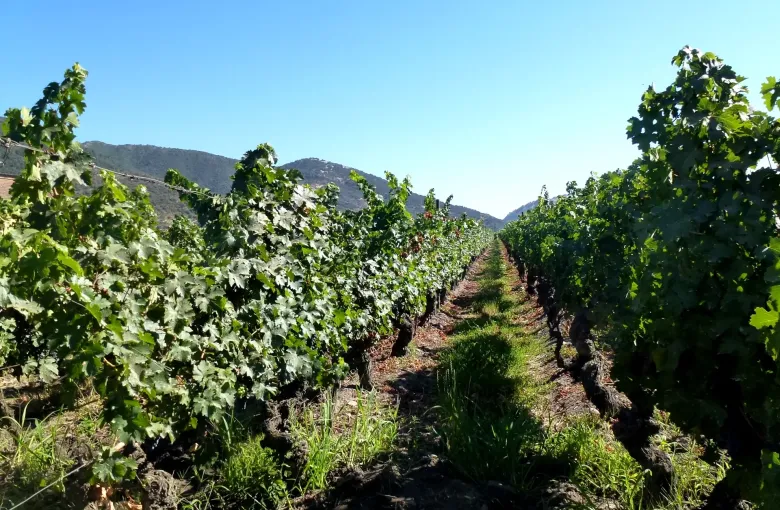
Chile Weather Guide
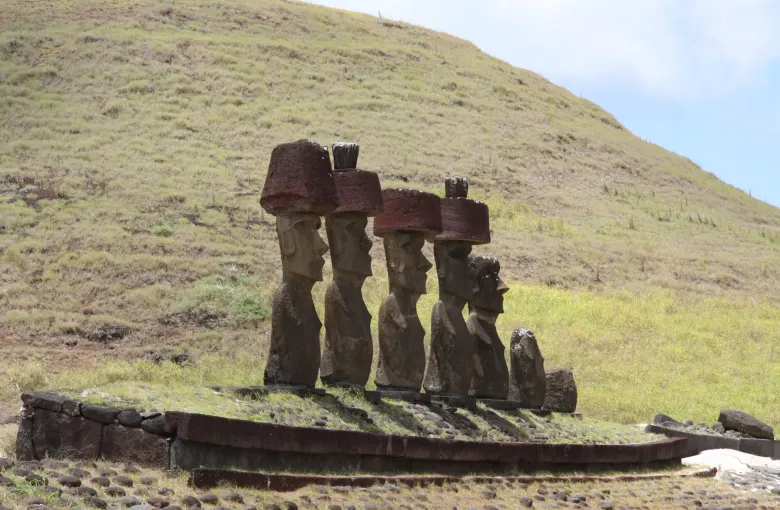
Rapa Nui National Park