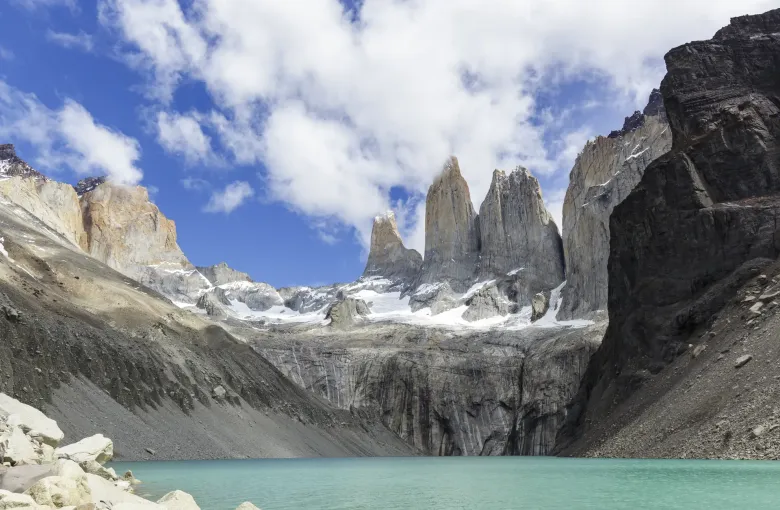
Most of Chile asks very little of a visitor beyond ordinary city sense. There is one region its own advisory singles out, one instruction about public gatherings that is firmer than travel writing usually admits, and a short list of theft techniques specific enough to be worth recognizing.
The Araucania Region, and the four provinces
This is the part of the page to read before you build an itinerary rather than after.
The cached advisory records ongoing civil unrest in the Araucania Region, especially around Temuco. That includes attacks by groups of demonstrators against both people and property, and the advice is to be cautious if you travel within the Araucania Region.
Separately, there is an ongoing state of emergency in the provinces of Biobio, Arauco, Cautin and Malleco, because of a significant increase in violent incidents. The military are assisting regional police there. Follow the instructions of local authorities.
Two things follow, and the second is the one that catches people.
- This is a regional qualification rather than a national one. Nothing in the cited source tells a visitor to avoid Chile, or Santiago, or Patagonia, or the north.
- Check which region and province each stop on your itinerary is in. If your plans include the southern lakes, do not assume from a tourist map that you are outside the area described above. Regional and provincial boundaries are not drawn where a holiday brochure draws its regions, and the advisory is written in provinces.
This cluster deliberately names no individual town as inside or outside those provinces, because the source it cites does not, and guessing would be worse than saying so.
Demonstrations
Avoid all demonstrations. That is the instruction as written, and it is worth taking literally rather than treating a protest as something to photograph from the edge.
Peaceful protests can become violent. The largest usually take place in central Santiago, and police can use tear gas and water cannon against protesters. Under Chilean law, you can be deported if you are involved in or promote violent acts that could disturb social order or the system of government. A foreign visitor at the edge of a crowd has no useful way to demonstrate which category they are in.
Nationwide protests often take place on significant dates, and these are predictable enough to plan around:
- 11 September, the anniversary of the military coup
- 29 March, the Day of the Young Combatant
- 1 May, Workers' Day
If your dates include one of those, expect disruption in central Santiago and plan the day somewhere else.
Three techniques, by name
The cited source lists specific methods used on visitors, especially in central Santiago and Valparaiso. Knowing the shape of them is most of the defense.
- Distraction robbery. One person distracts you while a second takes a handbag or backpack from your chair or from under the table.
- The liquid spill. Something is spilled on you, apparently by accident, and your valuables are taken while somebody helps you clean it off.
- The tire puncture. The pattern used on people with a vehicle.
The common thread is that all three begin with somebody being helpful or clumsy. Keep bags on you rather than on a chair back, and treat an unexpected mess on your clothing as a reason to check your pockets first and your shirt second.
Health, briefly
The emergency medical number is 131. Call it and ask for an ambulance. Contact your insurance company quickly if you are referred to a medical facility for treatment.
The health picture in Chile is unusually short. The CDC records the yellow fever vaccine as neither recommended nor required. This cluster publishes no malaria advice for Chile, because the cached source names no risk area and no province. What is real is altitude, and altitude sickness is a risk in parts of Chile: acclimatize before you go higher, never during. There are confirmed cases of dengue fever on Rapa Nui, and hantavirus is present in Chile.
Consult a travel clinic ideally eight weeks before departure. This page publishes no medication and no dose.
Verify Before You Travel
The Araucania position in particular is live and has changed before. Check the United States Department of State advisory for Chile and the regional risks page this guide cites, both before you book and again before you go.
Sources
- UK Foreign, Commonwealth & Development Office: Chile travel advice: the index to the entry, safety, regional and health pages this cluster draws on. Accessed 16 September 2026.
- UK Foreign, Commonwealth & Development Office: Chile safety and security: the advice to avoid all demonstrations, that peaceful protests can become violent and that the largest are in central Santiago where police can use tear gas and water cannon, that involvement in violent acts can lead to deportation under Chilean law, the significant dates on which nationwide protests often occur, and the distraction robbery, liquid spill and tire puncture techniques used in central Santiago and Valparaiso. Accessed 16 September 2026.
- UK Foreign, Commonwealth & Development Office: Chile regional risks: ongoing civil unrest in the Araucania Region, especially around Temuco, including attacks by groups of demonstrators against people and property, and an ongoing state of emergency in the provinces of Biobio, Arauco, Cautin and Malleco with the military assisting regional police. Accessed 16 September 2026.
- UK Foreign, Commonwealth & Development Office: Chile health: the emergency ambulance number 131, the eight week lead time for vaccine advice, altitude sickness as a risk in parts of Chile, confirmed cases of dengue fever on Rapa Nui, and hantavirus as present in Chile. Accessed 16 September 2026.
- Centers for Disease Control and Prevention: Chile traveler health: the yellow fever vaccine recorded as neither recommended nor required, updated 23 April 2025. Accessed 16 September 2026.
Other Articles
Getting Around Chile
Chile Visa and Entry Requirements