The currency is the Chilean peso, written CLP. It is freely convertible, there is no parallel or unofficial market, and the rate you are quoted is the rate. That sounds unremarkable until you have traveled elsewhere in the region, where it often is not the case.
This page publishes no exchange rate. Any figure printed here would be wrong within weeks, and a wrong rate is worse than none. Check on the day, from your own bank or a rate service.
Reading the notes
Peso amounts carry a lot of zeros, and that is where mistakes happen. A restaurant bill runs into the tens of thousands; a hotel night into the hundreds of thousands. Take a moment on your first day to fix the shape of the numbers in your head, because the scams below depend entirely on you not having done that.
Cards work, and they are the safer instrument
Cards are widely accepted in cities, hotels, restaurants and larger shops. Carry a modest amount of cash for markets, small towns, rural stops and anywhere in Patagonia where the next terminal may be a long way off, and use cards for the rest. Less cash on you is the simplest protection against the street crime the safety guide describes.
Tell your bank you are traveling before you go, and carry a second card kept somewhere other than your wallet.
ATMs
Use machines inside banks, shopping centers and supermarkets during opening hours rather than street units at night. Cover the keypad. Take the cash and put it away before you turn around. Petrol stations and viewpoints are named in the cited advisory as places where thefts from vehicles are common, so they are poor places to stop and count money.
Two scams that specifically target arriving travelers
Both are recorded in the advisory this guide cites, and both happen in the first hour of a trip when you are tired and unfamiliar with the numbers.
The airport taxi. Unlicensed drivers at Santiago Airport add extra digits to the fare, charging 5,000,000 pesos instead of 50,000. Others have persuaded passengers to enter their PIN into a card reader whose display cannot be read. Use the official taxi and transfer desks inside the terminal, agree the fare or the meter before you get in, and never enter a PIN into a device whose screen you cannot see. If the screen is dark, broken or turned away from you, that is the scam.
The distraction. In central Santiago and Valparaiso, one person distracts you while a second takes the bag from your chair or from under the table. A variant spills liquid on you and then helps you clean it up. The rule is the same in both cases: when someone unexpectedly touches you or makes a mess, your hands go to your bag, not to the problem.
Tipping
In restaurants a service charge of around ten percent is commonly added to the bill and shown as propina sugerida, a suggested tip. It is voluntary, it is normal to accept it, and you can decline it. Read the bill rather than assuming either way. For taxis, rounding up is usual rather than a percentage. Guides and drivers on a multi day trip are tipped at your discretion.
Practical points
- Keep some smaller notes. Breaking a large note for a short taxi ride or a market stall is often awkward.
- Rural Patagonia and the altiplano can be genuinely cashless in the wrong direction: no terminal, no machine. Draw cash before you leave a city.
- Airport exchange desks are convenient and rarely the best value. Change a small amount on arrival and more later.
- Keep receipts for anything substantial. They matter if a card charge needs disputing.
Costs across the country are covered in the seasonal guide, since when you go affects what you pay more than where you change money does.
Sources
- UK Foreign, Commonwealth & Development Office: Chile safety and security: the advice to avoid all demonstrations, that peaceful protests can become violent and that the largest are in central Santiago where police can use tear gas and water cannon, that involvement in violent acts can lead to deportation under Chilean law, the significant dates on which nationwide protests often occur, and the distraction robbery, liquid spill and tire puncture techniques used in central Santiago and Valparaiso. Accessed 16 September 2026.
- UK Foreign, Commonwealth & Development Office: Chile entry requirements: that the Chilean authorities set and enforce the rules, that a passport should have an expiry date after the day you plan to leave, and that immigration issues a tourist card, the tarjeta de turismo, an A5 sized white form which must be kept and given back on departure, with a duplicate obtainable from the investigations police if it is lost. Accessed 16 September 2026.
Other Articles
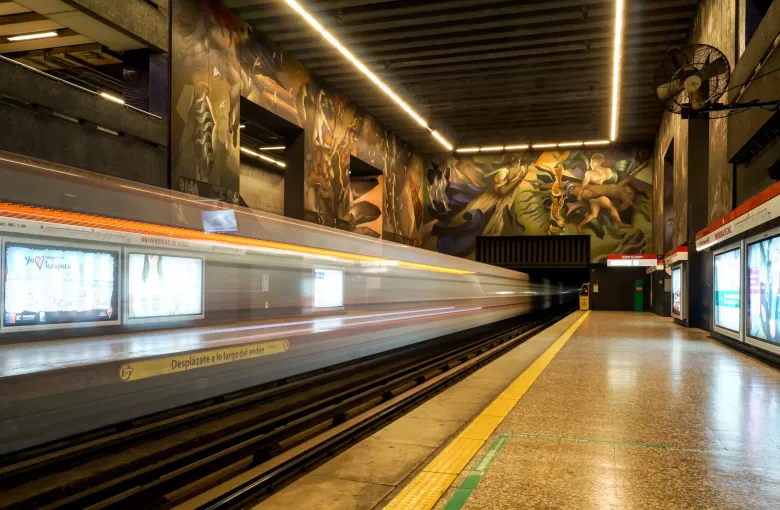
Getting Around Chile
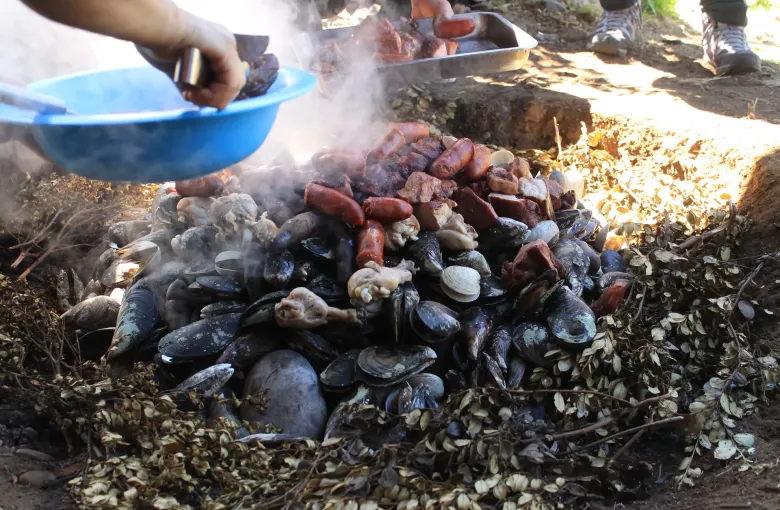
Chilean Food and Drink