
Why visit
Why visit the Netherlands?
The Netherlands holds thirteen World Heritage properties, twelve of them cultural and one natural, and the reason to come is what nearly all of them have in common. This is a country that was drained, diked, pumped and planned into existence, and it is still being kept dry today. The canal ring of Amsterdam is a designed port city on reclaimed swamp. Kinderdijk is the machine that took the water off the land. The Wadden Sea is the water itself, left to do what it does. A trip that treats the Netherlands as one city and a field of tulips gets a much smaller country than the one that is there.
Three of the thirteen carry this guide, and choosing three is an editorial decision rather than a ranking. The Seventeenth-Century Canal Ring Area of Amsterdam inside the Singelgracht was inscribed in 2010, and note what that name contains: the boundary. What is inscribed is the canal ring, not the city, and not the medieval old town the canals encircle. The Mill Network at Kinderdijk-Elshout followed from 1997, inscribed for what UNESCO calls the contribution made by the people of the Netherlands to the technology of handling water. And the Wadden Sea, inscribed in 2009, is the largest unbroken system of intertidal sand and mud flats in the world.
That last one needs one sentence of care, because it is the thing most often got wrong about the country. The Wadden Sea is transnational: the property covers the Dutch conservation area, the German national parks of Lower Saxony and Schleswig-Holstein and most of the Danish conservation area, so it is shared rather than Dutch, and its recorded area is the whole of it rather than the Dutch part. The ten properties this guide does not carry include the Beemster polder, the Dutch Water Defence Lines, the Van Nellefabriek, a steam pumping station and a planetarium, and we would rather list them than let a selection of three read as a verdict on the rest.
Two Dutch specifics are worth carrying before you arrive, because both are the opposite of what a visitor expects. Anyone aged 14 or over must always be able to show identification, with a fine of 100 euros at sixteen and over and 50 euros at fourteen and fifteen: Germany next door has no such requirement at all, and Austria requires only that the passport is within quick reach, so the rule does not travel with you across a Schengen itinerary. And cannabis is not legal. Use is tolerated only in designated premises in the major cities, smoking soft drugs in public is illegal, and buying or possessing outside designated areas, including when transiting through an airport, is illegal and can carry a prison sentence. Our travel safety guide sets out both, along with the fake police warning that is the most practical thing on it.
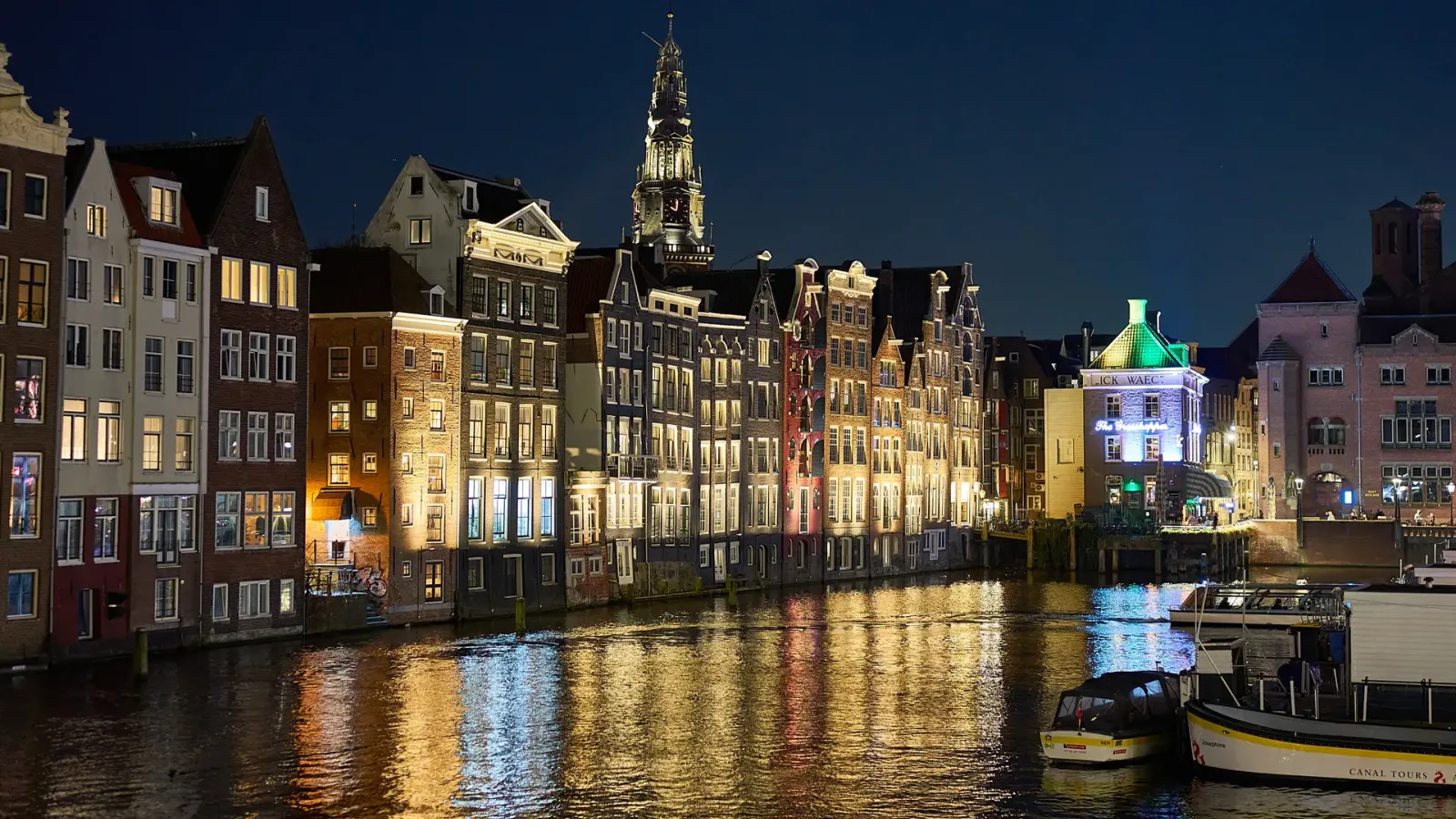
Top places to visit
Popular Attractions
in the Netherlands
-
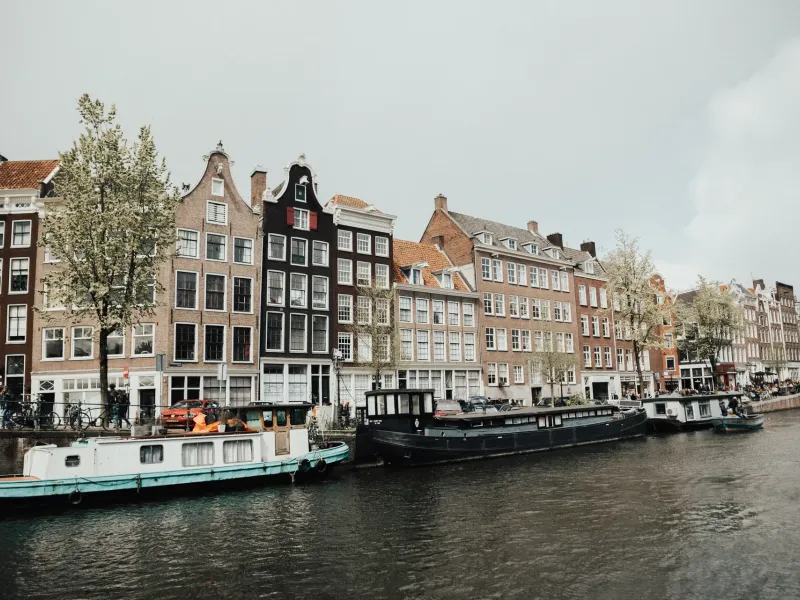
The Amsterdam Canal Ring
Inscribed in 2010, and what is inscribed is the canal ring inside the Singelgracht rather than the city: 198.2 hectares of planned port city, cut in concentric arcs through drained swampland at the end of the sixteenth century. See the Amsterdam canal ring guide.
-
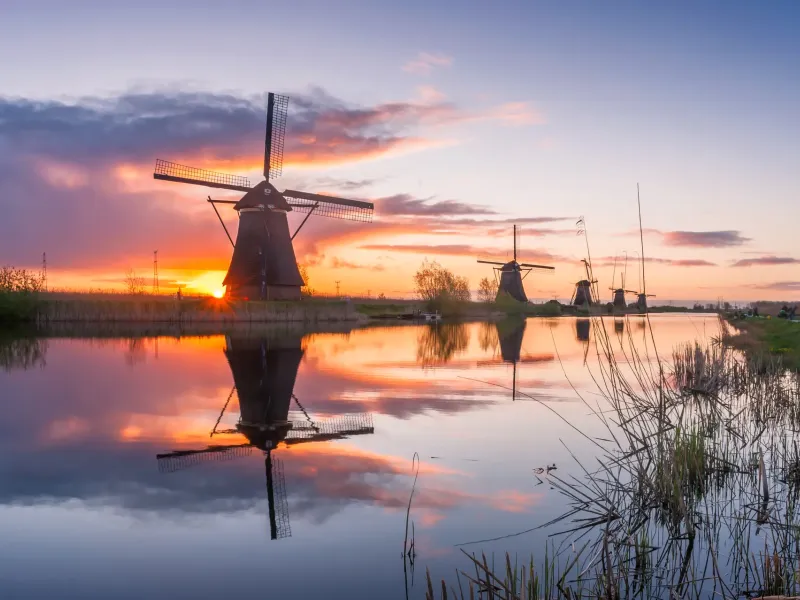
Kinderdijk
Nineteen drainage windmills along a dyke, inscribed in 1997 for one reason UNESCO states plainly: the contribution made by the people of the Netherlands to the technology of handling water. They are working machinery, not scenery, and the craft of running them is protected too. See the Kinderdijk guide.
-
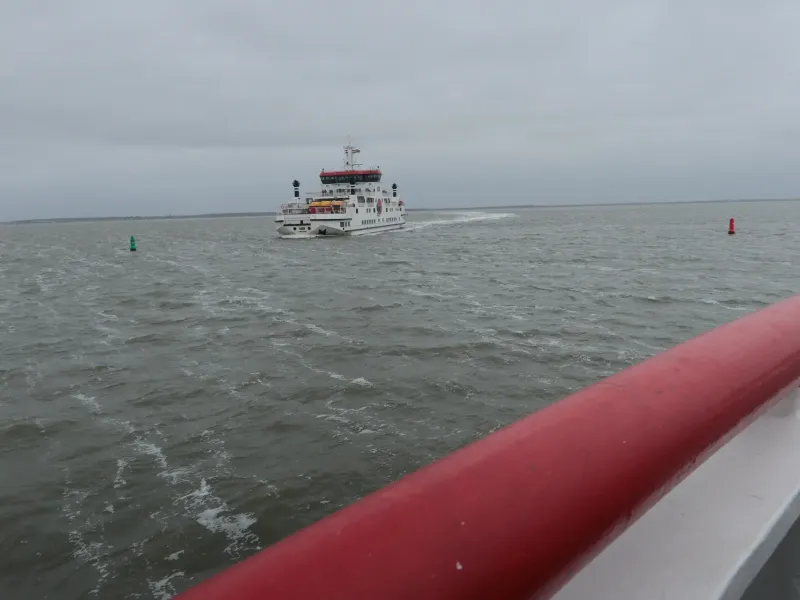
The Wadden Sea
The largest unbroken system of intertidal sand and mud flats in the world, inscribed in 2009. It is transnational rather than Dutch: the Netherlands, Germany and Denmark each hold part of it, and the Dutch part is what you reach from Friesland and the islands. See the Wadden Sea guide.
-
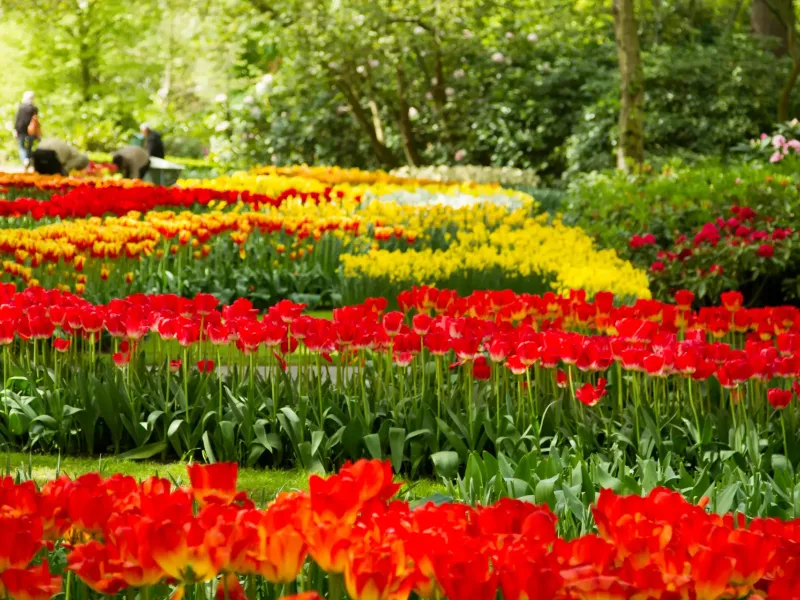
The bulb fields, which nobody can date
The country's most famous spectacle and the hardest thing here to plan, because bloom answers to a cold winter, a warm March and a wet or dry April rather than to a calendar. We publish no dates. Book late spring, check the growers' own reports, and treat the fields as a bonus. See when to visit.
-
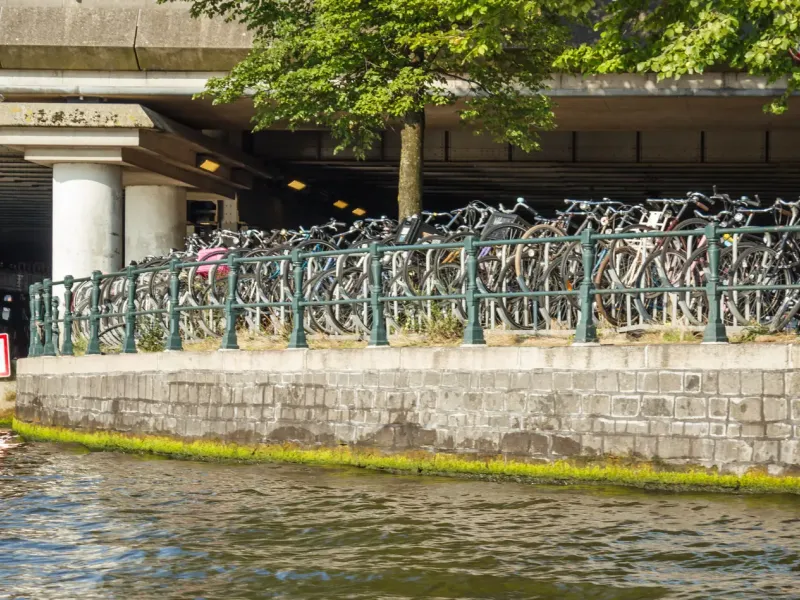
A country with right of way on two wheels
Bicycles are transport rather than recreation here, and the rule visitors get wrong is about who yields: cyclists and mopeds have right of way over motor vehicles and often ignore red lights. A cycle path is a road. Almost no Dutch itinerary needs a car. See getting around the Netherlands.
-
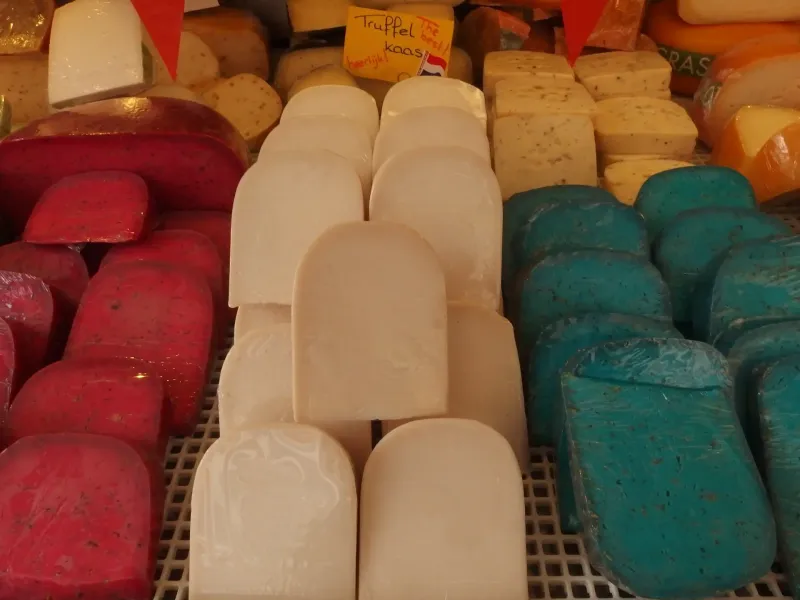
Cheese, markets and the Indonesian table
Dutch food is plainer and better than its reputation, and the market stall is where it is at its best. The most interesting eating in the country is not strictly Dutch at all: Indonesian food arrived through a long colonial relationship and has been on the national table for generations. See our food guide.
The guide
Explore Netherlands by Interest
Planning
Food and Culture
Heritage and History
Traveler Resources
Before you go
Planning
a trip to the Netherlands
-
Best Time to Visit the Netherlands
Late spring or early autumn, if you want one answer, and we say plainly that it is an editorial recommendation. The country is small enough that the season decides the trip rather than the itinerary, and the one thing worth building a trip around is the one thing that cannot be dated. See the best time to visit guide and the weather guide.
-
Entry, Money and Getting Around
The Netherlands follows Schengen rules, so the allowance is 90 days in any 180 day period counted across the whole area rather than across the Netherlands. On money there is one surprise that is the opposite of what visitors expect: many Dutch businesses take debit cards and not credit cards. See visa and entry requirements, money in the Netherlands and getting around.
-
Before You Book
Three things are worth carrying in advance. Anyone aged 14 or over must always be able to show identification, with fines of 100 euros at sixteen and over and 50 euros at fourteen and fifteen. Cannabis is not legal: use is tolerated only in designated premises in the major cities, and possession outside them, including when transiting an airport, can carry a prison sentence. And the canals have no railings. All three are on the travel safety guide.
Signature experiences
Signature
Netherlands experiences
-

A cheese counter, and being told to taste across the ages
Dutch cheese is a spectrum rather than a product, from mild and milky to hard and crystalline, and a market stall will let you taste along it. Take a debit card or cash, because a stall is exactly where a credit card is least likely to work. See our food guide.
-

An entire country wearing orange, on a date that does not move
King's Day is 27 April and it is the largest street party in the country, on the water as much as on land. Book months ahead, expect very full trains, and consider watching it from a smaller city. See festivals and celebrations.
-

A civil register from 1811, and the village it names
Dutch records are unusually good at answering the question: civil registration since 1811, church registers for centuries before it, and much of it indexed and online. Write to the municipal archive before you travel. See Dutch roots and family history travel.
LABUSA Travel plans group and private travel to the Netherlands for travelers who want the country rather than the postcard: the trains rather than a car, the market mornings, the water engineering that explains the landscape, the village a family came from, and the three World Heritage properties this guide covers in detail. We will tell you when a season is wrong for what you want, and we publish the rules and the things that cannot be dated rather than working around them.
Tell us what the trip is for and we will build it in the order that works.
Common questions
Netherlands Travel FAQs
- Do I need a visa to visit the Netherlands?
- The Netherlands follows Schengen area rules, so many nationalities can visit without a visa for up to 90 days in any 180 day period. The allowance belongs to the whole Schengen area and not to the Netherlands: time spent in any other Schengen country in the previous 180 days counts against it. That matters here because Schiphol is where a great many European trips begin. Your passport must have a date of issue less than ten years before you arrive and an expiry date at least three months after you plan to leave the Schengen area, and it has to satisfy both tests rather than either. The first is the one people fail, because a renewal issued before a change in practice in October 2018 can carry extra months from the old document.
- Is there an advisory against travel to the Netherlands?
- There is no advice against travel to any part of the country. The terrorism assessment recorded by the UK Foreign, Commonwealth and Development Office is that terrorists are likely to try to carry out attacks in the Netherlands, and that attacks could be indiscriminate, including in places visited by foreign nationals. Everything else on that page is about ordinary city travel: pickpocketing, a fake police scam, the canals and the traffic.
- Do I have to carry identification in the Netherlands?
- Yes. Anyone aged 14 or over must always be able to show identification, and for a visitor that document is the passport. The fines are on the record: for people aged 16 or over who fail to comply it is 100 euros, and for people aged 14 and 15 it is 50 euros. Do not assume the rule travels with you, because among the countries you are most likely to combine with a Dutch trip it is the strictest of three different rules. Germany has no legal requirement to carry identification at all, and Austria requires that you have your passport within quick reach and does not accept a driving license as official identification.
- Is cannabis legal in the Netherlands?
- No, and this is the thing most often got wrong about the country. The advisory records a reputation for tolerance and then narrows it: drug use is only tolerated in designated premises in the major cities, and there are specific cafes where it is legal to purchase and use cannabis in limited quantities and under strict conditions. Buying or possessing prohibited drugs outside of designated areas, including when transiting through airports, is illegal and can result in a prison sentence, and airport security is used to scan the baggage of transiting passengers as well. Smoking soft drugs in public places is illegal. We publish no reading of Dutch drug law of our own; ask the Dutch authorities.
- How much money can I bring into the Netherlands?
- There is no limit on what you may carry, but you must declare cash or traveler's checks if the value is 10,000 euros or more. You will be given a certified declaration to show that you brought it in with you, and if you do not declare it your money could be seized when you leave. The threshold is a Schengen area rule rather than a Dutch one, so it applies whichever border you cross.
- Do I need cash in the Netherlands?
- Some, and for a reason that is the opposite of what visitors expect. The Netherlands is close to cashless in daily life, but many Dutch businesses accept debit cards and do not accept credit cards, and that turns up in exactly the places a visitor uses: supermarkets, market stalls, smaller cafes, bakeries and some transport machines. Bring a debit card as well as a credit card, keep a modest amount of cash for markets, and ask before you order where it would be awkward to find out afterwards. Take cash out of a bank machine rather than from a person.
- How many World Heritage sites does the Netherlands have?
- Thirteen properties are inscribed on the World Heritage List, twelve cultural and one natural. This guide carries three of them in detail: the Seventeenth-Century Canal Ring Area of Amsterdam inside the Singelgracht, inscribed in 2010; the Mill Network at Kinderdijk-Elshout, inscribed in 1997; and the Wadden Sea, inscribed in 2009. Choosing three from thirteen is an editorial decision rather than a ranking, and the guides say which properties were left out and why.
- Is the whole of Amsterdam a World Heritage Site?
- No. What is inscribed is the Seventeenth-Century Canal Ring Area of Amsterdam inside the Singelgracht: 198.2 hectares with a 481.7 hectare buffer zone. The boundary is the achievement rather than an administrative detail. The canal district was a planned project for a new port city built at the end of the sixteenth and the beginning of the seventeenth centuries, laid out in concentric arcs on drained swampland, and the medieval old town that the canals encircle is not part of the property.
- Is the Wadden Sea a Dutch World Heritage site?
- It is a transnational property rather than a Dutch one, and that is the most common error made about it. The inscription covers the Dutch Wadden Sea Conservation Area, the German Wadden Sea National Parks of Lower Saxony and Schleswig-Holstein, and most of the Danish Wadden Sea maritime conservation area. Its recorded area of 1,143,403 hectares is the whole property across three countries. It is also the only natural World Heritage listing on the Netherlands' record, against twelve cultural ones, and it is the largest unbroken system of intertidal sand and mud flats in the world.
- When is King's Day, and when is the tulip season?
- King's Day is 27 April and it does not move: it is the largest street party in the country, the cities fill, and accommodation in Amsterdam should be booked months ahead. Sinterklaas is 5 December and does not move either. We publish no dates for the bulb season anywhere on this site, because bloom depends on a cold winter, a warm March and a wet or dry April and shifts by weeks from year to year. Book late spring rather than a specific fortnight, check the growers' own current reports in the weeks before you travel, and treat the fields as a bonus rather than the reason. Carnival in the southern provinces is tied to Easter and also moves.
- Can I bring food into the Netherlands?
- Not meat or milk, or anything containing them: those cannot be taken into European Union countries at all, and the narrow exceptions are things like powdered baby milk, baby food and special foods or pet feed required for medical reasons. That includes the sandwich you made for the flight. More generally you must declare anything that may be prohibited or subject to tax or duty. Going the other way, check your own country's rules before you buy cheese as a gift.
- Do I need vaccinations for the Netherlands?
- No vaccination is required for entry, and the question worth asking is a different one. The US Centers for Disease Control and Prevention asks travelers to be up to date on all routine vaccines and to be fully vaccinated against measles, suggests considering hepatitis A for most travelers, and on tick-borne encephalitis advises avoiding bug bites rather than vaccinating for this country. Start that conversation at least eight weeks before you travel. The health risks the advisory names for the Netherlands are biting insects and ticks, which matters for days spent in dunes or woodland. The emergency medical number is 112.
- How do I know if a Dutch police officer is genuine?
- Amsterdam police have warned of criminals using false police identities to trick tourists into handing over cash and credit cards, usually claiming an investigation into counterfeit money or false credit cards. Two facts settle it. Genuine plain clothes police will rarely carry out that kind of inspection, so the approach itself is the warning. And Dutch police do not have shiny badges, which the fake police sometimes present as identification. If you are unsure, call 0900 8844 to contact the nearest police station. Nobody legitimate needs to inspect your cash.
- Does this guide cover the Caribbean parts of the Kingdom?
- No. This cluster covers the Netherlands in Europe. The travel advisory we cite carries a standing pointer to separate advice for the constituent countries and special municipalities in the Caribbean, none of the pages read for this build describes them, and their entry rules, health advice and heritage are genuinely different. If your trip includes them, read that separate advice rather than this guide.