The short version
Eat at markets, eat cheese properly rather than as a souvenir, and have at least one Indonesian meal. Dutch cooking is plain and generous rather than elaborate, which is why the best of it appears in a market stall, a bakery, a cheese shop or a brown café rather than on a tasting menu.
Cheese, which deserves more than a wheel in a gift shop
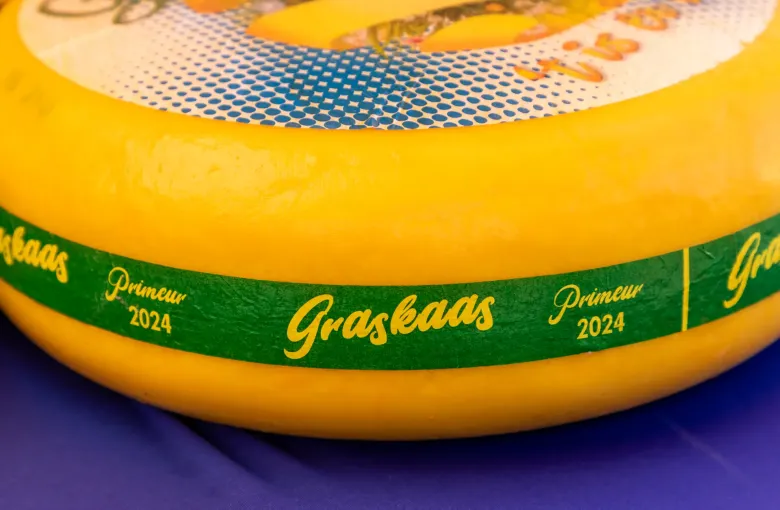
The Netherlands is a dairy country on a serious scale, and Dutch cheese is a spectrum rather than a product. The young cheeses are mild, soft and milky; the aged ones are hard, crystalline and intensely savory; and the seasonal fresh cheese made from the first grass of the year is a genuinely different thing again.
Buy it from a cheese shop or a market stall rather than a supermarket, ask to taste across the ages, and buy the one you like rather than the one in the picture. A cheese shop will vacuum pack for travel, which matters for the customs rule below.
The market is the meal
Every Dutch city of any size has a market, and it is the most reliable eating in the country. What to look for:
- Raw herring, served with onion and pickle, from a fish stall. It is the most Dutch thing you can eat and it is not as challenging as it sounds.
- Fried fish, particularly the small battered white fish sold in paper cones.
- Stroopwafels made in front of you, which bear no resemblance to the packaged version.
- Fries with mayonnaise, done properly, thick cut and twice fried, from a dedicated stand.
- Poffertjes and other batter, hot, in winter, standing up.
Markets are also where the payment warning from our money guide bites hardest: stalls commonly take a debit card and not a credit card, and some take cash only. Bring both.
⚠ The Indonesian table, which is not a footnote
The single most interesting thing about eating in the Netherlands is that Indonesian food is part of Dutch food. It arrived through a long colonial relationship and it has been on the national table for generations: it is in ordinary neighborhood restaurants, in supermarket aisles, in snack bars and in home cooking.
The set piece is the rijsttafel, a table of many small dishes served together, which was a Dutch colonial invention rather than an Indonesian one and is now a Dutch institution. Order it with a group. Beyond that, look for satay with peanut sauce, nasi goreng and bami goreng, and the fried snacks that Dutch snack bars sell without anyone thinking of them as foreign.
The honest note on this is that it is a colonial inheritance, and the country's own restaurants increasingly say so. Eating it is not a problem. Pretending it arrived from nowhere is.
Bread, pastry and the sweet end
Dutch bakeries are excellent and underrated. Look for apple cake, almond filled pastry, and speculaas spiced biscuits, which are a December tradition that has escaped into the rest of the year. Liquorice is a national obsession and an acquired taste, and the salty kind is the one that surprises people.
Drinking
Brown cafés, the old wood paneled bars that give Dutch cities their character, are the right place for a beer and a plate of bar snacks. Dutch brewing goes well beyond the lager that gets exported, and the local Trappist and abbey styles from the south are worth seeking out. Genever, the juniper spirit that beer culture forgot, is the national drink that most visitors never try.
Two notes that are not moralizing. The advisory's canal warning is about drinking: the majority of Dutch drownings happen after heavy drinking or smoking cannabis, and the canals have no railings. And mixing alcohol, cannabis and wild mushrooms can be fatal, which is the office's own wording rather than ours.
⚠ The customs rule that catches people going home
You cannot take meat, milk or products containing them into EU countries, with narrow exceptions including powdered baby milk, baby food and special foods required for medical reasons. Coming in, that is what stops you carrying a sandwich through the border.
Going the other way, check your own country's rules before you buy cheese as a gift. Vacuum packing solves the practical problem and does not change anyone's import rules. A cheese shop will tell you what it can pack; your own customs service will tell you what you can land.
Food safety and health
Tap water is safe and good, and buying bottled water here is a waste of money. Food standards are high and street and market food is safe.
The US Centers for Disease Control and Prevention suggests considering hepatitis A for most travelers, and recommends it for anyone planning to eat street food or spend time outside the main cities. That is the only food linked vaccine question for this country, and it is a conversation with a clinic rather than a warning about Dutch kitchens.
Verify Before You Travel
- The UK Foreign, Commonwealth & Development Office Netherlands entry requirements page, for the meat and milk restriction.
- The US Centers for Disease Control and Prevention Travelers' Health page for the Netherlands, for hepatitis A.
- Your own country's customs service, for what food you may bring home.
Sources
- UK Foreign, Commonwealth & Development Office: Netherlands travel advice, including the standing pointer to separate advice for the Dutch Caribbean. Accessed 16 September 2026.
- UK Foreign, Commonwealth & Development Office: Netherlands entry requirements: Schengen area rules, the two passport tests, the Entry/Exit System, the food restrictions and the 10,000 euro cash declaration. Accessed 16 September 2026.
- US Centers for Disease Control and Prevention: Travelers’ Health, Netherlands: routine vaccines, hepatitis A, measles, rabies and tick-borne encephalitis. Accessed 16 September 2026.
Other Articles
Netherlands Culture and Etiquette Guide

Netherlands Festivals and Celebrations