
Why visit
Why visit Mozambique?
Mozambique is two and a half thousand kilometers of Indian Ocean coastline, and that is the thing to understand about it first. The archipelagos, the dhows, the reefs and the seafood all come from the same fact, and so does a history of trade that ran north and east for centuries before Europe arrived.
It is the only country in this part of Africa whose official language is Portuguese, which is a legacy of four centuries of colonial rule that ended in 1975 and of the long war that followed. That history is visible in the architecture of Maputo, in the kitchen, and on the Island of Mozambique, which was the capital of Portuguese East Africa and is now a World Heritage Site.
There are two World Heritage properties. The Island of Mozambique, inscribed in 1991 for a stone town and a reed town on one small coral island. And Maputo National Park, which is Mozambique's share of a transboundary property on the South African border whose boundary was modified in 2025 to include it. Gorongosa, Bazaruto and the Quirimbas are famous, and none of them is inscribed.
The practical picture needs stating plainly rather than softened. The United States rates the country Level 2 overall and separately tells travelers not to go to Cabo Delgado or to parts of Nampula and Niassa, where there is an armed insurgency. Those are real restrictions covering a specific region in the north, and the coast, the parks and the cities most visitors come for are outside them. We set all of it out on the travel safety guide rather than leaving you to find it.
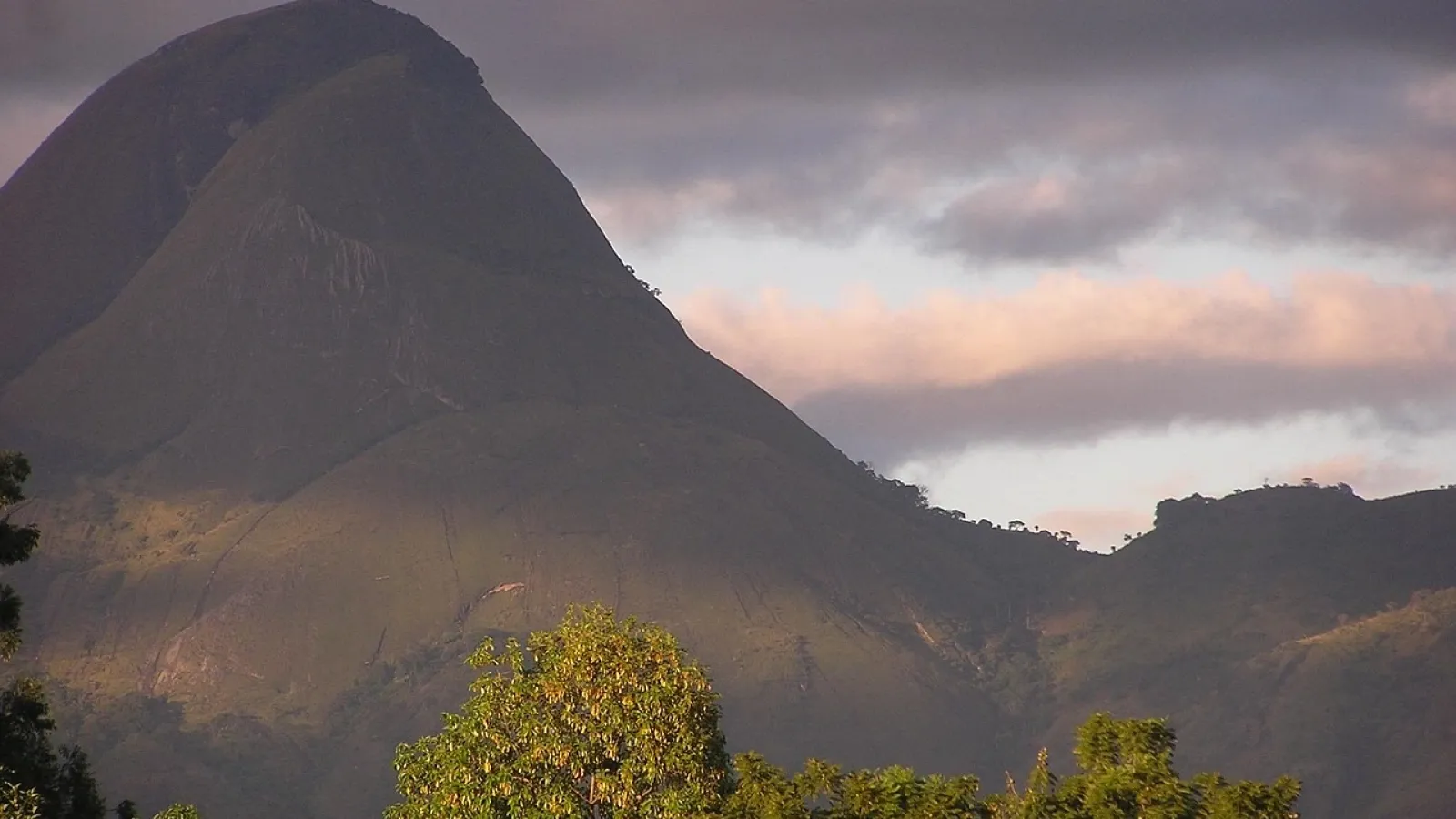
Top places to visit
Popular Attractions
in Mozambique
-
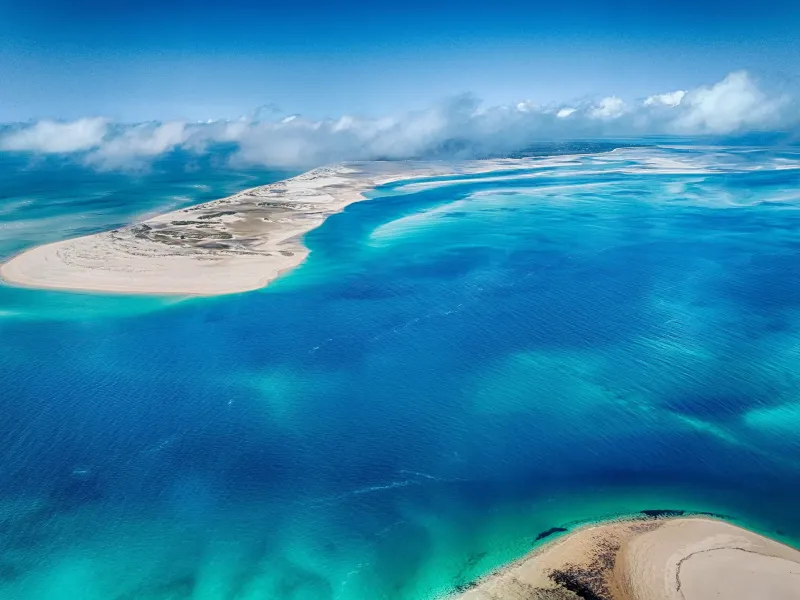
Bazaruto Archipelago, off Vilankulo
Sandbars, dune islands and clear shallow water off the southern coast, reached by boat from Vilankulo. It is a national park rather than a World Heritage Site, which is a distinction worth keeping straight, and it is the archipelago most people picture when they picture Mozambique. See when to go.
-
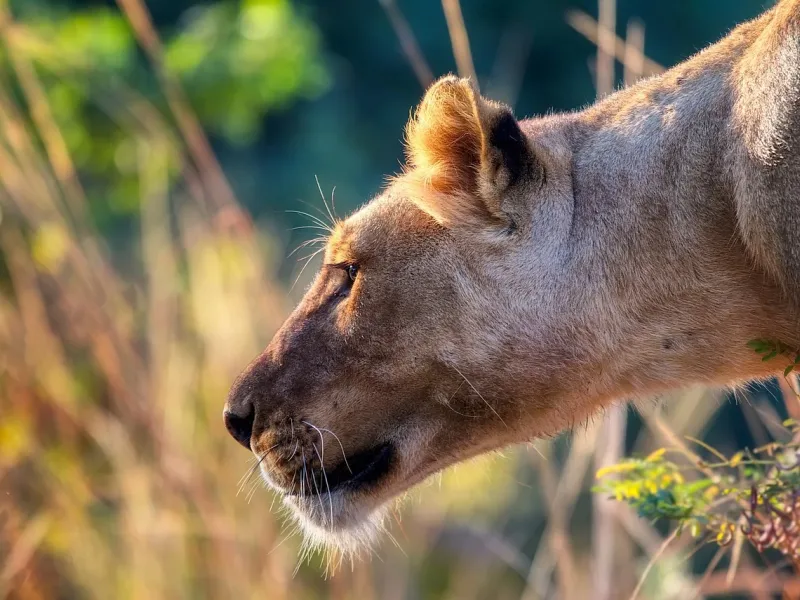
Gorongosa National Park, Central Mozambique
A Rift Valley park at the southern end of the Great Rift, and one of the more remarkable recovery stories in African conservation after its wildlife was all but lost in the civil war. It is not a World Heritage Site, whatever a search result may tell you. See the travel safety guide for the current regional picture.
-
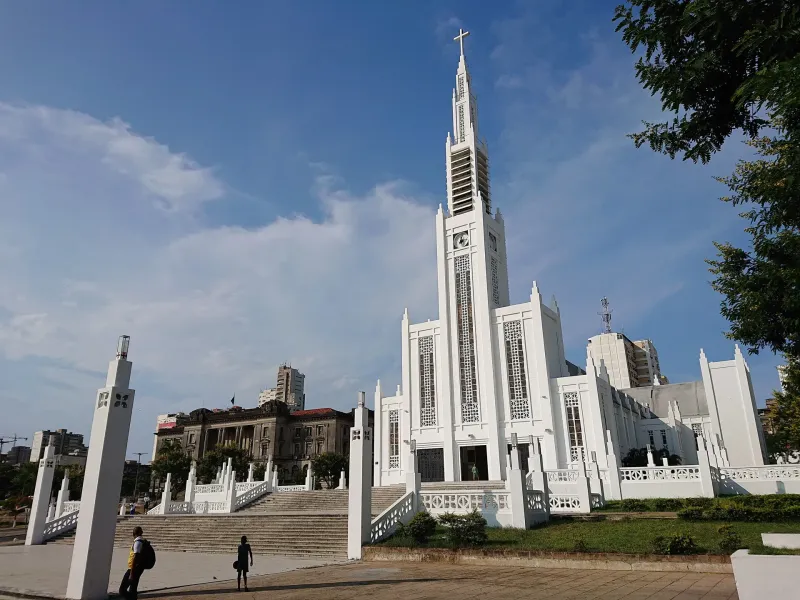
Maputo
A capital of wide avenues, Portuguese colonial facades, modernist concrete and a seafront, where most trips begin and end. The markets, the peri-peri and the live music are the reasons to give it more than a night. See culture and etiquette and the food guide.
-
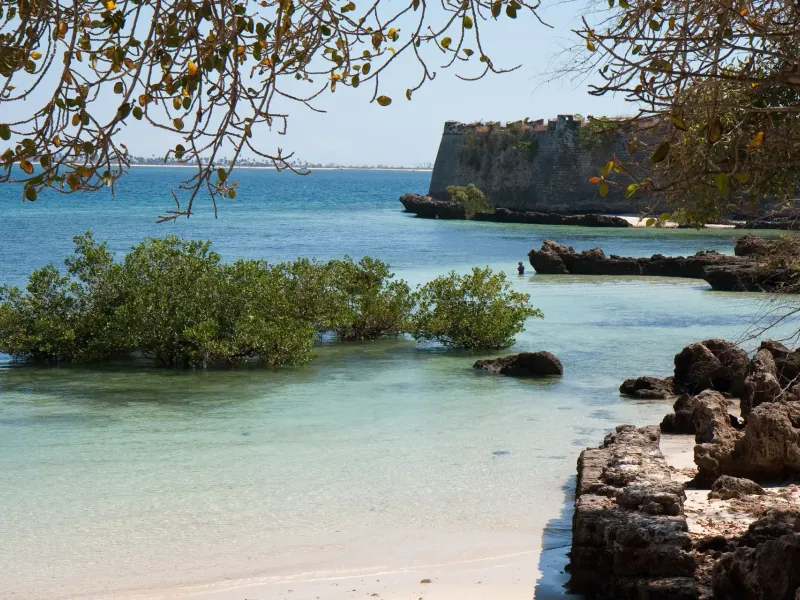
The Island of Mozambique
A coral island barely three kilometers long that was the Portuguese capital of East Africa for four centuries, inscribed by UNESCO in 1991. A stone town at one end, a reed town at the other, and the São Sebastião fortress holding the northern tip. See the Island of Mozambique guide.
-
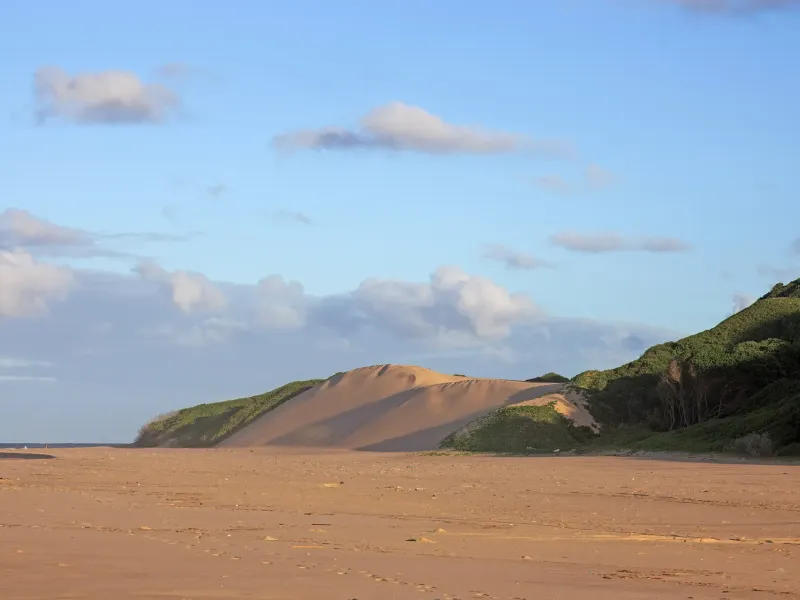
Maputo National Park
Dune forest, grassland and a coastline an hour or so south of the capital, and Mozambique's share of a transboundary World Heritage property on the South African border. The boundary was modified in 2025 to take it in. See the Maputo National Park guide.
-
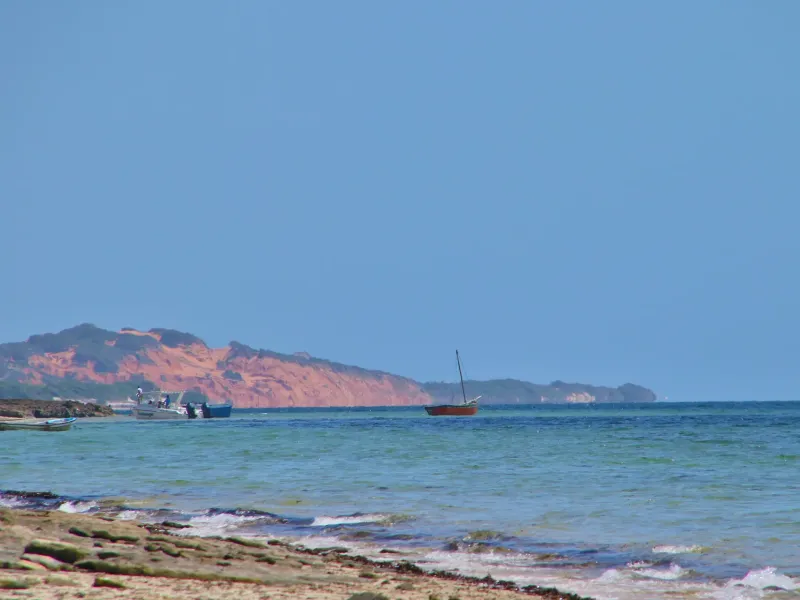
Vilankulo and the Dhow Coast
The mainland town most Bazaruto trips leave from, and a working dhow coast in its own right. Sailing craft have moved goods and people along this shore for centuries, and they still do. See getting around.
The guide
Explore Mozambique by Interest
Planning
Food and Culture
Heritage and History
Traveler Resources
Before you go
Planning
a trip to Mozambique
-
Best Time to Visit Mozambique
The dry season runs May to October and that is the straightforward answer for a first trip: roads behave, boat transfers run, and the water is at its clearest late in the window. November to April is hotter, wetter and inside the tropical cyclone season. See the best time to visit guide and the weather guide.
-
Visas, Money and Getting Around
An Electronic Travel Authorisation applied for online at least five working days before you fly, not at the airport on the day. Passport valid six months. Inside the country it is substantially a cash economy once you leave the cities. See visa and entry requirements, currency and money and getting around.
-
Before You Book
The United States places Mozambique at Level 2, Exercise Increased Caution, and separately names parts of the north as Do Not Travel: Cabo Delgado, and parts of Nampula and Niassa. Malaria prophylaxis is recommended for the whole country. All of it, dated and attributed, is on the travel safety guide.
Signature experiences
Signature
Mozambique experiences
-
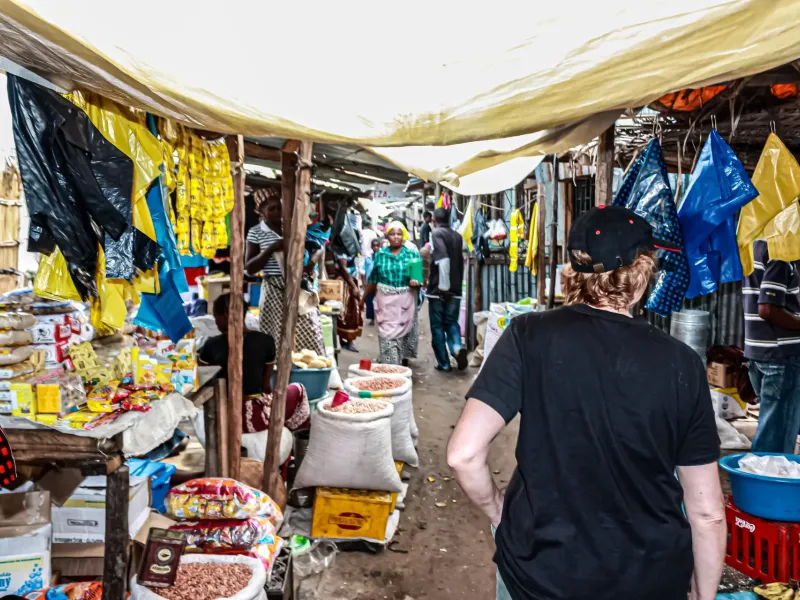
Peri-peri, matapa, and an Indian Ocean kitchen
Mozambican food is Indian Ocean cooking with a Portuguese accent: coconut, cassava and spice from the Swahili coast, prawns and peri-peri from the colonial centuries, and matapa, the cassava-leaf dish that is closest to a national one. Start with the food guide.
-
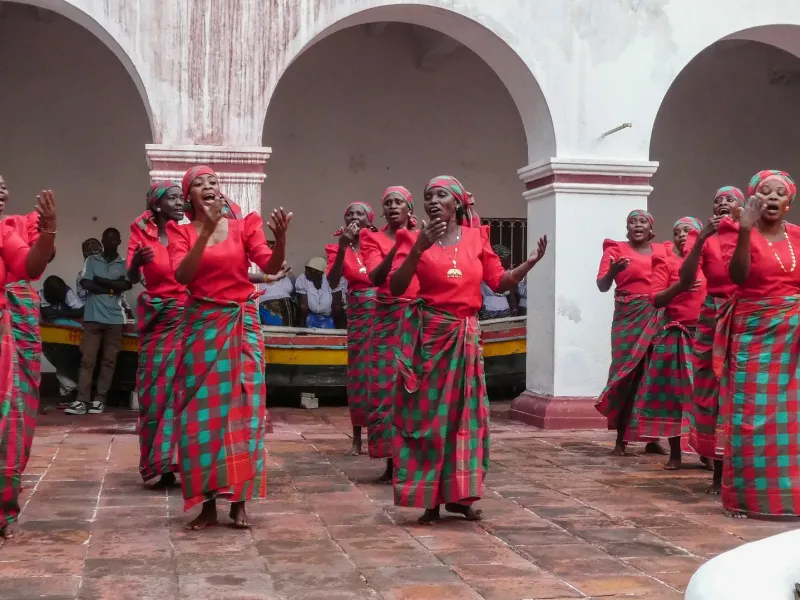
Mapiko, marrabenta, and the capulana
The capulana is the printed cloth you will see doing every job from skirt to baby carrier, and it is the most useful thing you can buy here. Mapiko masked dance and marrabenta are living traditions rather than performances laid on for visitors. See festivals and culture and etiquette.
-
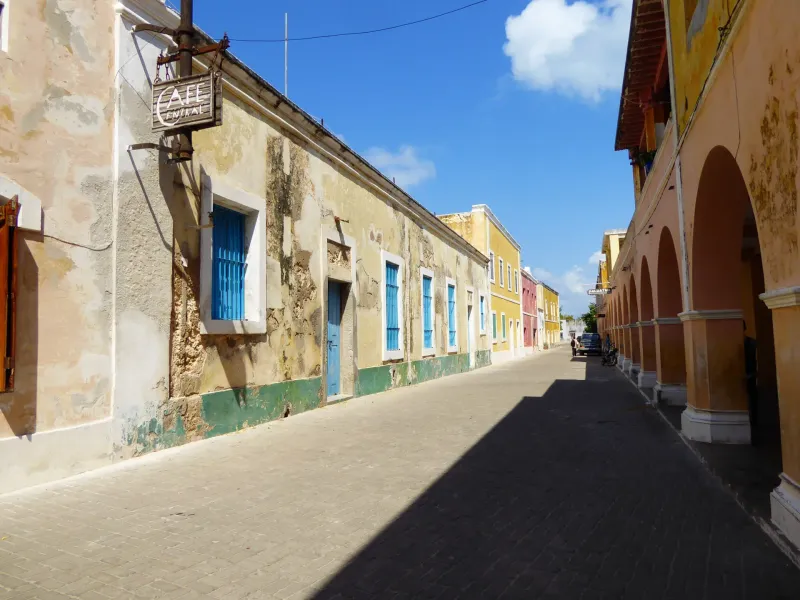
Four centuries on one small island
The Island of Mozambique was a Swahili trading settlement before it was a Portuguese capital, and it was a departure point in the Indian Ocean slave trade. That history is the reason it matters to visitors tracing a family connection. See Mozambique and diaspora reconnection.
Why choose LABUSA Travel for Mozambique
We tell you which parts of the country are closed
Mozambique is a Level 2 country with Do Not Travel provinces inside it, and those two facts have to be said together or one of them misleads. If an itinerary you are offered includes the Quirimbas, we will tell you why that is a question rather than a selling point.
We plan around the season, because the coast does
The dry months are when boat transfers run and unsealed roads behave, and the wet months sit inside the cyclone season. We build the itinerary around that rather than around a price, and we leave a spare day before an international flight because swell from a system far offshore can cancel a crossing under a clear sky.
Honest about the health picture
Malaria prophylaxis is recommended for the whole country, with no low-risk exception for the beach or the city, and all fresh water should be treated as carrying bilharzia. That is a conversation with a travel clinic weeks before you fly, and we would rather say it before you book than after.
Common questions
Mozambique Travel FAQs
- Do I need a visa for Mozambique?
- You need an Electronic Travel Authorisation, applied for online before you fly. Apply at least five working days ahead: it is not issued at the airport on the day, and a short lead time is the most common reason a trip here starts badly. The published cost is approximately 47 US dollars, made up of a 37 US dollars visa fee and a 650 Mozambican Metical processing fee. Your passport must be valid for six months. There is also a yellow fever certificate rule, which depends on where you have traveled before arriving rather than on your nationality.
- When is the best time to visit Mozambique?
- May to October. That is the dry season, and if you can only go once and want the trip to go to plan, go then. Roads behave, boat transfers to the islands run, and visibility in the water is at its best late in the window. August to October is the busy end and the best places sell out a long way ahead. April and November are underrated shoulders. From November to April it is hotter, wetter and inside the tropical cyclone season, which is a fine time to travel if your plans are loose and a poor one on a fixed schedule with tight connections.
- Is Mozambique safe to visit?
- Both halves of the answer matter. The United States rates the country Level 2, Exercise Increased Caution, which is the same level it gives a great many ordinary destinations. It also names parts of the north as Do Not Travel: Cabo Delgado, and parts of Nampula and Niassa. Those are real restrictions covering a specific region, not the country as a whole, and the beaches, reefs and cities most visitors come for are outside them. The current position, with its date and its source, is on the travel safety guide, which is where we keep anything that can change.
- Can I visit the Quirimbas Archipelago?
- Not at present, and this is the single most important piece of planning information about northern Mozambique. The Quirimbas lie in Cabo Delgado, where both the United States and the United Kingdom advise against travel because of an armed insurgency. Lodges there have closed and reopened and closed again. If an itinerary you are offered includes the Quirimbas, that is a reason to ask hard questions rather than a sign of a well connected operator. The Bazaruto Archipelago in the south is the alternative most people actually want.
- Do I need malaria tablets?
- Yes. The Centers for Disease Control and Prevention recommends malaria prophylaxis for the whole country, with no low risk exception for the coast or the cities, and chloroquine resistance means the drug your parents took is not the drug you will be prescribed. This is a prescription medicine and a conversation with a travel clinic several weeks before you fly, not something to buy on arrival. Mosquito avoidance matters too, but it is not a substitute.
- Can I swim in the lakes and rivers?
- Treat all fresh water as carrying bilharzia, which is the parasitic infection also called schistosomiasis. It is present in Lake Niassa, in the Zambezi and in still and slow moving inland water generally, and it does not announce itself: the symptoms can appear weeks later. The sea is a different matter entirely, and the Indian Ocean coast is the reason most people come. Swim in salt water, and if you have been in fresh water, tell a doctor when you get home.
- How many World Heritage Sites does Mozambique have?
- Two, and they could hardly be less alike. The Island of Mozambique was inscribed in 1991: a small coral island that was the Portuguese capital of East Africa for four centuries, with a stone town at one end and a reed town at the other. Maputo National Park is the country's share of a transboundary natural property on the border with South Africa, whose boundary was modified in 2025 to take it in. One is a town you walk. The other is a park you drive.
- What language will I need?
- Portuguese. It is the sole official language and the language of government, schooling and most signage, and it is what you will meet on a menu, a timetable and a form. It is also a second language for a great many Mozambicans: Emakhuwa is widely spoken in the north, Xichangana in the south, and which one depends heavily on where you are. English is common in tourist-facing businesses and much less common outside them, so a few words of Portuguese go a long way.
- Will my card work, or should I carry cash?
- Carry cash, and plan for it. The currency is the metical. Cards work in the cities and in the larger coastal lodges, and outside them they very often do not, which catches out visitors used to tapping a phone everywhere. Draw money where you know you can, keep small notes for transport and markets, and do not count on an ATM in a small town being stocked or working. The currency and money guide sets out the detail.
- Is there anything I should not photograph?
- Yes, and it is worth knowing before you raise a camera. Do not photograph government buildings, military and police installations or personnel, airports, or anything that could be read as infrastructure of that kind. This is enforced, and a misunderstanding is expensive and slow to resolve. For people, ask first, every time. The culture and etiquette guide covers this alongside greetings, dress and the capulana, which is the cloth you will see used for everything from a skirt to a baby carrier.