The short version
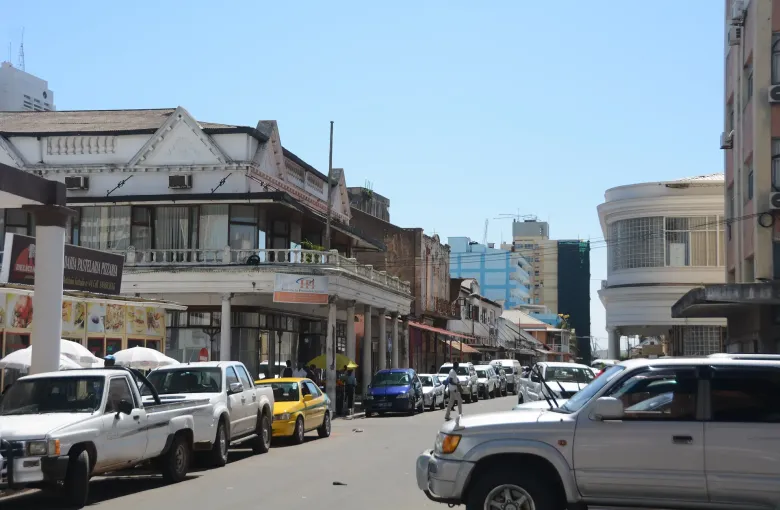
The currency is the Mozambican metical. Cards work in Maputo and in better-established coastal places. Cash is what works everywhere else, and running out of it in a small place is a genuine inconvenience rather than a minor one.
What we will not tell you
We are not going to publish an exchange rate, a daily budget, a typical meal price or an ATM withdrawal limit for Mozambique. No source we read for this guide publishes them, and a number invented for the sake of completeness is worse than no number, because a reader will plan around it.
The one money figure any official source we used does publish is the cost of the entry authorization: approximately 47 US dollars, comprising a 37 US dollars visa fee and a 650 Mozambican Metical processing fee, paid online when you apply. That is the FCDO's figure for British passport holders, and it is the only price in this cluster that comes from a government.
For everything else, check a current rate the week you travel, and ask your accommodation what they actually take. A lodge that has been operating for years will give you a better answer about its own district than any published guide.
Carrying money on this particular trip
Mozambique tends to be a two-mode trip: a capital that behaves like a capital, and small coastal or island places where the nearest bank is a long way off.
- Draw cash in the city, before you move on. The bank machine you can rely on is the one in Maputo, Vilankulo or Inhambane, not the one on the island.
- Split it. Some on you, some in the hotel safe, some in a separate bag. This is ordinary practice anywhere and it is worth actually doing here.
- Carry small notes. Change for a large note is a recurring problem in small places, and it is your problem rather than the seller's.
- Tell your bank you are traveling. A card frozen for unusual activity is the most avoidable way to be stranded without money.
Cards, and where they stop working
Expect cards to work in city hotels, larger restaurants, supermarkets and established lodges. Expect them not to work at a market stall, with a taxi driver, at a small guesthouse, on a boat transfer, or for a park fee. Assume any of those is cash until you are told otherwise.
Money and safety, which are the same subject here
The State Department describes violent crime such as mugging as common, and the FCDO's advice about thefts from visitors is the usual and correct advice: do not display valuables, do not walk in quiet areas after dark, and keep copies of documents separately from the documents.
The practical version for money is simple. Do not count cash in the street. Do not use a bank machine in an unlit or empty place, and prefer one inside a bank or a hotel. Keep a small amount accessible so that you are never opening your main store of money in public.
Tipping
Tipping is normal in tourist-facing businesses and appreciated elsewhere. There is no published standard for Mozambique that we are willing to quote, and rates vary between a city restaurant and a small lodge. Round up, tip in local currency rather than foreign notes, and hand it to the person rather than leaving it on a table if you want it to reach them.
Before you leave home
- Pay the entry authorization online. It cannot be paid at the border.
- Tell your bank and your card issuer where you are going and for how long.
- Check what your travel insurance covers for cash loss, and whether it covers medical evacuation, which matters more here than cash does.
- Bring a second card, kept somewhere other than your wallet.
Sources
- UK Foreign, Commonwealth & Development Office: Mozambique entry requirements: the Electronic Travel Authorisation, its cost and lead time, passport validity and vaccination certificates. Accessed 14 September 2026.
- UK Foreign, Commonwealth & Development Office: Mozambique safety and security, including the assessment of terrorism and of IS-Mozambique. Accessed 14 September 2026.
- US Department of State: the Mozambique travel advisory, currently Level 2, Exercise Increased Caution, with Do Not Travel areas in the north. Accessed 14 September 2026.
Other Articles
Mozambique Visa and Entry Requirements
Mozambique Food Guide