
Why visit
Why visit Turks and Caicos?
With more than 40 islands and cays, Turks and Caicos is a sanctuary of natural beauty: Grace Bay’s pristine shores, Chalk Sound’s turquoise lagoons, and world-class reefs for diving. But beyond the beaches, the islands reveal heritage: enslaved Africans who worked the salt flats, communities who preserved African traditions through music and dance, and cultural pride expressed in festivals like the Turks and Caicos Music and Cultural Festival. Here, leisure and legacy come together in harmony.
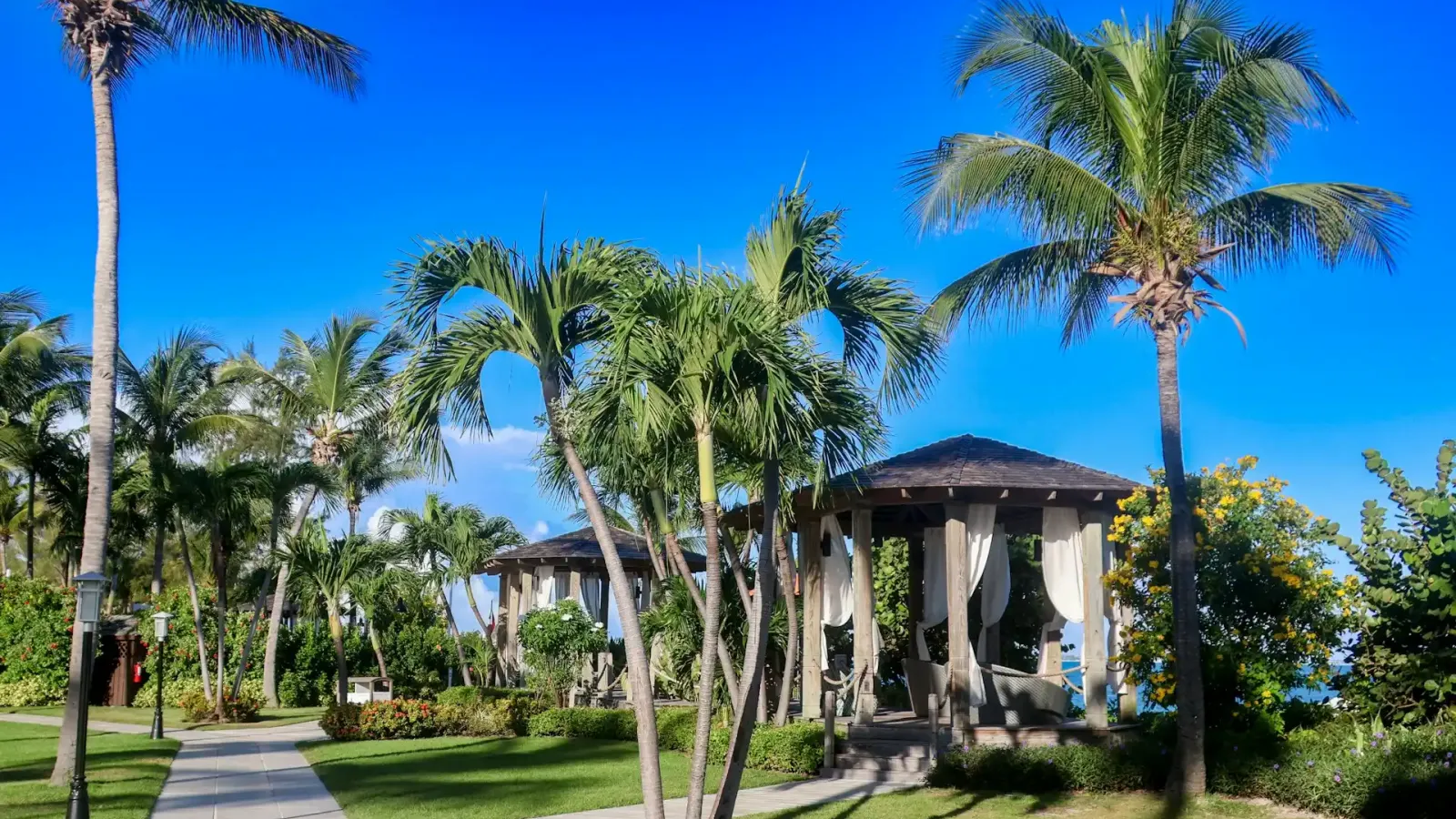
Top places to visit
Popular Attractions
in Turks and Caicos
-
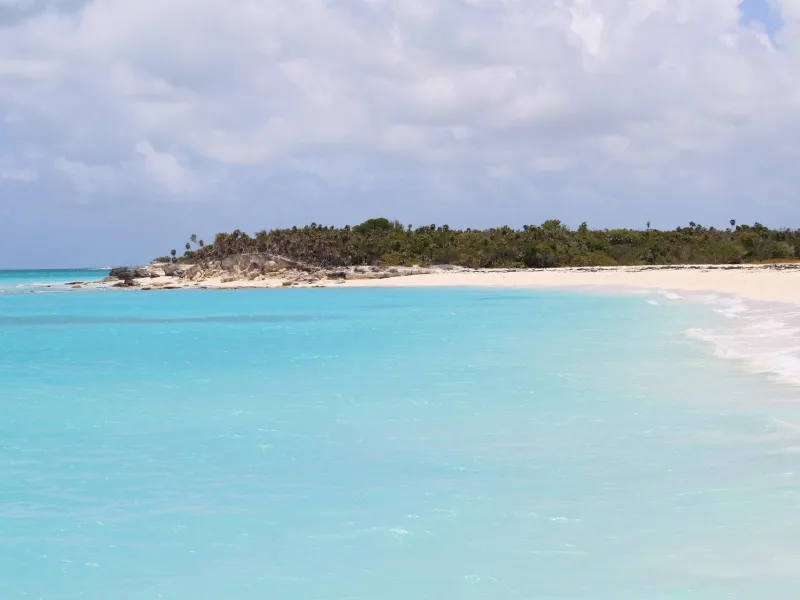
Grace Bay: Paradise Perfected
Consistently ranked among the world’s best beaches, Grace Bay offers relaxation, clear waters, and unforgettable sunsets.
-
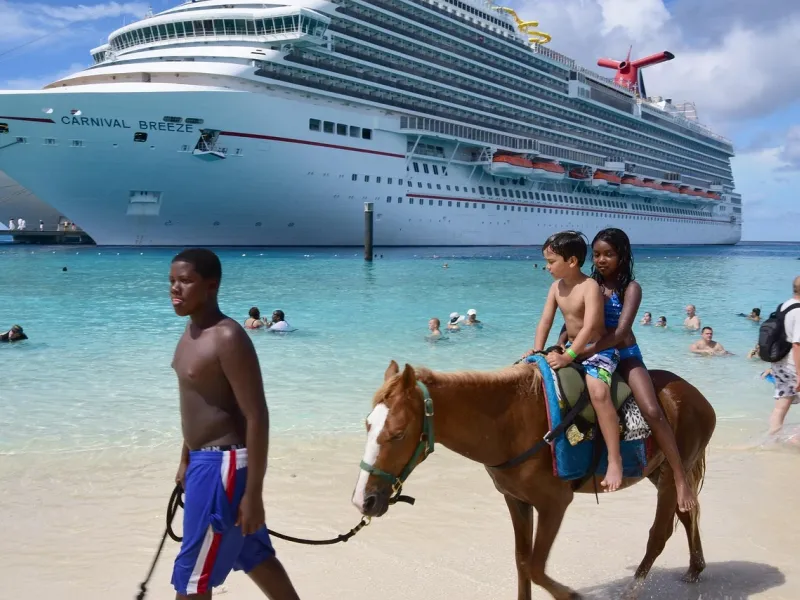
Grand Turk: Salt and History
Once the center of the salt industry, Grand Turk holds historic salt ponds and heritage sites that tell the story of labor, resilience, and community.
-
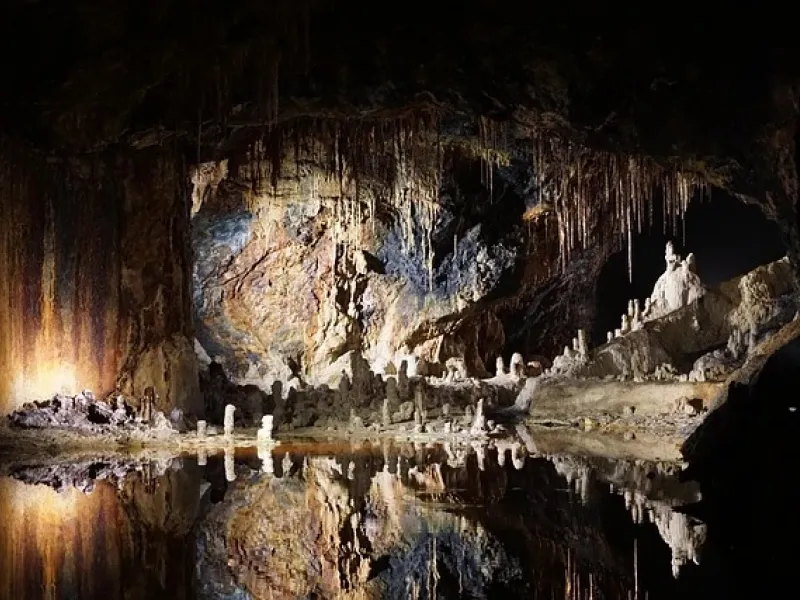
Conch Bar Caves: Echoes Underground
Located on Middle Caicos, these limestone caves are the largest in the Caribbean. Guides share legends, ecology, and heritage tied to the land.
The guide
Explore Turks and Caicos by Interest
Planning
Food and Culture
Heritage and History
Traveler Resources
Deep Expertise
We partner with local historians, musicians, and cultural leaders to showcase the islands’ soul. From ripsaw music workshops to salt pond heritage tours, LABUSA connects travelers to stories beyond the shore.
Purpose-Driven Travel
Our itineraries support community businesses, cultural preservation, and environmental sustainability. Whether you’re visiting a local artisan market, attending a music festival, or supporting reef conservation, your trip uplifts both people and place.
Affordable Luxury & Authentic Moments
Stay in boutique seaside resorts, eco-villas on the outer islands, or heritage-inspired guesthouses. LABUSA curates accommodations that balance Caribbean luxury with authentic cultural immersion.
Common questions
Turks and Caicos Travel FAQs
- Do I need a passport to visit the Turks and Caicos?
- Yes, and the rule about it is shorter than the one most travelers carry in their heads. For British passport holders the Foreign, Commonwealth and Development Office states that your passport must be valid for the duration of your stay. That is the whole requirement. At border control you may also need to show a return or onward ticket. If you hold any other passport, the Turks and Caicos Islands immigration department is the authority to confirm your own position with, because nothing published for British travelers was written about your document.
- Does my passport need six months of validity?
- No. The requirement is validity for the duration of your stay, and it does not extend to six months beyond your return date. A great many destinations do impose a flat rule of that kind and the habit travels with people. The practical risk runs in an unexpected direction: an airline check in desk applies whatever rule it has been given, so if yours is working from the longer habit you want to find that out before you are standing at it rather than after.
- How long can I stay in the Turks and Caicos?
- On arrival the immigration department will normally give you permission to stay for up to 90 days. That is permission granted at the border rather than an automatic entitlement, so be ready to show a return or onward ticket if you are asked. The Cayman Islands, a neighboring British Overseas Territory often mentioned in the same breath, grants a far longer period, and assuming the two match is a common and expensive mistake. Working is a separate question again: you need a permit to work on any of the islands.
- Is the Turks and Caicos a country?
- Not in the sovereign sense, and the distinction has a practical consequence. The Turks and Caicos Islands is a British Overseas Territory, which is why there is no British Embassy or High Commission here: the Turks and Caicos Islands government will support you if you need help. More than 40 islands and cays make up the archipelago, with its own immigration department and its own institutions, under British sovereignty. Travelers holding other passports should establish what consular arrangements their own government maintains for this territory before they travel rather than after.
- What currency do the Turks and Caicos use?
- The US dollar. There is no separate local currency to change into, no local rate to track and no conversion to do at a till, which removes most of the friction people expect from an island destination. It is worth saying plainly because the assumption usually runs the other way: British Overseas Territories in this region do not share a currency, and the Cayman Islands issues a dollar of its own. Carrying that expectation here sends you looking for something that does not exist.
- What happens if I lose my passport in the Turks and Caicos?
- You will not be able to get a replacement passport locally. There is no British Embassy or High Commission in the territory, and the route is to apply online for an emergency travel document from the islands while your trip is happening. That single fact should change how you pack: carry the passport so that it survives a day on the water, keep a separate record of it in a different bag, and work out before you leave home how you would get online to make that application if your phone went into the sea with everything else.
- When is hurricane season in the Turks and Caicos?
- It normally runs from June to November. Read that as a season rather than a verdict: it describes when tropical systems are possible, not when they are likely on any given day, and a great many visits inside the window pass without weather worth mentioning. What it should change is how you book, which means terms you have actually read and insurance that genuinely covers disruption. The territory has its own agency for this, the Department of Disaster Management and Emergencies, which also publishes guidance on earthquakes, flagged here as a risk in a way they are not for every neighboring island. Find it before you need it rather than while a storm is being named.