
Why visit
Why visit Peru?
Peru’s icons include Machu Picchu, the Sacred Valley, and gastronomic capitals like Lima. Along the coast in Chincha, El Carmen, and beyond, Afro-Peruvian communities keep vibrant traditions alive through festejo music, the cajón drum, and ancestral dance. Cultural centers, museums, and heritage festivals invite travelers into a space where Africa’s heartbeat helped build Peru’s national identity.
Top places to visit
Popular Attractions
in Peru
-
Machu Picchu
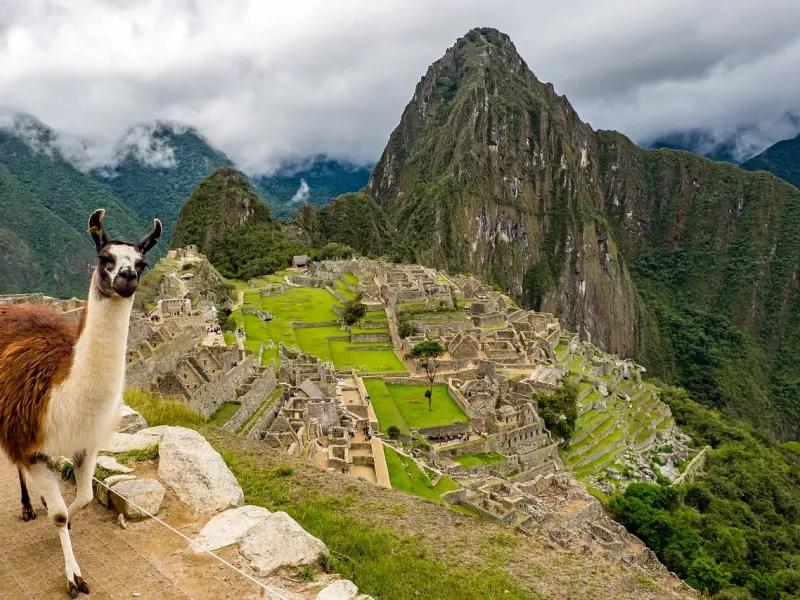
Hidden high in the Andes, Machu Picchu is one of the most iconic archaeological sites in the world, and for good reason. Whether you arrive by train or via the Inca Trail, this marvel of engineering, architecture, and spiritual alignment takes your breath away. Guided visits help you connect the site’s significance with living Indigenous worldviews that still honor Pachamama (Mother Earth) and the wisdom of the ancestors.
-
The Sacred Valley
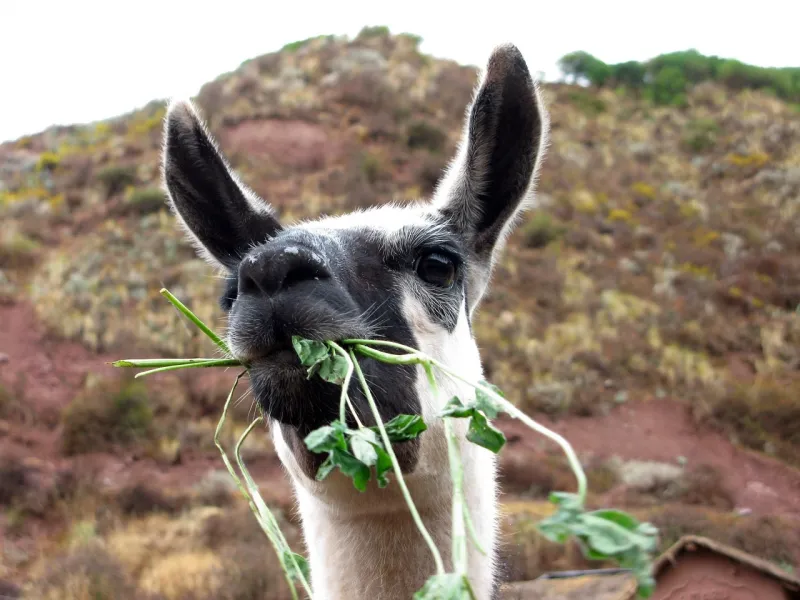
Nestled between Cusco and Machu Picchu, the Sacred Valley is more than a stopover. It’s a cultural treasure. Explore the ancient terraces of Moray, the salt mines of Maras, and vibrant Quechua villages where weaving is both art and ancestral memory. Stay in community-run lodges, visit traditional farming collectives, and witness spiritual ceremonies that maintain the cosmic balance between land, people, and sky.
-
Chincha & the Afro-Peruvian Coast
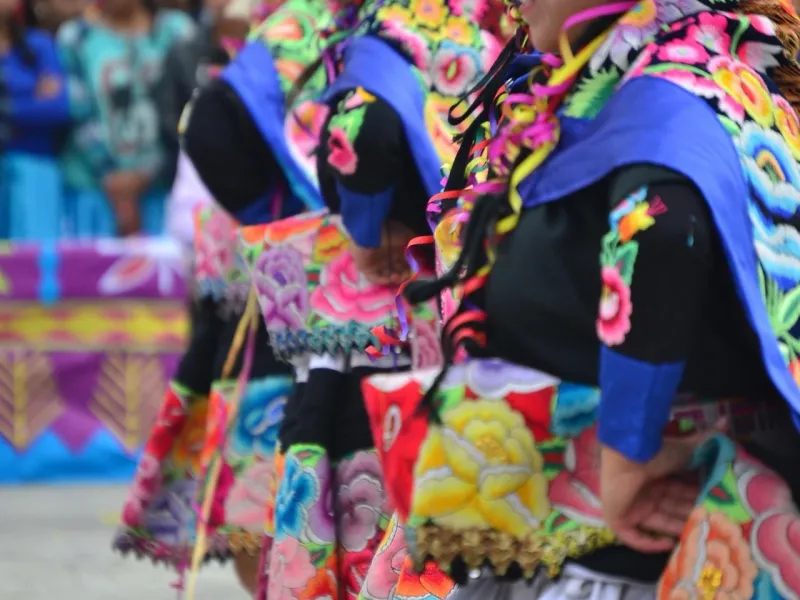
South of Lima lies Chincha, the heart of Afro-Peruvian culture. Here, you’ll find the birthplace of festejo, landó, and other musical traditions rooted in the African diaspora. Visit the town of El Carmen to take part in percussion workshops, learn traditional dances, and engage with cultural centers working to preserve Afro-Peruvian identity through education and performance. This is history that sings, moves, and survives.
The guide
Explore Peru by Interest
Planning
Food and Culture
Heritage and History
Traveler Resources
Deep Expertise
Our in-country partners include tour experts, Afro-Peruvian historians, and environmental stewards who bring local insight and global awareness. LABUSA Travel ensures your Peru experience is grounded in authenticity, cultural accuracy, and expert care.
Purpose-Driven Travel
We believe in travel that uplifts, educates, and respects. Whether you’re joining an Andean planting ritual, visiting an Afro-Peruvian youth arts initiative, or hiking with a conservationist in the cloud forest, your journey supports communities that are protecting culture and land for future generations.
Affordable Luxury & Authentic Moments
With LABUSA Travel, you experience Peru’s depth without the high price of mass tourism. Stay in boutique guesthouses, community-run eco-lodges, and historic homes that offer comfort with meaning. Our itineraries are designed to be high in value, low in pretense, and rich in soul.
Common questions
Peru Travel FAQs
- Do I need a visa to visit Peru?
- Peru sets and enforces its own entry rules, and this site does not publish an answer for United States passport holders because the source cached for this cluster is written for a different nationality and does not carry one. Ask the Peruvian consulate responsible for where you live, and ask close to your travel date. What is the same for everybody: your passport must have an expiry date at least six months after the day you arrive, you are normally granted up to ninety days within a hundred and eighty day period, and that hundred and eighty day window is counted from the date of your first entry into Peru rather than from each arrival. Overstaying carries a fine and you can be detained.
- Do I need a yellow fever vaccination for Peru?
- It depends entirely on where in Peru you are going, and for most visitors the answer is no. The US Centers for Disease Control and Prevention recommends the vaccine for travelers going to areas below 2,300 meters in the eastern regions, which is the Amazon side of the country. The same source records that the vaccine is not required in order to enter Peru, and that it is not recommended for travel limited to Lima, the city of Cusco, the Inca Trail or Machu Picchu. So the classic highland itinerary sits outside the recommendation. If Iquitos, Puerto Maldonado or a jungle lodge is in your plan, that is a travel clinic appointment rather than an airport decision, and it wants several weeks.
- Is malaria a risk in Cusco or at Machu Picchu?
- No. The CDC records no malaria transmission in Lima Province, in the highland tourist areas including the city of Cusco and Machu Picchu, around Lake Titicaca, or along the central and southern Pacific coast. Transmission does occur below 2,500 meters east of the Andes, including around Iquitos and Puerto Maldonado, and preventive medication is recommended for those areas. Dengue is a separate matter: Peru has had a major outbreak following floods, there is no vaccine most travelers will have, and insect precautions matter in places where antimalarials do not.
- How bad is the altitude in Cusco, and what helps?
- It is the health risk on a Peru trip that is most likely to affect you, and it is taken seriously by the sources this cluster cites, which name altitude sickness as a serious risk in Cusco, Puno, the Colca Canyon and Kuelap. Cusco sits at 3,400 meters. What helps is time rather than fitness: arrive and do very little for a day or two, drink water, eat lightly, go easy on alcohol, and go up gradually rather than flying in and starting a trek. Sleeping lower and visiting higher is better than the reverse, which is a good argument for spending the first nights in the Sacred Valley at around 2,800 meters. Acclimatize before a trek, never during one. This site publishes no medication and no dose, because that decision belongs to your own clinician, and you should have that conversation before you book rather than after. Machu Picchu itself is about a thousand meters lower than Cusco, and many people feel noticeably better there.
- Is it safe to travel in Peru?
- There is a standing advisory against all but essential travel to two areas, and the word doing the work is two: a strip within twenty kilometers south of the Putumayo River and the Colombian border, and the Valley of the Apurimac, Ene and Mantaro rivers. Neither is on an ordinary route. What reaches ordinary visitors is theft in Lima, Cusco and Arequipa, including in the Lima tourist districts, and a specific risk of robbery by criminals posing as taxi drivers at the airport and the bus terminals. Never get into a car you have not arranged. Protests are the other thing to plan for, and they are usually a transport problem rather than a danger: they close roads and they occasionally suspend the trains to and from Machu Picchu, which is why a buffer day before an international flight is worth having.
- Can I bring coca tea home from Peru?
- No. Drinking mate de coca in Cusco is completely ordinary and is offered as a matter of course in highland hotels, and it raises no issue while you are in the country. Carrying the leaves or the tea bags out of Peru is a different thing: it is not permitted, and coca is a controlled substance at the United States border. Leave it behind.
- What is the best time of year to visit Peru?
- It depends which of the three Perus you are going to, and they do not share a calendar. May through September is the reliable window for the highlands, which is where most first trips go, and it is also the coldest time in Cusco at night and the busiest. The rainy season from November to May brings rain and snow to the Andes and is when landslides close mountain roads and rail routes, including approaches to Machu Picchu. The desert coast inverts all of that: Lima has its sun from December through April and spends much of the rest of the year under a low gray cloud. The Amazon is hot and humid all year and divides into high water and low water rather than into a good season and a bad one.