The short version
May through September is the reliable window for the highlands, which is where most first trips go. It is also the coldest time in Cusco at night and the busiest. The rainy season runs from November to May, bringing heavy rain and snow to northern Peru and the Andes including Cusco, and that is the season that disrupts travel.
Three countries in one
Peru is usefully thought of as three strips running north to south, and they do not share a season.
The highlands
Cusco, the Sacred Valley, Puno and Lake Titicaca, Arequipa and the Colca Canyon. The dry season is roughly May through September: clear days, cold nights, and the best chance of seeing what you came for. The wet season brings rain most afternoons, greener landscapes, far fewer people and a real risk of disruption.
The disruption is specific rather than general. Rockslides, mudslides and snow close walking routes and road and rail links across the Cusco region, on the routes to Machu Picchu including the alternative Santa Maria and Santa Teresa approach, on the Salkantay route, and on the road to Manu. If your trip depends on one road, the wet season is when that becomes a problem.
The coast
The desert coast inverts the highland calendar. December through April is summer, and it is when Lima has sun. For the rest of the year the city sits under the garua, a low gray marine cloud that does not really rain and does not really clear. Lima in August is a surprise to anybody expecting South America to be hot.
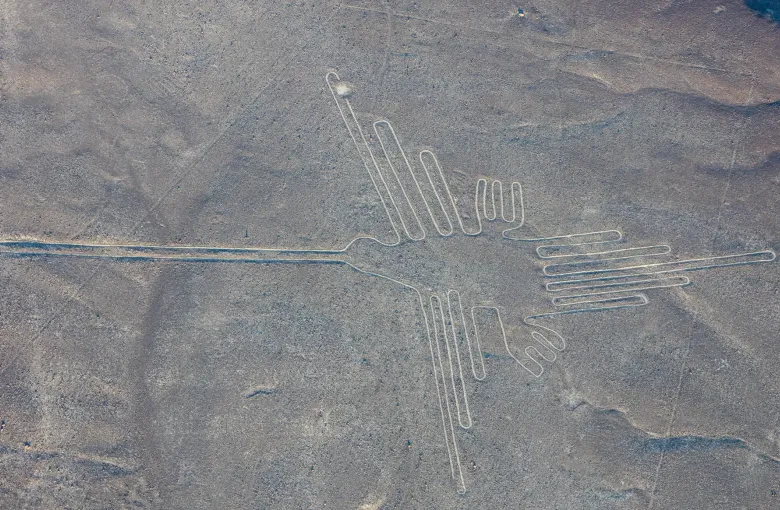
This matters for the Nazca lines, the Paracas coast and the beaches of the north, all of which are better in the southern summer, and it means a trip combining Lima and Cusco is always a compromise.
The Amazon
The eastern lowlands are hot and humid all year. The real variable is water. High water, roughly December through May, floods the forest and moves travel onto boats, opening channels you cannot otherwise reach. Low water, roughly June through November, exposes beaches and trails and concentrates wildlife around what water remains. Neither is better; they are different trips.
The altitude question decides the shape of the trip
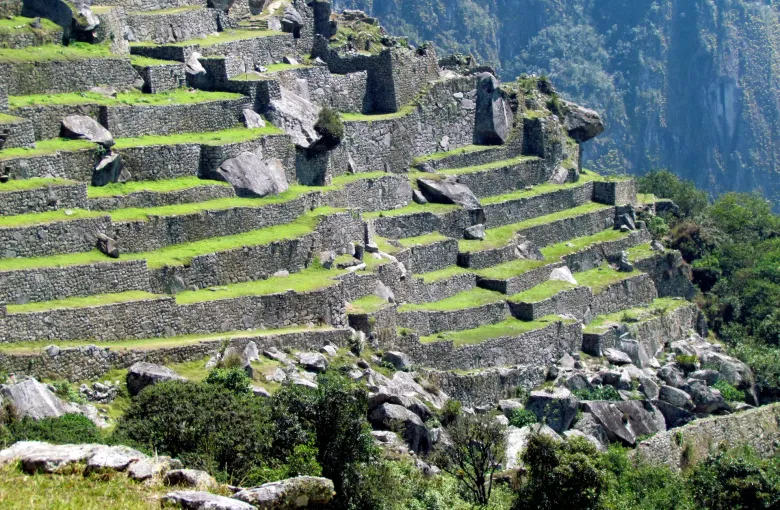
Cusco sits at 3,400 meters. The citadel at Machu Picchu is at more than 2,400 meters, which is a thousand meters lower. That relationship is the single most useful fact in planning a Peru itinerary, and almost every itinerary is built the wrong way round.
Altitude sickness is a serious risk in Cusco, Puno, the Colca Canyon and Kuelap. The defense is time, not fitness: arrive, do very little for a day or two, drink water, and go up gradually. Sleeping lower and visiting higher is better than the reverse, which is an argument for starting in the Sacred Valley at around 2,800 meters rather than in Cusco. Acclimatize before you trek, never during. Our Peru packing list covers what helps.
Months when travel is disrupted for reasons that are not weather
Protests and strikes are not seasonal in a way you can plan around, but their effect is predictable: roadblocks, and suspension of the southern trains including the services to and from Machu Picchu. The planning response is the same whatever the month. Leave a buffer day before an international flight, do not book the last train of the last day, and keep the itinerary able to absorb a lost day.
A working answer
- A first trip, highlands focused. May, June or September. September trades a little weather risk for noticeably fewer people.
- The Inca Trail or a long trek. The dry months. The trail closes annually for maintenance, and permits sell out months ahead, so this is the one decision that has to be made first and drags the rest of the calendar with it.
- Lima and the coast. December through April, for sun instead of garua.
- Amazon. Either window, chosen on whether you want water or trails.
- Fewest people, lowest prices, most risk. February. It is also when the trail is closed, so the calculation is not as attractive as the price suggests.
Verify before you travel
Trail permit rules, closure dates and railway timetables change every year. Confirm them before committing to flights.
Sources
- UK Foreign, Commonwealth & Development Office: Peru safety and security: protests and strikes and their effect on the southern railways, street crime in Lima, Cusco and Arequipa, robbery by criminals posing as taxi drivers at Jorge Chavez airport and the bus terminals, express kidnapping, counterfeit notes and the withdrawn intis passed by street changers in Cusco, methanol in spirit drinks, the requirement to carry identification, the prohibition on photographing military sites, the illegality of carrying coca leaf out of the country, driving and overnight bus standards, the rainy season from November to May, and the earthquake and volcanic risk. Accessed 16 September 2026.
- UK Foreign, Commonwealth & Development Office: Peru health: the ambulance number 106, the eight week lead time before travel, altitude sickness named as a serious risk in Cusco, Puno, the Colca Canyon and Kuelap, the dengue outbreak following floods, and the difficulty of accessing medical treatment outside Lima. Accessed 16 September 2026.
- UNESCO World Heritage Centre: the inscription of the Historic Sanctuary of Machu Picchu in 1983 as a mixed property, covering 32,592 hectares of mountain slopes, peaks and valleys around the citadel at more than 2,400 meters, its roughly two hundred structures, its fifteenth century construction and abandonment after the Spanish conquest, and its reintroduction to the outside world in 1911. Accessed 16 September 2026.
Other Articles
Peru Weather Guide
Machu Picchu: Visitor and Heritage Guide