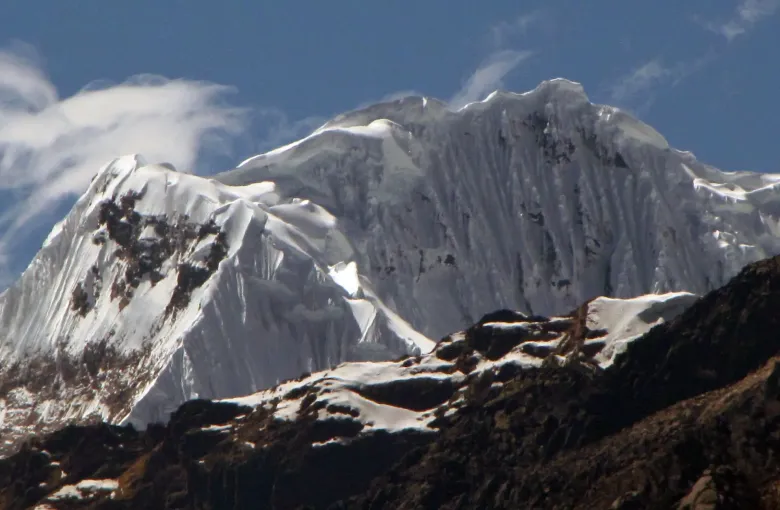
Start from the itinerary, not the country
Almost nobody visits all of Peru. Most trips are highlands, or highlands plus one other thing. Decide which of the three environments you are actually going to before packing for all of them.
Highlands
The temperature swing is the thing to plan for. Warm afternoon sun, cold as soon as it goes, and close to freezing on a clear dry season night at 3,400 meters.
- Three layers that work together: a base layer, a fleece or light down, and a windproof shell.
- A warm hat and gloves for early starts and for anything at altitude, even in the dry months.
- Comfortable broken in walking shoes. Cusco is cobbled and steep, and Inca sites are uneven stone. A new pair bought for the trip is a reliable way to ruin the first three days.
- High factor sunscreen, a brimmed hat and sunglasses. The sun at altitude is much stronger than the temperature suggests, and burning on a cool day is routine.
- A refillable water bottle. Staying hydrated is one of the few things that genuinely helps at altitude.
The altitude items
Altitude sickness is named as a serious risk in Cusco, Puno, the Colca Canyon and Kuelap, and it is the health issue most likely to affect a highland trip.
What helps is time. Arrive and do very little for a day or two. Go up gradually rather than flying straight to a high place and starting a trek. Sleep lower and visit higher where the itinerary allows it. Drink water. Eat lightly at first. Go easy on alcohol for the first days. Acclimatize before a trek, not during one.
This page publishes no medication and no dose. Whether to take anything, and what, is a conversation with your own clinician, who knows your history. Have that conversation before you travel rather than in a pharmacy in Cusco. If symptoms are severe or get worse, descending is the treatment that always works.
Coast and city
- Something warmer than you expect for Lima outside the southern summer. The garua makes the city cool and damp for much of the year.
- Comfortable clothes you can layer, rather than heavy ones.
- Smarter clothing for one evening if Lima's restaurants are part of the plan.
Amazon
- Light long sleeves and long trousers, in quick drying fabric. They are cooler than they sound and they are also insect protection.
- Insect repellent, and a long sleeved layer for dusk.
- A dry bag for a camera, a phone and documents. Humidity is constant and rain is possible on any day.
- Footwear that can get wet and dry overnight. Many lodges supply rubber boots; ask before packing a second pair of shoes.
Health items
Consult a travel clinic ideally eight weeks before departure. What is recommended depends heavily on where you are going, and the geography is specific: the yellow fever vaccine is recommended for lowland areas in the eastern regions and is not recommended for travel limited to Lima, the city of Cusco, the Inca Trail or Machu Picchu, nor for anywhere above 2,300 meters. Malaria precautions are relevant to the eastern lowlands below 2,500 meters, and there is no transmission in Lima Province, in the highland tourist areas or around Lake Titicaca.
Those two altitude figures are the most useful numbers on this page. Cusco is at 3,400 meters and the citadel at Machu Picchu is above 2,400 meters, so the classic highland itinerary sits above both thresholds and the risk that matters there is the altitude itself rather than anything carried by a mosquito.
Practical items regardless of itinerary:
- Anything you take regularly, in its original labeled packaging, in your carry on, with a copy of the prescription. Some medicines sold over the counter at home need a local prescription in Peru.
- Rehydration salts. Diarrheal illness from food or water is common and potentially serious.
- A small first aid kit including blister treatment, which trekkers need more than they expect.
- Hand sanitizer, and a way to treat water if you are going somewhere remote.
Documents and money
- Passport valid six months beyond arrival.
- Identification carried at all times. Peruvian police can ask for it.
- Photographs or copies of the passport and of your entry stamp, stored separately.
- Travel insurance covering the activities you are doing, including trekking at altitude, with the policy number somewhere you can reach without a signal.
- Cash in small notes, and more than one card.
Things worth leaving behind
- Jewelry and anything expensive on display.
- A brand new daypack with an obvious camera logo.
- Drone equipment, unless you have checked where it may be flown. Photographing military sites is illegal and carries a prison sentence.
- Any intention of bringing coca leaf or coca tea home. Drinking it in Cusco is ordinary; carrying it out of the country is not permitted and it is controlled at the United States border.
Verify before you travel
Vaccine recommendations, medication rules and baggage allowances change. Confirm them with a travel clinic and your airline close to departure.
Sources
- UK Foreign, Commonwealth & Development Office: Peru health: the ambulance number 106, the eight week lead time before travel, altitude sickness named as a serious risk in Cusco, Puno, the Colca Canyon and Kuelap, the dengue outbreak following floods, and the difficulty of accessing medical treatment outside Lima. Accessed 16 September 2026.
- UK Foreign, Commonwealth & Development Office: Peru safety and security: protests and strikes and their effect on the southern railways, street crime in Lima, Cusco and Arequipa, robbery by criminals posing as taxi drivers at Jorge Chavez airport and the bus terminals, express kidnapping, counterfeit notes and the withdrawn intis passed by street changers in Cusco, methanol in spirit drinks, the requirement to carry identification, the prohibition on photographing military sites, the illegality of carrying coca leaf out of the country, driving and overnight bus standards, the rainy season from November to May, and the earthquake and volcanic risk. Accessed 16 September 2026.
- US Centers for Disease Control and Prevention: Travelers' Health, Peru: the yellow fever recommendation for areas below 2,300 meters in the eastern regions, the record that the vaccine is not an entry requirement and is not recommended for travel limited to Lima, the city of Cusco, the Inca Trail or Machu Picchu, and the malaria transmission map including the absence of transmission in Lima Province, the highland tourist areas and around Lake Titicaca. Accessed 16 September 2026.
Other Articles
Peru Weather Guide
Getting Around Peru