
Why visit
Why visit Curaçao?
Curaçao offers stunning beaches and world-class diving, but its deeper value lies in heritage and storytelling. Explore UNESCO-listed Willemstad, where Dutch colonial facades stand alongside Afro-Caribbean markets and street murals. Visit plantation houses transformed into cultural centers, or join festivals like Carnival and the Tumba Festival, where African drumming and dance fuel community pride. Curaçao is not just a leisure destination. It is a cultural crossroads where Diaspora memory meets Caribbean joy.
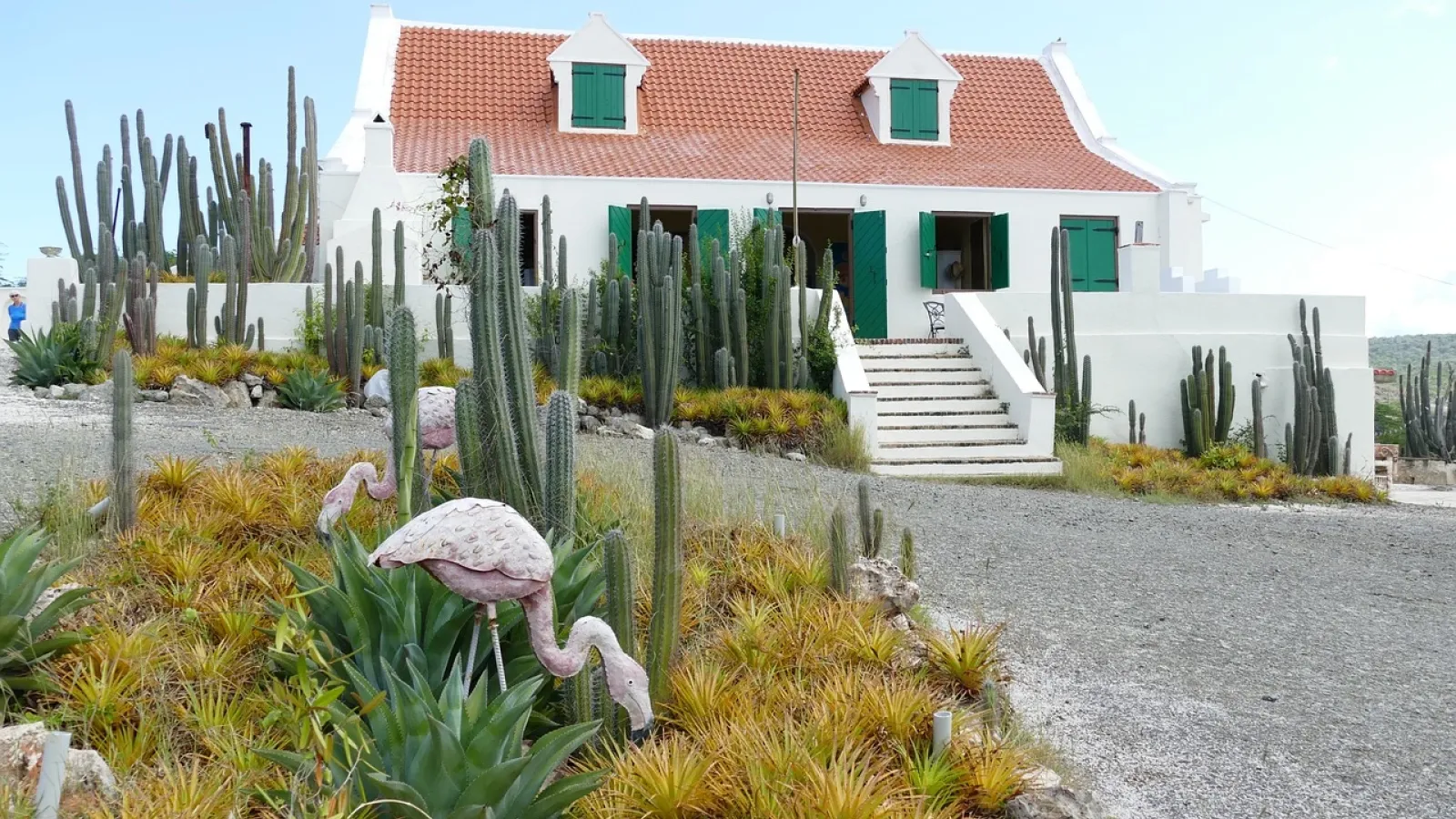
Top places to visit
Popular Attractions
in Curaçao
-
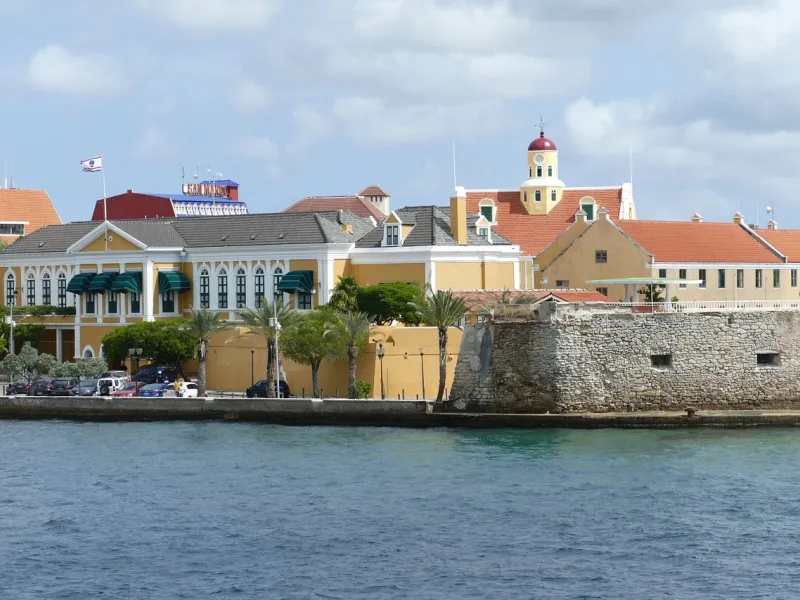
Willemstad: A Living City of Color
Stroll through Punda and Otrobanda, admire Handelskade’s iconic pastel buildings, and cross the Queen Emma floating bridge. Every corner tells a layered story of colonial influence and cultural resistance.
-
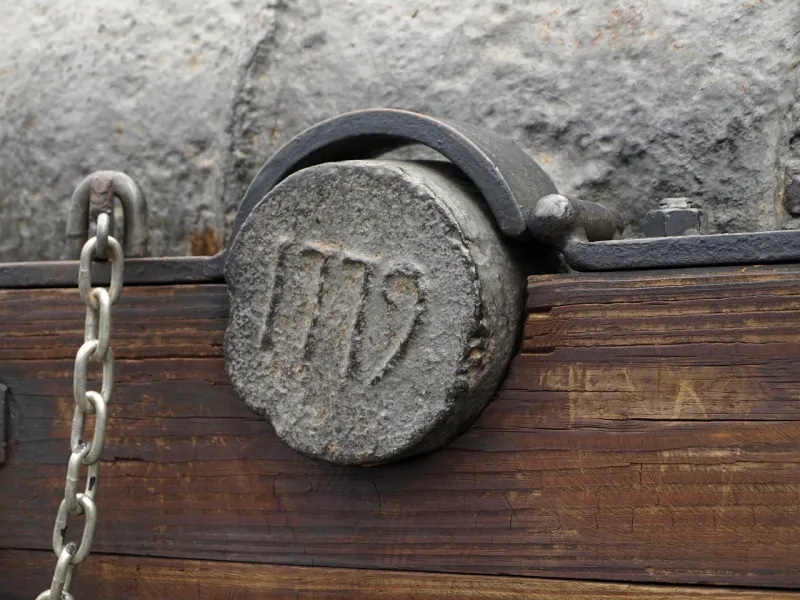
Kura Hulanda Museum: Remembering the Middle Passage
This powerful museum documents the history of the transatlantic slave trade and Curaçao’s role within it. For Diaspora travelers, it is both a place of mourning and of reclaiming history.
-
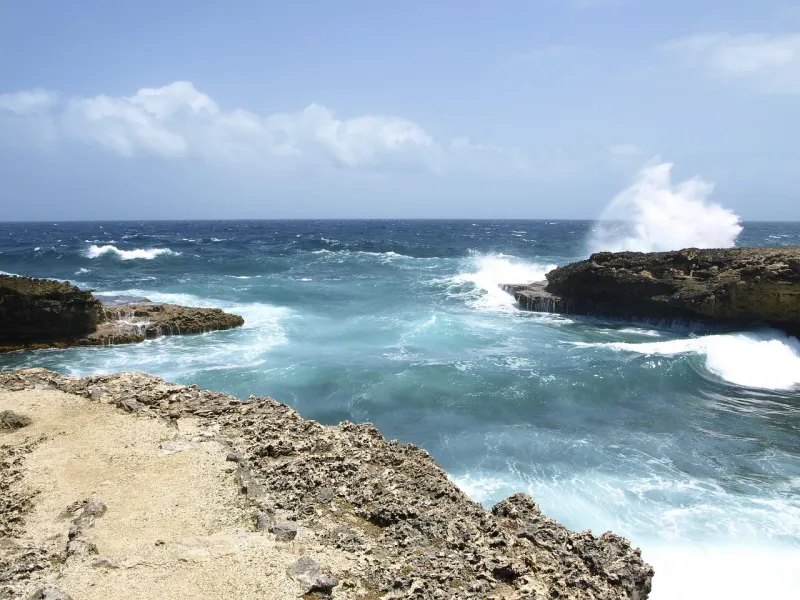
Shete Boka National Park: Nature’s Raw Beauty
On Curaçao’s rugged northern coast, crashing waves carve out dramatic inlets. Local guides share the spiritual and ecological importance of this land, blending natural wonder with heritage connection.
The guide
Explore Curaçao by Interest
Planning
Food and Culture
Heritage and History
Traveler Resources
Deep Expertise
We collaborate with Curaçaoan historians, artists, and cultural leaders to guide you through the island’s stories. From Afro-Caribbean music workshops to heritage walking tours, LABUSA ensures your journey goes beyond the surface.
Purpose-Driven Travel
Our itineraries support local communities, artisans, and preservation efforts. Whether dining at Black-owned restaurants, attending cultural festivals, or exploring heritage sites, your trip uplifts Curaçao’s living legacy.
Affordable Luxury & Authentic Moments
Stay in restored colonial guesthouses, boutique seaside villas, or eco-lodges that reflect both comfort and cultural character. LABUSA curates stays that balance relaxation with heritage immersion
Common questions
Curaçao Travel FAQs
- How long can I stay in Curaçao without a visa?
- Up to 90 days in a calendar year, and the last four words are the ones that catch people out. The UK Foreign, Commonwealth and Development Office states the allowance as up to 90 days in a calendar year, which is a cumulative annual total rather than a fresh 90 days each time you land. A traveler who spends six weeks here in February and returns in October is working against what is left of the same allowance, not starting again. That is a different rule from the island immediately to the south, where the same allowance is counted per entry rather than across the year, so a number carried from a previous trip in this region can be right in form and wrong in substance. An extension is possible and it is conditional: it is requested at immigration rather than online or by post, and you need proof of travel insurance that covers the extended stay.
- Do I need to complete a form before I travel to Curaçao?
- Yes, and it has a deadline rather than a ceiling. The official advice requires a Digital Immigration Card to be completed 48 hours before arrival. Two things about it are easy to miss. The first is that 48 hours is a floor you have to be early for, not a window you can fill at the airport, which is the opposite shape from the arrival forms used by some islands in this region. The second is that the same advice states it is also required of anyone traveling through Curaçao, so a passenger who never intends to leave the airport still has to complete it. The Curaçao Tourist Board carries the Digital Immigration Card as a top level item in its own navigation, which is a useful corroboration from the destination side that this is a current requirement and not a legacy one.
- What is the emergency number in Curaçao?
- For an ambulance, dial 912. The official health advice puts it plainly: call 912 and ask for an ambulance. Write it down rather than assume it, because the islands in this region do not agree with one another on emergency numbers. A number memorized on a previous Caribbean trip is more likely to be wrong here than right, and this is the one situation where being approximately correct is worth nothing. Check what your travel insurance requires you to do as well, since some policies ask you to contact their assistance line before you commit to private treatment.
- Do I need a yellow fever certificate for Curaçao?
- Possibly, and the reason is not the one most people assume. TravelHealthPro states that there is no risk of yellow fever on these islands, and that there are certificate requirements anyway. Those are two separate statements and conflating them misleads in both directions: the certificate is an entry rule about where you have been, not a warning about where you are going. The requirement applies to travellers aged 9 months or over arriving from a country with risk of transmission, and also to travellers having transited more than 12 hours through an airport of a country with risk of transmission. That transit clause is the part a reader is least likely to know, and it can be triggered by a long connection in a third country on the way. Take your actual routing, including connections, to a travel health professional rather than only your destination.
- Is Curaçao affected by hurricanes?
- Rarely, and the source is careful in a way that is worth repeating exactly. The official advice states that most hurricanes pass well to the north of Curaçao, that the island has no record of a recent major hurricane, and that there are occasional tropical storms. All three clauses belong together. The first two are the reassurance, and the third is the reason not to treat the season as irrelevant: a tropical storm can still close an airport, cancel a ferry or flood a road. This page makes no claim that the island lies beyond the reach of hurricanes, because the source makes none and it is not this cluster's claim to invent. The Caribbean hurricane season normally runs from June to November, and the sensible precaution here is travel insurance that covers disruption rather than a decision to stay away in those months.
- Does Curaçao have a World Heritage Site?
- Yes, one, and it is the city itself. UNESCO records the Historic Area of Willemstad, Inner City and Harbour, Curaçao as inscribed in 1997. It is filed under the Netherlands rather than under a Curaçao state party, because Curaçao is a country within the Kingdom of the Netherlands and the Kingdom is the party to the convention, so looking for it under its own name returns nothing and that absence is a filing detail rather than a fact about the island. The same register carries Plantations in West Curaçao on the tentative list, submitted in 2011, which is a candidate and not a designation. One entry on that tentative list belongs to a different island of the same kingdom and is not this island's, so a page that reads the list carelessly can credit Curaçao with something that is not here.
- Is there a mosquito-borne disease risk in Curaçao?
- There is a dengue risk, and on one other question the source this page uses is silent. TravelHealthPro publishes its advice for the Dutch Caribbean as a group and its own headings distinguish the islands, which matters more than it sounds. Dengue is covered for the islands as a group, so bite avoidance through the day is the sensible precaution: repellent, covered skin at dawn and dusk, and a room that is screened or air conditioned. The same page carries a Zika heading that names Aruba, Bonaire and Sint Maarten. This island is not among the three it names. This page therefore neither claims a Zika risk here nor tells you there is none, because the source does neither and silence is not a finding. If you are pregnant or planning to be, take that question to a travel health professional who can consult the current national guidance directly.
- What currency does Curaçao use and what is the exchange rate?
- This page publishes no rate, and it will not tell you what the currency is called either. That is a deliberate limit and it is worth explaining rather than hiding. This cluster only prints figures it can attribute to a source it has actually read, and for money on this island there is no such source available to it: the central bank returns a security interstitial to every automated request, including from a full browser, and the government portal answers a proof of work challenge followed by a human verification page. Neither can be quoted. A rate invented to look complete would be wrong within a year and wrong in a way no reader could detect. Your bank, your card statement or an airport exchange desk will answer this in less time than it took to read this paragraph, and their answer will be current. What the official advice does state about money is more useful anyway: that an extension of stay requires proof of travel insurance, and that medical care may need to be paid for.