
Why visit
Why visit Turkey?
Turkey holds twenty two World Heritage properties, a coastline on four seas, the only city built across two continents, and a food culture whose best meal is breakfast. It is also one of the easiest countries on this site to enter: a great many nationalities need no visa at all, and the domestic flight network puts Istanbul and Cappadocia an hour apart.
The territorial advice is a single line, and stating it precisely matters more than softening it. The United Kingdom advises against all travel to within ten kilometres of the border with Syria. That is the whole of the territorial restriction. Separately, in Hakkari province you must get permission from the local Governor's Office to visit areas near the borders with Iraq and Iran, which is a permission requirement rather than advice against travel. Istanbul, Cappadocia, the Aegean and the Mediterranean coast carry none of it.
Three of the twenty two carry this guide, and choosing three is an editorial decision rather than a ranking. The Historic Areas of Istanbul and Goreme National Park and the Rock Sites of Cappadocia were both inscribed in 1985; Ephesus followed in 2015. Two further notable properties were passed over for their position relative to the Syrian border rather than on merit, and we would rather say that than let the selection look like a verdict.
Two practical things decide most itineraries. The first is the 90 days in any 180 day period rule, which will never trouble a single holiday and is the binding constraint on repeat trips, because border officers do the sum properly. The second is earthquakes: many parts of the country regularly experience them, modern hotels are built to a seismic code, and knowing where the stairs are costs nothing. Both are set out on the visa and entry requirements page and the travel safety guide.
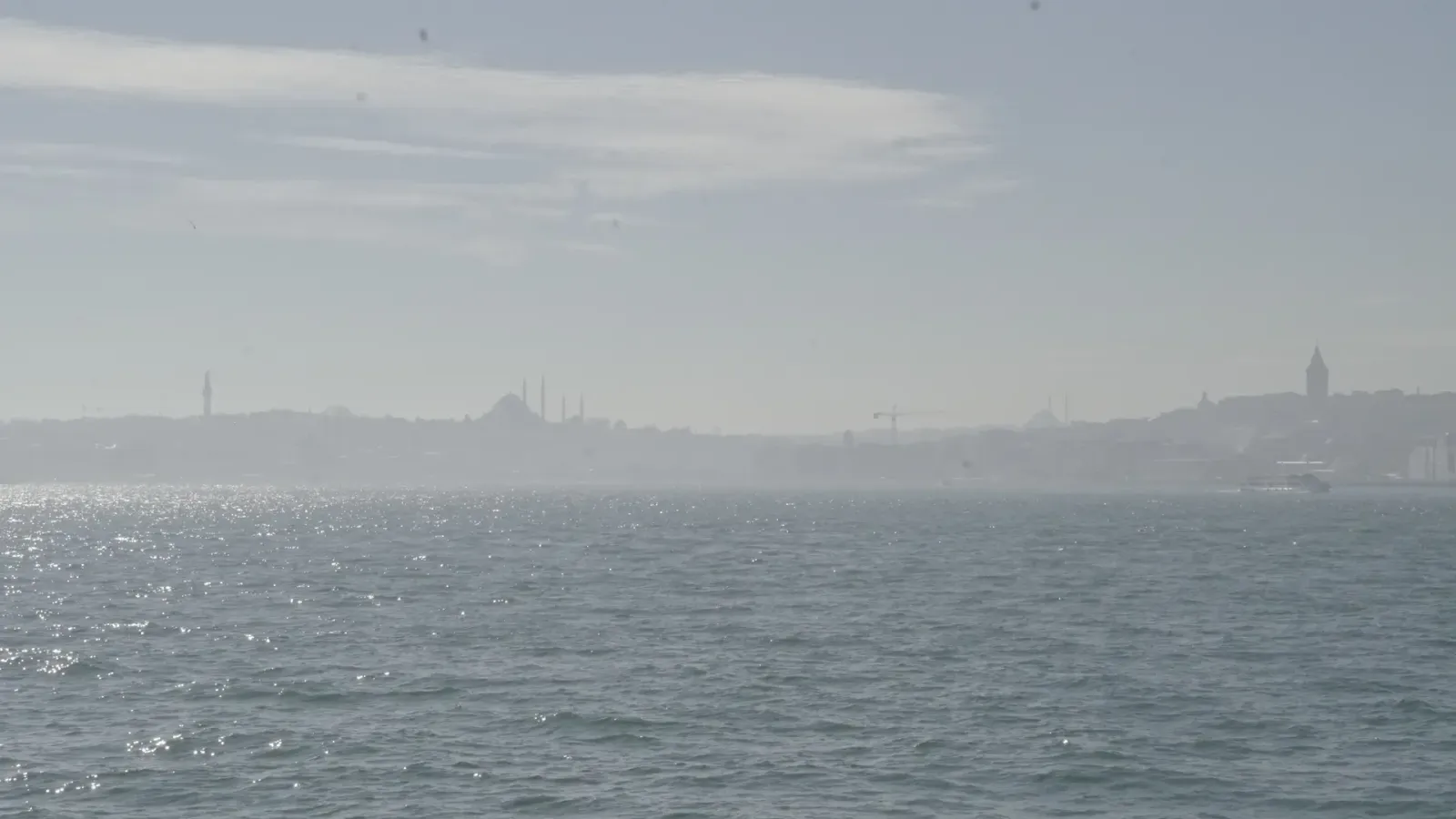
Top places to visit
Popular Attractions
in Turkey
-
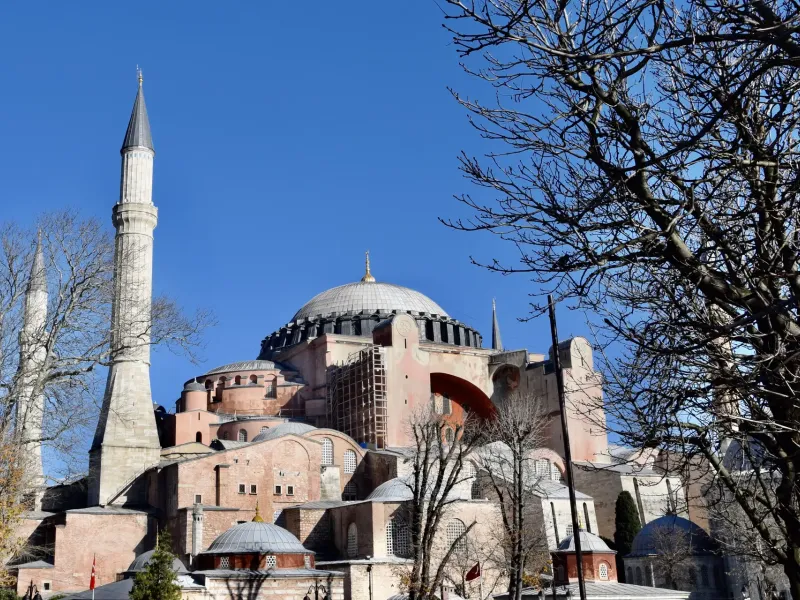
Istanbul
The only city on two continents, and the Historic Areas were inscribed in 1985. Hagia Sophia, the Sultan Ahmed Mosque, the Basilica Cistern and a bazaar that has been trading on the same ground for five centuries. See the Historic Istanbul guide.
-
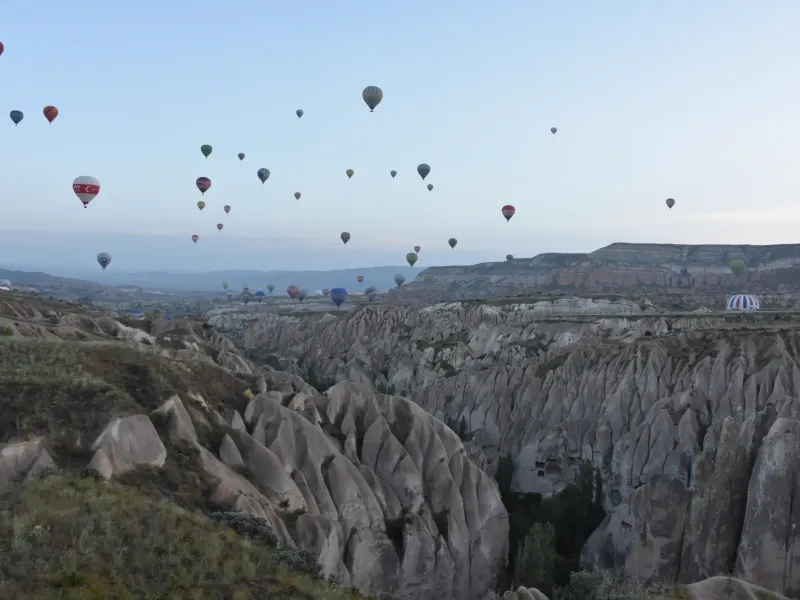
Goreme and Cappadocia
Volcanic tuff eroded into towers and cut into churches, chapels and whole underground cities, inscribed in 1985. The balloons at dawn are the photograph; the painted rock churches are the reason. See the Goreme and Cappadocia guide.
-
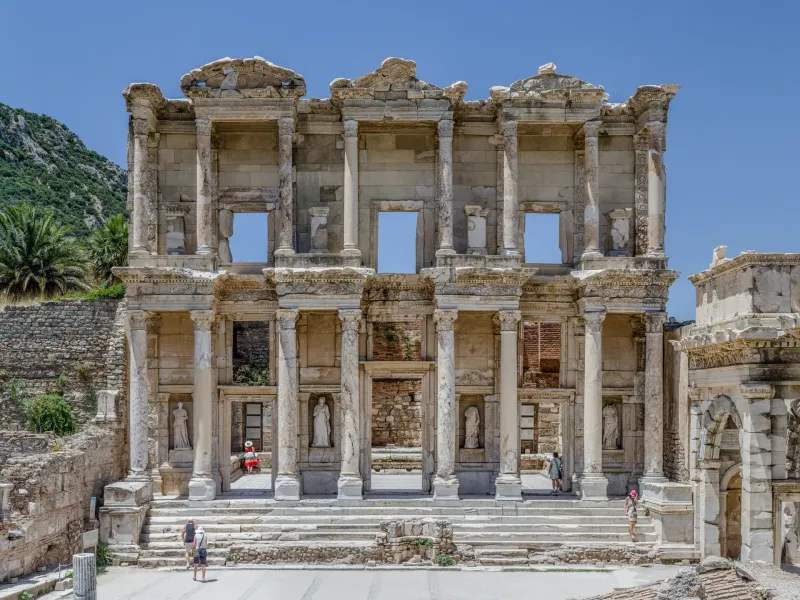
Ephesus
One of the best preserved classical cities anywhere and inscribed in 2015. The Library of Celsus, a marble street worn smooth, and a theatre that seated twenty five thousand. See the Ephesus guide.
-
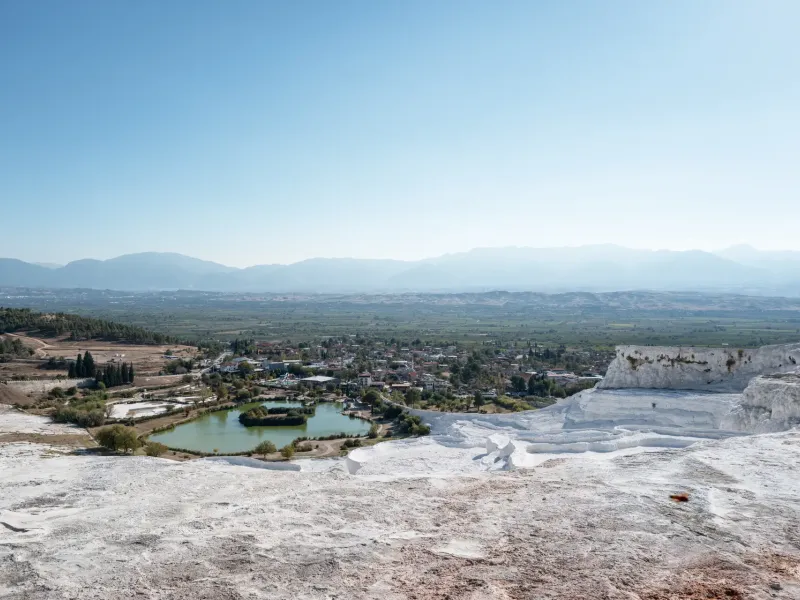
Pamukkale
White travertine terraces stepped down a hillside by mineral springs, with the Roman city of Hierapolis on the ridge above them. You walk the terraces barefoot, which is a rule rather than a suggestion. See best time to visit, because the light and the crowds both turn on the hour you arrive.
-
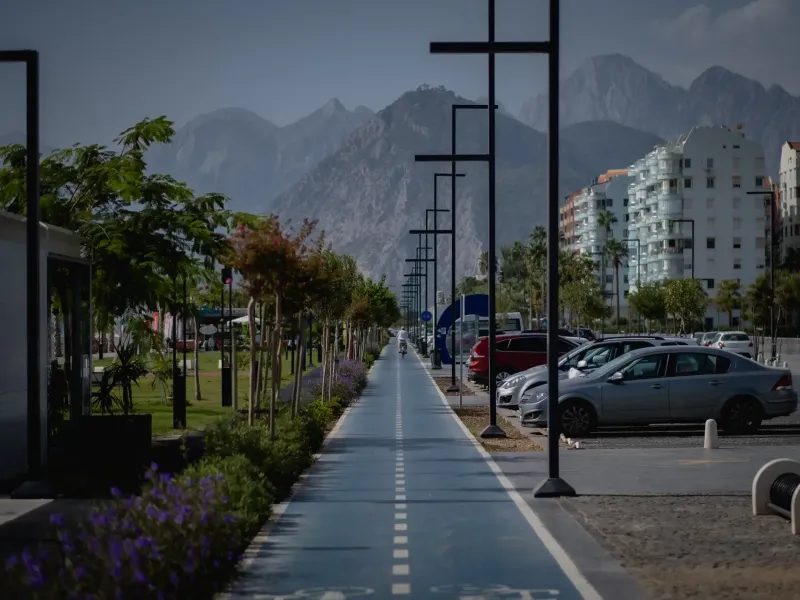
The Mediterranean coast
Pine forest running down to clear water, classical ruins standing in it, and a coast path that strings together bays you can only reach on foot or by boat. See the weather guide.
-
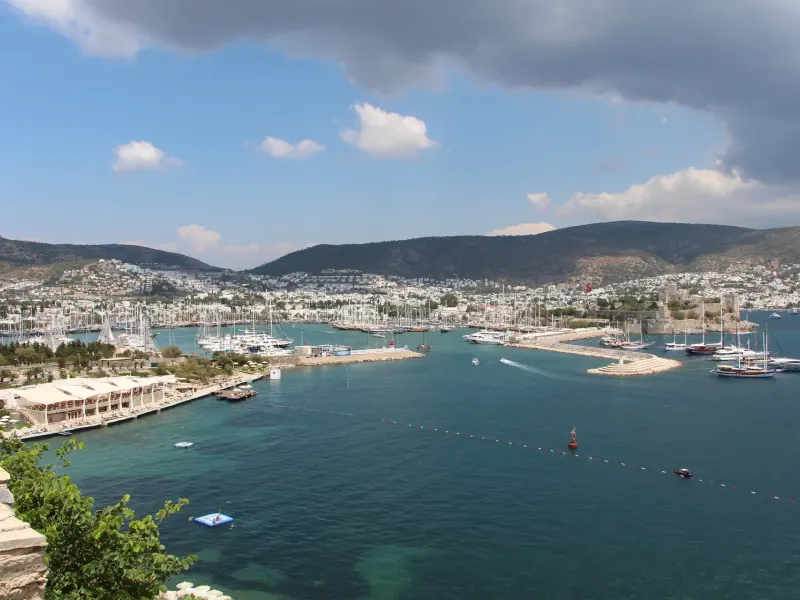
Bodrum and the Aegean
A castle built by crusader knights, a marina full of wooden gulets and the quieter peninsulas either side of it. The easiest place in the country to do very little on purpose. See Turkey for senior travelers.
The guide
Explore Turkey by Interest
Planning
Food and Culture
Heritage and History
Traveler Resources
Before you go
Planning
a trip to Turkey
-
Best Time to Visit Turkey
April to June or September to October, and we will tell you plainly that this is an editorial recommendation rather than a sourced figure. July and August are hot everywhere and very hot at the inland ruins, where there is almost no shade. See the best time to visit guide and the weather guide.
-
Entry, Money and Getting Around
For a great many nationalities no visa at all, and 90 days in any 180 day period counted backwards from whichever day you are standing on. Your passport must be valid six months from arrival. See visa and entry requirements, currency and money and getting around.
-
Before You Book
Two things, and both are small. The United Kingdom advises against all travel within ten kilometres of the Syrian border, and that is the entire territorial restriction. Many parts of the country regularly experience earthquakes, which is a reason to know where the stairs are rather than a reason not to go. Both are on the travel safety guide.
Signature experiences
Signature
Turkey experiences
-
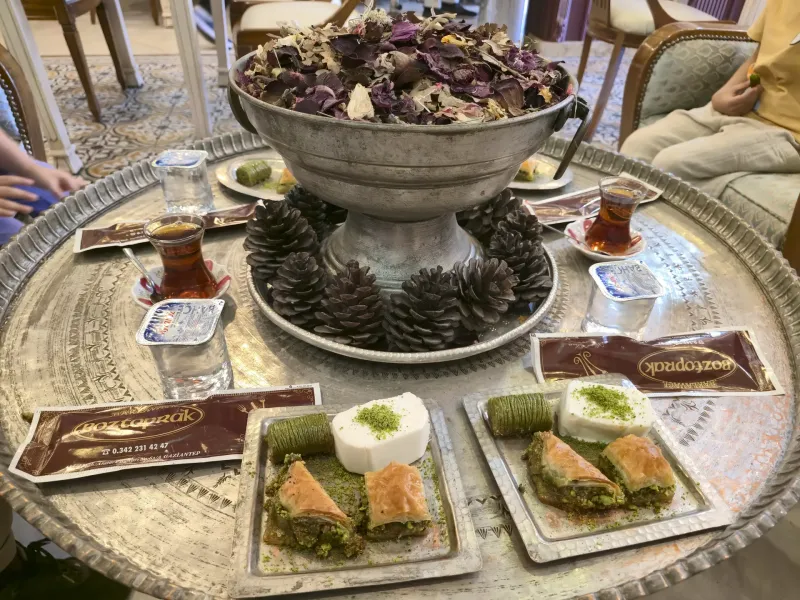
Breakfast, meze and baklava where it is made
Turkish kahvalti is a spread of white cheeses, olives, tomato, honey with clotted cream, eggs and endless tea, and it occupies a table and a morning. After that, meze to share and regional cooking that changes sharply between the coast and central Anatolia. Start with the food guide.
-
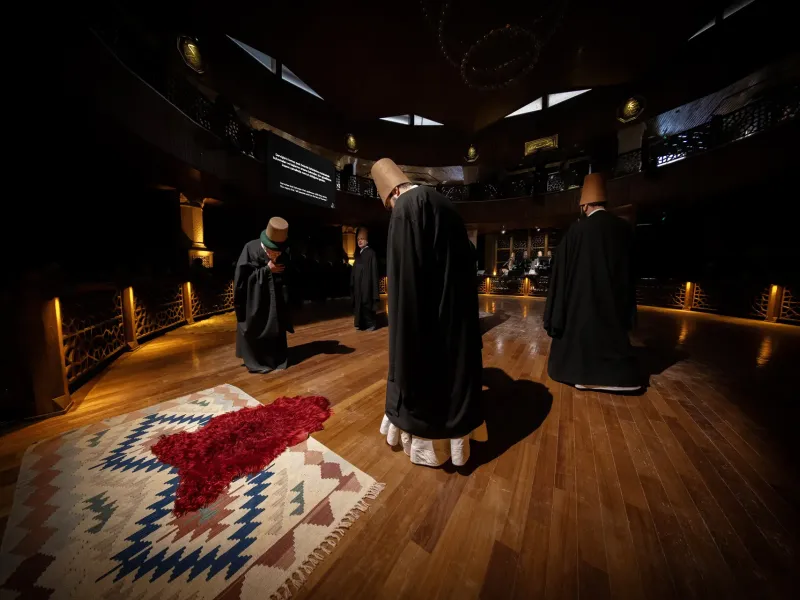
The sema, and a calendar worth planning around
The sema, the turning ceremony of the Mevlevi order, is performed in Konya and is a ritual rather than a show. Around it sits a festival calendar that rewards planning, and a lunar one that moves against your own each year. See festivals and celebrations.
-
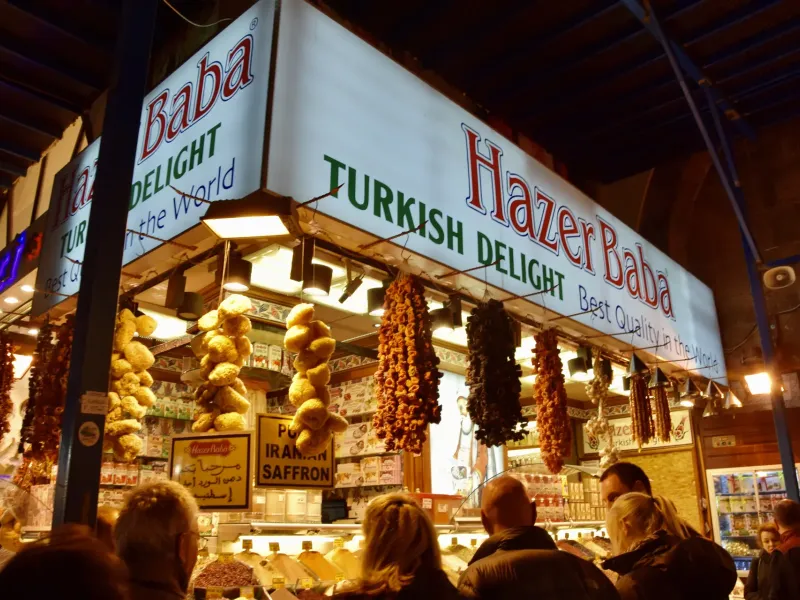
The bazaar, the tea and how to be a guest
Tea arrives before any conversation about price and accepting it obliges you to nothing. At working mosques cover shoulders and knees, cover your hair if you are a woman, and take your shoes off at the door; many lend a covering if you arrive without one. See culture and etiquette.
Why choose LABUSA Travel for Turkey
One border band, named rather than hinted at
Turkey's entire territorial advisory is a ten kilometre strip along the Syrian border, and the Hakkari permission requirement is a separate and smaller thing again. An operator who leaves that vague is overstating the risk to sound careful. We name both, and we say that nothing else in the country carries a restriction.
The ninety day sum is ours to do
Ninety days in any rolling one hundred and eighty, counted backwards from the day you are standing on, is the constraint that decides an itinerary that combines Turkey with anything else in the region. We count it before we quote it, and your passport validity with it.
We plan for the ground moving
We book hotels built to the current seismic code, we tell you what to do if the ground moves before you need to know, and we treat that as ordinary preparation rather than as a warning. It is the same reason we build days that finish before the drive gets long.
Common questions
Turkey Travel FAQs
- Do I need a visa for Turkey?
- For a great many nationalities, including British citizens, no. You may enter without a visa for up to 90 days in any 180 day period, for business or tourism. Visa free entry is not universal and the terms differ by passport, so confirm your own position rather than assuming the rule transfers. Your passport must be valid for six months from the date you arrive.
- How does the 90 day rule actually work?
- The ninety days are not ninety days per visit and not ninety days per calendar year. They are ninety days within any rolling one hundred and eighty day period, counted backwards from whichever day you are standing on. For a single holiday that will never trouble you. For repeat trips, or for combining Turkey with a longer run around the region, it is the constraint that decides the itinerary, and border officers do the sum properly.
- Is Turkey safe to visit?
- The territorial restriction is a single line. The UK Foreign, Commonwealth and Development Office advises against all travel within ten kilometres of the Turkey Syria border, and that is the whole of it. Istanbul, Cappadocia, the Aegean and the Mediterranean coast carry none of it. Separately, in Hakkari province you must get permission from the local Governor Office to visit areas near the borders with Iraq and Iran, which is a permission requirement rather than advice against travel.
- Should I worry about earthquakes?
- Prepare for them rather than worry about them. Many parts of Turkey regularly experience earthquakes and tremors, and the FCDO records that the April 2025 earthquake in the Sea of Marmara was felt strongly in Istanbul. Know where the stairs are in your hotel, keep shoes and a phone by the bed, and if the ground moves, drop, cover and hold on. Modern Turkish hotels are built to a seismic code. None of this should change whether you go.
- When is the best time to visit Turkey?
- April to June or September to October. Warm without being punishing, the coast open and the archaeological sites walkable in daylight. July and August are hot everywhere and very hot at the inland ruins, where there is almost no shade. Winter is genuinely good for Istanbul alone, with empty museums and mild days, and hard work in Cappadocia.
- How many World Heritage Sites does Turkey have?
- Twenty two. This guide covers three in detail: the Historic Areas of Istanbul and Goreme National Park and the Rock Sites of Cappadocia, both inscribed in 1985, and Ephesus, inscribed in 2015. Choosing three out of twenty two is an editorial decision rather than a ranking, and two notable properties were passed over for their position relative to the Syrian border rather than on merit.
- What should I wear in Turkey?
- Much as you would in southern Europe, with one exception. Hagia Sophia, the Sultan Ahmed Mosque and the Suleymaniye are working places of worship: shoulders and knees covered, hair covered for women, shoes off at the door. Many mosques lend a covering at the entrance if you arrive without one. Outside religious sites Turkey is relaxed about dress and the coast is as casual as any Mediterranean country.
- What is the food actually like?
- Much broader than its export version, and the best meal is usually breakfast. Turkish kahvalti is a spread of white cheeses, olives, tomato and cucumber, honey with clotted cream, jams, eggs and endless tea, and it occupies a table and a morning. Beyond it, meze to share, regional cooking that differs sharply between the Aegean, Istanbul and central Anatolia, and baklava eaten where it is made rather than where it is displayed.
- Can I drink alcohol in Turkey?
- Yes. Turkey is a secular republic and alcohol is available. Raki, the aniseed spirit, is the traditional accompaniment to meze and fish, taken with water and ice, and Turkish wine is better than most visitors expect, particularly from the Aegean and Cappadocia.
- How should I get around Turkey?
- Fly between the regions, because the domestic network is dense and Istanbul to Cappadocia is an hour in the air against a full day on the road. Inside Istanbul use the ferries wherever the route allows: they are public transport rather than a tourist activity, they are cheap, and a single rechargeable transit card covers tram, metro, funicular, bus and ferry. In Cappadocia take a driver, because the valleys reward being dropped at one end and collected at the other.