The short version
The currency is the Turkish lira. Unlike the pegged currencies of the Gulf it floats, and it has moved substantially in recent years. Cards work in most places a visitor goes. Carry some cash anyway.
What a floating currency means for you
Two practical consequences. First, a rate you looked up months before you travel is not the rate you will get, so budget in your own currency and convert late rather than early. Second, prices inside Turkey adjust to that movement, which is why a figure written in a guidebook two years ago tells you very little today.
That is also why this page quotes no prices. Any number published here would be stale before most people read it, and a stale number reads exactly as authoritative as a current one.
Paying
Cards are accepted widely in hotels, restaurants, museums, supermarkets and the intercity transport network, and contactless is normal in the cities. Keep cash for small purchases: a tea, a taxi in a smaller town, a market stall, a tip, a mosque donation box.
Tell your bank you are travelling. If you are offered the choice at a card terminal between paying in lira or in your own currency, choose lira. The other option is dynamic currency conversion and it is always worse for you.
Changing money
Exchange offices in the cities generally give better rates than airports or hotels. Count what you are handed before you walk away. ATMs are everywhere and are the simplest route for most people.
Tipping
Customary and modest. Round up a taxi fare, leave something in a restaurant where service is not already included, and tip a guide or driver you were pleased with. Nobody will be offended by cash.
Haggling
In the Grand Bazaar and in the tourist carpet and ceramic shops, the first price is an opening position and everybody in the transaction knows it. Elsewhere, in supermarkets, restaurants and chain shops, prices are fixed and haggling is simply odd. The distinction is not subtle once you are standing in the right place.
Be aware that the friendliest approach in Sultanahmet is often a commission arrangement in progress. That is not a reason to be cold with people, only a reason to buy on your own schedule.
See the food guide and culture and etiquette.
Sources
- UK Foreign, Commonwealth & Development Office: Turkey travel advice: the FCDO advises against all travel to parts of Turkey. Accessed 14 September 2026.
- UK Foreign, Commonwealth & Development Office: Turkey entry requirements: visa-free entry for up to 90 days in any 180-day period for business or tourism, and six months of passport validity counted from arrival. Accessed 14 September 2026.
Other Articles
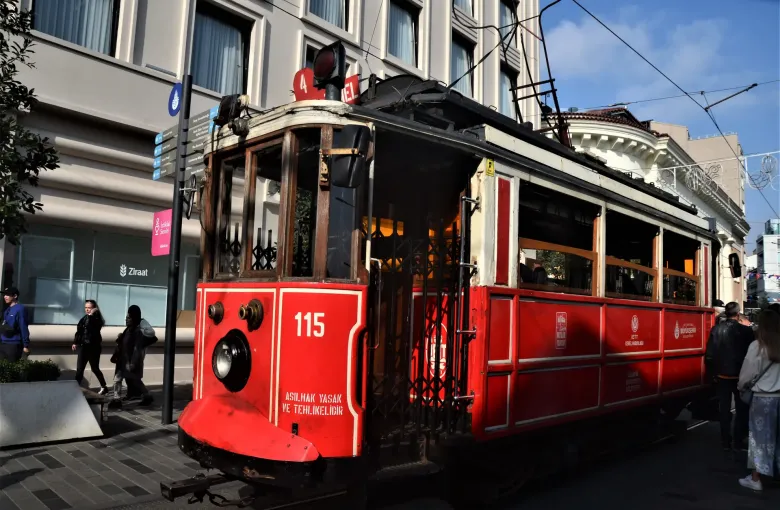
Getting Around Turkey
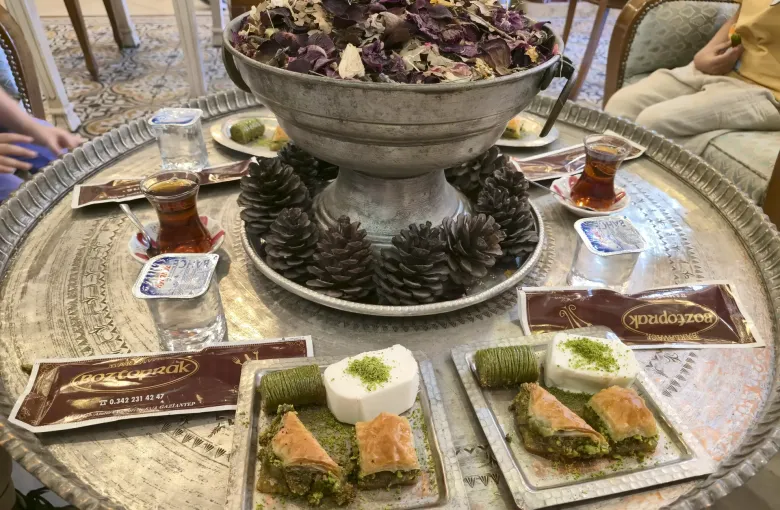
Turkey Food Guide