
Why visit
Why visit Bolivia?
Bolivia awes with the mirror-like Salar de Uyuni, the historic streets of Sucre, and spiritual journeys to Lake Titicaca. Visit colorful markets in La Paz or hike ancient Incan trails. In the Yungas region, discover the story of Afro-Bolivian communities who maintain vibrant traditions like the Saya dance, blending African rhythm with Andean heritage. In villages like Coroico and Tocaña, travelers can experience cultural tours that reflect a hidden, enduring African legacy in the Andes.
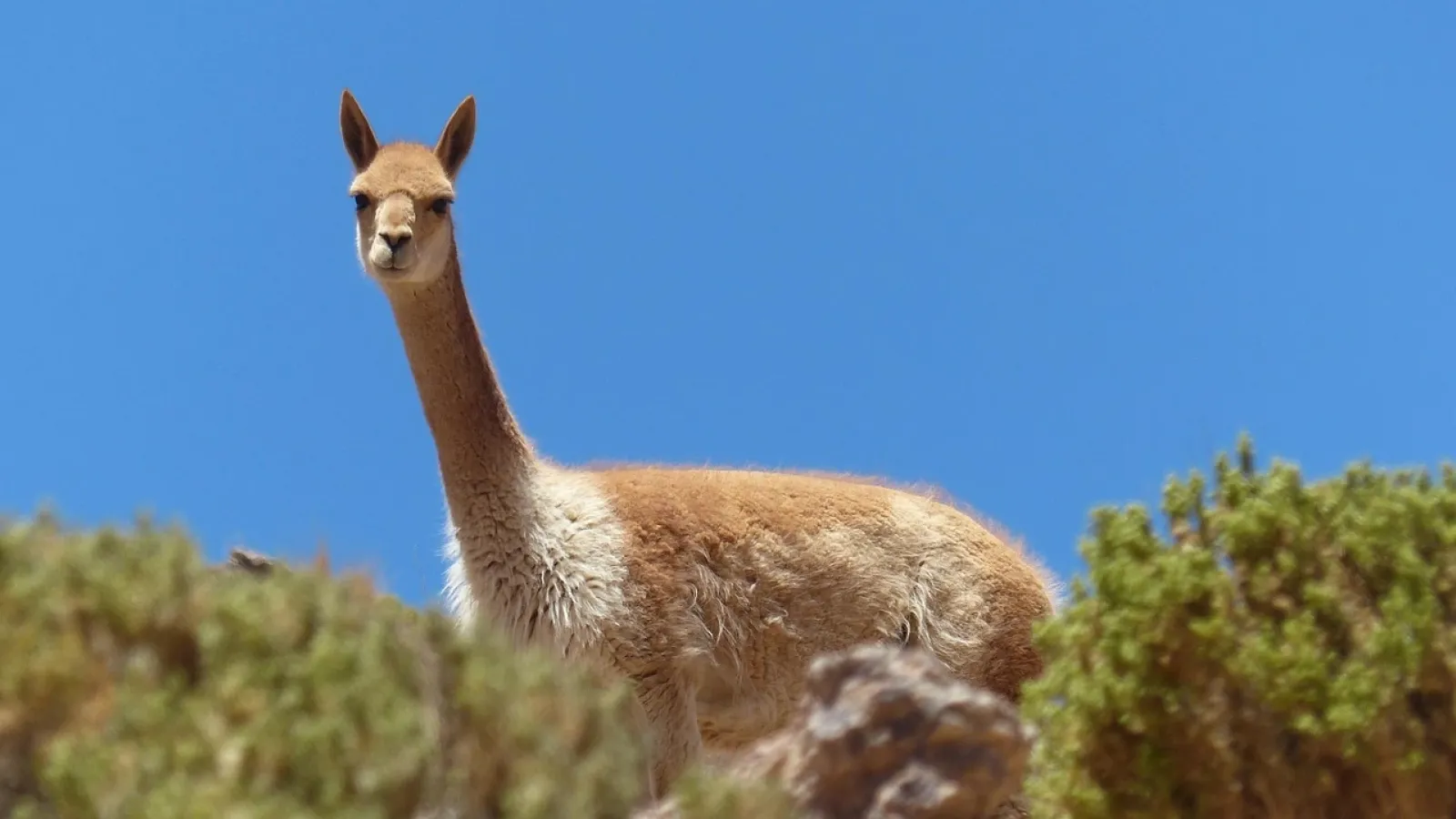
Top places to visit
Popular Attractions
in Bolivia
-
Salar de Uyuni
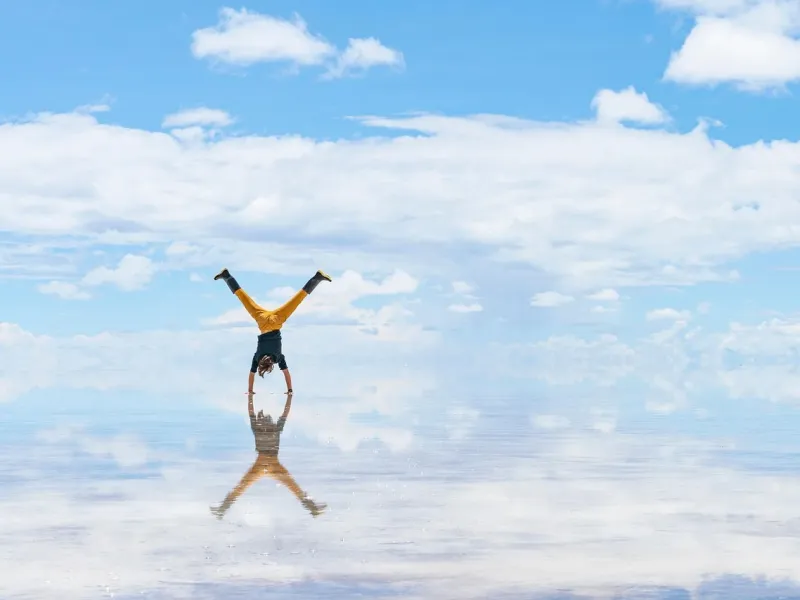
A vast expanse of white that stretches to the horizon, Salar de Uyuni is Bolivia’s most iconic natural wonder. In the rainy season, it transforms into a giant mirror that reflects the sky, creating an ethereal, dreamlike experience. During the dry season, you can walk, bike, or drive across hexagonal salt patterns and visit cactus-studded “islands” like Incahuasi. Whether at sunrise, sunset, or under the stars, the salt flats offer awe-inspiring silence and surreal beauty.
-
Lake Titicaca & Isla del Sol
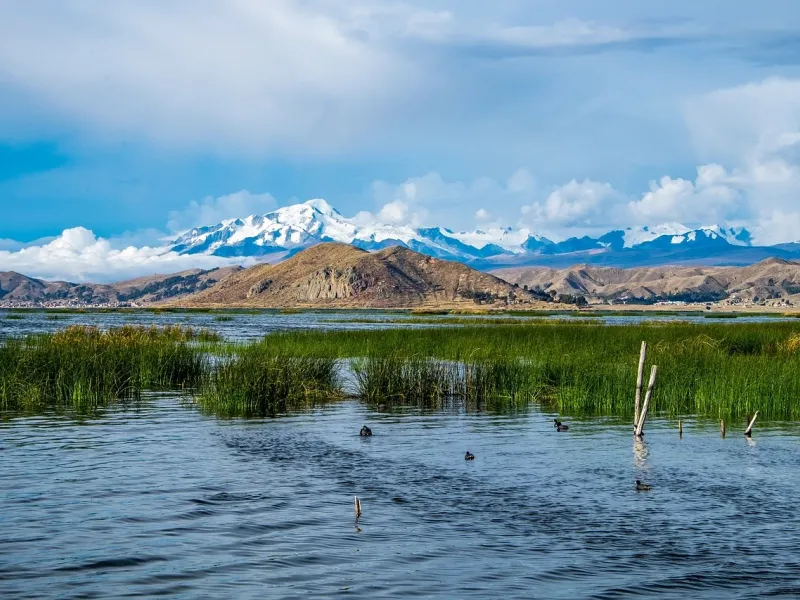
Cradled in the Andes and shared with Peru, Lake Titicaca is the highest navigable lake in the world and a site of immense spiritual significance to Indigenous Aymara and Quechua peoples. Explore Isla del Sol, believed to be the birthplace of the Inca civilization, where ancient ruins, walking trails, and traditional communities offer both serenity and storytelling. The lake’s shimmering expanse invites reflection, while the people who call it home offer heartfelt hospitality.
-
La Paz & the Witches’ Market
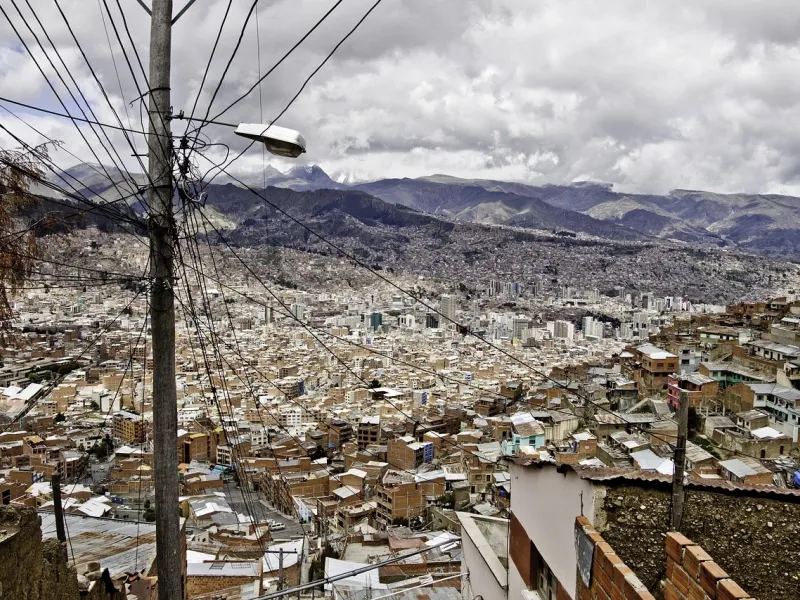
Nestled in a high-altitude valley beneath towering peaks, La Paz is Bolivia’s dynamic and dizzying capital. Ride the world’s highest urban cable car system for sweeping views, wander colonial streets, and explore the Mercado de las Brujas (Witches’ Market), where Indigenous healers sell medicinal herbs, amulets, and spiritual talismans. The city’s contrasts (between Indigenous traditions and modern politics, Andean roots and global aspirations) make La Paz an unforgettable cultural encounter.
The guide
Explore Bolivia by Interest
Planning
Food and Culture
Heritage and History
Traveler Resources
Deep Expertise
We partner with Indigenous and Afro-Bolivian guides and communities to ensure your experience is not only informative but also respectful and empowering. From storytelling circles to community-led nature walks, we prioritize travel that uplifts and connects.
Purpose-Driven Travel
Each LABUSA Travel itinerary in Bolivia is designed with intention, whether you’re meditating on a mountaintop, learning to cook quinoa-based cuisine with a local family, or visiting Afro-Bolivian musicians in the Yungas. You travel not just through Bolivia, but into its heart.
Affordable Luxury & Authentic Moments
Our curated accommodations, from adobe lodges on the altiplano to boutique hotels in restored colonial buildings, balance comfort with cultural integrity. You’ll rest well knowing your journey supports sustainable practices and local economies.
Common questions
Bolivia Travel FAQs
- Do I need a visa to visit Bolivia?
- Bolivia sets and enforces its own entry rules, and this site does not publish an answer for United States passport holders, because the source cached for this cluster was written for a different nationality and its allowance does not transfer. Bolivia has also changed its requirements for US citizens more than once. Ask the Bolivian consulate responsible for where you live, close to your travel date. What is worth knowing in any case is a quirk the cited source records: border officials issue 30-day stamps, but the allowance it describes is 90 days of visa free travel in a one-year period, so the stamp and the allowance are not the same number.
- Do I really need a yellow fever certificate for Bolivia?
- Yes, and this is the single most commonly misreported fact about entering the country. The public health source cached for this cluster states that proof of yellow fever vaccination is REQUIRED for all arriving travelers aged one year and over. There is no condition attached about where you fly from, so a direct flight from the United States is covered by it. That is a separate matter from the vaccine RECOMMENDATION, which is narrower: the same source recommends the vaccine for travelers aged nine months and over going to areas below 2,300 meters east of the Andes, and does not recommend it above 2,300 meters. Read those together and the ordinary case is the odd one, because La Paz, Lake Titicaca, Potosi and the Salar de Uyuni all sit above that line. Whether the vaccine is right for you is a question for a travel health professional, and it is one to ask early, because a certificate takes time to become valid.
- How bad is the altitude, and what can I do about it?
- It is the thing most likely to spoil a Bolivian trip and it is the thing most within your control. The airport serving La Paz sits above four thousand meters and most visitors arrive there having slept at sea level the night before. Altitude affects people unpredictably and it does not track fitness or age. The responses that work are unglamorous: arrive with nothing scheduled, take the first day slowly, drink more water than usual, go easy on alcohol, and build the itinerary so it climbs rather than starting at the top. Flying into Santa Cruz in the lowlands and working upward is a genuinely gentler trip than landing in La Paz and leaving next morning for Lake Titicaca. Symptoms that keep getting worse, breathlessness at rest or confusion mean going lower and getting medical help rather than waiting. This site publishes no medication and no dose: ask a travel health professional before you go.
- Is the Salar de Uyuni a World Heritage Site?
- No, and almost everyone assumes otherwise. The Salar de Uyuni appears on Bolivia's Tentative List, which records sites a country has indicated it may nominate in future and which confers no inscription and no status. Bolivia does have properties inscribed on the World Heritage List, and they are elsewhere: the city of Potosi, the Jesuit Missions of the Chiquitos, the historic city of Sucre, the Fuerte de Samaipata and Tiwanaku. None of which makes the salt flat less worth going to. It simply is not the thing people think it is on paper, and it is worth knowing which of the two seasons you are choosing, because the wet season mirror and the dry season crossing are different experiences and no trip gets both.
- What is the money situation in Bolivia?
- The currency is the boliviano, and it is worth saying plainly because three countries this region guide sits alongside use the United States dollar as their own currency and Bolivia does not. No exchange rate appears on this site, because a rate printed on a travel page is stale by the time anyone reads it. The practical points are these. Bolivia is a cash country to a degree that surprises visitors: cards work in city hotels and mid range restaurants and stop working quickly beyond them. Cash machines dispense large notes and market stalls, taxis and rural buses frequently cannot change one, so break large notes wherever there is a till that can and keep a working float of small ones. Draw what you need for the stretch ahead while you are still somewhere that has a machine.
- What is the emergency number in Bolivia?
- Call 118 and ask for an ambulance. Put it in your phone before you travel, and write it down somewhere that does not need a charged phone, together with your insurer's emergency line and the address of where you are staying. The cited health guidance records that public healthcare in Bolivia can be inconsistent in both response time and quality, and that a serious case may require evacuation. Travel insurance that covers medical evacuation and repatriation is not optional here, and some policies exclude high altitude activity, so read that clause rather than assuming. Private clinics in La Paz and Santa Cruz are the better option where there is a choice, and care thins quickly outside the larger cities.
- Are roadblocks and protests something I should worry about?
- They are something to plan around rather than to be frightened of, and they are common enough that a Bolivian itinerary should have slack in it. Roadblocks are a normal instrument of political expression here and they can close a highway, an airport road or a border crossing at short notice. The cited advice is unambiguous: do not try to cross one. A State of Emergency is in force, under which police and armed forces may remove roadblocks, disrupt protests and detain a person who does not comply for up to eight hours without charge, and the source notes that this could lead to violence. Keep away from protests, follow local instructions, and keep a spare day between your last overland leg and any flight home. Separately, the advisory this cluster cites names one area it advises against all but essential travel to: the Chapare region of Cochabamba Department, including Villa Tunari and the stretches of highway routes four and twenty four that pass through it.