
Why visit
Why visit Uganda?
Uganda holds almost half the world's mountain gorillas, and for most first visitors that is the whole reason to come. What they find is a country doing several other things at once: glaciers on the equator in the Rwenzori, savanna and crater lakes in Queen Elizabeth, the Nile forcing itself through a rock gorge at Murchison, and a capital built on hills with a kingdom still at the center of it.
It is also a country of kingdoms rather than a single national story. Buganda, Bunyoro, Toro and Busoga retain real cultural authority, and the Tombs of Buganda Kings at Kasubi is an active spiritual site rather than a monument. Five of Uganda's six UNESCO intangible heritage elements are listed as being at risk, which tells you something about how much of this is still living and how precarious that is.
We will also tell you the harder part. The United States places Uganda at its highest advisory level while the United Kingdom issues no warning at all, and Ugandan law differs sharply from that of many visitors' home countries. Those facts belong in the planning conversation rather than in the small print, and we have put them on the travel safety guide rather than leaving you to find them.

Top places to visit
Popular Attractions
in Uganda
-
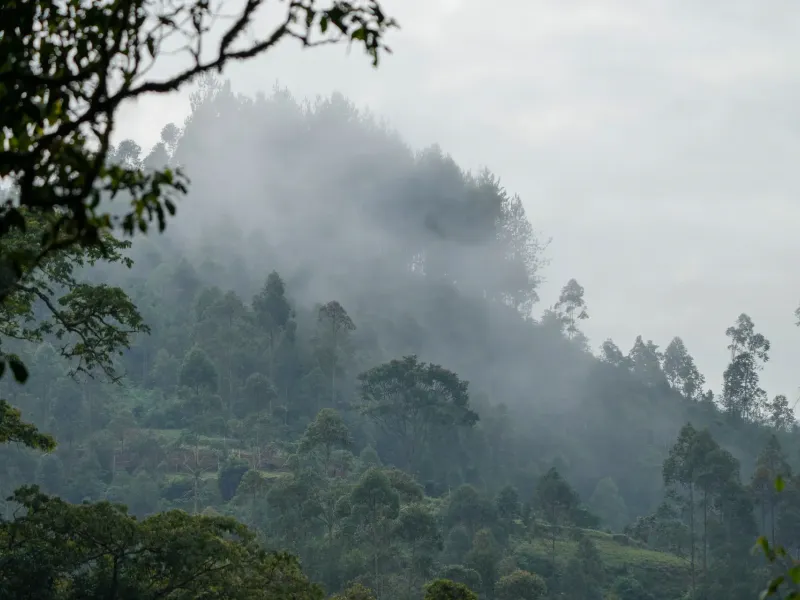
Bwindi Impenetrable Forest & Gorilla Trekking
Home to nearly half of the world’s remaining mountain gorillas, Bwindi is one of Africa’s most extraordinary ecological treasures. Trek through dense rainforest with expert guides to come face-to-face with these majestic, gentle creatures. The moment of connection is humbling, transformative, and truly once-in-a-lifetime. The surrounding community lodges and conservation programs make this experience both sustainable and deeply impactful.
-
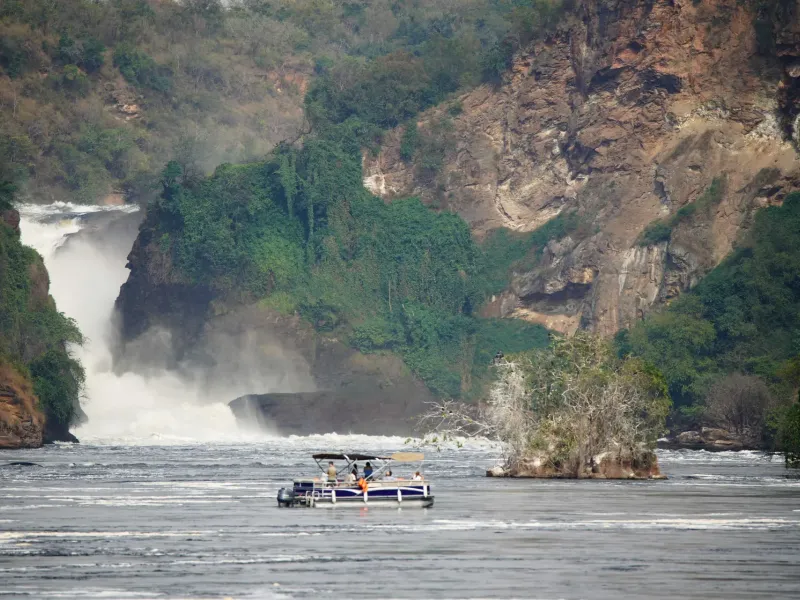
Murchison Falls National Park & The Nile
In Uganda’s largest national park, the powerful Nile River bursts through a narrow gorge to form the thunderous Murchison Falls. Game drives across savannah plains reveal elephants, lions, giraffes, hippos, and countless birds. A Nile boat safari offers up-close views of crocodiles, bathing buffalo, and scenic cliffs. It’s a perfect blend of adventure and serenity.
-
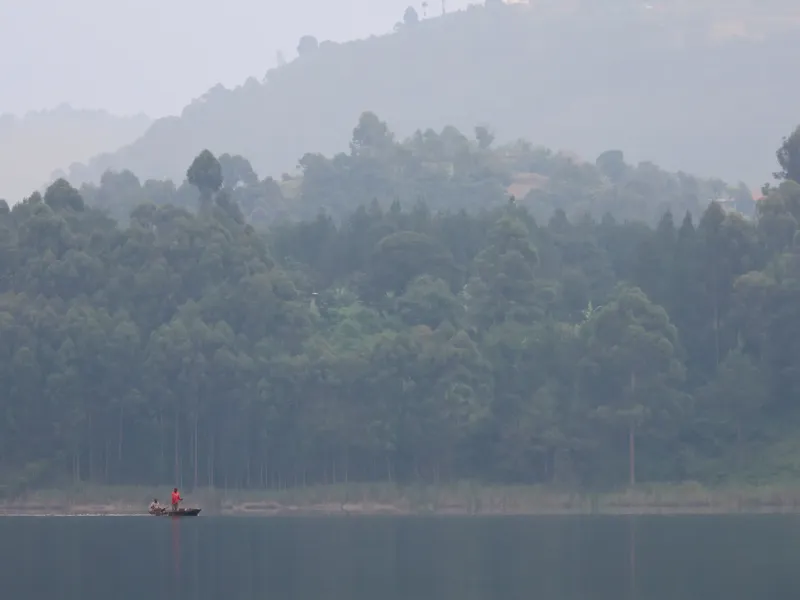
Lake Bunyonyi
Nicknamed “the place of many little birds,” Lake Bunyonyi is one of Africa’s most peaceful and scenic lakes. Dotted with lush islands and surrounded by terraced hills, it’s an ideal spot for reflection, canoeing, birdwatching, and village visits. Its serene beauty has made it a sanctuary for travelers seeking tranquility after thrilling safaris or treks.
-
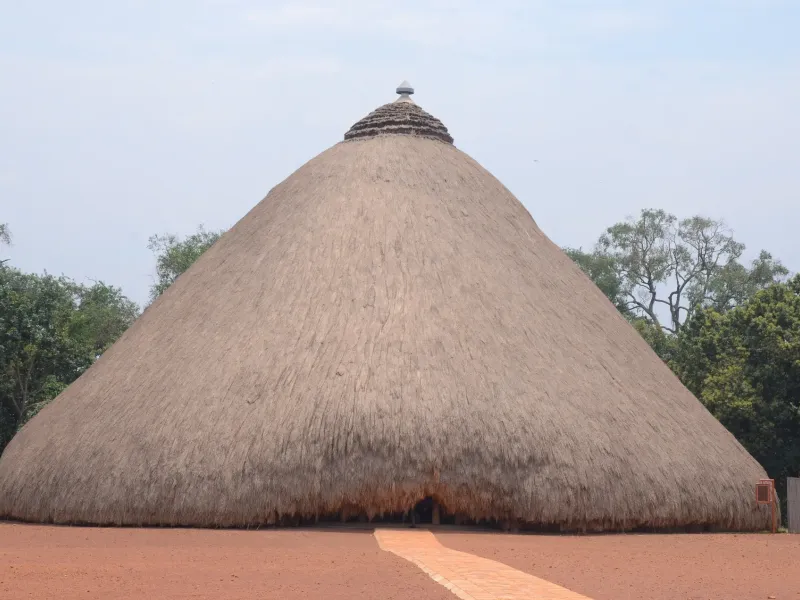
The Tombs of Buganda Kings at Kasubi
A UNESCO World Heritage Site inside Kampala, and the active spiritual center of the Buganda kingdom rather than a monument to it. Four kings are buried beneath a vast thatched dome built entirely of organic material. Read the Kasubi Tombs visitor guide.
-
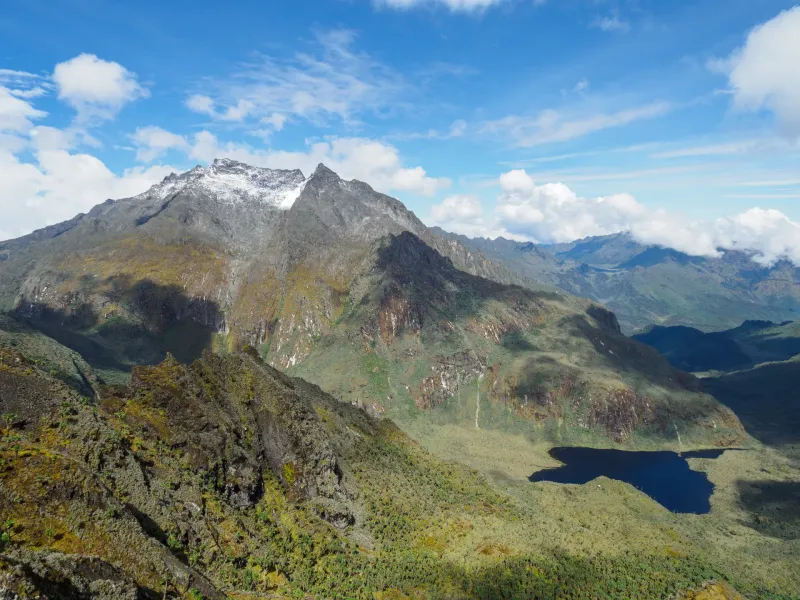
The Rwenzori Mountains
Glaciers and snow a few kilometers from the equator, the legendary Mountains of the Moon, and Africa's third highest summit. UNESCO records giant heathers, groundsels and lobelias found nowhere else. See the Rwenzori visitor guide.
-
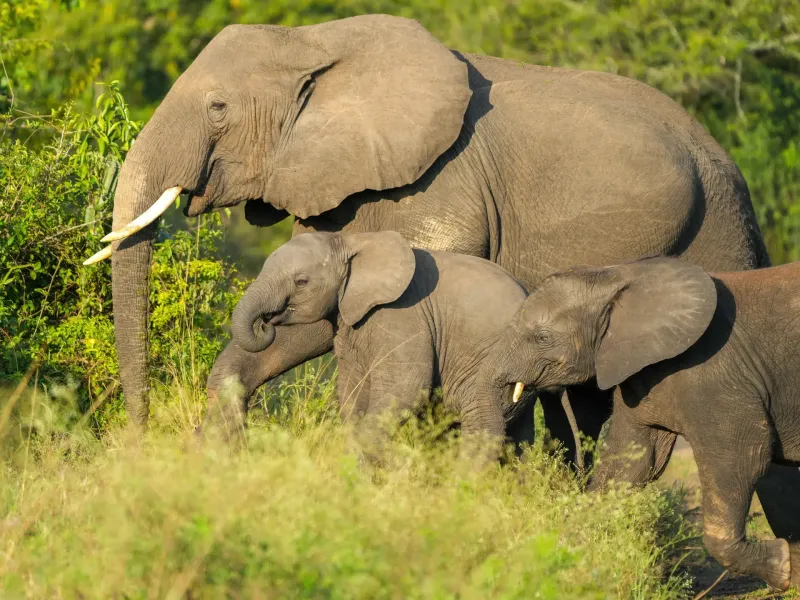
Queen Elizabeth National Park
Savanna, crater lakes and the Kazinga Channel, with elephant, buffalo and the tree-climbing lions of the Ishasha sector. It pairs naturally with the gorilla forests to the south and gives a Uganda itinerary its vehicle-based days.
The guide
Explore Uganda by Interest
Planning
Food and Culture
Heritage and History
Traveler Resources
Before you go
Planning
a trip to Uganda
-
Best Time to Visit Uganda
Uganda sits on the equator, so it has two drier spells and two wetter ones rather than a summer and a winter. The drier spells, roughly June to August and December to February, make forest trekking easier underfoot. Temperatures change with altitude far more than with the month. The full picture is in the best time to visit guide and the weather guide.
-
Visas, Money and Getting Around
A visa is required and is applied for online: you print a letter of authorization and present it on arrival. Your passport needs six months' validity. Uganda runs on cash and mobile money rather than cards, and road travel is the part of a trip most worth planning carefully. See visa and entry requirements, currency and money and getting around.
-
Before You Book
Two things are worth reading before you commit. The US State Department currently places Uganda at Level 4, Do Not Travel, while the UK FCDO issues no blanket warning at all, and some insurance policies are void for travel against an advisory. Uganda's laws also differ sharply from those of many visitors' home countries. Both are set out plainly in the travel safety guide.
Signature experiences
Signature
Uganda experiences
-
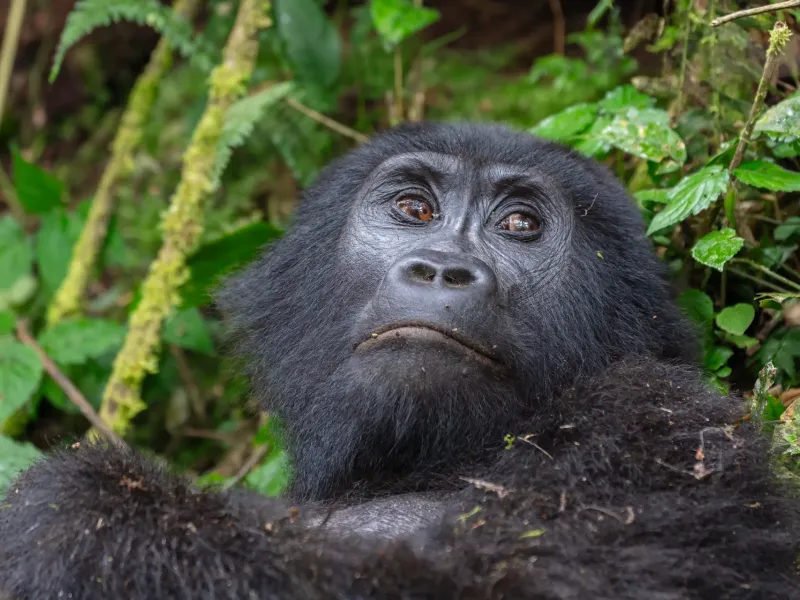
Trekking to a gorilla family
A briefing, then a walk of anything from an hour to most of a day on steep, wet, tangled ground, and then a strictly limited time with the family. UNESCO calls Bwindi a conservation frontline and says community benefit from this tourism may be the only hope for the forest's future. See the Bwindi guide and Uganda for senior travelers.
-

Markets, matoke and a rolex
Uganda eats matoke with groundnut sauce, grills tilapia and Nile perch from the lakes, and makes the best street snack in East Africa: an omelette rolled in a chapati, cooked in front of you. Start with the food guide and the culture and etiquette guide.
-

Living heritage, and what is at risk
Uganda has six elements on the UNESCO intangible heritage lists and five of the six are on the Urgent Safeguarding List: gourd trumpet music, a bowl lyre tradition, oral history and the Empaako praise-name system among them. These are held by communities, not staged for arrivals. See festivals and celebrations and Uganda and diaspora reconnection.
Why choose LABUSA Travel for Uganda
We tell you what the governments say
Every practical claim on these pages is attributed to the authority that publishes it and dated, so you can check it against the same source we used. Where two governments disagree, as they do sharply about Uganda, we give you both positions rather than averaging them into one comfortable sentence.
Purpose-driven travel
We build itineraries with Ugandan operators and community organizations, and we pace them for the group we actually have rather than the one a brochure imagines. Where a visit involves a place of worship or of memory, we prepare the group properly beforehand.
Honest about the hard parts
Gorilla permits are limited and set your dates. The trek is steep and wet and the walk is unpredictable in length. Road travel is the real risk on a Uganda trip, not wildlife. We would rather say all of that before you book than after.
Common questions
Uganda Travel FAQs
- Do I need a visa for Uganda?
- Yes. A visa is required and is applied for online before you travel. You attach the required documents, and the immigration authorities email you a letter of authorization carrying a barcode. Print that letter: border officials issue the visa against it on arrival. Your passport must be valid for at least six months beyond your arrival date. Fees change, so we do not print one here. See our visa and entry requirements guide.
- When is the best time to visit Uganda?
- Uganda sits on the equator, so it has two drier spells and two wetter ones rather than a summer and a winter. June to August and December to February are the drier spells and the most straightforward times to trek, because forest trails are firmer. The wetter months are greener, quieter and better for birding, and the walking is harder. Temperature changes far more with altitude than with the month.
- How demanding is gorilla trekking in Bwindi?
- More than most people expect. The walk to reach a family can be an hour or most of a day, on steep, wet, tangled ground at altitude. Permits are limited and usually decide your dates rather than the weather. Hiring a porter helps a great deal and puts money directly into the communities at the forest edge. Our senior travelers guide and our accessibility guide both set out what the walk actually involves.
- Is Uganda safe to travel in?
- The two governments we quote most often disagree, and we report both rather than averaging them. The US State Department places Uganda at Level 4, Do Not Travel, in an advisory updated on 7 December 2025, citing crime and terrorism. The UK Foreign, Commonwealth and Development Office issues no blanket warning against travel to Uganda at all. Some insurance policies are void for travel against an advisory, so check yours in writing. Our travel safety guide sets out both positions in full.
- Are there laws I should know about before I book?
- Yes, and one of them matters enough that it should not be discovered on arrival. Same-sex sexual activity is illegal in Uganda, and the Anti-Homosexuality Act 2023 provides long prison sentences, life imprisonment, and the death penalty for offenses the Act classes as aggravated homosexuality. There are severe penalties for promoting LGBT rights. We set the legal position out plainly on our travel safety guide.
- What language will I need?
- English is official and widely used, so you will be understood in towns, hotels and parks. Luganda is dominant in Kampala and the south, and a greeting in it is noticed. Greetings here are unhurried and matter more than they do in most places: getting straight to business without asking after someone reads as rude. See our culture and etiquette guide.
- Can I pay by card in Uganda?
- Sometimes, and not reliably. Cards work at upmarket hotels and lodges, some restaurants in Kampala and Entebbe, and at ATMs in the larger towns. Everywhere else runs on cash and on mobile money. US dollars are accepted for larger items such as park fees, but old, small or damaged notes are frequently refused. Our currency and money guide explains what to carry.
- What is the current situation with Ebola?
- The World Health Organization declared Uganda outbreak over on 27 August 2026. The outbreak in the neighboring Democratic Republic of the Congo continues, the risk of transmission into Uganda remains, and the Ugandan government is maintaining precautions on that border. This is the item on these pages most likely to change, so check it close to departure. Our travel safety guide carries the current position and its source.