The quick answer
Uganda is warm, sociable and more formal than most visitors expect. Greet people properly and greet them first. Getting straight to business without asking after someone's health and family reads as rude in a way that is easy to avoid and hard to repair.
Greetings
A greeting is a short exchange, not a word. Expect to ask how someone is, how the morning has been and how the family is, and to be asked in return, before anything else happens. This applies at a hotel desk, at a park gate and at a market stall.
Handshakes are common and often lingering. Using the right hand, or both hands, to give and receive is the courteous form. Age is respected, so greet the eldest person present first.
Names, and a tradition worth knowing
Among several peoples of western Uganda there is a system of Empaako, a set of affectionate praise names used in greeting to show respect and affection. UNESCO carries it on its Urgent Safeguarding List, meaning it is regarded as at risk rather than flourishing. If someone offers you their Empaako, you have been paid a compliment.
The kingdoms
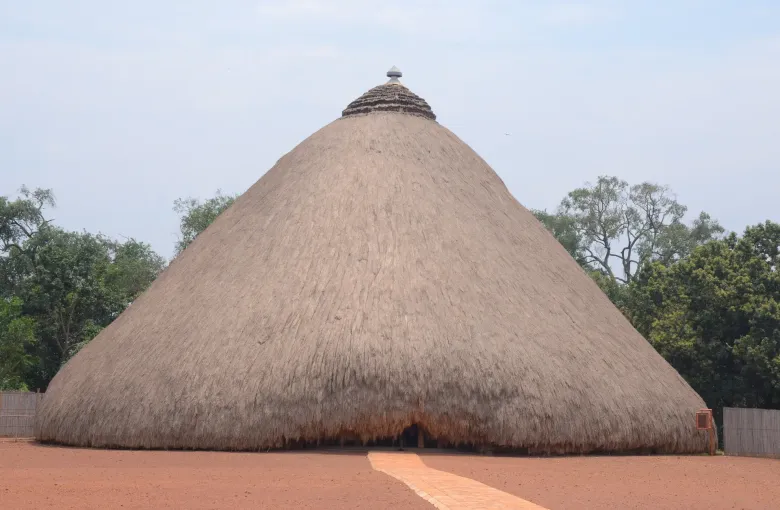
Uganda's traditional kingdoms are not a historical curiosity. Buganda, Bunyoro, Toro, Busoga and others retain cultural authority and matter to how people describe themselves. The Tombs of Buganda Kings at Kasubi is the active spiritual center of Buganda rather than a monument to a finished past, and understanding that changes how you behave when you visit.
Dress
Modest by default outside the capital. Shoulders and knees covered is a safe standard for towns, markets, churches and mosques. Kampala is more relaxed but it is a capital city rather than a resort. Swimwear belongs at the pool or the lakeshore and nowhere else.
Leave camouflage-pattern clothing at home.
Photography
Ask before photographing people. Always, and accept no as an answer. Do not photograph military installations, police, government buildings, airports or border posts. This is not a cultural nicety, it is the kind of thing that leads to a detained camera and a long afternoon.
Religion
Uganda is largely Christian with a significant Muslim minority, and religious observance is visible and taken seriously. Sunday mornings are quiet in a way that affects opening hours. Dress and behave accordingly near any place of worship.
The legal context you need before you arrive
Some of Uganda's laws differ sharply from those you may be used to, and one of them carries consequences severe enough that it should not be discovered on arrival. We set out the legal position, including the Anti-Homosexuality Act 2023, in full on Uganda Travel Safety Guide. If you are traveling to Uganda, read that page before you book.
Small things that go a long way
- Learn a greeting. Oli otya in Luganda is enough, and the reaction is worth it.
- Accept hospitality when it is offered, even a little.
- Be patient with time. Schedules are aspirations and relationships are not.
- Do not hand out sweets or money to children; support a school or a community project instead.
- Bargain in markets with good humor, and remember what the difference is worth to each of you.
Sources
- UNESCO Intangible Cultural Heritage: Uganda’s inscribed elements, including barkcloth making and the Empaako naming tradition. Accessed 14 September 2026.
- UNESCO World Heritage Centre: the inscription of the Tombs of Buganda Kings at Kasubi. Accessed 14 September 2026.
- UK Foreign, Commonwealth & Development Office: Uganda safety and security: terrorism, the political situation, crime, road travel and local laws. Accessed 14 September 2026.
Other Articles
Kasubi Tombs: Visitor and Heritage Guide
Uganda Festivals and Celebrations