
Why visit
Why visit Rwanda?
Rwanda is a small country that asks for more time than its size suggests. It is the most reliable place in the world to see mountain gorillas, and the trek in Volcanoes National Park is what brings most first visitors. What keeps them is the rest of it: Nyungwe, one of the oldest rainforests in Africa and a World Heritage Site since 2023; the terraced hills and tea country between the parks; and Kigali, a capital that is calm, walkable and unusually easy to arrive in.
It is also a country that has chosen to keep its own record in public. Rwanda's four inscribed memorial sites are places of mourning and of evidence, and visiting them well is a matter of conduct rather than itinerary. For travelers of the African diaspora, Rwanda's story is not the Atlantic one: its diaspora is recent and political, shaped by exile and by return. We say so plainly rather than borrowing a history that belongs somewhere else.
Practically, Rwanda is straightforward. Every nationality can get a visa on arrival, the roads are good, the drives are short, and English is one of three official languages.
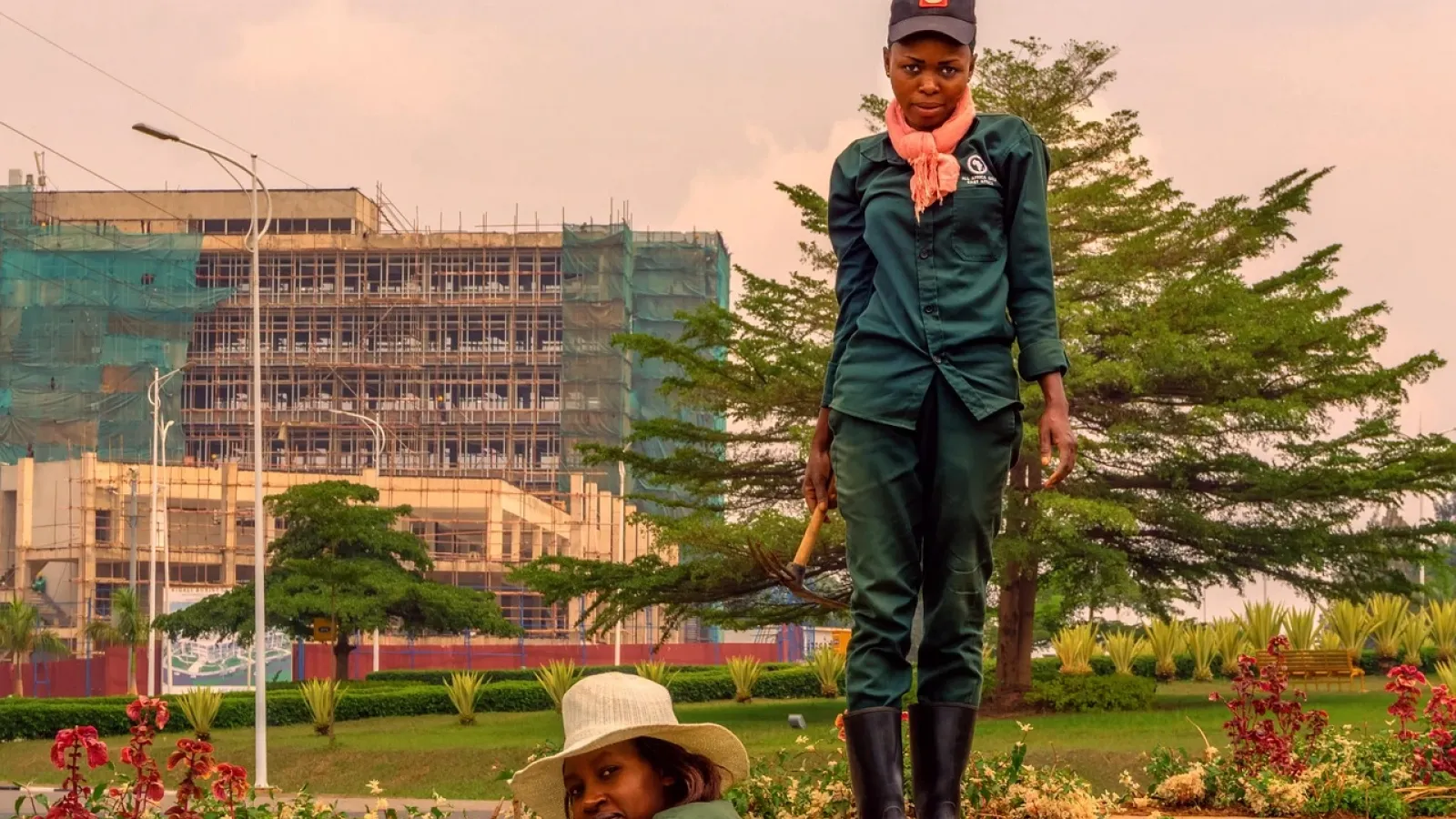
Top places to visit
Popular Attractions
in Rwanda
-
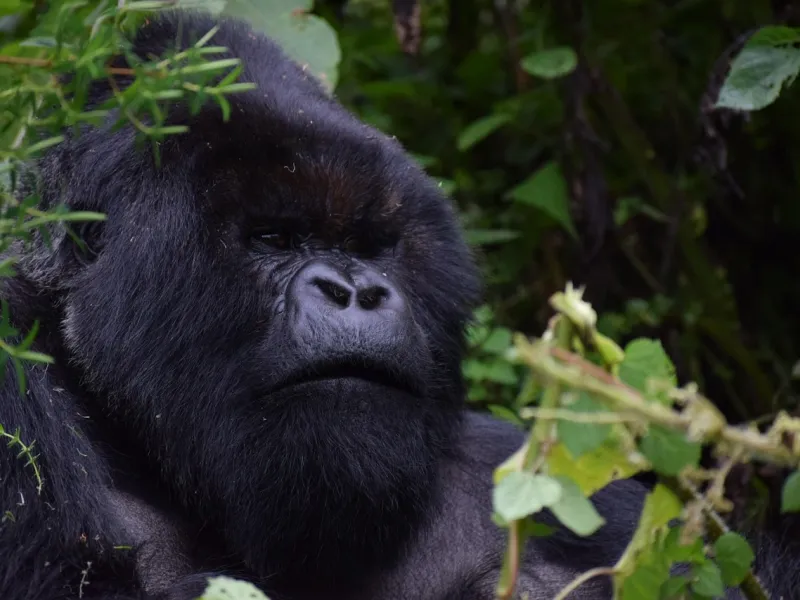
Volcanoes National Park
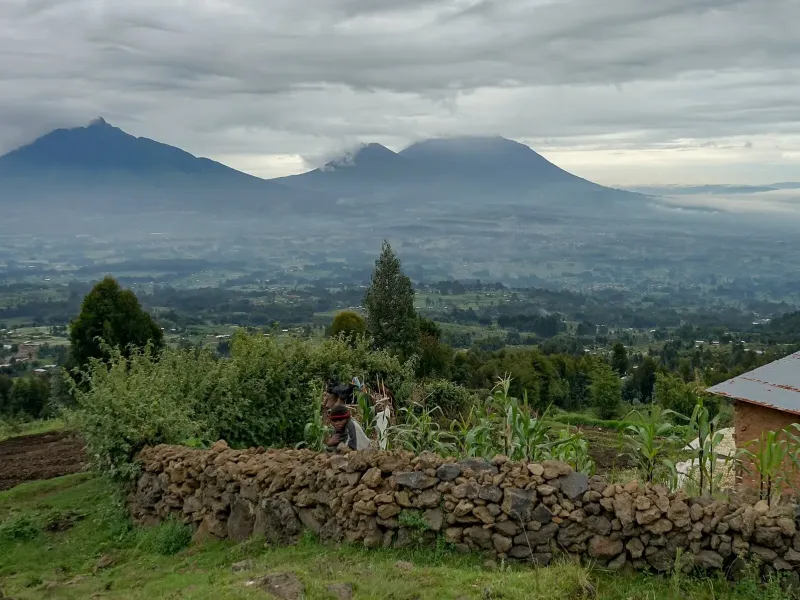
Home to the world’s last remaining mountain gorillas, Volcanoes National Park is Rwanda’s crown jewel. Trek through dense bamboo forests alongside expert guides for a once-in-a-lifetime encounter with these gentle giants. The surrounding region also offers golden monkey trekking, volcanic hikes, and intimate cultural exchanges with local communities.
-
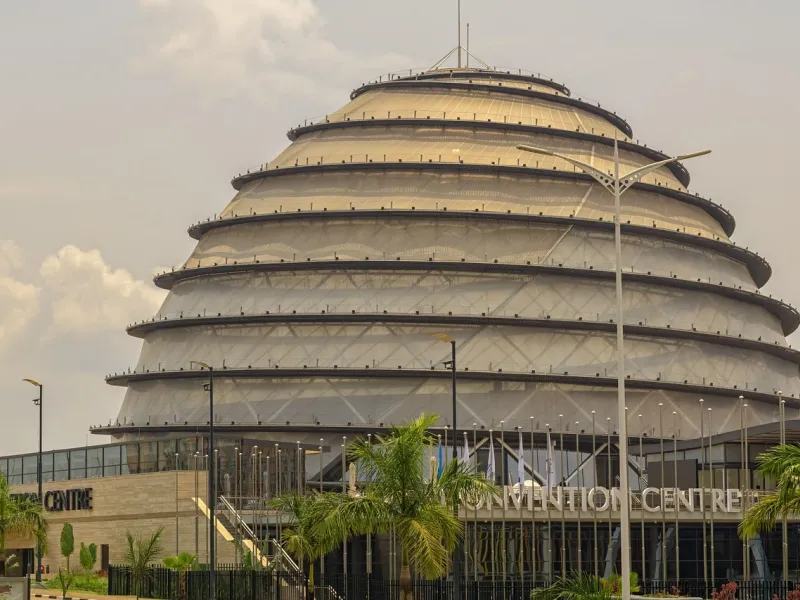
Kigali
Rwanda’s capital is a model of modern African progress. Known for its cleanliness, safety, and dynamic spirit, Kigali offers museums, art galleries, and culinary gems. Visit the Kigali Genocide Memorial to honor Rwanda’s past and gain context for its remarkable transformation. Then explore vibrant neighborhoods, local markets, and rooftop cafes with panoramic views.
-
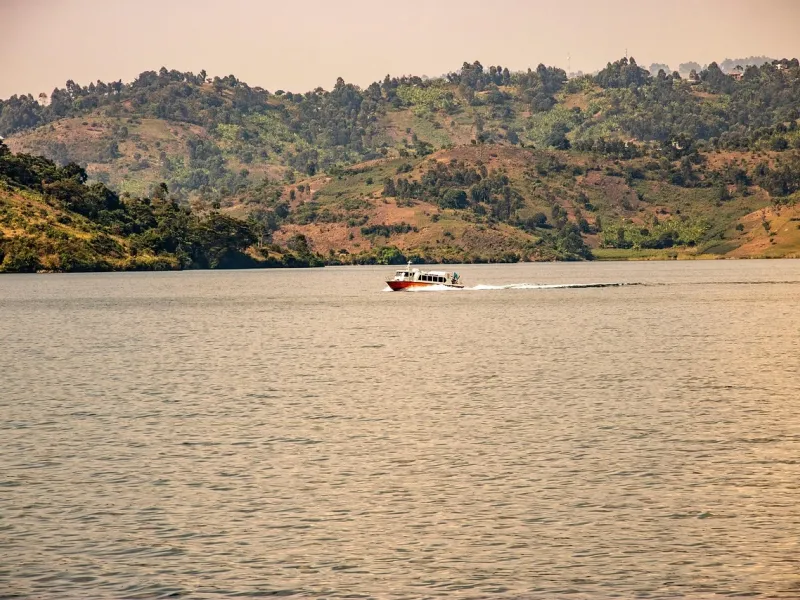
Lake Kivu
One of Africa’s Great Lakes, Lake Kivu stretches along Rwanda’s western border, offering a tranquil escape. Enjoy boat rides, beach relaxation, or watersports with the scenic backdrop of terraced hills. Nearby towns like Gisenyi and Kibuye offer access to hot springs, local crafts, and welcoming guesthouses.
-
Nyungwe National Park
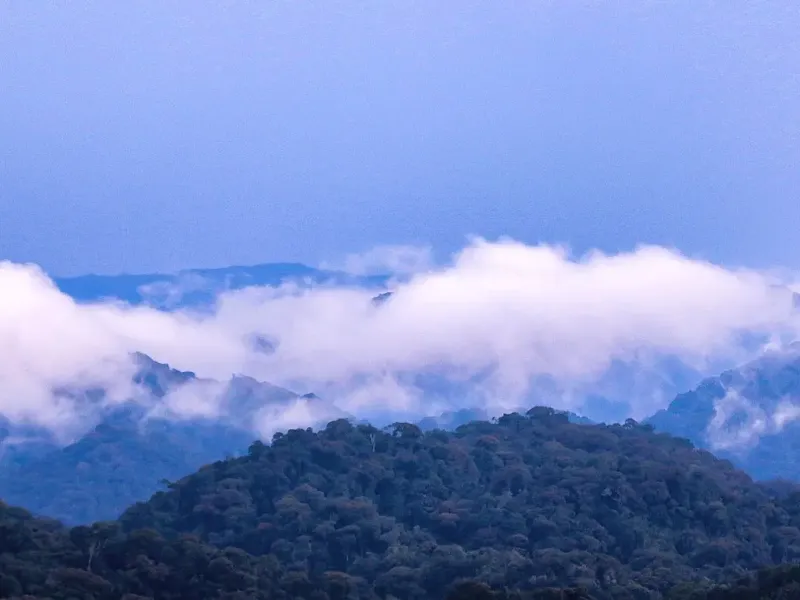
One of the oldest rainforests in Africa, and a UNESCO World Heritage Site since 2023. Nyungwe covers steep Afromontane ridges in the southwest, with chimpanzees, golden monkeys and one of the richest bird lists on the continent. A canopy walkway crosses a ravine at the height of the treetops. Read the Nyungwe visitor guide.
-
The memorial sites
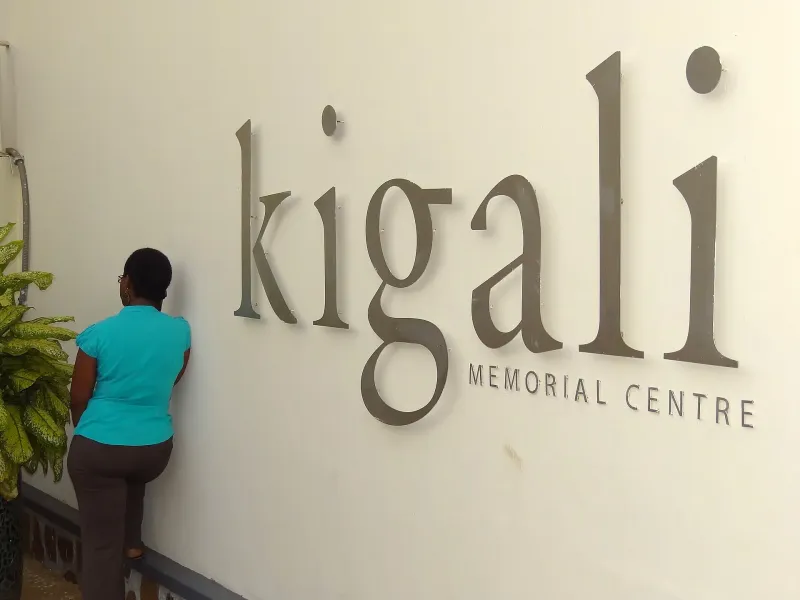
Rwanda's other World Heritage inscription, made in 2023, covers four memorial sites: Nyamata, Murambi, Gisozi in Kigali, and Bisesero. They are places of mourning and of record, not attractions, and they ask something of a visitor. Our guide to visiting the memorial sites sets out what to expect and how to behave there.
-
The hills and the tea country
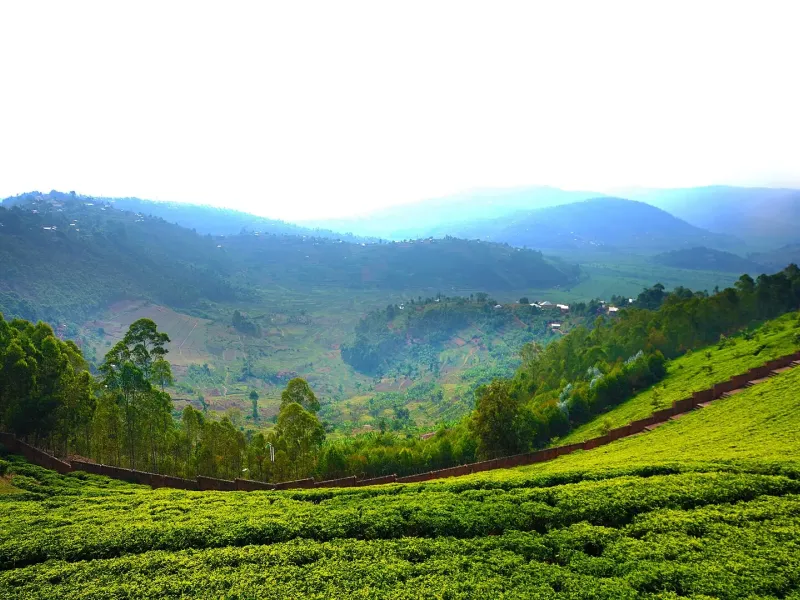
Rwanda is called the land of a thousand hills and the number undersells it. Between the parks the country is terraced almost to the ridgelines, with tea and coffee on the upper slopes. The drives are short, the roads are good, and the view out of the window is most of the reason to take them rather than fly.
The guide
Explore Rwanda by Interest
Planning
Food and Culture
Heritage and History
Traveler Resources
Before you go
Planning
a trip to Rwanda
-
Best Time to Visit Rwanda
Long dry season: June to September, the most reliable trekking weather. Short dry season: mid December to mid February. Rains: March to May and October to November, when the hills are greenest and the forest trails are hardest. Rwanda sits close to the equator and high above sea level, so it is temperate all year rather than hot. The full picture is in the best time to visit guide and the weather guide.
-
Culture, Language and Community
Kinyarwanda is the national language, and English and French are both official. Umuganda, the last Saturday of each month, is a national community work morning, and much of the country closes for it. Greetings are unhurried and matter. See the culture and etiquette guide, the festivals guide and the food guide.
-
Entry, Health and Getting Around
Rwanda offers a visa on arrival to every nationality, and applications are made through the government portal before you fly. Distances are short and the roads are among the best in the region. Start with the visa and entry guide, then travel safety, getting around and the packing list.
Signature experiences
Signature
Rwanda experiences
-
Trekking to a gorilla family
An hour of permits, briefings and steep wet ground, and then as long as the family allows. It is the single most demanding thing most visitors do in Rwanda and the one most of them come for. We will tell you honestly whether the walk suits you before you pay for it. See the Volcanoes National Park guide and Rwanda for senior travelers.
-
Kigali markets, art and food
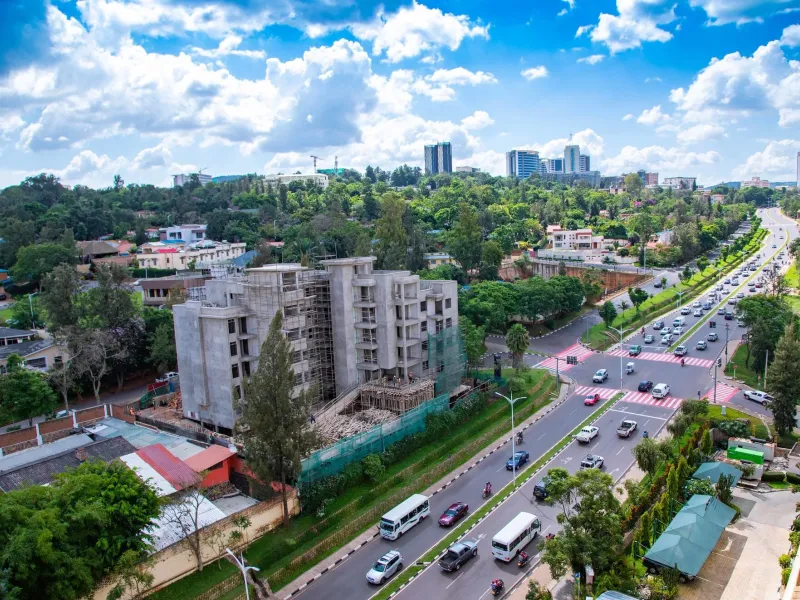
Kigali is a small capital that rewards a slow day: the Kimironko market, the craft cooperatives, the galleries and a food scene built on beans, plantain, brochettes and very good coffee. It is also the base for the Gisozi memorial. Start with the food guide and our Kigali page.
-
Community and cultural journeys
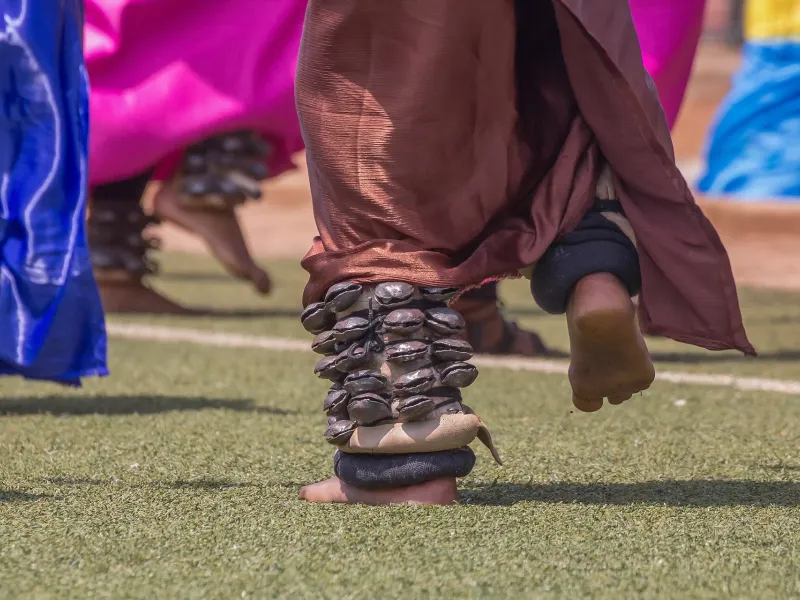
Cooperatives, weaving and basketry groups, and Intore performance, which UNESCO inscribed on the Representative List of the Intangible Cultural Heritage of Humanity in 2024. These are visits arranged with the people who run them rather than staged for arrivals. For travelers with roots in the region, the diaspora reconnection guide is the place to begin.
Why choose LABUSA Travel for Rwanda
We have been there
Our team has taken groups to Kigali and we write from what we saw. Every practical claim on these pages is attributed to the authority that publishes it, and dated, so you can check it against the same source we did.
Purpose-driven travel
We build itineraries with Rwandan operators and community cooperatives, and we pace them for the group we actually have rather than the one a brochure imagines. Where a visit involves a place of memory, we prepare the group properly beforehand.
Honest about the hard parts
Gorilla trekking is demanding, altitude is real, and permits are limited and must be booked well ahead. We would rather tell you that before you book than after.
Common questions
Rwanda Travel FAQs
- Do I need a visa for Rwanda?
- Rwanda is unusually open: the Directorate General of Immigration and Emigration publishes that, since 1 January 2018, citizens of every country may obtain a visa on arrival without applying first. In practice most visitors still apply through the government portal before flying, because it is quicker at the airport. Fees change, so we do not print one here. See our visa and entry requirements guide.
- When is the best time to visit Rwanda?
- There are two dry seasons. June to September is the long one and the most straightforward time to come. The middle of December into February is shorter, works almost as well, and is quieter. The rains run February to May and September to December, and the UK Foreign, Commonwealth and Development Office names April as the height of them. Rwanda sits close to the equator and high above sea level, so it is temperate all year rather than hot.
- How demanding is gorilla trekking?
- More than most people expect. It can be an hour to reach a family or most of a morning, on steep muddy ground, at altitude, through vegetation that stings. Permits are limited and are booked well in advance. If you have a cardiac or respiratory condition, have the conversation with your own doctor before you book rather than after. Our senior travelers guide and our accessibility guide both set out what the walk actually involves.
- Is Rwanda safe to travel in?
- Rwanda is generally regarded as one of the safer countries in the region, and the exception is specific rather than general: the border area with the Democratic Republic of the Congo. The British and American governments draw that restricted area differently from each other, so our travel safety guide reports both lines rather than merging them into a third that neither government drew.
- Are plastic bags really banned?
- Yes, and it is enforced at the airport. Take anything in a plastic carrier bag out of your luggage before you fly, and repack in fabric or paper. Vapes are also prohibited. Our packing list covers what to leave at home.
- What language will I need?
- Kinyarwanda is the language everyone shares, and a greeting in it is noticed. English and French are both widely used, English increasingly so in business and education, so you will be understood. Greetings are unhurried here and matter more than they do in most places: see our culture and etiquette guide.
- Should I visit the memorial sites?
- That is your decision, and it is a reasonable one either way. Four of them are inscribed by UNESCO, and they are places of mourning and of record rather than attractions. If you do go, go prepared: our guide to visiting the memorial sites sets out what to expect, what is and is not appropriate, and where photography is not permitted.
- What is Umuganda?
- A national morning of community work on the last Saturday of every month. Much of the country closes for it, including shops and some transport, so it is worth knowing which Saturday it falls on when you plan a travel day. Visitors are sometimes welcome to join in, which is a better introduction to the country than most things you can pay for.