The quick answer
Rwanda is one of the easier African destinations for an older traveler, for reasons that have nothing to do with facilities. It is small, the main roads are good, the drives are short, the climate is temperate and the lodges at the upper end are genuinely comfortable.
The one thing to be straight with yourself about is the trek. Everything else here is more forgiving than you might expect.
Why the size of the country matters
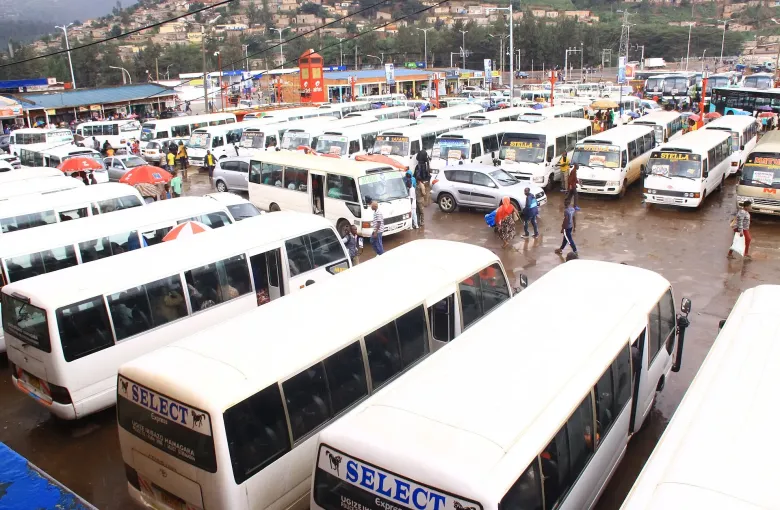
A great deal of what makes African travel tiring is the transport: long transfers, rough roads, internal flights with early check ins. Rwanda mostly does not have that problem. Kigali to Musanze for Volcanoes National Park is a straightforward drive on good road. The longest drive on a typical itinerary, Kigali to Nyungwe, is a half day and is scenic throughout.
That means you can see a great deal without the accumulated fatigue that a comparable itinerary elsewhere would produce, and it means a slower pace costs you less.
Altitude, honestly
Rwanda is high, and the parks are the highest part of it. The FCDO records that altitude sickness is a risk in parts of the country. In practice, most visitors notice it as breathlessness on a climb rather than as illness, but the effect is real and it is more pronounced with age.
Two sensible measures. Give yourself an easy first day rather than arriving and trekking the next morning. And if you have a cardiac or respiratory condition, have the conversation with your own doctor before you book, not after.
The trek, and how to decide
A gorilla trek is a hill walk on unmade ground and it can be hard. Depending on where the family has moved, it may involve several hours of climbing on steep, muddy, uneven ground through vegetation you have to push through, at altitude, in changeable weather. Plenty of people in their seventies do it and are delighted they did. Plenty of fit people in their forties find it harder than they expected.
What helps:
- Be frank with the park staff about your fitness. Groups are allocated to gorilla families at different distances and difficulty, and the allocation is made in the morning. Understated modesty here is counterproductive.
- Hire a porter. Always. They carry your bag, they take your hand on the bad ground, and it is a meaningful local income. This is not a sign of weakness, it is what everyone sensible does.
- Walking poles, and boots with real grip.
- Consider a shorter alternative. Golden monkey trekking at Volcanoes is markedly easier and shorter than a gorilla trek, and it is a genuine wildlife experience rather than a consolation prize. Additional carrying assistance for visitors who need it has been arranged at Volcanoes; we would confirm it in advance through the Rwanda Development Board rather than assume it.
The gentler days
A Rwandan itinerary has plenty that asks nothing of your knees.
- Akagera is a vehicle based park in the east and the easiest wildlife day in the country.
- Lake Kivu is for sitting by, boat trips and fish lunches.
- Kigali rewards a day of galleries, markets, coffee and the memorial, all done by vehicle between stops.
- Nyungwe has short forest walks as well as the full chimpanzee trek. The canopy walkway is spectacular and involves steps and a suspended crossing, which some people love and some would rather watch.
- Tea country between Kigali and the southwest is a drive rather than a hike, and one of the best drives in East Africa.
Health and insurance
Take this seriously here. The FCDO records only limited medical facilities in Rwanda, and that a serious accident or illness may require air ambulance evacuation to Kenya or South Africa. Check that your policy covers medical evacuation, that any pre existing condition is declared and accepted, and that trekking is within the covered activities.
Bring your medication from home in original packaging with a copy of the prescription. Medicine bought locally may be substandard or counterfeit. The emergency number is 112.
Two things the US Centers for Disease Control and Prevention publishes for Rwanda are worth reading before you book, because both turn on age or on an existing condition. On hepatitis A, CDC advises that unvaccinated travelers who are over 40, who are immunocompromised, or who have chronic medical conditions, and who are leaving for a risk area in less than two weeks, should have the first dose of vaccine and immune globulin at the same appointment. On yellow fever, CDC records that the vaccine is generally not recommended for travel to Rwanda and is not required for direct travel from the United States, which is the opposite of what many people assume about this part of Africa. Take both to your own doctor or a travel clinic rather than acting on them here.
Comfort and pace
Lodges near the parks range from simple to very comfortable indeed, and the better ones are used to older guests, early starts and dietary requirements. Ask for ground floor rooms where the site is terraced, which many are. Build in a rest day after a trek rather than driving on the same afternoon.
Planning with LABUSA Travel
We pace itineraries for the group we actually have, we book the porters in advance, and we will tell you if what you have described is going to be too much before you have paid for it.
Sources
- UK Foreign, Commonwealth & Development Office: Rwanda travel advice: regional risks, local laws, health and entry requirements. Accessed 13 September 2026.
- US Centers for Disease Control and Prevention: Travelers’ Health, Rwanda: vaccination guidance, malaria and yellow fever entry rules. Accessed 13 September 2026.
- Rwanda Development Board: the government body responsible for tourism, conservation and park permits. Accessed 13 September 2026.
- Visit Rwanda: the national tourism presentation of parks, culture and itineraries. Accessed 13 September 2026.
Other Articles

Accessible Travel in Rwanda
Volcanoes National Park: Visitor and Heritage Guide