
Why visit
Why visit Nigeria?
Nigeria is the most populous country in Africa and the loudest cultural engine on the continent. Its music has taken over the world twice in a generation, its film industry is the second largest anywhere by output, its writers fill prize lists and its food has traveled further than almost any other African cuisine. One in every five Africans is Nigerian. Nothing about the place is quiet.
It is also a country a responsible operator has to describe carefully, and we would rather do that openly than in a footnote. The United Kingdom advises against all travel to six states and against all but essential travel to seventeen more, which is most of Nigeria by area. What is left is not a consolation prize: it is Lagos, Ogun, Oyo, Osun, Ondo, Ekiti, Edo, Enugu, the Abuja metropolitan area and the highlands of Cross River, and that is a serious trip in its own right.
There are two World Heritage properties. The Osun-Osogbo Sacred Grove, inscribed in 2005, is the largest surviving sacred grove in Yorubaland, an active place of worship, and a symbol of identity for the wider Yoruba diaspora. The Sukur Cultural Landscape, inscribed in 1999, is a terraced hilltop settlement with a recorded history of iron smelting reaching back five centuries. It is in Adamawa State, and we will not take a group there.
The practical picture is more demanding than most destinations on this site and it is entirely manageable if you start early. A visa must be obtained online before you fly, a yellow fever certificate is required at the border, preventive malaria medication is recommended for the whole trip, and the eight weeks the vaccinations take is usually what sets your departure date. It is all set out on the visa and entry requirements page and the travel safety guide.
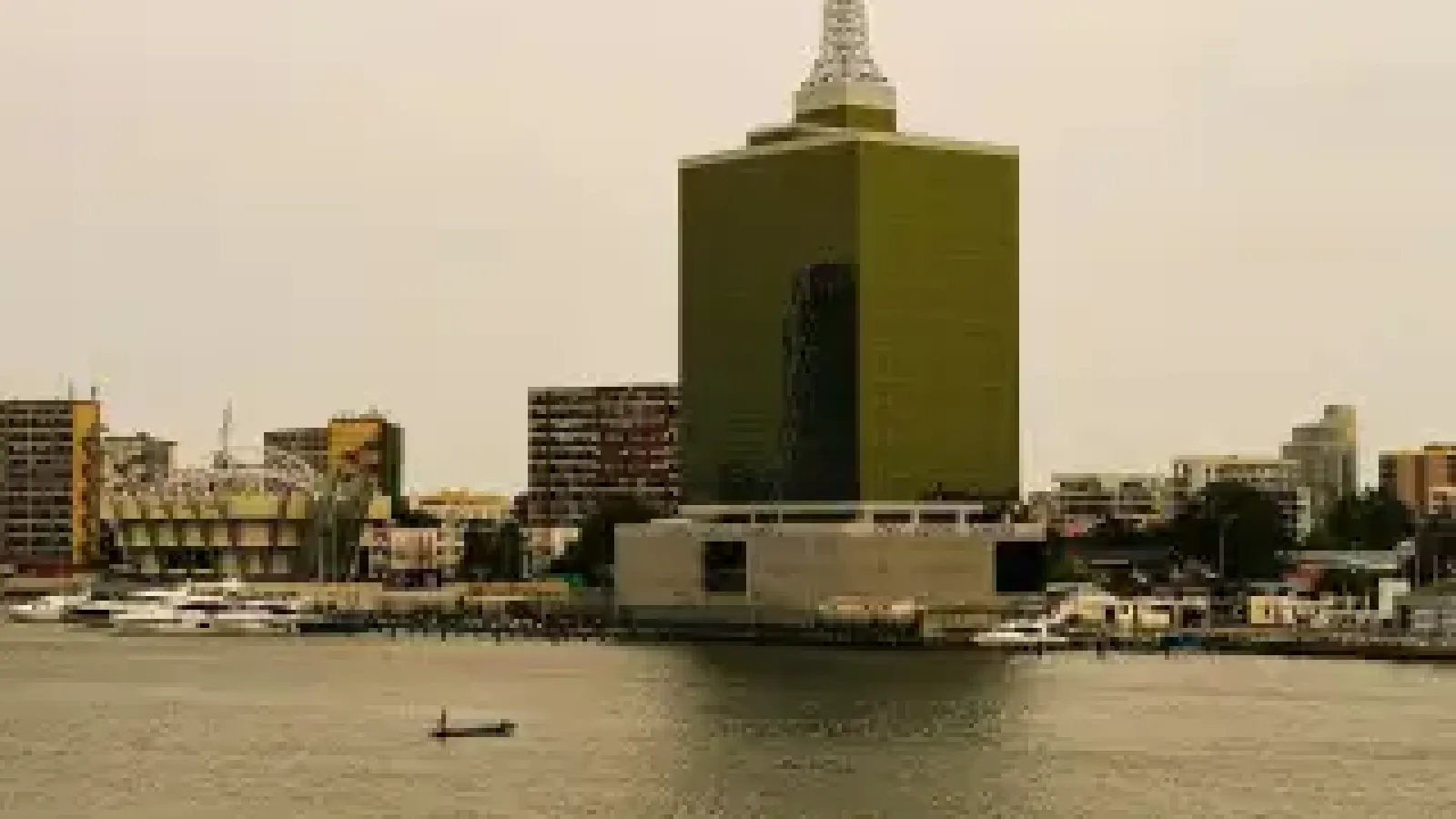
Top places to visit
Popular Attractions
in Nigeria
-
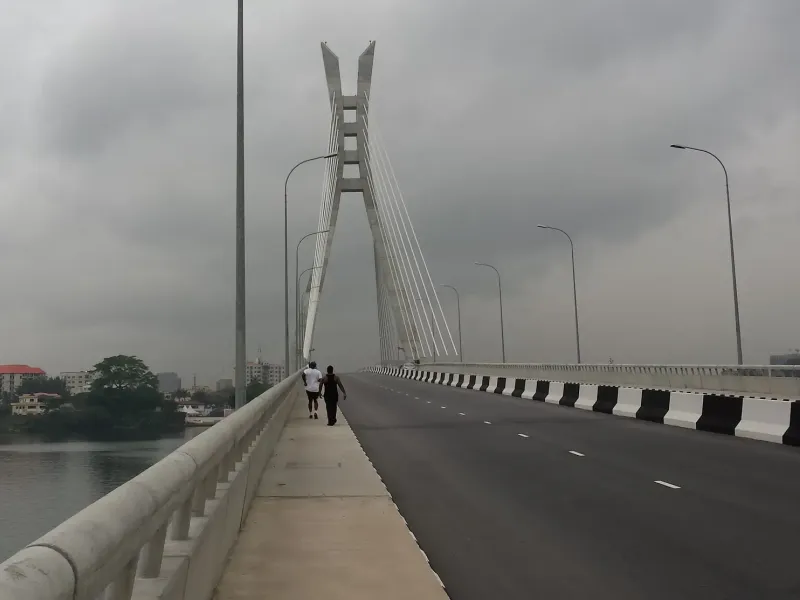
Lagos
Twenty million people and the loudest cultural engine in West Africa: music, film, art, food and a pace that makes other cities feel like towns. The Lekki Ikoyi bridge, the Lekki Conservation Centre canopy walk and the markets are a first day. See getting around and the food guide.
-
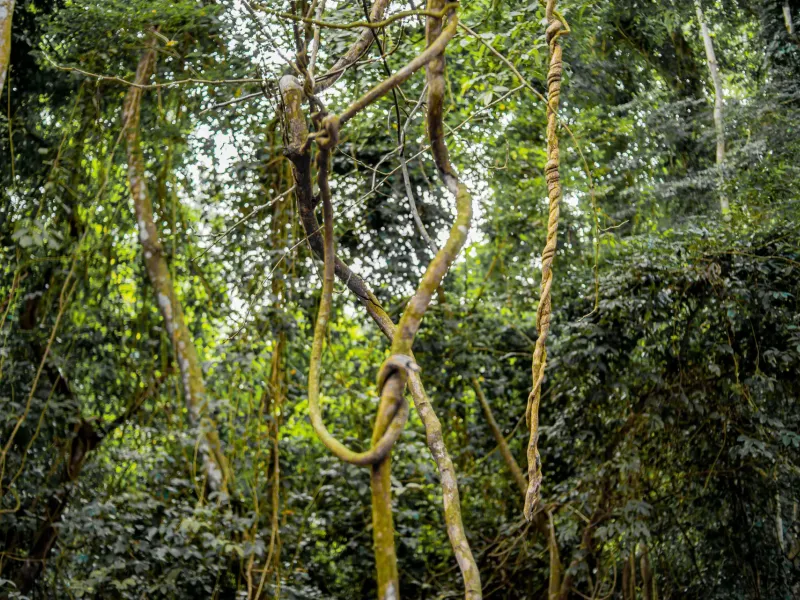
Osun-Osogbo Sacred Grove
One of Nigeria's two World Heritage properties, inscribed in 2005, and the largest surviving sacred grove in Yorubaland. Forty shrines along the Osun river inside the last high forest in southern Nigeria, and an active place of worship rather than a monument. See the Osun-Osogbo guide.
-
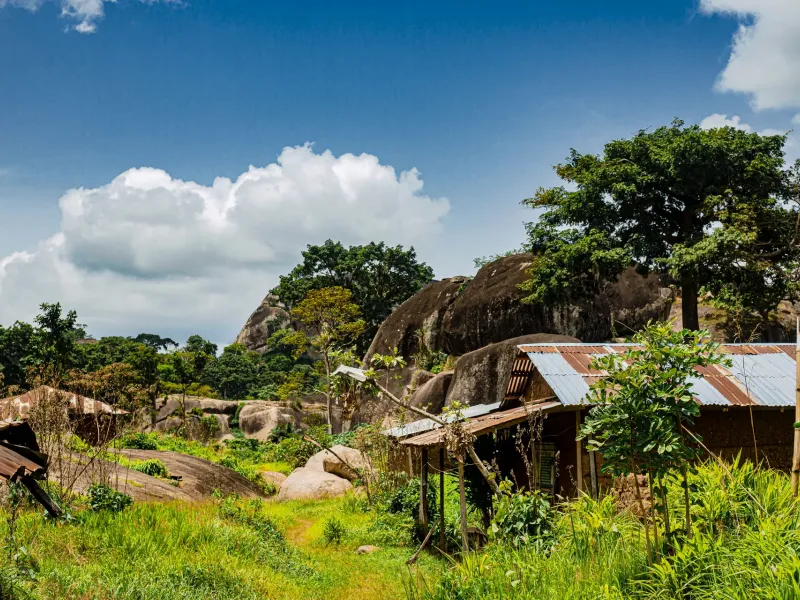
The Idanre Hills, Ondo State
Granite domes rising straight out of the forest, with an old hilltop town reached by a long stone stair. Ondo State carries no travel advisory, which is part of why it appears here. See best time to visit.
-

Olumo Rock, Abeokuta
A granite outcrop that sheltered the Egba people during the nineteenth-century wars and gave Abeokuta its name, which means under the rock. Now one of the most visited sites in the country, with a lift for anyone who would rather not take the stair.
-
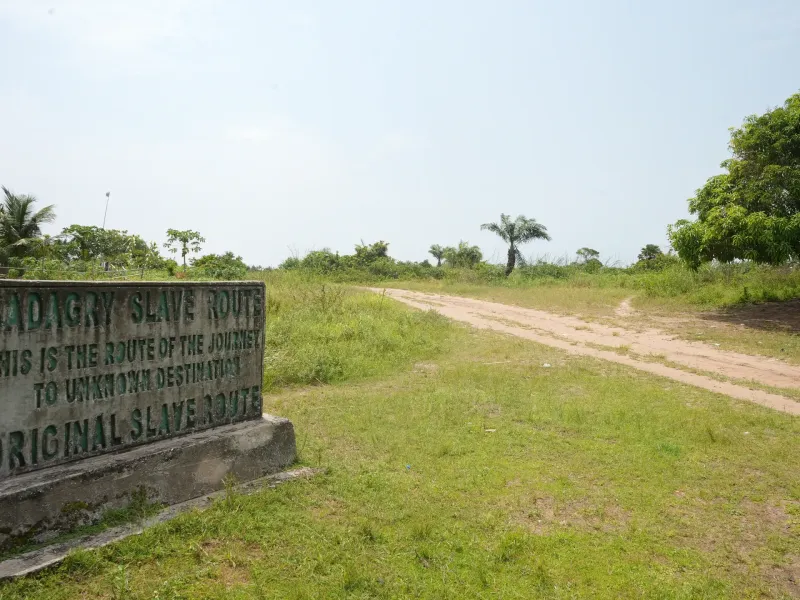
Badagry, Lagos State
A coastal town west of Lagos that was one of the ports of the transatlantic slave trade. What is there is a set of small museums, a route down to the water and a plain stone marker, and the plainness is what people remember. See Nigeria and diaspora reconnection.
-
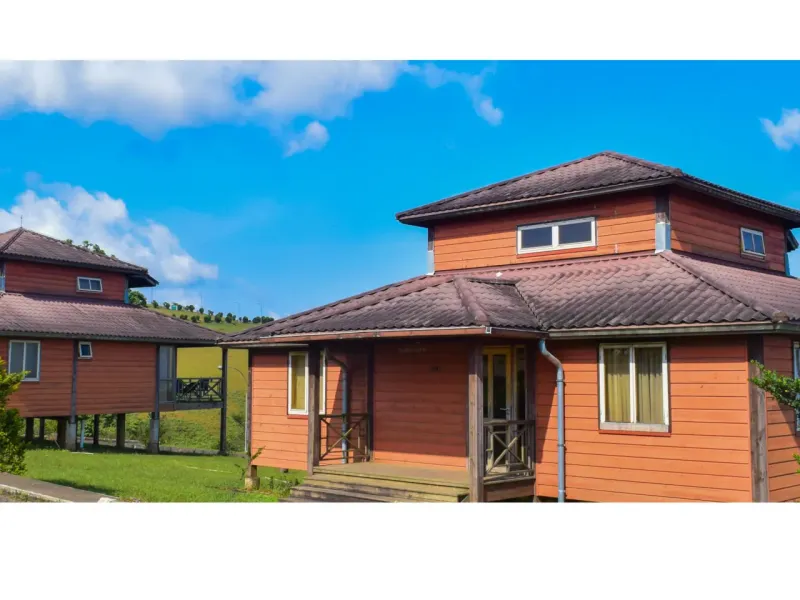
The Obudu plateau, Cross River
High green upland in the south east, cool enough to need a jacket, with lodges on level ground and a cable car up the escarpment. The easiest place in the country to build a slow day. See Nigeria for senior travelers.
The guide
Explore Nigeria by Interest
Planning
Food and Culture
Heritage and History
Traveler Resources
Before you go
Planning
a trip to Nigeria
-
Best Time to Visit Nigeria
November to March for the southern states most itineraries use, and we will tell you plainly that this is an editorial recommendation rather than a sourced figure. The binding constraint is usually how long your vaccinations take. See the best time to visit guide and the weather guide.
-
Entry, Money and Getting Around
A visa obtained online before you fly, a yellow fever certificate at the border, and two health and landing forms nobody mentions. Cash still does most of the work. See visa and entry requirements, currency and money and getting around.
-
Before You Book
The United Kingdom advises against all travel to six Nigerian states and against all but essential travel to seventeen more, and it describes kidnapping as widespread and as something that could occur anywhere. We would rather you read that from us than find it afterward. All of it is on the travel safety guide.
Signature experiences
Signature
Nigeria experiences
-
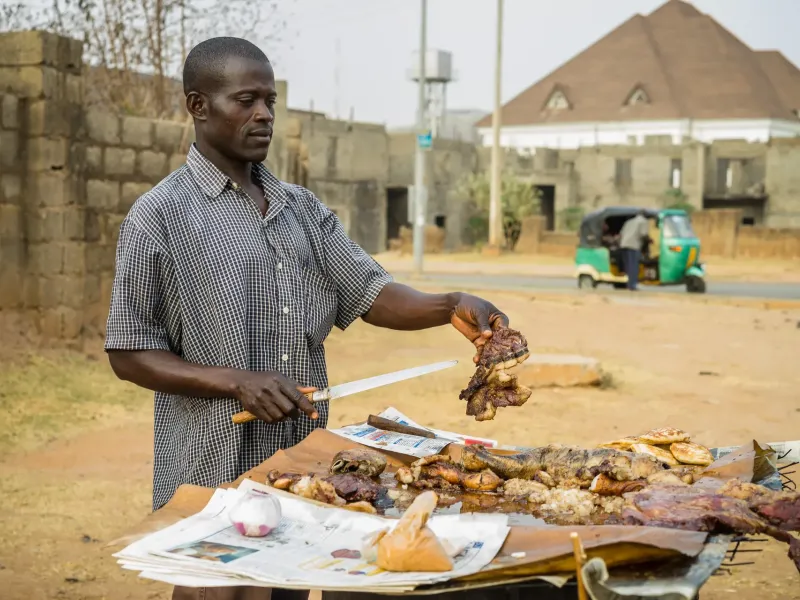
Suya, jollof and the pepper
Thin strips of beef in a dry peanut and chili mix, grilled over fire at a roadside stall from early evening. Jollof rice at every celebration worth the name. Pounded yam, egusi and the long-simmered pepper soups that are as much remedy as meal. Start with the food guide.
-
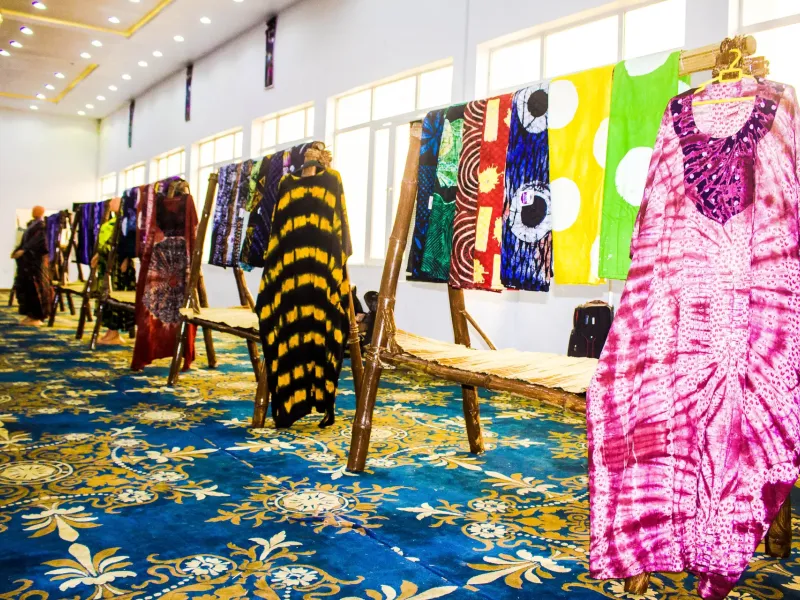
Adire, agbada and dressing properly
Nigerians dress extremely well and the standard at any gathering will be higher than you expect. Adire, the resist-dyed cloth of the Yoruba south west, is one thread of it. Greet before you do anything else, defer to age, and bring one set of smarter clothes. See culture and etiquette.
-
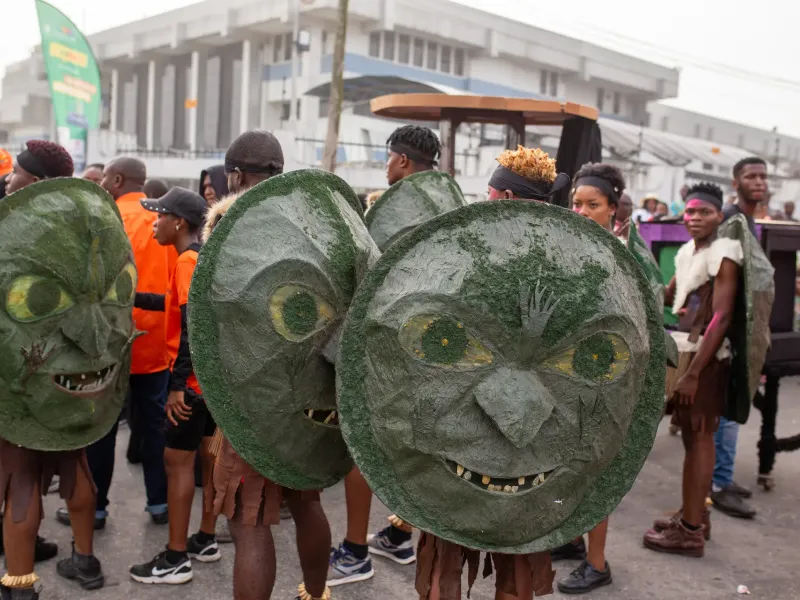
A festival calendar with a geography problem
The twelve-day Osun-Osogbo festival in July and August, and the Calabar Carnival in December, are both plannable. The Durbar in Kano and the Argungu fishing festival in Kebbi are extraordinary and are in states the FCDO advises against all but essential travel to. See festivals and celebrations.
Why choose LABUSA Travel for Nigeria
We tell you where the line is
Most of Nigeria by area sits under one travel advisory or another, and an operator who routes quietly around it is making a decision on your behalf without telling you. We name the restricted states, we say which famous places are inside them, and we will decline a request rather than take a group somewhere the advice says not to go.
The paperwork is done before you fly
A visa obtained online in advance, a yellow fever certificate, a health declaration and a landing card, and a vaccination schedule that needs about eight weeks. Every one of those is a way to lose a trip at the airport, and every one of them is on our side of the arrangement rather than yours.
Arranged transport, daylight days
We move groups by arranged vehicle with a known driver, we build days that finish before dark, and we do not run overland routes through restricted ground. That is the security advice and it is also simply how you see more in a country where the traffic decides your afternoon.
Common questions
Nigeria Travel FAQs
- Do I need a visa for Nigeria?
- Yes, and you must get it before you fly. Every application goes through the Nigeria Immigration Service online portal in advance, and visa on arrival is no longer available, so a good deal of older advice online describes a process that has been closed. Your passport must have an expiry date at least six months after the date you arrive. If you hold a valid Nigerian residence permit, a CERPAC or a Green Card, you do not need a visa.
- Do I need a yellow fever certificate for Nigeria?
- Yes. It is an entry requirement rather than a recommendation, and you may be asked for it at the border. Two groups are exempt: infants aged eight months or younger, and adults aged 61 or older. The vaccination takes time to become valid, so this belongs at the start of your planning rather than the end of it. The FCDO advises checking vaccine recommendations at least eight weeks before travel.
- Is Nigeria safe to visit?
- That is a question about where you are going rather than about the country. The UK Foreign, Commonwealth and Development Office advises against all travel to Borno, Yobe, Adamawa, Gombe, Katsina and Zamfara states and to the riverine areas of five southern states, and against all but essential travel to seventeen more including Kano, Kaduna, Kebbi, Bauchi, Niger, Plateau, Benue, Anambra and Imo. What is left unlisted is most of the south west and a handful of southern states, plus the Abuja metropolitan area. A responsible itinerary is built inside that.
- What does the FCDO say about kidnapping?
- More than most travelers expect, and it is worth reading rather than paraphrasing. It describes kidnappings as widespread and as something that could occur anywhere in the country, and it says British nationals are seen as legitimate targets, including tourists, aid workers, journalists and business travelers. We put that in front of clients rather than burying it. It does not make a visit impossible; it does mean the ordinary travel-blog framing, which files this under the north east and moves on, is not what the source says.
- When is the best time to visit Nigeria?
- For the southern and south-western states most itineraries use, November to March. Be aware that we are giving you an editorial recommendation rather than a sourced figure: nothing we read for this cluster publishes month-by-month rainfall for Nigeria, and the country stretches from the Atlantic coast to the edge of the Sahel. In practice four things set your dates here, and the binding one is usually how long your vaccinations take.
- How many World Heritage Sites does Nigeria have?
- Two. The Sukur Cultural Landscape was inscribed in 1999 and the Osun-Osogbo Sacred Grove in 2005. Only one of them can responsibly be visited: Sukur is in Adamawa State, which the FCDO advises against all travel to, so our Sukur page is written as a heritage record rather than as a visitor guide and we would decline to arrange a trip there. Osun-Osogbo, in Osun State, carries no advisory at all.
- What is the Osun-Osogbo festival?
- An annual processional festival that re-establishes the bonds between the river goddess Osun and the town of Osogbo, running over twelve days in July and August. UNESCO describes it as sustaining the living cultural traditions of the Yoruba people, and it is part of why the grove is inscribed at all: the property is a working religious site rather than a monument. It is also when the grove is busiest, so a quieter month gives you a better walk through the forest.
- Do I need malaria tablets for Nigeria?
- The US Centers for Disease Control and Prevention recommends that travelers going to Nigeria take prescription medicine to prevent malaria, and it records transmission across all areas of the country with no seasonal or regional carve-out. Depending on which medicine you are given you start it some days before departure and continue during and after the trip, so it is a conversation to have early. The CDC also records that active cholera transmission is widespread, and recommends hepatitis A and typhoid vaccination.
- Should I carry cash in Nigeria?
- Yes, but not much at a time. Nigeria runs substantially on cash and cards are accepted in fewer places than a visitor expects, so you will need some. The FCDO advises against carrying large amounts and notes that areas around banks and ATMs have seen a spike in criminal activity, so withdraw during the day and from a machine inside a building. Credit card fraud is described as common, with the advice to keep your card within sight when paying a bill.
- What is the food like?
- It is one of the great reasons to come. Jollof rice, the tomato and pepper rice that starts arguments across three borders. Suya, thin strips of beef in a dry peanut and chili spice mix, grilled over fire at a roadside stall from early evening. Pounded yam and egusi and the long-simmered pepper soups. The one habit to keep is about water rather than food: sealed bottled water, no ice you cannot vouch for, and food that is hot and freshly cooked, which describes a suya stall perfectly.