The short version
Nigeria is demanding on a body: heat, humidity, long road transfers and days that start early. None of that is a reason not to come. It is a reason to build the trip differently, and there is one piece of good news in the rules that is easy to miss.
The exemption
A yellow fever certificate is an entry requirement for Nigeria. Two groups are exempt, and one of them is adults aged 61 or older. If you are over sixty-one you do not need the yellow fever vaccination certificate to enter.
That is an entry rule and not medical advice. Whether the vaccine is right for you at your age is a conversation for your doctor, and the CDC's own recommendation covers travelers from nine months old upward. What the exemption removes is the paperwork, not the question.
What is not in your favor
Everything else about the medical picture. The FCDO states that medical standards differ, that you will have to pay for treatment at public hospitals with private hospitals more expensive again, and that local hospitals may be crowded with shortages in medical supplies and equipment.
So: travel insurance that covers pre-existing conditions and medical evacuation, declared honestly and in full, and bought before you book rather than after. Carry enough of every regular medication for the trip plus a margin, in its original packaging, with a copy of the prescription. Carry a written note of your conditions, medications and allergies, on paper, in your hand luggage.
The other health items apply to everyone and are covered in the weather guide and the food guide: preventive malaria medication for the whole trip, daytime repellent, bottled water, and staying out of fresh water entirely.
Pace
This is the part we can actually fix. A Nigerian itinerary that works for an older group has fewer stops, longer at each, and a genuine rest in the middle of the day when the heat is at its worst. Road transfers are broken up rather than run end to end, and nothing is scheduled to finish after dark, which happens to be the security advice as well.
Heat and humidity do more damage than distance here. Drink more water than you think you need, take the shade when it is offered, and treat an air-conditioned hour after lunch as part of the itinerary rather than a failure of ambition.
Where a slower trip actually lands
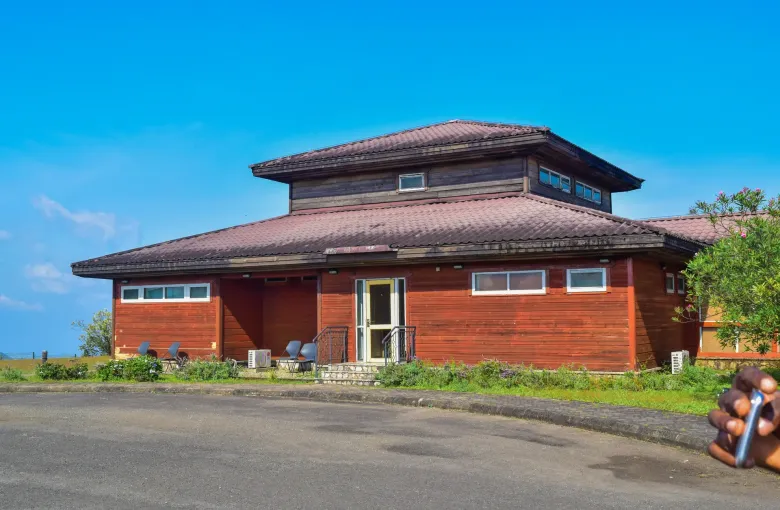
The Obudu plateau in Cross River State sits high enough to be genuinely cool, with lodges on level ground and views that do not require a walk. Lagos and Abuja have hotels used to older guests and staff who will help without being asked twice. A grove, a museum and a long lunch is a full day here, and it is a better one than three sites and a rushed dinner.
Traveling with the family
A lot of our Nigerian trips are three generations at once, usually built around a return to a family town. That works well, and the thing that makes it work is agreeing in advance that people will split up during the day and come back together in the evening. See Nigeria and diaspora reconnection and accessible travel.
Sources
- UK Foreign, Commonwealth & Development Office: Nigeria entry requirements: a visa obtained before travel, the withdrawal of visa on arrival, six months of passport validity, the yellow fever certificate and the online health declaration. Accessed 14 September 2026.
- UK Foreign, Commonwealth & Development Office: Nigeria health: yellow fever, schistosomiasis, Zika virus, malaria and dengue, and what medical care costs. Accessed 14 September 2026.
- US Centers for Disease Control and Prevention: Travelers’ Health, Nigeria: the vaccines and medicines recommended before travel. Accessed 14 September 2026.
- UK Foreign, Commonwealth & Development Office: Nigeria safety and security: terrorism, kidnap described as widespread and able to occur anywhere, street and vehicle crime, curfews and financial scams. Accessed 14 September 2026.
Other Articles
Accessible Travel in Nigeria
Nigeria and Diaspora Reconnection