
Why visit
Why visit Malawi?
Malawi calls itself the warm heart of Africa, and unusually for a tourism slogan it describes something people actually notice. It is a small country, which means short transfers and a trip that does not have to be spent driving, and it is built around one enormous lake that runs most of its length.
That lake is a World Heritage Site, inscribed for the hundreds of fish species that live in it and nowhere else, and UNESCO compares its importance for the study of evolution to the finches of the Galapagos. Inland there is rock art on the plateau at Chongoni, richer than anywhere else in Central Africa and connected to a society that still uses some of those sites. In the south, Mount Mulanje rises straight out of the tea estates, and in 2025 UNESCO inscribed it too, as a sacred cultural landscape. Malawi now has three World Heritage properties, and most of what has been written about the country says two.
The practical picture is mild by regional standards: the United States places Malawi at Level 2 and the United Kingdom warns against travel to no part of it. What will actually shape your trip is malaria, which is everywhere, bilharzia, which is in the lake, cholera in the rainy season, and a fuel shortage on the road. We would rather set all of that out plainly on the travel safety guide than leave you to find it.
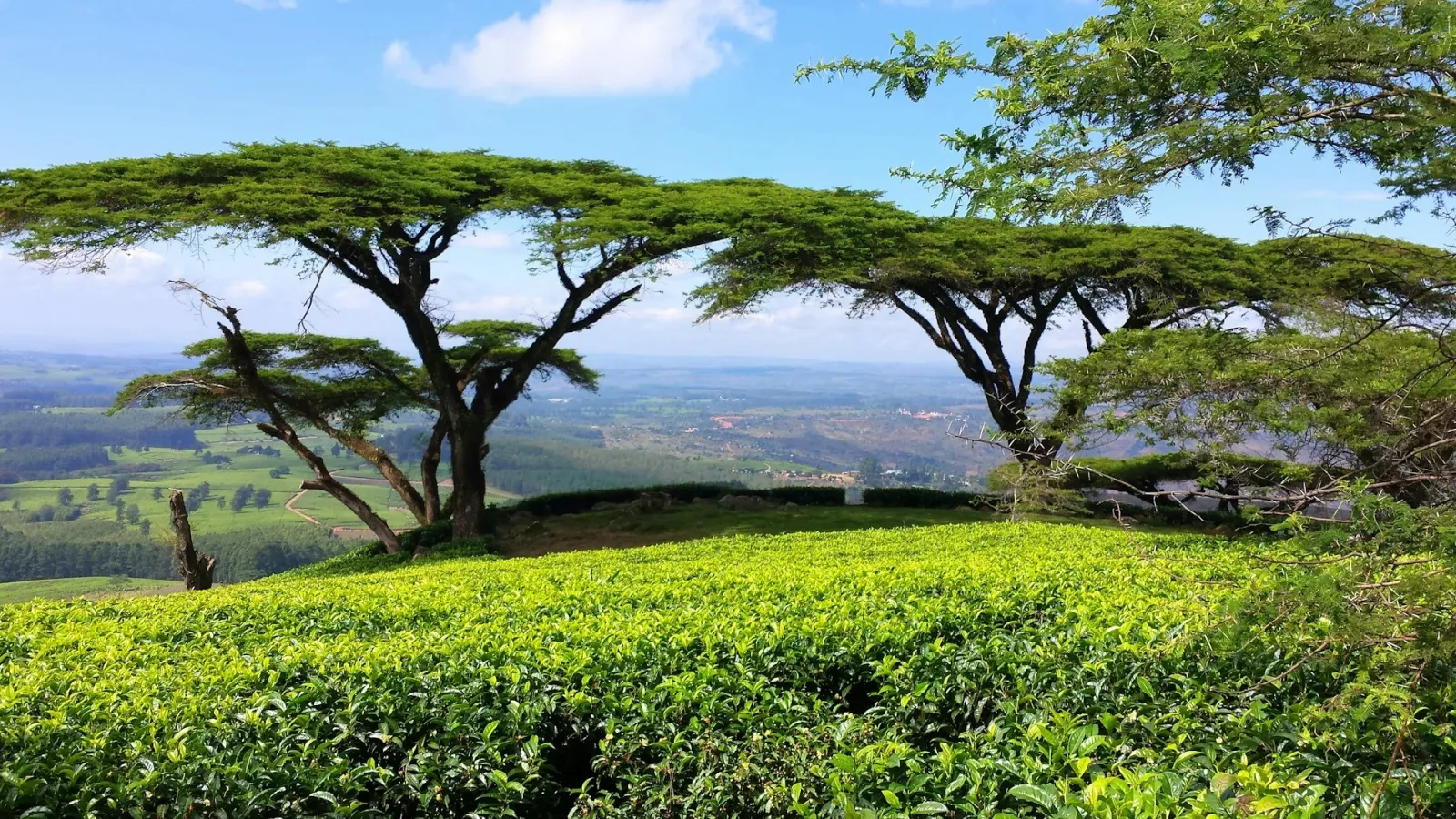
Top places to visit
Popular Attractions
in Malawi
-
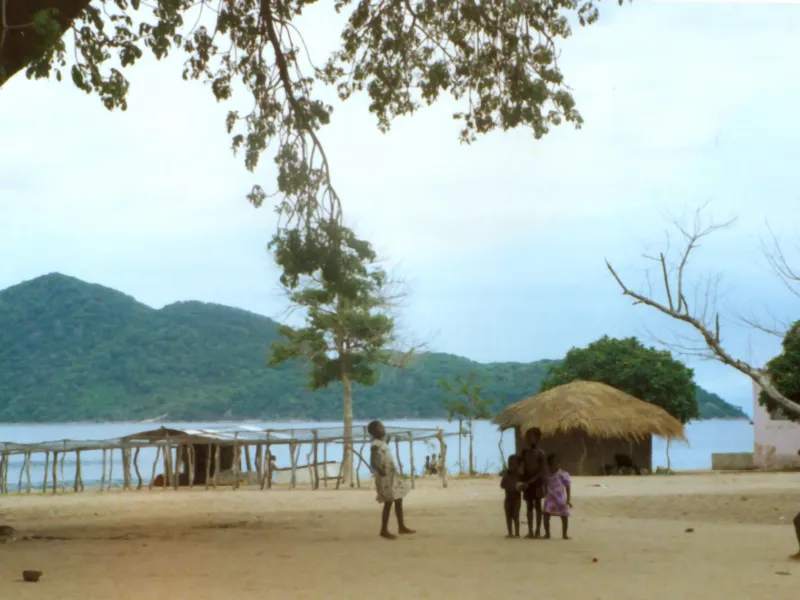
Lake Malawi National Park, Southern Lakeshore
A UNESCO World Heritage Site since 1984, inscribed for the many hundreds of fish species that live in it and nowhere else. UNESCO compares its importance for the study of evolution to that of the finches of the Galapagos. Read the Lake Malawi National Park guide, which also gives a straight answer on bilharzia before you decide about swimming.
-
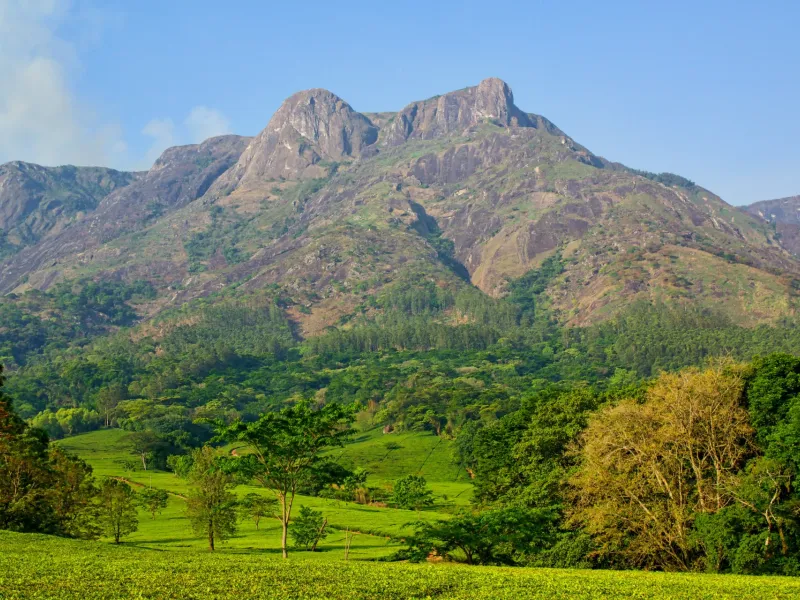
Mount Mulanje, Southern Malawi
One of the world's largest inselbergs, rising straight out of the tea country with no foothills, and inscribed by UNESCO in 2025 as a cultural landscape revered as a sacred place. Malawi now has three World Heritage properties, not two. See the Mount Mulanje guide.
-
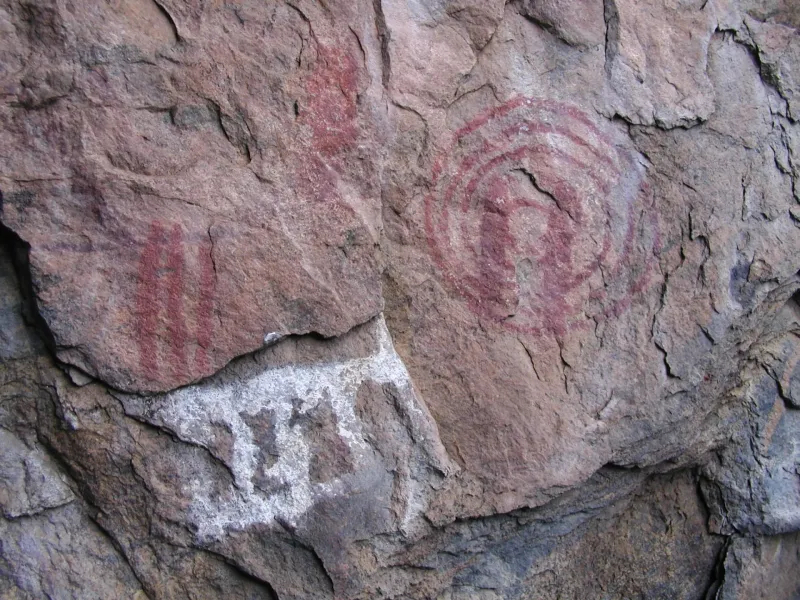
Chongoni Rock-Art Area, Dedza District
127 sites across the plateau carrying the richest concentration of rock art in Central Africa, inscribed by UNESCO in 2006. Two traditions thousands of years apart, and some of the sites are still in use by the society that made the later paintings. See the Chongoni Rock Art guide.
-
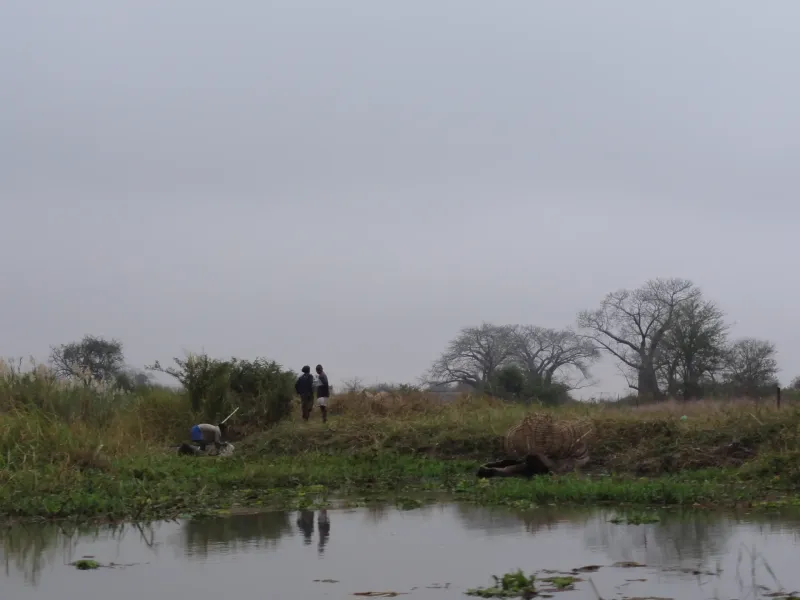
Liwonde National Park, Southern Malawi
The Shire River running through woodland and floodplain, with elephant, hippo and a great deal of birdlife, and the most comfortable wildlife watching in the country because so much of it is done from a boat.
-
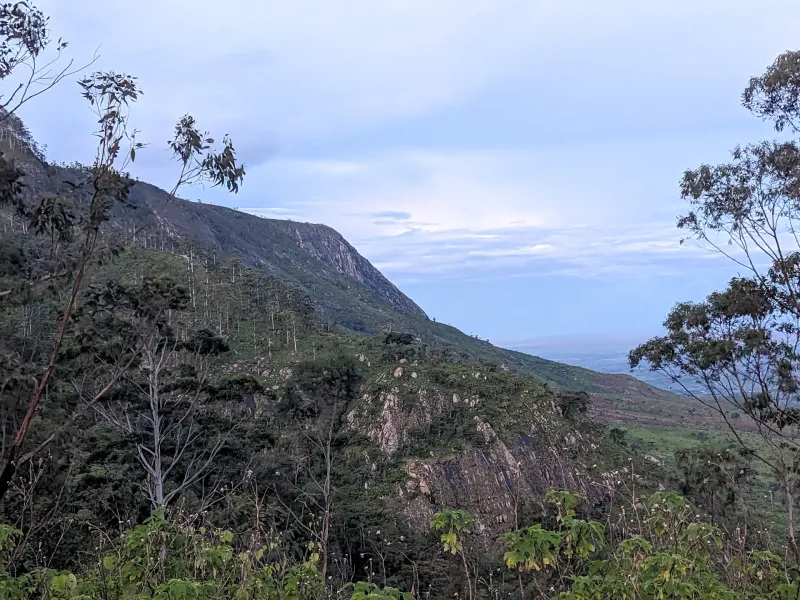
The Zomba Plateau, Southern Malawi
A high plateau of forest, streams and viewpoints above the old colonial capital, cool enough to need a jacket when the lakeshore is hot. Walkable in a day, and a useful reminder that Malawi is not one climate.
-
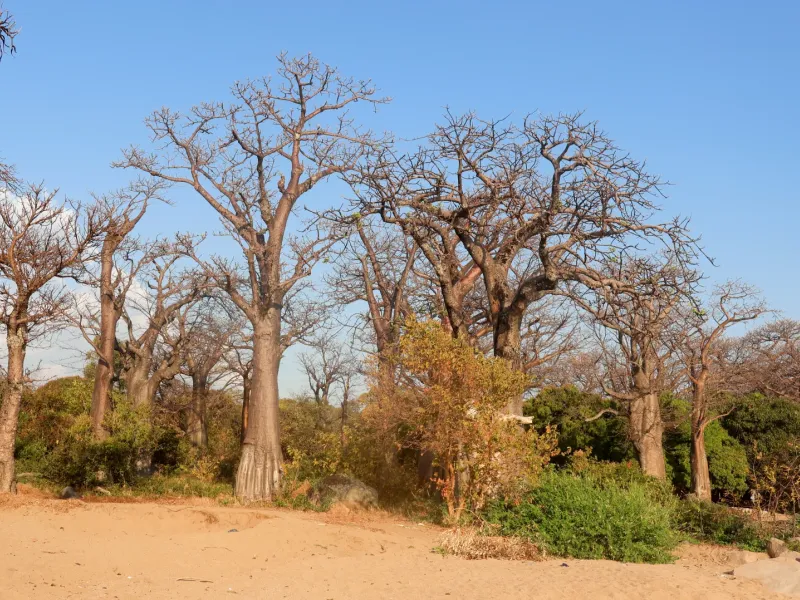
Likoma Island, Lake Malawi
An island of baobabs and beaches far out in the lake, closer to Mozambique than to Malawi and reached by the lake ferry, which is a journey worth taking for its own sake. See Getting Around Malawi.
The guide
Explore Malawi by Interest
Planning
Food and Culture
Heritage and History
Traveler Resources
Before you go
Planning
a trip to Malawi
-
Best Time to Visit Malawi
Malawi has one dry season and one wet one. The rains run roughly November to April, bringing cyclones, floods and road closures; the dry months, May to October, are when the roads work and the lake is at its best. May and June are the sweet spot. See the best time to visit guide and the weather guide.
-
Visas, Money and Getting Around
Visas are available on arrival and are paid for in US dollars cash, or in advance as an e-visa. Inside the country everything runs on kwacha, and card acceptance thins out fast outside the main towns. The FCDO records frequent fuel shortages, so plan road days around that. See visa and entry requirements, currency and money and getting around.
-
Before You Book
Malawi is one of the more straightforward countries in the region to plan. The US State Department places it at Level 2, Exercise Increased Caution, and the UK FCDO warns against travel to no part of it and publishes no regional-risks page at all. The risks that will actually shape your trip are malaria, bilharzia in the lake, a fuel queue and a wet road. All of it is in the travel safety guide.
Signature experiences
Signature
Malawi experiences
-
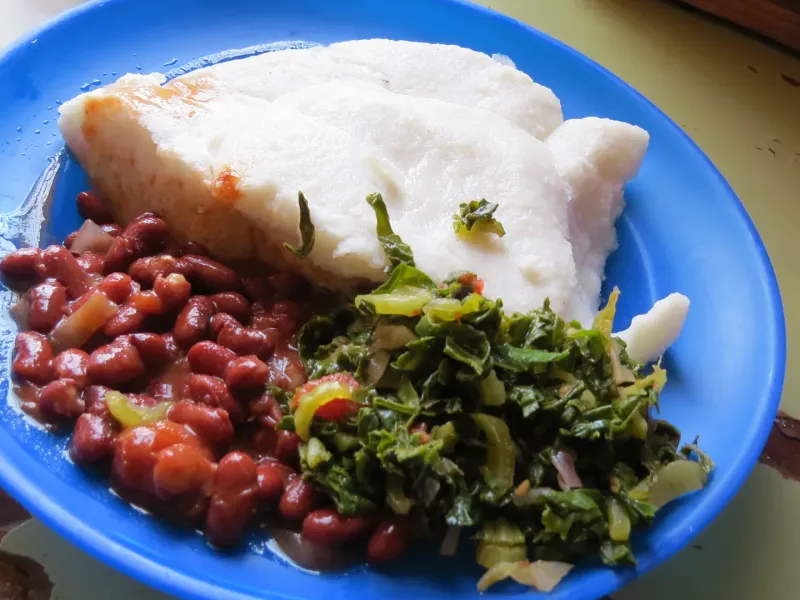
Nsima, which UNESCO put on its heritage list
A thick maize staple eaten with the right hand alongside beans, greens, groundnut stew or fish from the lake. Nsima, culinary tradition of Malawi is inscribed on the UNESCO intangible heritage list: the inscription is about the whole practice of growing, preparing and sharing it, not a recipe. Start with the food guide.
-
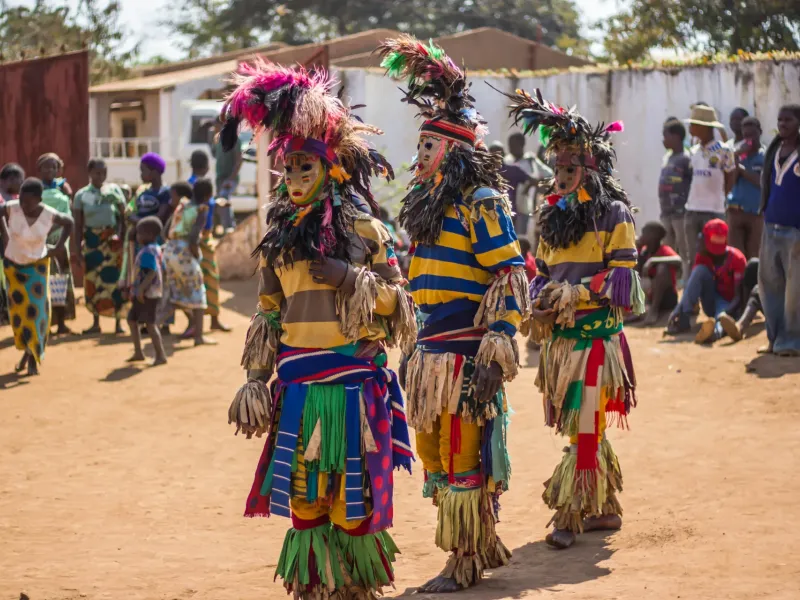
Gule Wamkulu, and five more living traditions
Malawi has six elements on the UNESCO intangible heritage list, four of them dances. Gule Wamkulu, the Great Dance of the Chewa, is performed by a closed brotherhood at initiations and funerals, and Vimbuza is a healing ceremony rather than a performance. See festivals and celebrations and culture and etiquette.
-
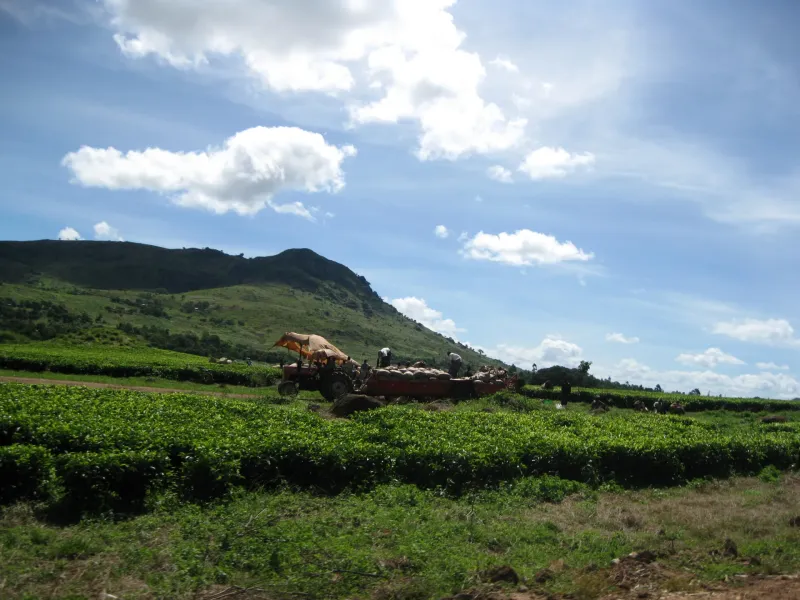
Tea country, and a mountain above it
Malawi has grown tea commercially for well over a century, and the estates around Mulanje and Thyolo are among the most beautiful working landscapes in the region, with the massif standing over them. Estate visits are easy to arrange and are a good morning even if you never set foot on the mountain. See Malawi for senior travelers.
Why choose LABUSA Travel for Malawi
We tell you what the governments say
Every practical claim on these pages is attributed to the authority that publishes it and dated, so you can check it against the same source we used. That includes the good news: Malawi's advisory position is milder than most of its neighbors, and we say so rather than manufacturing concern.
Purpose-driven travel
We build itineraries with Malawian operators, guides and porters, and we pace them for the group we actually have. Where a visit touches a living tradition, at Chongoni or around a ceremony, we prepare the group properly beforehand and go where we are invited rather than where we would like.
Honest about the hard parts
Bilharzia is in the lake and you should know that before you swim, not after. Fuel is often short. Many medical facilities want payment up front, so evacuation cover and accessible funds matter. Roads close in the rains. We would rather say all of that before you book than after.
Common questions
Malawi Travel FAQs
- Is Malawi safe to travel in?
- It is one of the more straightforward countries in the region to plan. The US State Department places Malawi at Level 2, Exercise Increased Caution, for crime and unrest. The UK Foreign, Commonwealth and Development Office warns against travel to no part of the country and publishes no regional risks page for it at all. What will actually shape your trip is health and logistics rather than security: malaria everywhere, bilharzia in the lake, cholera in the rainy season and frequent fuel shortages on the road. Our travel safety guide sets all of it out.
- Can I swim in Lake Malawi?
- People do, every day, and it is one of the best things about the country. You should know first that bilharzia is present in the lake. It is a parasite carried by freshwater snails and contracted through the skin. Take local advice on where and when, because lodges deal with this question daily, avoid reedy shallow water near settlements, dry off briskly afterwards, and get tested when you get home, telling your doctor you have swum in Lake Malawi. Treatment is straightforward once diagnosed. Our Lake Malawi National Park guide gives the full answer.
- Do I need a visa for Malawi?
- Yes, and unlike many countries you can get one on arrival. Bring US dollars in cash: the published fees are fifty US dollars for a single entry, one hundred and fifty for a six month multiple entry and two hundred and fifty for one year. E visas are also available in advance through the Malawi Immigration website. Your passport must be valid for at least six months after the day you arrive. You will also need to complete a Traveller Health Check form, which you can do before you fly. See our visa and entry requirements guide.
- When is the best time to visit Malawi?
- May to October, the dry season, when the roads are reliable and the lake is at its best. May and June are the sweet spot: the country is still green from the rains and the air is clear. September and October are hotter and better for wildlife because water sources shrink. The rains run November to April, and the FCDO records that cyclones and floods are common then, often causing landslides, road closures and transport disruption. See our best time to visit guide.
- How many World Heritage Sites does Malawi have?
- Three, and this is the fact most likely to be out of date wherever else you read it. Lake Malawi National Park was inscribed in 1984 for the hundreds of fish species found in it and nowhere else. The Chongoni Rock Art Area was inscribed in 2006 and holds the richest concentration of rock art in Central Africa. The Mount Mulanje Cultural Landscape was inscribed in 2025, which means almost everything written before last year says Malawi has two.
- Do I need malaria tablets?
- Almost certainly. The US Centers for Disease Control and Prevention gives the malaria transmission area for Malawi as all of it, with chloroquine resistance, and recommends that travelers take prescription medicine to prevent it. That is a conversation to have with a doctor at least eight weeks before you go, along with hepatitis A and typhoid vaccination, which the CDC recommends for Malawi.
- What is nsima?
- The center of Malawian eating: a thick maize staple served in firm portions and eaten with the right hand, torn off and used to pick up beans, cooked greens, groundnut stew or fish from the lake. Nsima, culinary tradition of Malawi, is inscribed on the UNESCO intangible heritage list, and the inscription is about the whole practice of growing, preparing and sharing it rather than a recipe. See our food guide.
- Will my cards work?
- In larger hotels, lodges and established operators in Lilongwe and Blantyre, usually. Almost nowhere else. Plan on kwacha in cash for markets, transport, fuel, tips and anything outside the main centers, and draw what a stretch of the itinerary needs before you leave a town. Carry cards from more than one issuer. See our currency and money guide.
- What happens if I need a doctor?
- Settle this before you go. The FCDO says general medical facilities throughout Malawi cannot provide the standard of care available in the UK, that rural facilities are basic, that emergency services are limited and, importantly, that many medical facilities expect up front payment. Carry basic medical supplies, and make sure you have both insurance covering evacuation and repatriation and accessible funds to pay on the day.
- Is there anything I should not buy?
- Yes, two things, and both carry real penalties. It is illegal to buy uncut precious gemstones. And it is illegal to buy, sell, kill or capture protected wildlife or trade its parts without a license, with ivory illegal outright: anyone caught buying or carrying these items faces prosecution and a prison sentence or a fine. The carvings, baskets and printed cloth are what to take home instead.