The quick answer
The center of Malawian eating is nsima, a thick maize porridge served in firm portions and eaten with the right hand, torn off and used to pick up whatever it is served with. What it is served with is called ndiwo, or relish: beans, cooked greens, groundnut stew, meat or fish. That is the plate in the photograph at the top of this page.
Why a staple food is on a UNESCO list
Nsima, culinary tradition of Malawi, is inscribed on UNESCO's Representative List of the Intangible Cultural Heritage of Humanity. It is one of six Malawian elements on that list.
That is unusual and it tells you something. The inscription is not about a recipe: it is about the whole practice around it, the growing and pounding of the maize, the way a meal is shared, the expectations that go with offering and accepting food. If you are told that a meal without nsima is not really a meal, that is not an exaggeration for a visitor's benefit.
What to eat
- Nsima with ndiwo. Start here, and try more than one relish. Groundnut-based sauces are particularly good and particularly Malawian.
- Chambo. The best known of the lake fish, usually grilled or fried whole and served with nsima. Ordering it beside the lake it came from is one of the genuine pleasures of a Malawi trip.
- Usipa. Small lake fish, often dried, intensely flavored, and used in relishes.
- Mandasi. Fried dough, sold in markets and at roadsides, and the standard thing to eat with tea in the morning.
- Thobwa. A lightly fermented maize drink, sweet and filling.
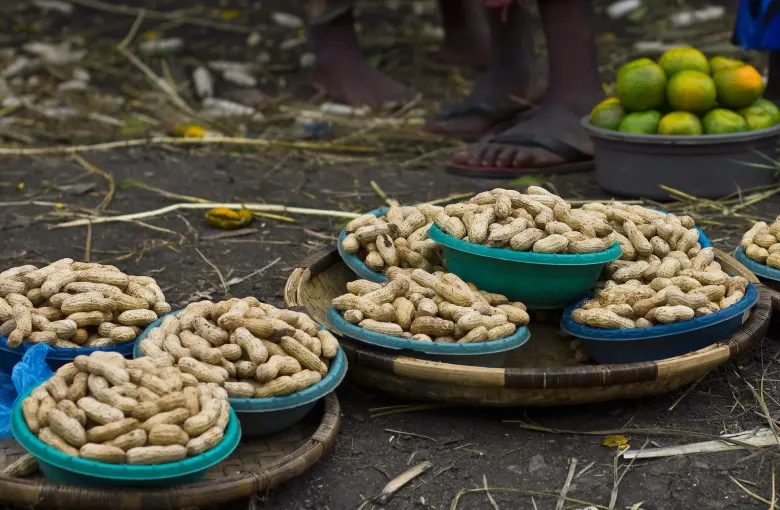
- Market produce. Groundnuts by the bowl, mangoes in season, bananas, tomatoes and greens. The roadside markets are where the country eats.
Eating well as a vegetarian
Straightforward. Nsima with beans, groundnut stew and cooked greens is an everyday meal rather than a special request, and it is good. Ask whether a relish has been made with dried fish, which is common and not always mentioned.
Tea, and the country it comes from
Malawi has been growing tea commercially for well over a century, and the estates around Mulanje and Thyolo are part of the landscape in the south. Estate tours are straightforward to arrange and are a good way to spend a morning.
⚠ Food and water safety, which matters here
This section is not boilerplate in Malawi and the sources are specific.
- Drink treated or bottled water. The FCDO says tap water may not be safe to drink, especially in rural areas.
- Cholera. The FCDO records that Malawi experienced the largest cholera outbreak in its history in late 2022 and early 2023 and that cases are likely to rise again during the rainy season. The CDC describes active transmission as widespread. Hand washing is the main protection, so carry sanitizer for when a basin is not available.
- Vaccination. The CDC recommends hepatitis A for unvaccinated travelers and typhoid for most travelers to Malawi. Both are food and water borne.
- Do not accept food or drink from strangers. The FCDO records robberies following drugged food. This is about strangers who approach you, not about hospitality in someone's home.
⚠ And a warning specific to drinking
The FCDO records an increase in serious illness caused by alcoholic drinks containing methanol in popular travel destinations, notes that even small amounts can kill and that it cannot be identified by taste or smell, and advises seeking urgent medical attention if symptoms appear after drinking. Buy spirits from reputable outlets. Malawi's beer is excellent and is not the concern here.
Eating politely
Hands are washed before the meal, often from a jug and basin brought to the table, and that is part of eating rather than a preliminary. Use your right hand. Food is shared, and taking a modest portion first is better manners than serving yourself generously. More on this in Malawi Culture and Etiquette.
Sources
- UNESCO Intangible Cultural Heritage: the inscription of Nsima, culinary tradition of Malawi. Accessed 14 September 2026.
- UNESCO Intangible Cultural Heritage: Malawi’s six inscribed elements, among them Gule Wamkulu, Vimbuza and the culinary tradition of nsima. Accessed 14 September 2026.
- UK Foreign, Commonwealth & Development Office: Malawi health advice, including cholera and the standard of healthcare. Accessed 14 September 2026.
- UK Foreign, Commonwealth & Development Office: Malawi safety and security: crime, kidnap, road travel, fuel, local laws and the rainy season. Accessed 14 September 2026.
- US Centers for Disease Control and Prevention: Travelers’ Health, Malawi: malaria, schistosomiasis, cholera, rabies and routine vaccination. Accessed 14 September 2026.
Other Articles
Malawi Culture and Etiquette Guide
Malawi Festivals and Celebrations